Eastern Wolf
The Eastern Wolf (Canis lycaon) is a medium-sized wild canid native to the Great Lakes region and southeastern Canada, recognized for its debated taxonomy and vital role as a top forest predator.
The Eastern Wolf (Canis lycaon) is a medium-sized wild canid native to the Great Lakes region and southeastern Canada, recognized for its debated taxonomy and vital role as a top forest predator.
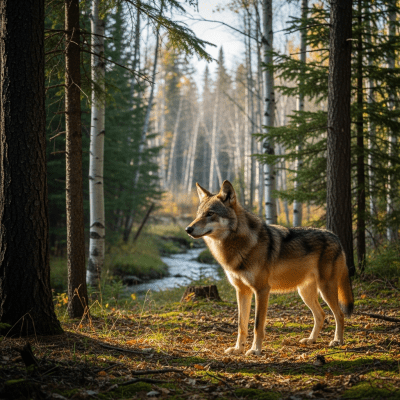
First described in the early 20th century, the Eastern Wolf’s origins are rooted in the forests of the Great Lakes and Algonquin Provincial Park. Its lineage is a subject of ongoing scientific debate, with genetic research revealing a complex ancestry involving admixture between gray wolves, coyotes, and possibly red wolves. Unlike domesticated breeds, the Eastern Wolf’s recognition comes from field studies and genetic analysis rather than deliberate breeding or institutional development.
Taxonomically, the Eastern Wolf belongs to the family Canidae, genus Canis, and is identified as Canis lycaon. Its classification is contentious: some authorities regard it as a distinct species, while others consider it a subspecies of the gray wolf (Canis lupus lycaon) or a hybrid population. This uncertainty stems from its intermediate morphology and genetic blending with both gray wolves and coyotes, reflecting the broader complexities within the canid family.
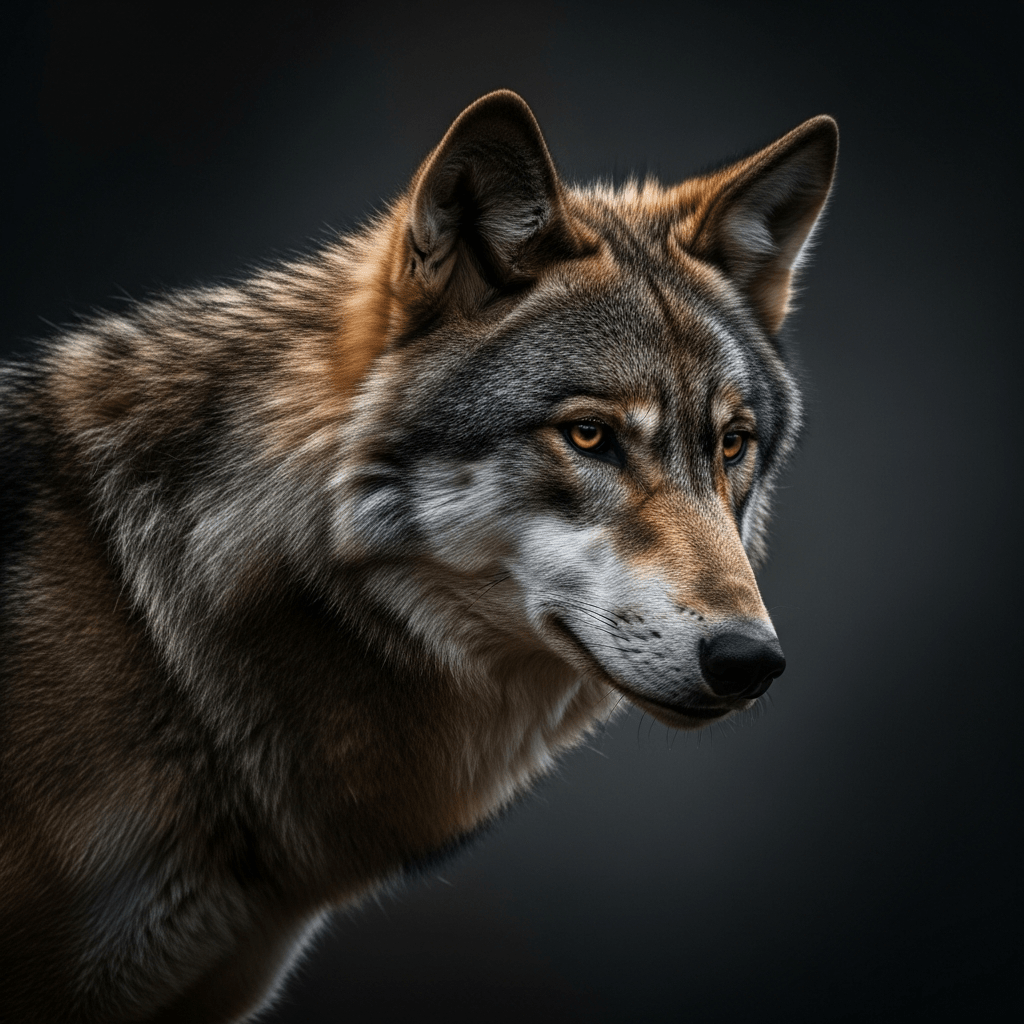
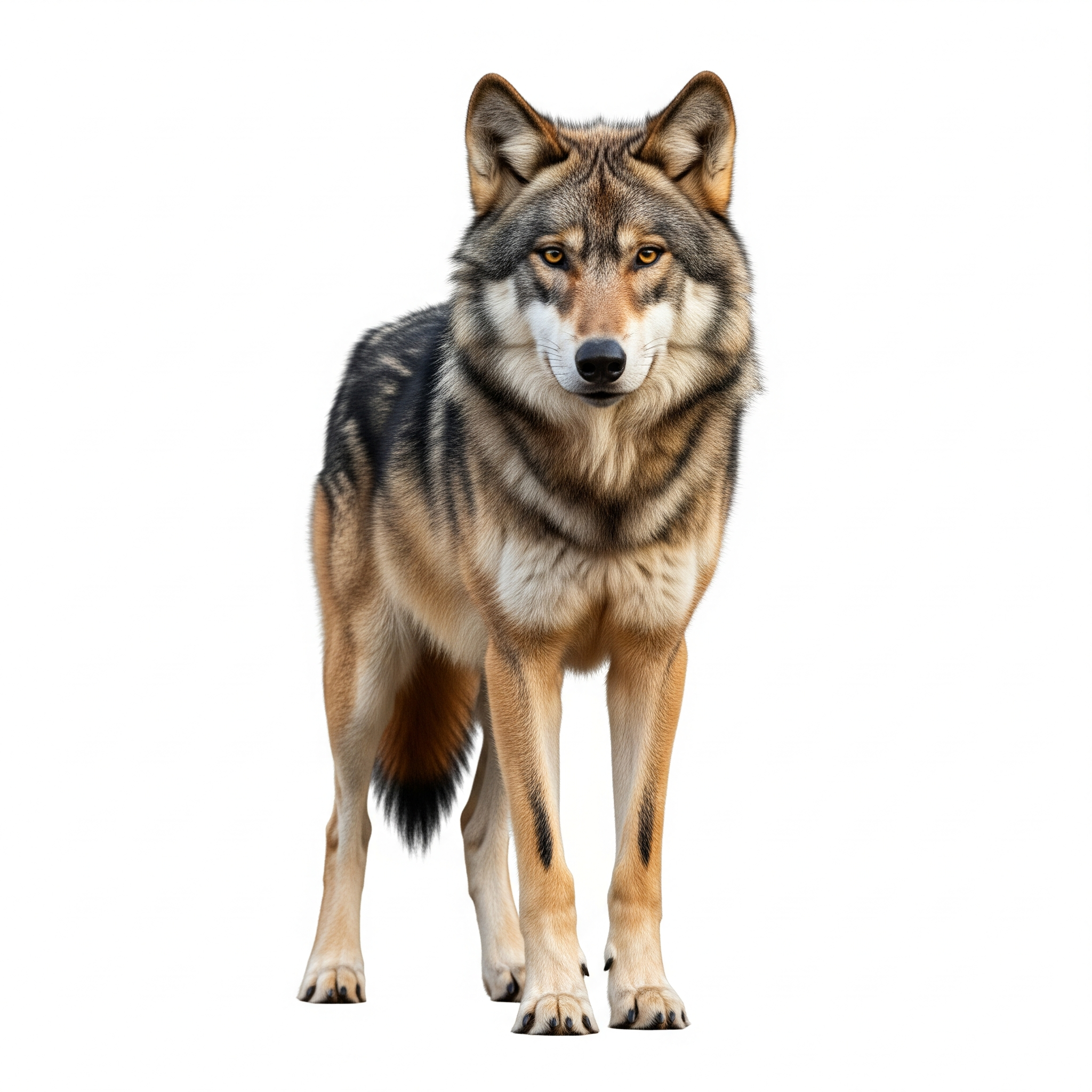
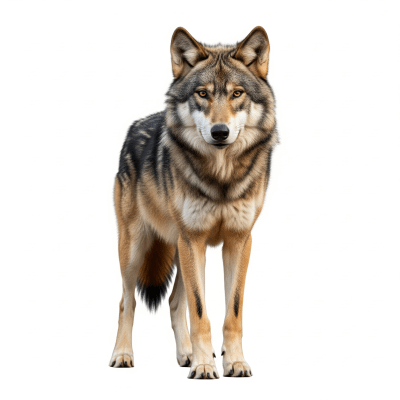
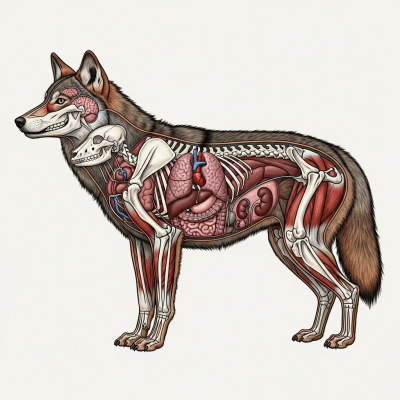
The Eastern Wolf is medium-sized and slender, typically weighing 25–40 kg and measuring 80–100 cm in length. Its coat varies from grayish-brown to reddish, often featuring a bushy tail and pointed ears. Morphologically, it bridges the gap between gray wolves and coyotes, with adaptations for stealth and agility in dense forests. Its expressive eyes and alert posture convey both intelligence and caution, suited to its role as a forest predator.
Eastern Wolves live and hunt in packs, exhibiting strong territoriality and social bonds. Their behavior is shaped by their environment: they specialize in hunting white-tailed deer and small mammals, using coordinated strategies and keen senses. As wild animals, they are not used for work or companionship, but their ecological function as apex predators helps regulate prey populations and maintain forest health.
Bring this kind into your world illustrated posters, mugs, and shirts.
Archival print, museum-grade paper
Buy Poster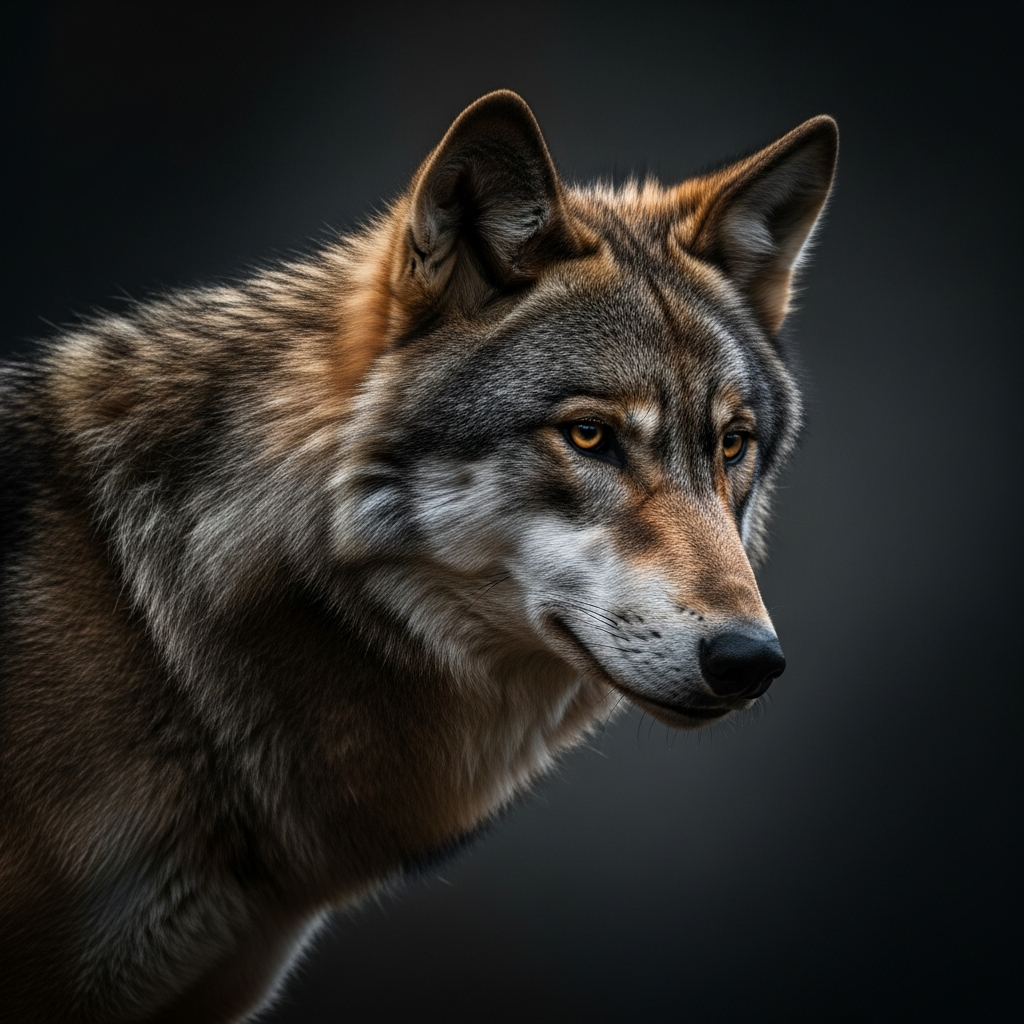
Stoneware mug, dishwasher safe
Buy Mug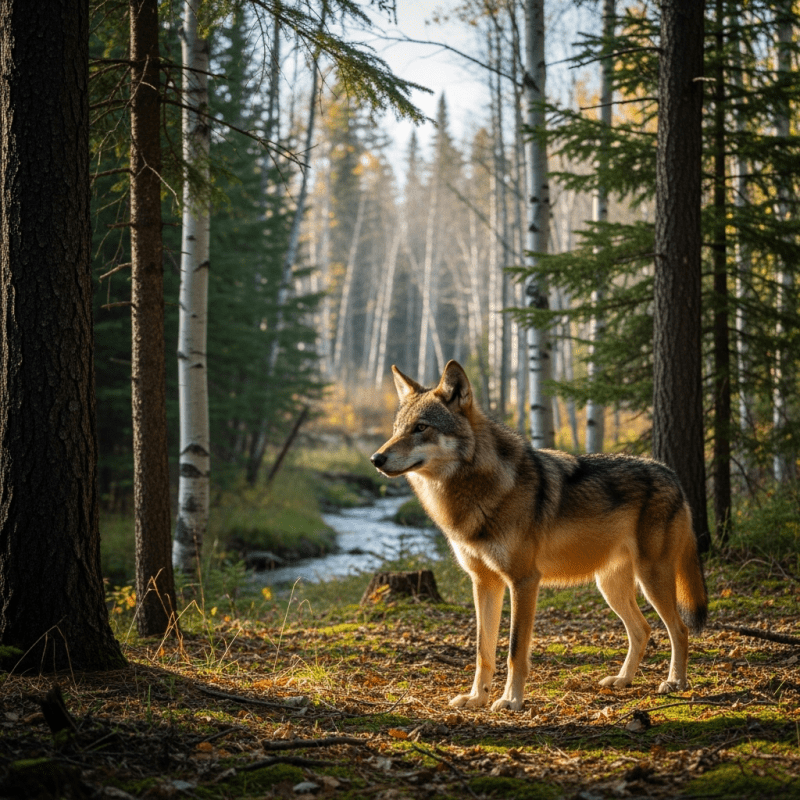
Soft cotton tee, unisex sizes
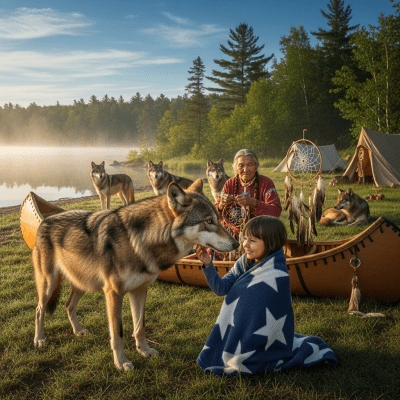
Buy ShirtThe Eastern Wolf holds cultural and ecological significance in its native regions. It is a symbol of wilderness and conservation in Ontario and Quebec, frequently featured in local folklore and environmental campaigns. Its presence attracts wildlife enthusiasts and researchers, and ongoing debates about its taxonomy underscore its importance in scientific and conservation circles.
The Eastern Wolf has never been domesticated; its evolutionary history is marked by natural admixture with gray wolves and coyotes. The broader canid family showcases a spectrum from wild species, like the Eastern Wolf, to the fully domesticated dog (Canis lupus familiaris). Domestication in canines began thousands of years ago, but the Eastern Wolf remains a wild lineage shaped by ecological pressures and genetic blending.
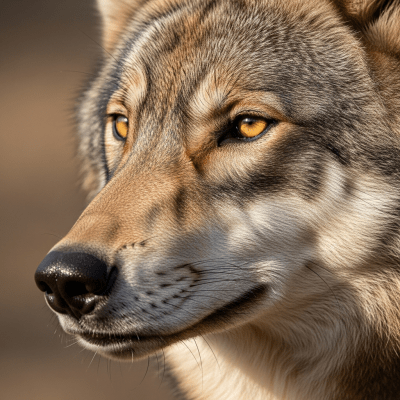

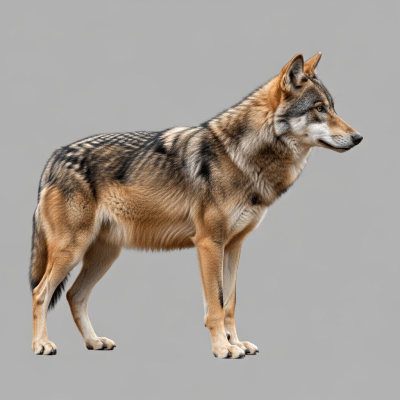
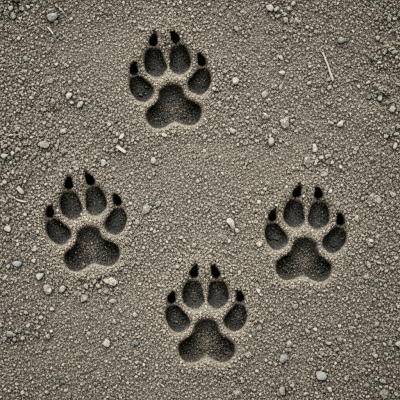
Wild canines such as the Eastern Wolf differ markedly from domesticated dogs in behavior, appearance, and lifestyle. Eastern Wolves live in packs, are territorial, and rely on hunting for survival. In contrast, domestic dogs have been selectively bred for companionship, work, and diverse traits, often living closely with humans. Wild canines are adapted to natural environments and self-sufficiency, while domestic breeds depend on human care and intervention.
The canid family encompasses a rich diversity of species and breeds, from wolves and coyotes to foxes and jackals. The Eastern Wolf stands out for its intermediate traits and debated classification. Major canid species include the gray wolf (Canis lupus), red wolf (Canis rufus), coyote (Canis latrans), and domestic dog (Canis lupus familiaris), each with distinct adaptations and roles. The Eastern Wolf’s unique genetic makeup highlights the complexity and fluidity within canid taxonomy.
As a keystone predator, the Eastern Wolf plays a crucial role in forest ecosystems. By regulating populations of white-tailed deer and small mammals, it helps maintain ecological balance and supports biodiversity. Its presence influences vegetation patterns, prey behavior, and the health of the entire ecosystem, underscoring the importance of conserving wild canines in their native habitats.
Eastern Wolves face health and welfare challenges primarily due to habitat fragmentation, hybridization with coyotes, and human encroachment. Unlike domestic dogs, they are not subject to veterinary care or managed breeding. Conservation efforts focus on preserving their habitats, maintaining genetic integrity, and mitigating threats from environmental change and human activity.
While individual Eastern Wolves are not widely known by name, the population in Algonquin Provincial Park has become emblematic of conservation success and scientific discovery. These wolves are frequently featured in wildlife documentaries, research studies, and eco-tourism, representing the enduring mystery and importance of wild canines in North America.
The Eastern Wolf is listed as a species of concern due to habitat loss, hybridization, and ongoing taxonomic uncertainty. Conservation efforts in Ontario and Quebec aim to protect its populations through habitat management, research, and public education. Its status highlights the broader challenges facing wild canines, including genetic integrity and ecosystem preservation.
Regional variants of the Eastern Wolf are recognized in Ontario and Quebec, Canada, sometimes referred to as the Algonquin Wolf or Eastern Canadian Wolf. These populations exhibit subtle differences in size, coloration, and genetic makeup, reflecting adaptation to local environments and historical admixture. Taxonomic classification may vary by region, further complicating conservation and research efforts.