
Domestic Dog
The domestic dog (Canis lupus familiaris) is the most widespread and culturally significant member of the canine family, renowned for its extraordinary diversity and close bond with humans across every inhabited continent.
The domestic dog (Canis lupus familiaris) is the most widespread and culturally significant member of the canine family, renowned for its extraordinary diversity and close bond with humans across every inhabited continent.
Domestic dogs trace their origins to the gray wolf (Canis lupus), having been domesticated through a gradual process beginning at least 15,000 to 40,000 years ago. Archaeological and genetic evidence suggests multiple domestication events occurred across Eurasia, though the exact origins remain diffuse and ancient, predating recorded history.
Belonging to the family Canidae, the domestic dog is classified as a subspecies of the gray wolf, scientifically named Canis lupus familiaris. This places it within the genus Canis, alongside wolves, coyotes, and jackals, distinguishing it as a domesticated member of this diverse carnivorous family.
Dogs exhibit unparalleled physical variation within canines, ranging from the tiny Chihuahua weighing around 2 kilograms to the enormous English Mastiff, which can reach up to 100 kilograms. Their coats vary widely in color, pattern, and texture, complemented by diverse ear shapes, tail forms, and body proportions. Lifespans typically span 10 to 15 years, though this varies by breed.
Domestic dogs serve a multitude of roles, including companionship, herding, hunting, guarding, and assistance to humans. Their behavioral adaptability and trainability have made them invaluable partners in law enforcement, therapy, and sport. Their omnivorous diet and social nature further enhance their integration into human environments.
Bring this kind into your world illustrated posters, mugs, and shirts.

Archival print, museum-grade paper
Buy Poster
Stoneware mug, dishwasher safe
Buy Mug
Soft cotton tee, unisex sizes
Buy ShirtDogs hold a profound place in human culture, symbolizing loyalty, protection, and companionship. They appear extensively in art, mythology, and folklore worldwide, and continue to shape modern life through roles in therapy, service, and as beloved pets, reflecting a unique interspecies relationship forged over millennia.
The domestic dog encompasses a vast array of breeds, each developed for specific traits and functions. From small companion breeds like the Chihuahua to large working breeds such as the Saint Bernard, these varieties differ in size, coat, temperament, and abilities. Breed organizations worldwide, including the American Kennel Club and Fédération Cynologique Internationale, maintain detailed lineage records and standards.


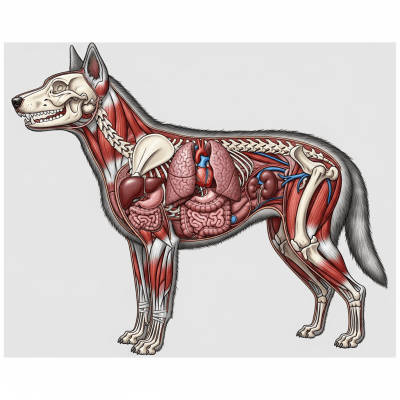





Domestic dogs are found on every inhabited continent, thriving in diverse environments from urban centers to rural areas. Their distribution is entirely shaped by human settlement and activity, making them the most globally widespread member of the canine family.
Health concerns in dogs vary by breed but commonly include genetic disorders, dental issues, and obesity. Proper care involves balanced nutrition, regular veterinary check-ups, vaccinations, and exercise. Advances in veterinary medicine have significantly improved lifespan and quality of life for many breeds.
Dogs are highly trainable animals, responding well to positive reinforcement and consistent routines. Training typically focuses on obedience, socialization, and specialized skills depending on breed and purpose. Behavioral traits vary widely but generally include strong social bonds, intelligence, and adaptability.
As a domesticated subspecies, the domestic dog does not face conservation threats. However, its wild relatives within the Canidae family, such as wolves and some fox species, are subject to various conservation efforts worldwide due to habitat loss and human conflict.