
Dire Wolf
The dire wolf (Aenocyon dirus) was a large, extinct member of the canine family, famed for its robust build and powerful jaws, that thrived across the Americas during the Late Pleistocene.
The dire wolf (Aenocyon dirus) was a large, extinct member of the canine family, famed for its robust build and powerful jaws, that thrived across the Americas during the Late Pleistocene.
First described in 1858 from North American fossils, the dire wolf emerged as a distinct canid lineage during the Late Pleistocene, with its remains found from Canada to South America. It lived from approximately 250,000 to 13,000 years ago, disappearing at the end of the last Ice Age. Notably, it is not a direct ancestor of modern wolves, but represents a separate evolutionary branch within the Canidae family.
The dire wolf belongs to the family Canidae but is now classified in the genus Aenocyon rather than Canis. This places it alongside other canids such as wolves, foxes, and jackals, yet genetic studies confirm it was only distantly related to the modern gray wolf (Canis lupus). Two subspecies have been proposed—Aenocyon dirus dirus and Aenocyon dirus guildayi—based on regional fossil differences.
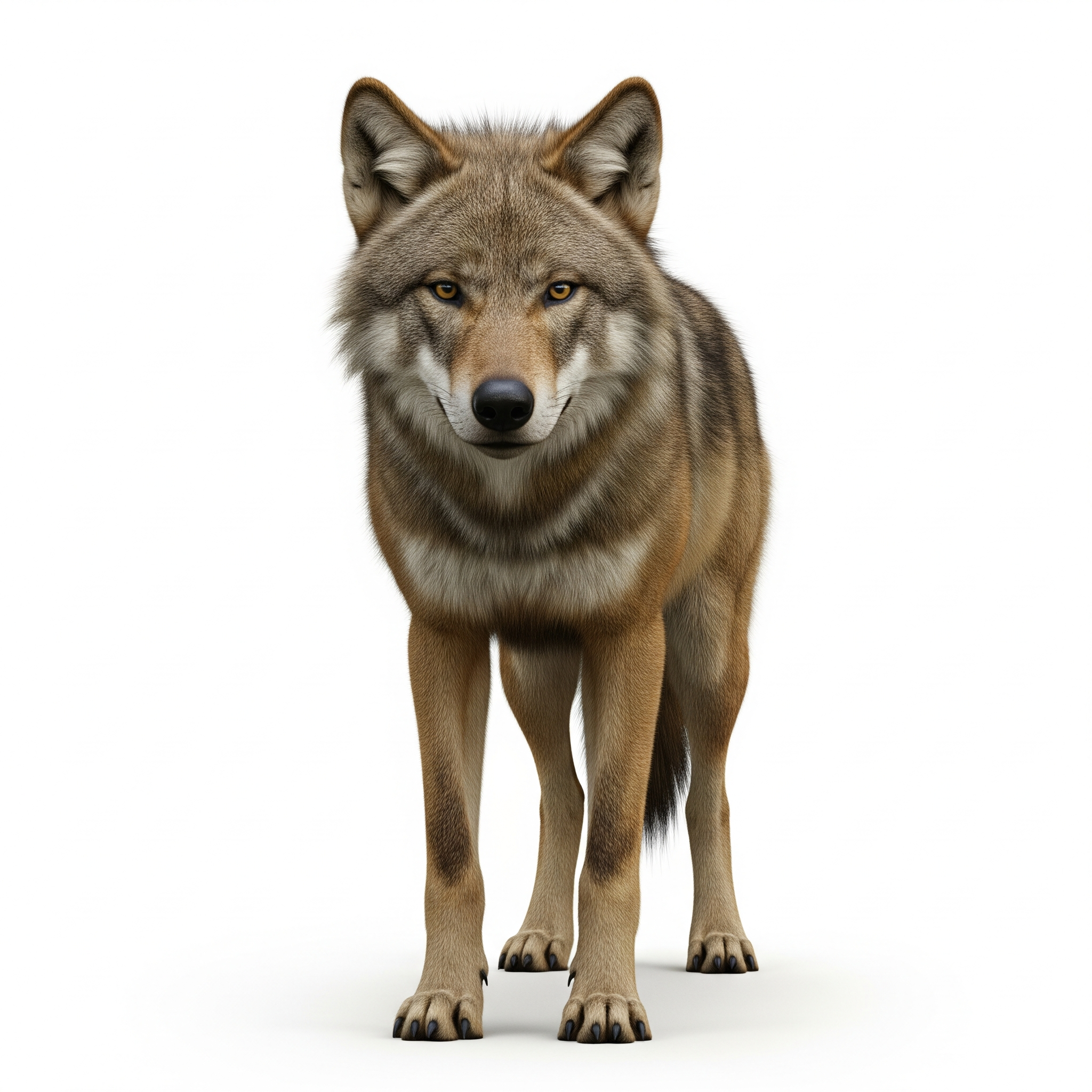
Dire wolves were imposing animals, weighing between 50–70 kg (110–154 lbs), with some individuals possibly exceeding 80 kg (176 lbs). They featured broad skulls, massive jaws, and large carnassial teeth, all adapted for crushing bone and tearing flesh. Their limbs were short and sturdy, suited to ambush hunting rather than long chases. While their coat color and pattern remain unknown, their skeletal remains convey a sense of formidable strength and predatory capability.
Dire wolves are believed to have lived and hunted in social packs, much like modern wolves, with rapid juvenile growth inferred from bone studies. Their powerful jaws and teeth suggest a diet focused on large prey and scavenging, often competing with other Ice Age predators. Unlike domestic dogs, dire wolves were strictly wild and never domesticated, interacting with prehistoric humans mainly as competitors or scavengers.
Bring this kind into your world illustrated posters, mugs, and shirts.
Archival print, museum-grade paper
Buy Poster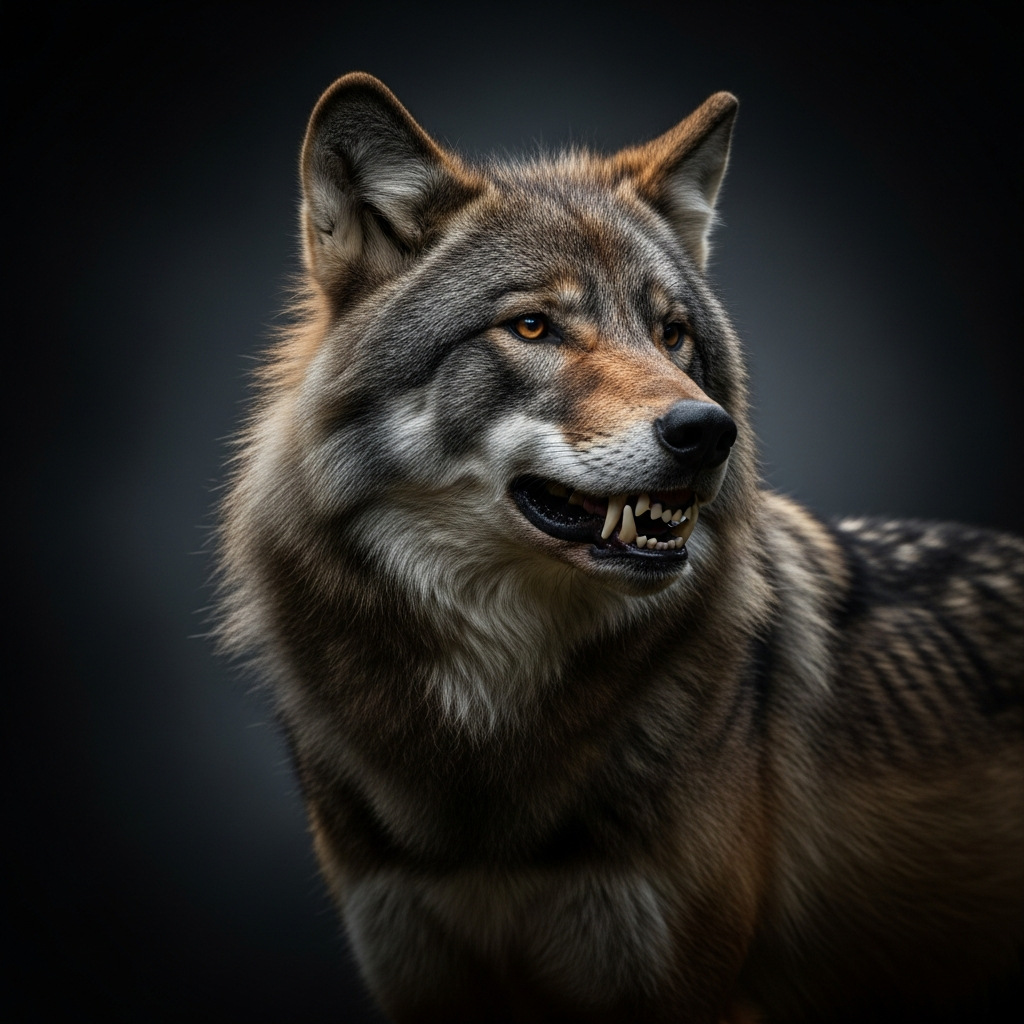
Stoneware mug, dishwasher safe
Buy Mug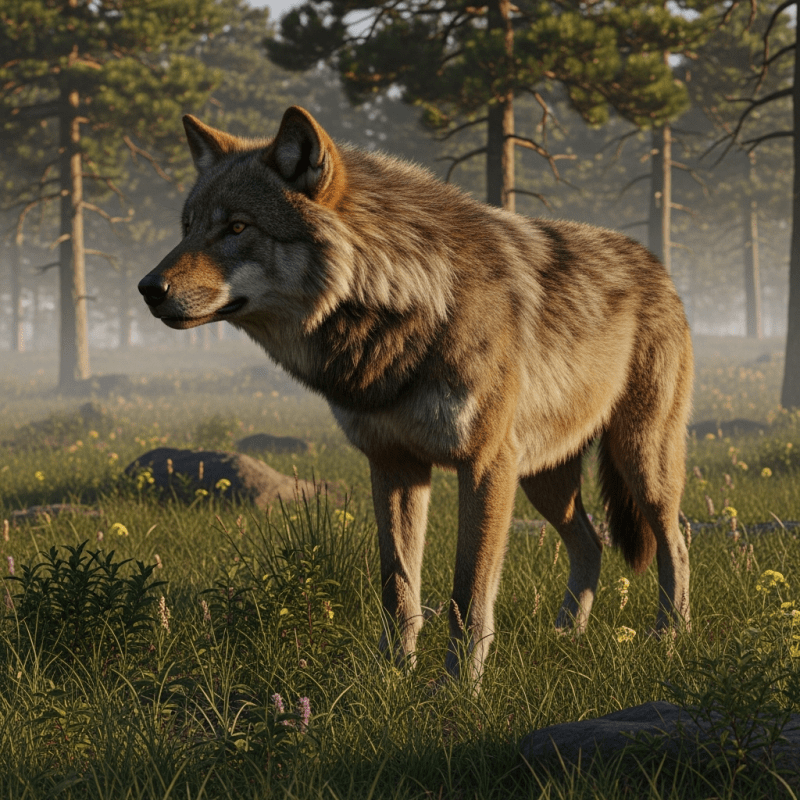
Soft cotton tee, unisex sizes
Buy ShirtThough extinct for thousands of years, the dire wolf has captured the modern imagination, appearing in literature, television, and popular culture—most famously as the sigil animal in "Game of Thrones." Its fossil remains, especially those from the La Brea Tar Pits, have contributed to scientific understanding and public fascination with Ice Age megafauna. The dire wolf symbolizes both the mystery of extinction and the enduring allure of prehistoric predators.
Unlike domestic dogs, dire wolves were never domesticated. Their lineage diverged from other canids long before the domestication of the gray wolf, which led to modern dogs. Evolutionary studies show dire wolves adapted to the Ice Age environment with powerful jaws and robust bodies, but ultimately failed to survive the rapid ecological changes at the end of the Pleistocene.
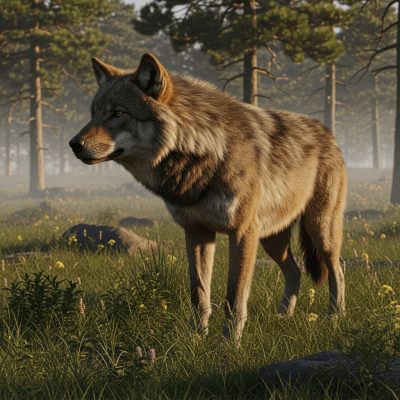
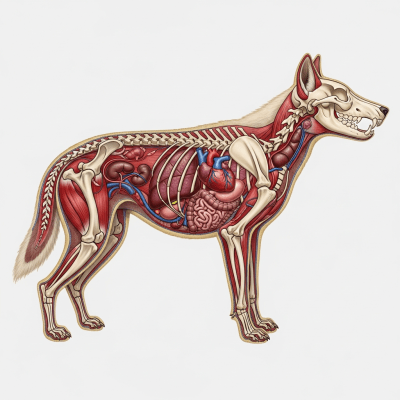
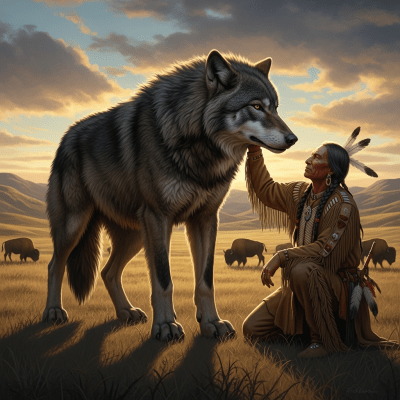
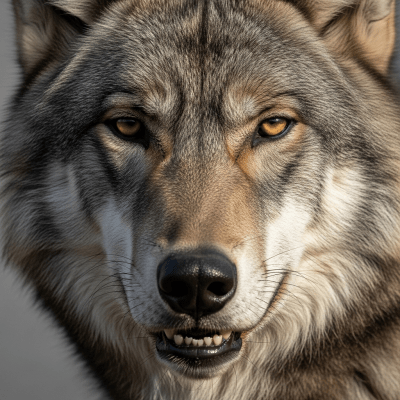
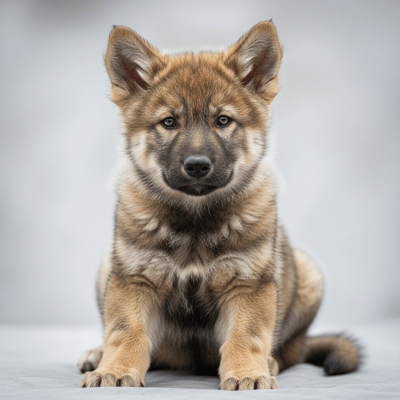
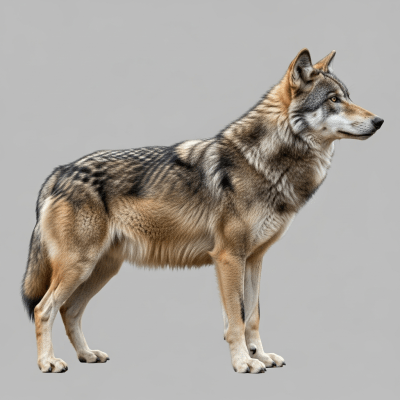
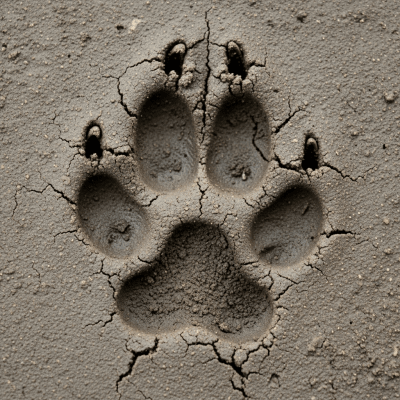
Dire wolves exemplify the wild canid: large, social, and adapted for hunting big prey. In contrast, domesticated dogs have evolved alongside humans, developing a wide range of sizes, temperaments, and behaviors suited to companionship and utility. Dire wolves lacked the behavioral flexibility and tameness that characterize domestic breeds, living strictly as apex predators in untamed environments.
Within the genus Aenocyon, the dire wolf is the sole recognized species, with two proposed subspecies based on fossil geography. Unlike domestic dogs, which encompass hundreds of breeds, dire wolves showed limited regional variation. Their closest living relatives are other members of the Canidae family, though genetic studies confirm they were only distantly related to modern wolves and coyotes.
As apex predators, dire wolves played a crucial role in Pleistocene ecosystems, hunting large herbivores and scavenging carcasses. Their presence helped regulate prey populations and influenced the dynamics of other carnivores, including saber-toothed cats and American lions. The extinction of the dire wolf marked a significant shift in North and South American predator communities.
Dire wolves, like other large carnivores, faced challenges such as injury, disease, and competition for food. Fossil evidence shows healed fractures and signs of wear, suggesting social care within packs. As an extinct species, welfare concerns are historical, but their fate underscores the vulnerability of large predators to environmental change and prey loss.
While individual dire wolves are not known by name, their collective legacy is preserved through thousands of fossils, especially those unearthed at the La Brea Tar Pits. In modern culture, dire wolves have achieved fame as symbolic creatures in fiction, notably in "Game of Thrones," where they represent loyalty, strength, and the wild past.
The dire wolf is extinct, having vanished approximately 13,000 years ago. Its extinction predates modern conservation efforts and is not assessed by the IUCN Red List. The loss of the dire wolf highlights the impact of climate change, habitat alteration, and prey decline on large carnivores, informing current conservation strategies for living canids.
While dire wolves ranged widely across North and South America, regional variation was minimal. Two subspecies have been proposed—Aenocyon dirus dirus in eastern North America and Aenocyon dirus guildayi in the west—based on subtle differences in fossil morphology. No living regional variants exist, but fossil sites like the La Brea Tar Pits provide rich insights into their distribution and adaptation.