Dhole
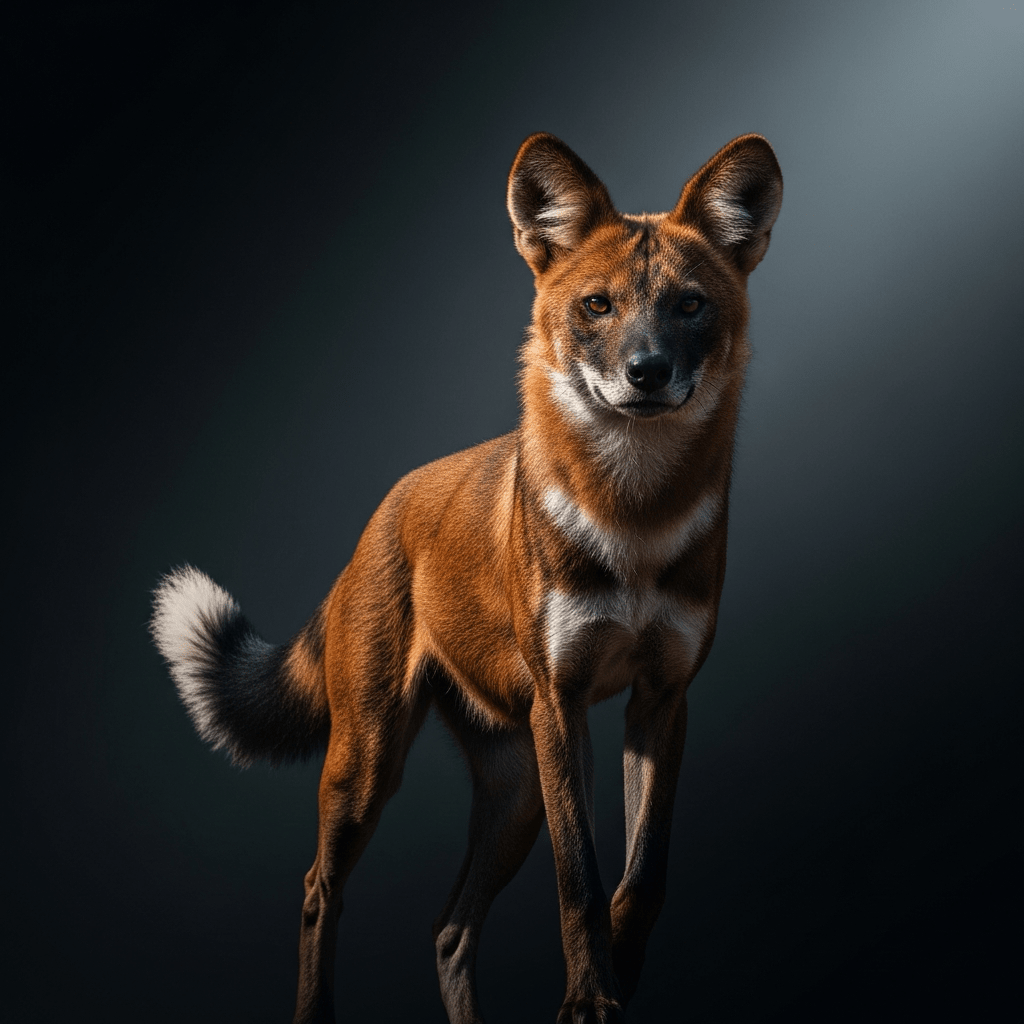
The dhole (Cuon alpinus), also called the Asiatic wild dog, is a social canid native to Asia, recognized for its reddish coat, bushy tail, and complex pack hunting behavior.
The dhole (Cuon alpinus), also called the Asiatic wild dog, is a social canid native to Asia, recognized for its reddish coat, bushy tail, and complex pack hunting behavior.
First scientifically described by Peter Simon Pallas in 1811, the dhole represents a unique lineage within the genus Cuon. Fossil records trace its ancestors back to the Pleistocene epoch, showing divergence from other canids and a historical range spanning much of Eurasia.
The dhole belongs to the family Canidae and is the sole species within the genus Cuon. It is monotypic, with no recognized subspecies, distinguishing it taxonomically from other wild canids such as wolves, foxes, and jackals.
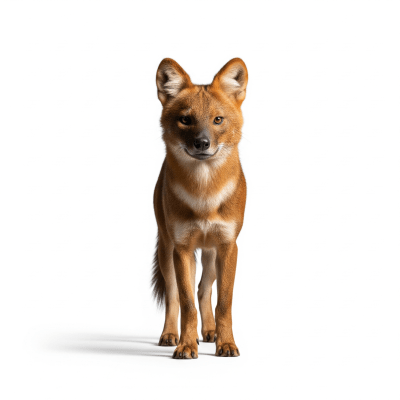
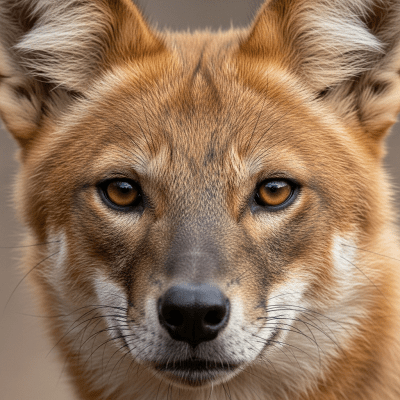
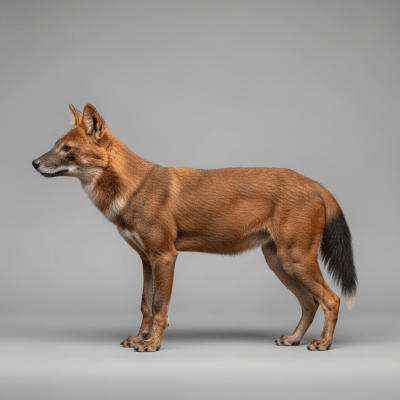
Medium-sized and slender, dholes weigh between 12 and 20 kilograms and measure 90 to 110 centimeters in body length, with a bushy tail adding another 40 to 45 centimeters. Their short, dense coat is a striking reddish hue with lighter underparts, complemented by rounded ears and a black-tipped tail. Their dentition is specialized for a hypercarnivorous diet.
Dholes are highly social, living in packs typically ranging from five to twelve members, occasionally forming groups up to forty. They are diurnal hunters known for cooperative strategies that allow them to take down large prey like deer and wild boar. Their adaptability spans forests, grasslands, and mountainous terrain, supported by notable stamina and climate tolerance.
Bring this kind into your world illustrated posters, mugs, and shirts.
Archival print, museum-grade paper
Buy Poster
Stoneware mug, dishwasher safe
Buy Mug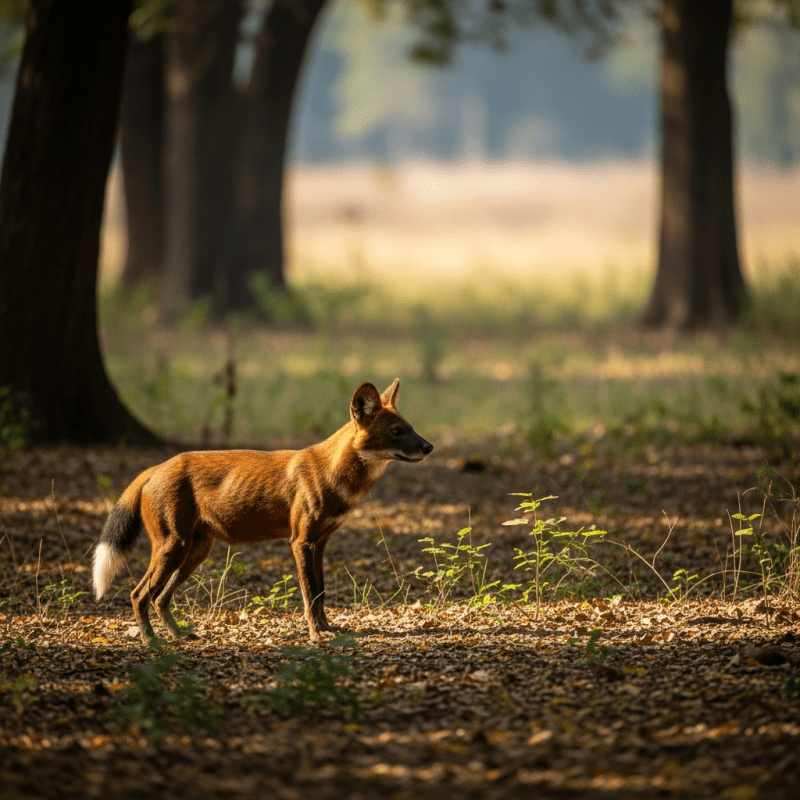
Soft cotton tee, unisex sizes
Buy ShirtWhile not domesticated or widely featured in popular culture, dholes hold ecological importance as apex predators. They are known locally by various names such as 'raksha' in Hindi and 'kuon' in Thai, and their distinctive vocalizations have earned them the nickname 'whistling dog' in some regions.
The dhole is monotypic, with no recognized subspecies or distinct breeds. Its genetic and morphological uniformity sets it apart from other canids that have multiple subspecies or breeds.
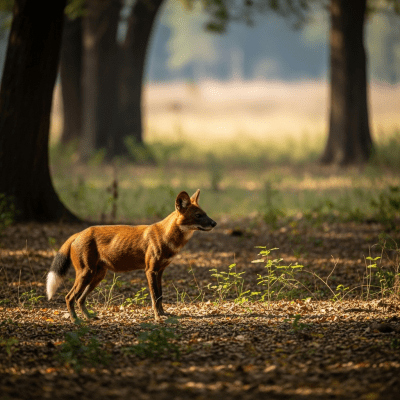



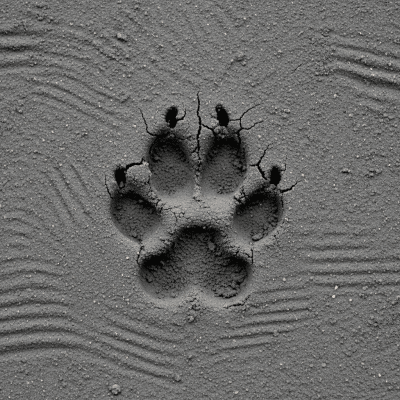
Dholes are native to Asia, ranging across forested and mountainous areas as well as grasslands. Historically widespread across Eurasia, their current distribution is more fragmented due to habitat loss and human pressures.
In the wild, dholes face health challenges primarily from diseases transmitted by domestic dogs, such as canine distemper and rabies. Habitat fragmentation also stresses populations, but no direct human care or veterinary management exists due to their wild status.
Dholes are naturally social and cooperative, relying on pack dynamics rather than human training. Their behavior centers on coordinated hunting, territorial defense, and complex vocal communication, with no history of domestication or training by humans.
The dhole is currently listed as endangered, facing threats from habitat fragmentation, disease transmission from domestic dogs, and competition with other apex predators. Conservation efforts focus on habitat protection, reducing human-wildlife conflict, and monitoring populations to preserve this keystone species.