Darwin's Fox
Darwin's Fox (Lycalopex fulvipes) is a small, critically endangered canid native to southern Chile, renowned for its dark fur, elusive nature, and vital role in temperate rainforest ecosystems.
Darwin's Fox (Lycalopex fulvipes) is a small, critically endangered canid native to southern Chile, renowned for its dark fur, elusive nature, and vital role in temperate rainforest ecosystems.
First described in 1892 by zoologist Oldfield Thomas, Darwin's Fox was named in honor of Charles Darwin, who collected a specimen during his voyage on the HMS Beagle in 1834. This species represents a unique lineage within South American foxes, having evolved in isolation within Chile's dense forests. Unlike domesticated canines, Darwin's Fox has no history of breeding or cultivation, remaining a truly wild species shaped by its environment.
Darwin's Fox belongs to the family Canidae, which encompasses all canines, including dogs, wolves, and foxes. Its scientific classification is Lycalopex fulvipes, placing it within the genus Lycalopex—a group of South American foxes. Despite its common name, it is genetically and morphologically distinct from the South American gray fox (Lycalopex griseus), highlighting the diversity within the canid family.
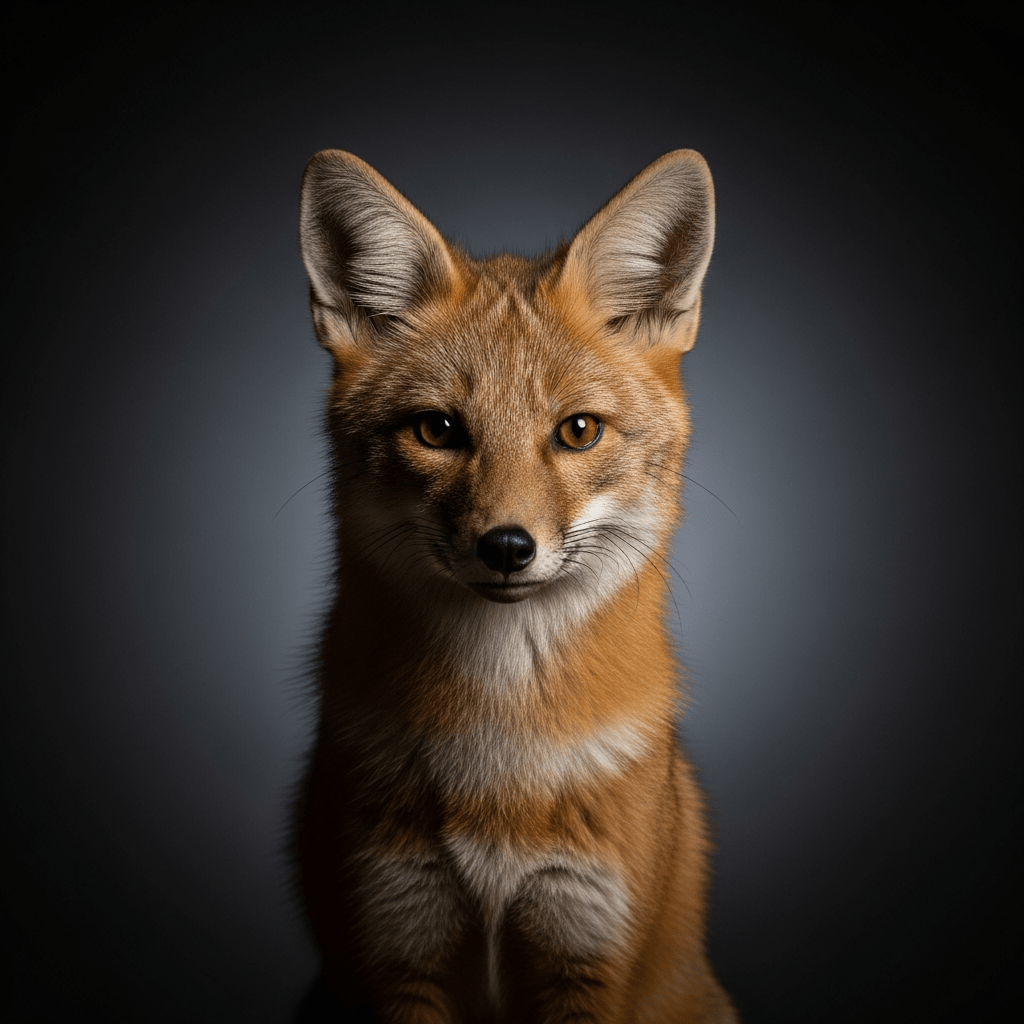
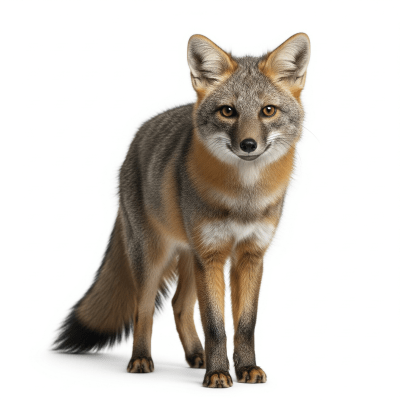
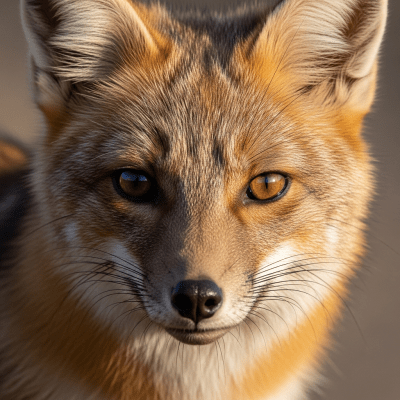
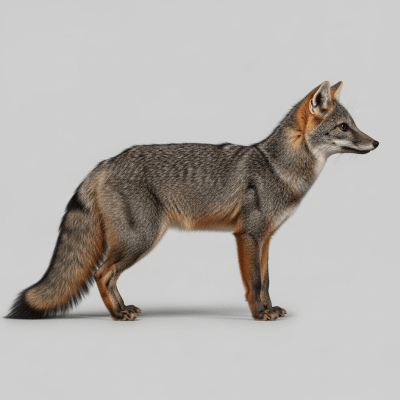
Darwin's Fox is notably small, with adults weighing between 2 and 4 kilograms and measuring 48–59 cm in body length, plus a bushy tail of 20–25 cm. Its striking coat is predominantly dark gray to black, accented by reddish hues on the legs and face. The dense fur and compact build are well-suited for life in the cool, humid forests of southern Chile, giving the fox a shadowy, almost mystical appearance as it moves quietly through undergrowth.
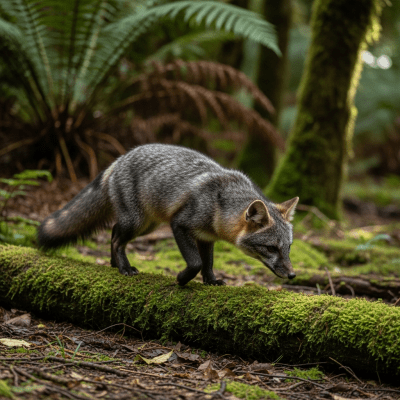
Elusive and solitary, Darwin's Fox is primarily crepuscular—most active at dawn and dusk. It thrives in dense temperate rainforests, relying on stealth and agility to hunt small mammals, birds, insects, and forage for fruits. Unlike many other canids, it has no history of domestication or use by humans; its ecological value lies in its role as a predator and seed disperser, contributing to forest health and biodiversity.
Bring this kind into your world illustrated posters, mugs, and shirts.
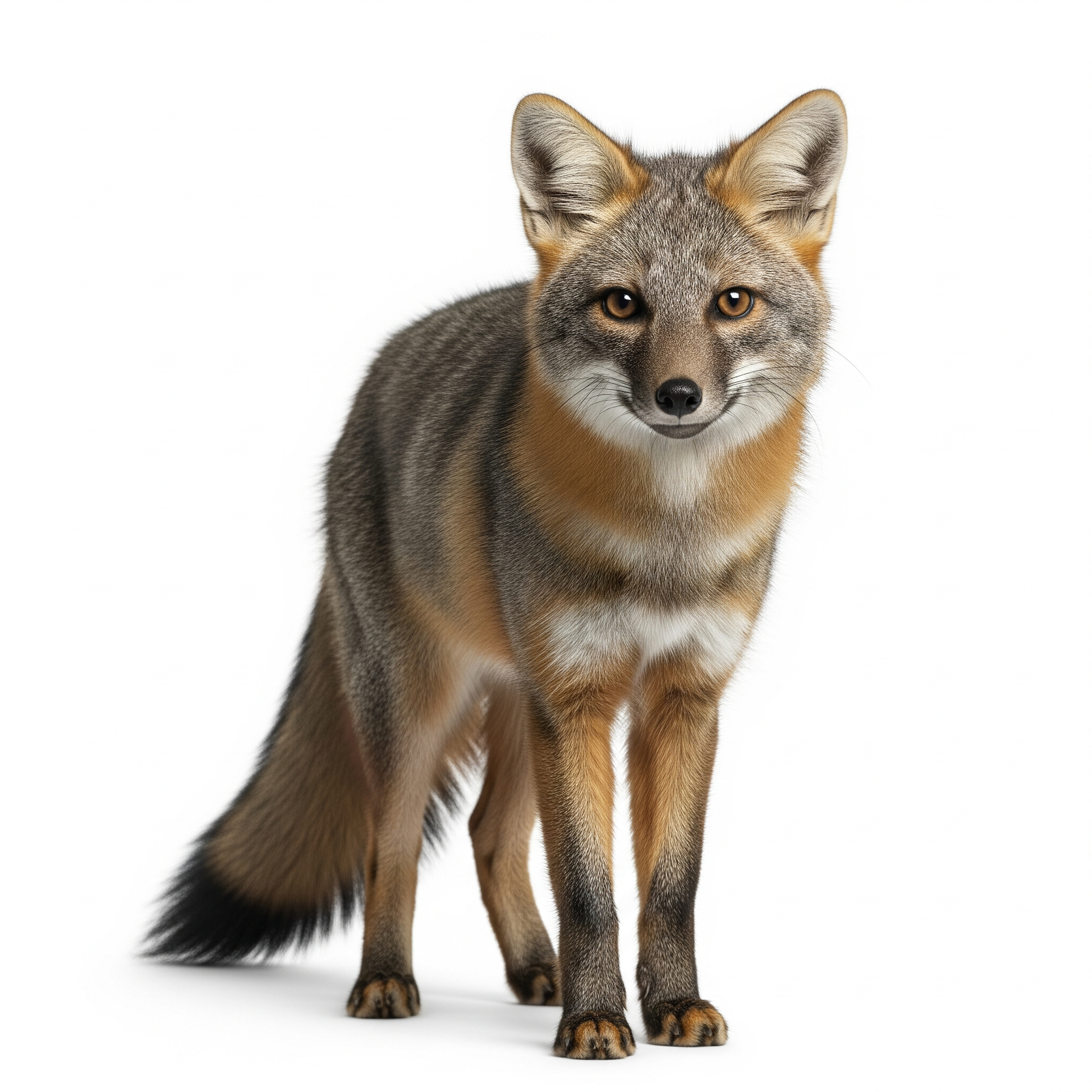
Archival print, museum-grade paper
Buy Poster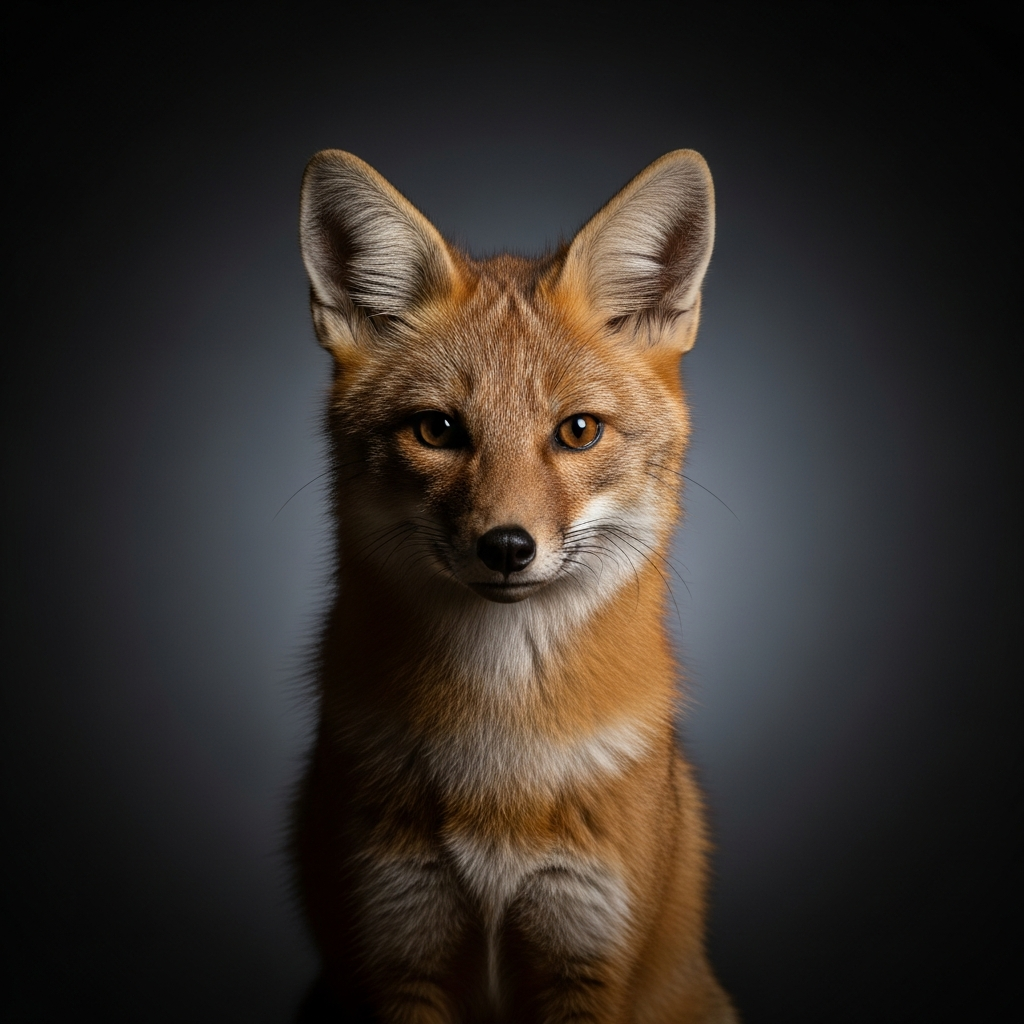
Stoneware mug, dishwasher safe
Buy Mug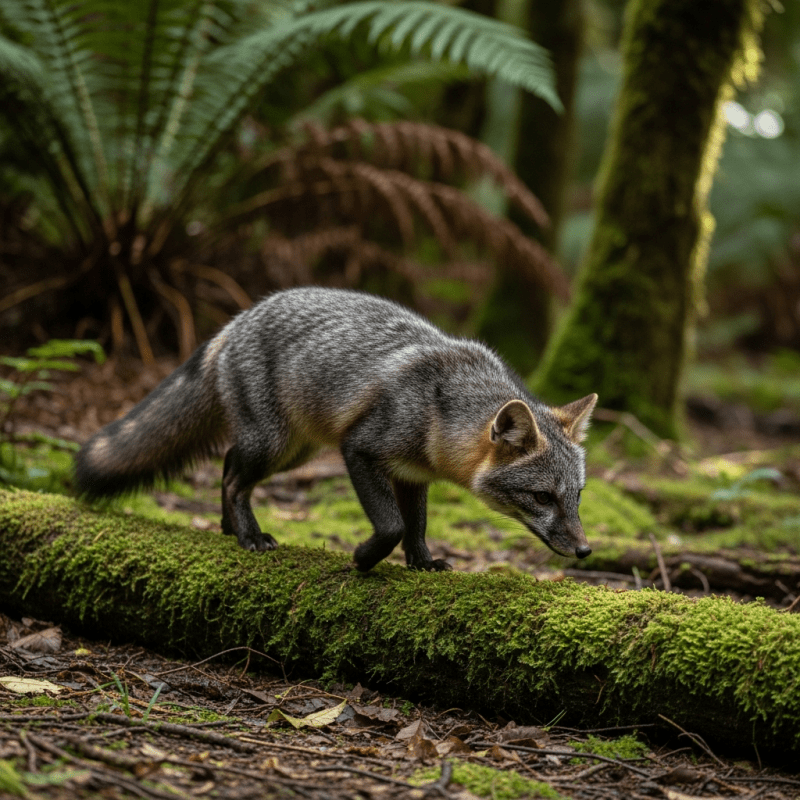
Soft cotton tee, unisex sizes
Buy ShirtDarwin's Fox holds symbolic importance in Chile, often seen as an emblem of the country's unique wildlife and conservation challenges. Its association with Charles Darwin adds historical and scientific prestige, while its rarity and vulnerability have made it a flagship species for environmental campaigns. Locally, it is known as "Zorro de Darwin" or "Zorro Chilote," and features in regional folklore as a mysterious inhabitant of ancient forests.
Darwin's Fox is a wild species with no history of domestication. Its evolutionary lineage diverged within the genus Lycalopex, adapting to the unique conditions of Chile's temperate rainforests. Unlike domestic dogs, which evolved through selective breeding, Darwin's Fox remains a product of natural selection, shaped by its environment and ecological pressures.


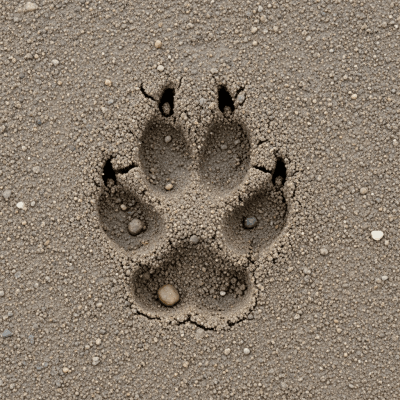
Wild canines like Darwin's Fox differ markedly from domesticated dogs. While domestic dogs have been bred for companionship and utility, Darwin's Fox is solitary, elusive, and entirely adapted to forest life. It relies on instinct and camouflage rather than human interaction, and its survival depends on the integrity of its natural habitat rather than human care.
Within the genus Lycalopex, Darwin's Fox stands out for its restricted range and distinctive dark coloration. South American foxes include several species, such as the South American gray fox (Lycalopex griseus) and the culpeo (Lycalopex culpaeus), but Darwin's Fox is unique for its forest specialization and genetic distinctiveness. No breeds exist for this species, as it has never been domesticated or selectively bred.
Darwin's Fox plays a crucial role in its ecosystem as both predator and seed disperser. By controlling populations of small mammals and insects, it helps maintain ecological balance within the rainforest. Its foraging habits also contribute to the dispersal of seeds, supporting forest regeneration and biodiversity.
As a wild species, Darwin's Fox faces threats from habitat loss, disease transmission from domestic animals, and competition for resources. Conservation efforts focus on protecting its habitat and minimizing human impact. Unlike domestic dogs, it does not receive veterinary care or managed nutrition, making its welfare closely tied to the health of its environment.
Darwin's Fox itself is a notable species, immortalized by its connection to Charles Darwin and recognized as a symbol of Chilean wildlife. While individual foxes are rarely named or tracked in popular culture, the species as a whole is celebrated in scientific literature and conservation campaigns.
Darwin's Fox is classified as Critically Endangered by the IUCN Red List, with fewer than 1,000 individuals remaining. Conservation initiatives focus on habitat protection, research, and public awareness to prevent extinction. Its limited distribution and ongoing threats make it a priority for conservation in South America.
Regional populations of Darwin's Fox are found in Nahuelbuta National Park and on Chiloé Island, Chile. These populations are geographically isolated, and while they share core traits, subtle differences may exist due to local adaptation. The species is sometimes confused with the South American gray fox, but remains genetically and morphologically distinct, emphasizing the importance of regional conservation strategies.