Culpeo
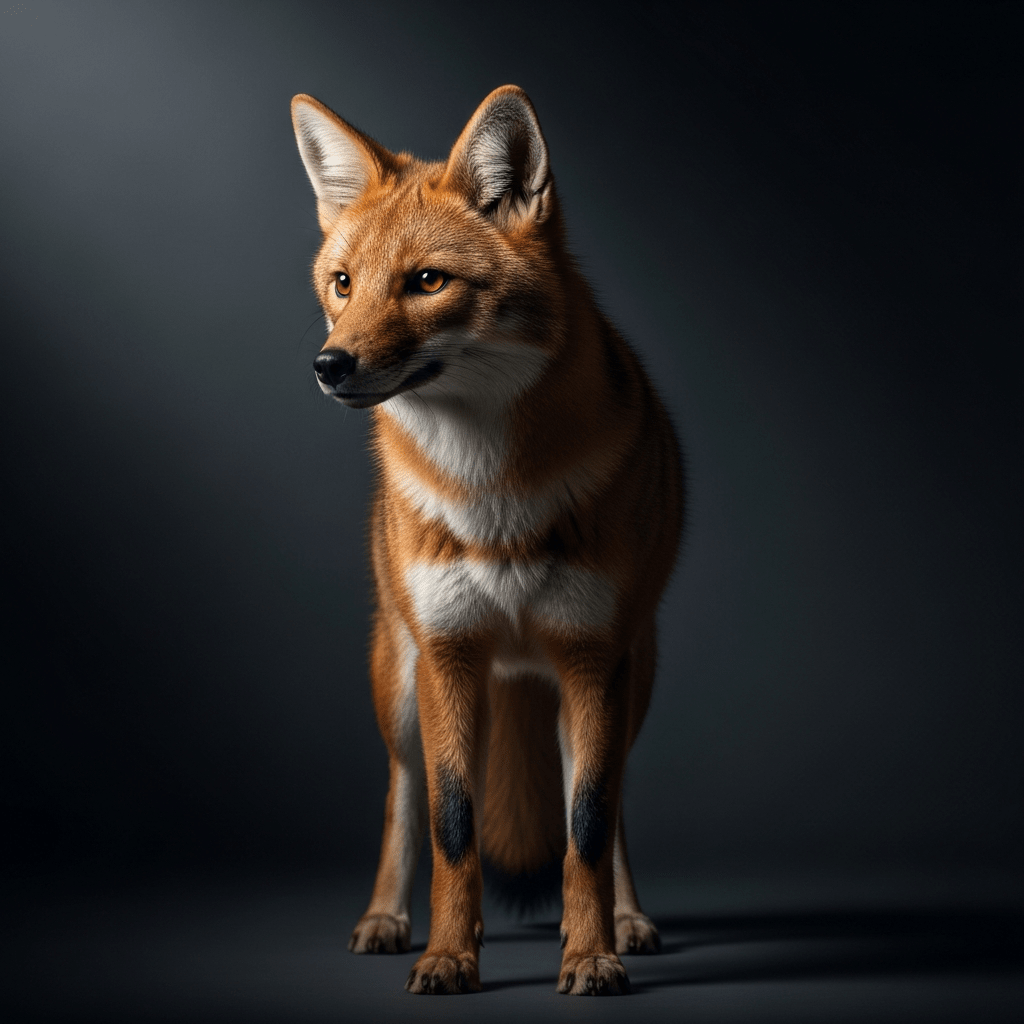
The Culpeo (Lycalopex culpaeus) is a striking South American canid known for its reddish-grey fur, bushy tail, and role as a top predator across diverse Andean and lowland habitats.
The Culpeo (Lycalopex culpaeus) is a striking South American canid known for its reddish-grey fur, bushy tail, and role as a top predator across diverse Andean and lowland habitats.
First described by Molina in 1782, the Culpeo’s scientific journey began in the rugged landscapes of Chile, its type locality. Belonging to the genus Lycalopex, the Culpeo is part of a lineage of South American foxes, with no history of domestication or hybridization. Populations have thrived in the wild for centuries, adapting to the varied environments of the Andes and surrounding regions.
The Culpeo is classified within the family Canidae, genus Lycalopex, and species Lycalopex culpaeus. As a member of the South American foxes, it stands apart from true foxes (Vulpes) and wolves (Canis), representing a distinct evolutionary branch within the canid family. Several subspecies are recognized, reflecting its wide geographic range and regional adaptations.
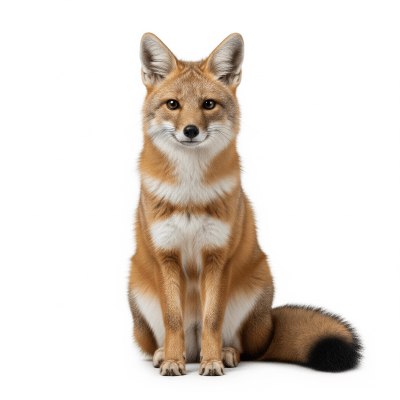
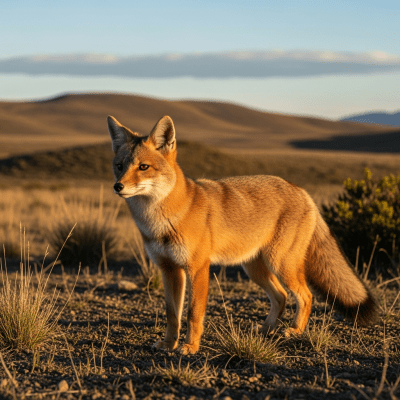
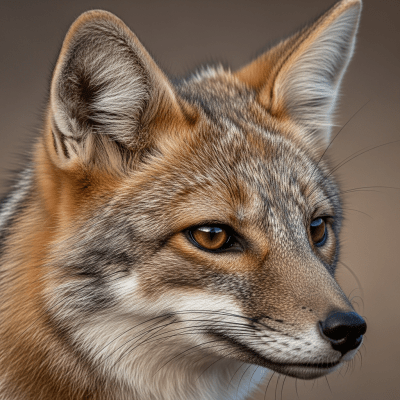
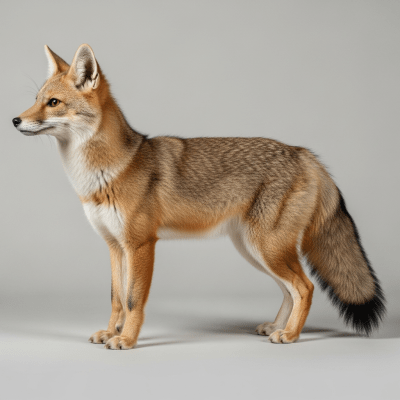
Robust and fox-like, the Culpeo measures 60–120 cm in body length with a bushy tail of 30–45 cm, tipped in black. Its coat blends grey, reddish, and tawny hues, creating a striking and variable pelage that shifts with region and subspecies. The broad head, powerful jaws, and keen eyes give it a formidable presence, while its thick fur provides insulation against harsh mountain climates.
The Culpeo is an adaptable, opportunistic predator, hunting rodents, birds, reptiles, and occasionally livestock. It lives solitarily or in small family groups, displaying keen intelligence and stealth. Its predatory habits play a vital role in controlling rodent populations, indirectly benefiting agriculture. While not domesticated, the Culpeo’s ecological impact is felt throughout its range.
Bring this kind into your world illustrated posters, mugs, and shirts.
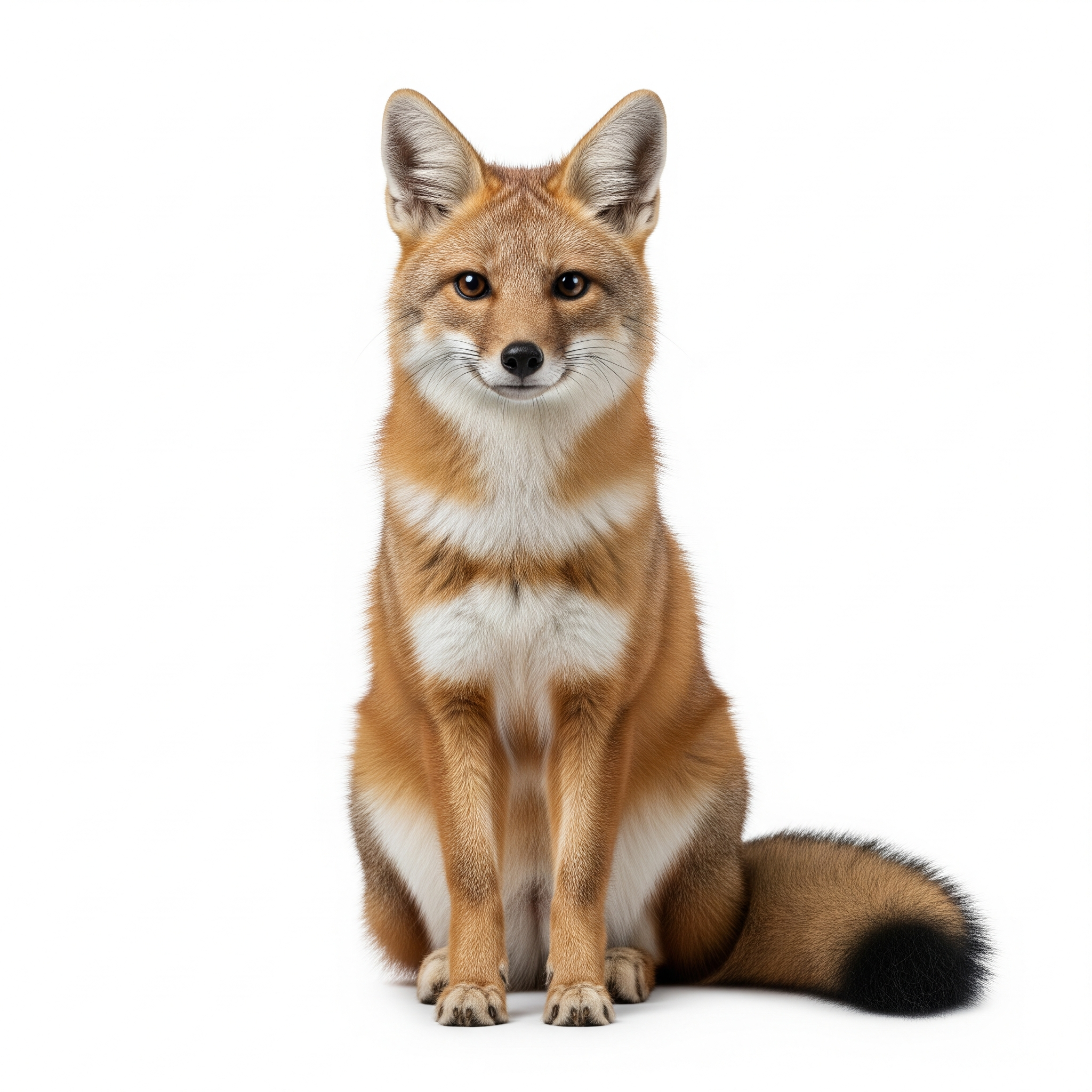
Archival print, museum-grade paper
Buy Poster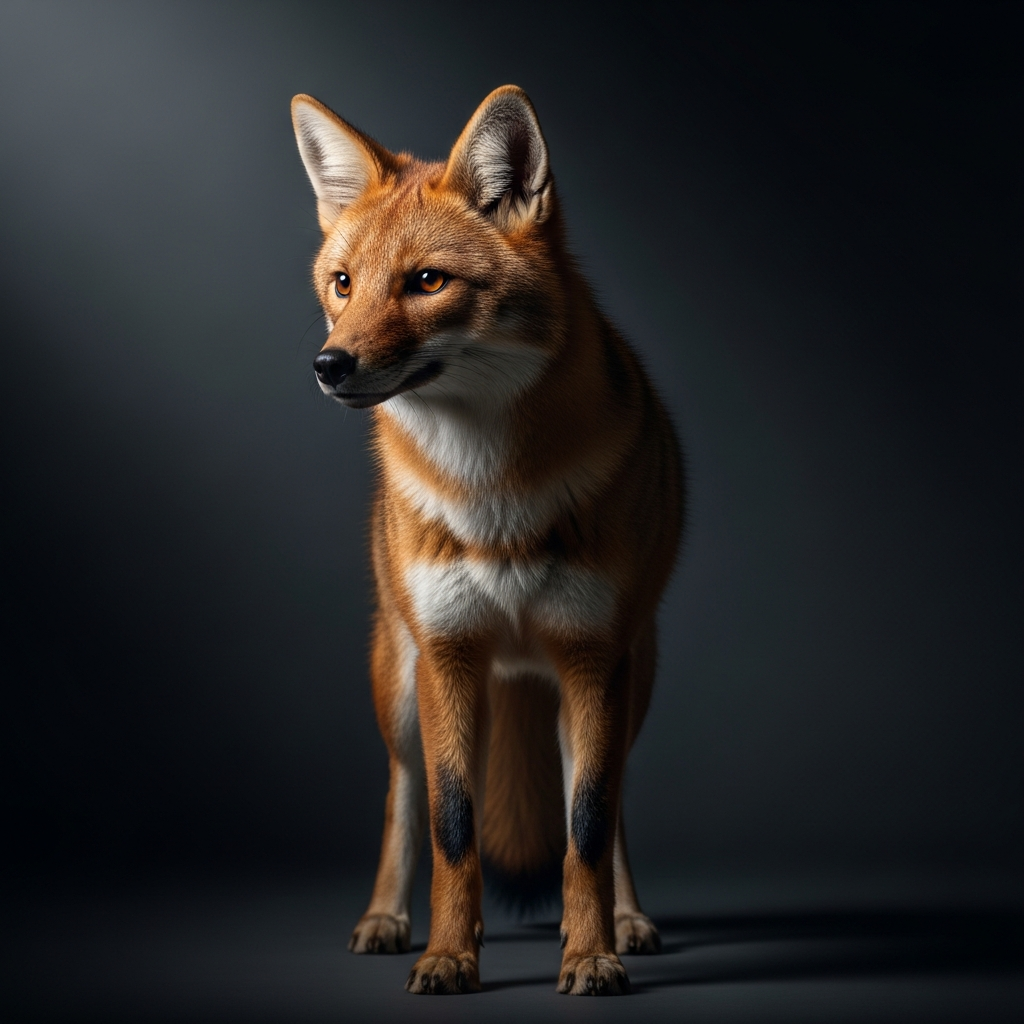
Stoneware mug, dishwasher safe
Buy Mug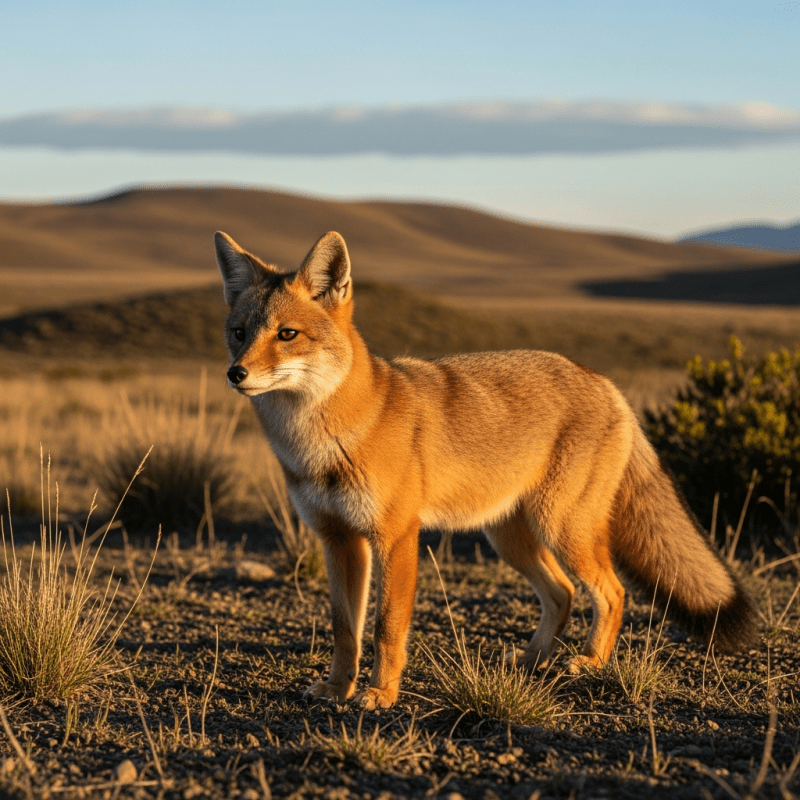
Soft cotton tee, unisex sizes
Buy ShirtKnown locally as the Andean fox or zorro culpeo, the Culpeo features in South American folklore and rural traditions. Its image is often associated with cunning and resilience, and it has been both revered and persecuted by humans—valued for its fur, yet sometimes seen as a threat to livestock. The species’ presence in local stories and art reflects its deep connection to the Andean landscape.
Unlike domestic dogs, the Culpeo has never been bred or tamed by humans. Its evolutionary path is shaped by adaptation to South American environments, diverging from other canids into the genus Lycalopex. The broader story of canine evolution includes domestication of wolves into dogs, but the Culpeo remains a purely wild lineage, illustrating the diversity within Canidae.




Wild canines like the Culpeo exhibit solitary or small-group living, opportunistic hunting, and adaptation to harsh environments. In contrast, domesticated dogs have evolved alongside humans, developing social traits, varied appearances, and reliance on human care. The Culpeo’s robust build and survival instincts highlight the differences between wild and domestic canines in behavior and lifestyle.
Within the genus Lycalopex, the Culpeo stands out for its size and ecological role. Several subspecies are recognized—L. c. culpaeus, L. c. andinus, L. c. magellanicus, L. c. smithersi, L. c. reissii, and L. c. lycoides—each adapted to distinct regions. The broader Canidae family includes diverse species such as wolves, foxes, jackals, and coyotes, each with unique traits and evolutionary histories.
As a top predator, the Culpeo regulates populations of rodents, birds, and other small animals, maintaining ecological balance in its habitats. Its adaptability allows it to thrive in varied ecosystems, from mountain grasslands to forests. By controlling pests, the Culpeo indirectly supports agriculture and the health of native plant communities, underscoring its importance in South American landscapes.
Wild Culpeos face threats from habitat loss, hunting, and persecution due to livestock predation. While generally healthy in natural settings, populations can be impacted by disease transmission from domestic animals and environmental changes. Conservation efforts focus on habitat protection and reducing human-wildlife conflict to ensure the welfare of this resilient species.
While individual Culpeos are not widely known by name, the species itself holds a prominent place in South American wildlife lore. Its image is often featured in regional art and stories, symbolizing the wild spirit of the Andes. The Culpeo’s role as a resilient predator has made it a notable figure in ecological and cultural narratives.
The Culpeo is currently listed as Least Concern by the IUCN, reflecting its wide distribution and stable populations. However, local threats such as habitat fragmentation, fur hunting, and conflict with livestock owners persist. Ongoing conservation efforts aim to monitor populations, protect habitats, and promote coexistence between humans and this vital predator.
Regional differences among Culpeo populations are evident in pelage coloration, size, and subspecies distribution. For example, L. c. magellanicus in southern regions tends to be smaller and darker, while Andean populations like L. c. andinus are adapted to higher altitudes. These variations reflect the species’ remarkable ability to thrive in diverse climates and terrains across South America.