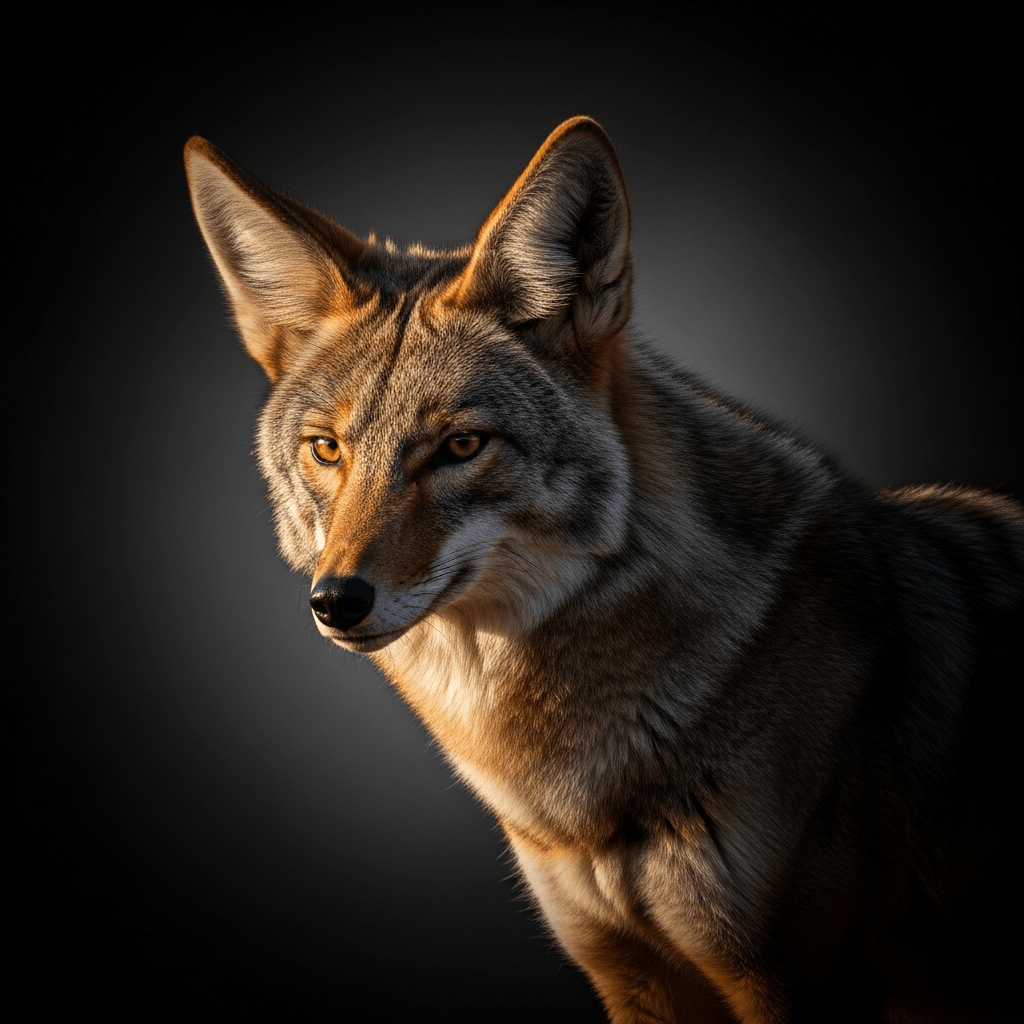
Coyote
The coyote (Canis latrans) is a highly adaptable North American canid known for its intelligence, resourcefulness, and ability to thrive across diverse habitats from deserts to urban areas.
The coyote (Canis latrans) is a highly adaptable North American canid known for its intelligence, resourcefulness, and ability to thrive across diverse habitats from deserts to urban areas.
First formally described by Thomas Say in 1823, the coyote's lineage traces back to the genus Canis, which has existed in North America for over a million years. The species diverged from ancestral canids during the Pleistocene epoch, evolving as a resilient wild species closely related to wolves and domestic dogs.
The coyote belongs to the family Canidae, genus Canis, and is classified scientifically as Canis latrans. It is part of a broader group of canines that includes wolves, domestic dogs, foxes, and jackals, all members of the diverse dog family.
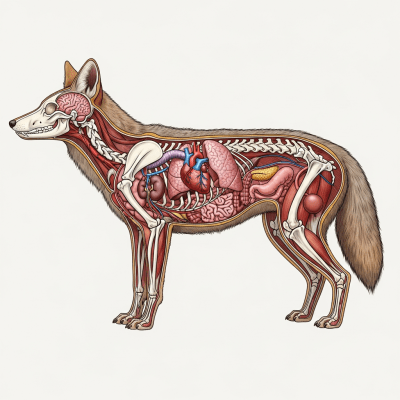
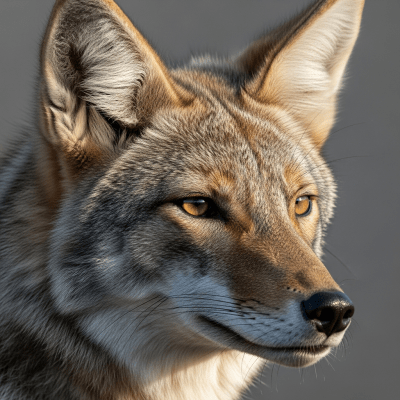
Coyotes are medium-sized canids weighing between 7 and 21 kilograms (15 to 46 pounds) and measuring 76 to 94 centimeters (30 to 37 inches) in body length, with bushy tails 30 to 44 centimeters (12 to 17 inches) long. Their fur is typically grayish-brown with reddish tinges and lighter underparts, complemented by a distinctive black-tipped tail. Morphological variations occur regionally, with northern populations tending to be larger.
Highly adaptable omnivores, coyotes employ opportunistic hunting strategies and scavenge to survive in varied environments. They reproduce rapidly, with average litters of four to seven pups, and display notable resilience to environmental changes and disease. While not domesticated, coyotes impact human activities through predation on livestock and game, leading to management efforts in agricultural regions.
Bring this kind into your world illustrated posters, mugs, and shirts.
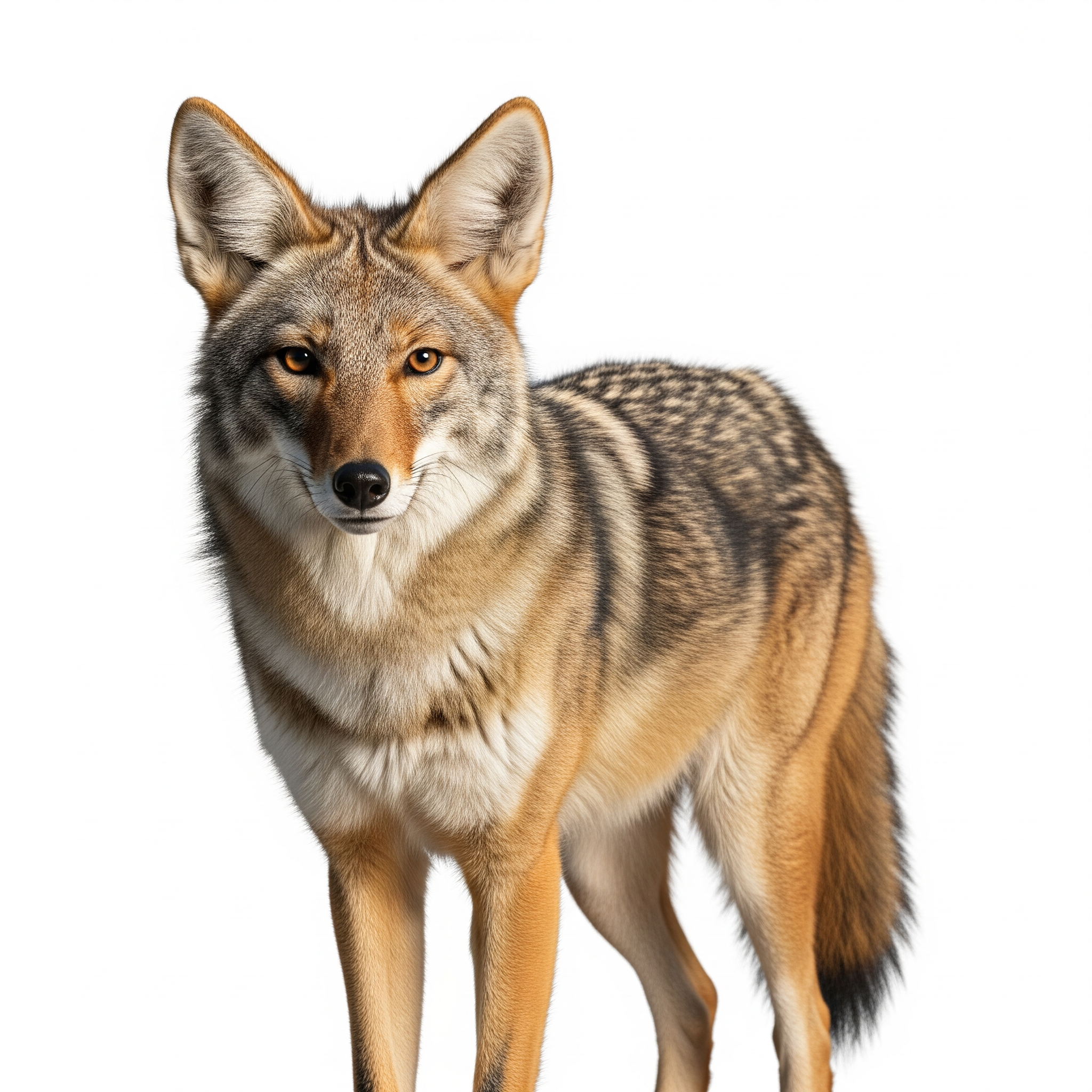
Archival print, museum-grade paper
Buy Poster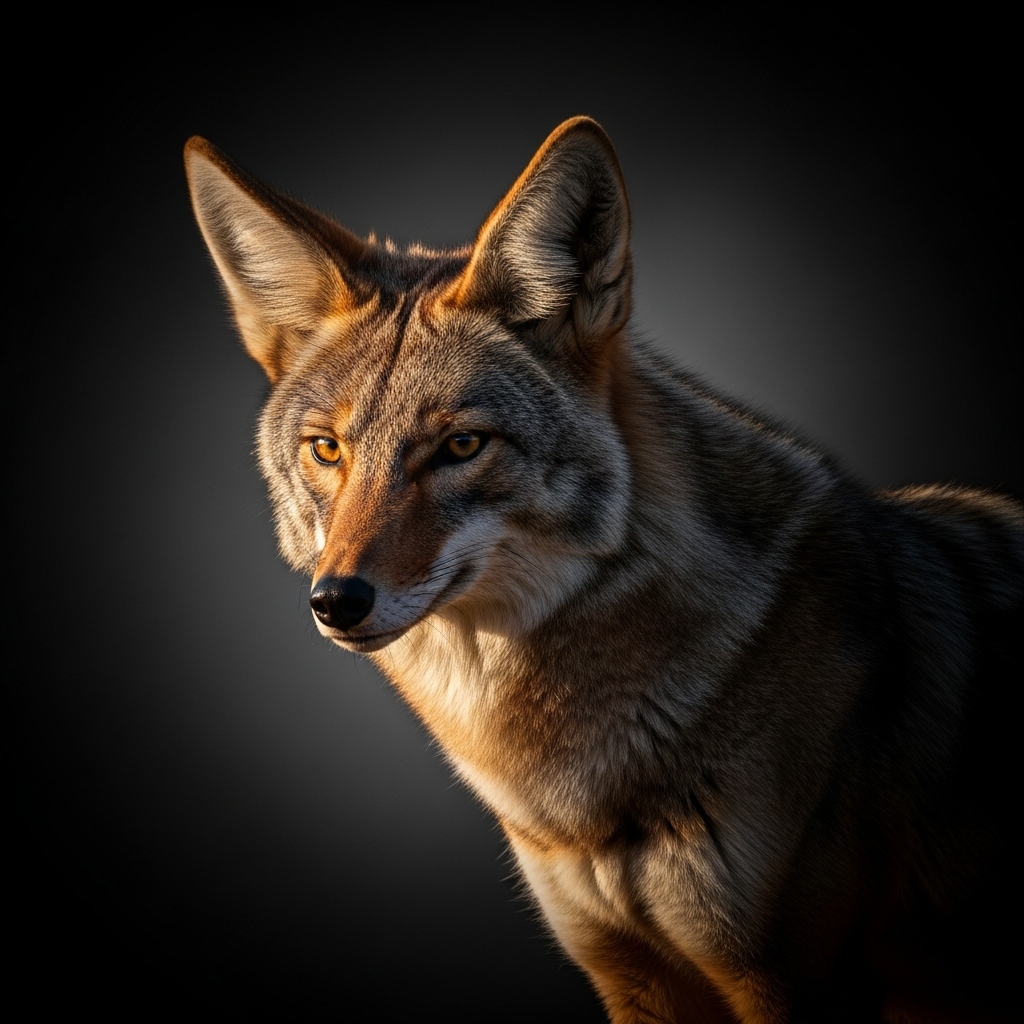
Stoneware mug, dishwasher safe
Buy Mug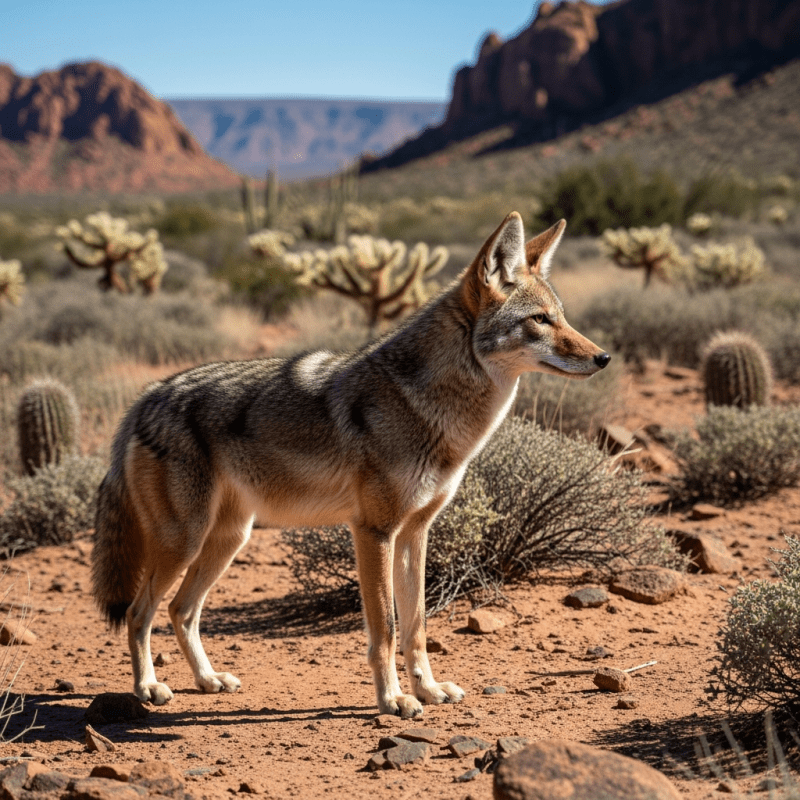
Soft cotton tee, unisex sizes
Buy ShirtThroughout North American indigenous cultures, the coyote often appears as a trickster figure in folklore and mythology, symbolizing cunning and adaptability. In modern times, it has become a familiar presence in urban wildlife narratives and ecotourism, reflecting its growing interaction with human environments.
Coyotes include up to 19 recognized subspecies that vary regionally in size and coloration. Notable varieties include Canis latrans texensis (Texas coyote) and Canis latrans ochropus (California valley coyote). These subspecies reflect adaptations to local environments across their broad range.
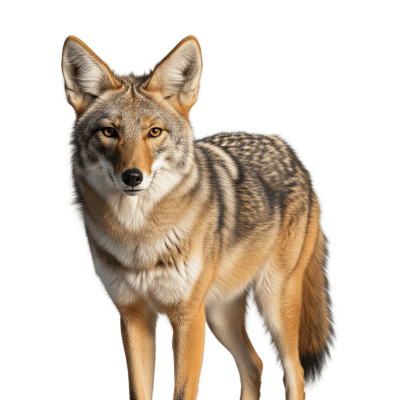
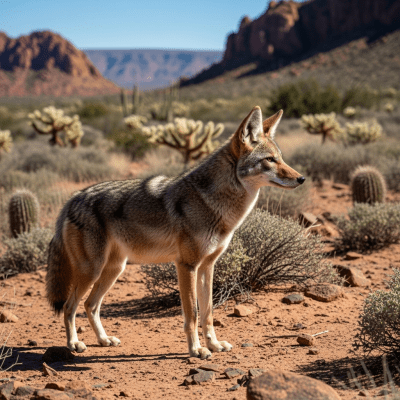



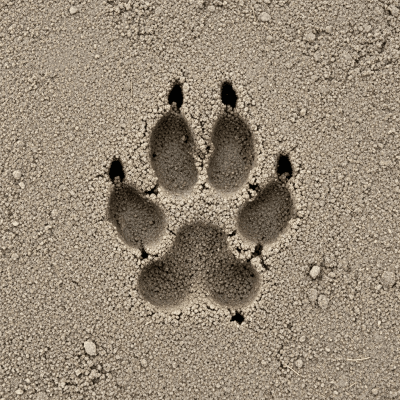
Native to North America, coyotes occupy diverse habitats such as deserts, grasslands, forests, and increasingly, urban environments. Their range extends throughout the United States, Canada, Mexico, and parts of Central America, demonstrating remarkable adaptability to both wild and human-altered landscapes.
In the wild, coyotes are generally robust but susceptible to diseases including rabies, canine distemper, and sarcoptic mange. They exhibit strong resistance to environmental stresses and reproduce rapidly. Wildlife management programs monitor their health to mitigate impacts on livestock and ecosystems.
Coyotes are wild animals and not subject to formal training. Behaviorally, they are intelligent, cautious, and highly adaptable hunters and scavengers. They communicate through a variety of vocalizations and are primarily nocturnal or crepuscular, adjusting activity patterns to avoid humans.
The coyote is classified as a species of least concern due to its wide distribution and stable populations. Conservation efforts focus primarily on managing human-wildlife conflicts, as coyotes thrive even in disturbed habitats and are not currently threatened by extinction.