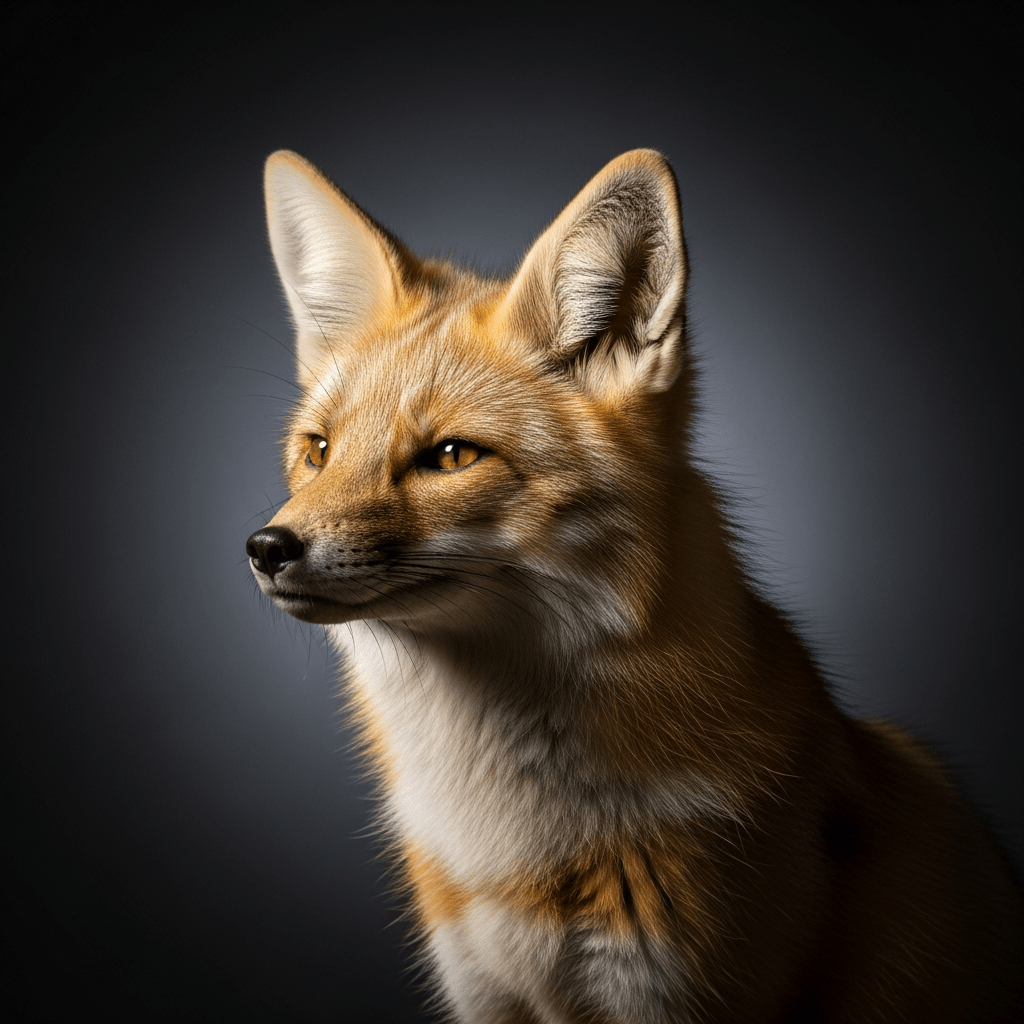
Corsac Fox
The Corsac Fox (Vulpes corsac) is a medium-sized wild canid renowned for its pale, silvery-gray coat and nomadic lifestyle across the steppes and semi-deserts of Central Asia.
The Corsac Fox (Vulpes corsac) is a medium-sized wild canid renowned for its pale, silvery-gray coat and nomadic lifestyle across the steppes and semi-deserts of Central Asia.
First described in 1776 by Peter Simon Pallas, the Corsac Fox originates from the vast Russian steppes. Its lineage is strictly wild, with no history of domestication or formal breeding programs. Over centuries, populations have spread throughout Kazakhstan, Mongolia, Russia, and northern China, adapting to arid landscapes and harsh climates. Museum specimens from these regions help trace its natural history and confirm its placement within the genus Vulpes.
The Corsac Fox belongs to the family Canidae, which encompasses all canines including wolves, dogs, and other foxes. Within this family, it is classified under the genus Vulpes, making it a true fox species. Its scientific name is Vulpes corsac, and historical synonyms include Canis corsac. No formally recognized subspecies exist, as confirmed by leading authorities such as the IUCN and Mammal Species of the World.
The Corsac Fox is slender and agile, measuring 45–65 cm in body length with a bushy tail spanning 19–35 cm. Weighing between 1.6 and 3.2 kg, it sports a thick, pale gray to yellowish coat that provides camouflage and insulation against the cold. Its elongated muzzle, large ears, and expressive eyes give it a distinctive, alert look. The fur becomes denser in winter, and the fox undergoes seasonal molting to adapt to temperature changes.
Corsac Foxes are nocturnal and highly mobile, often traveling great distances in search of food and water. Their social structure is flexible, with individuals sometimes forming small groups or remaining solitary. As opportunistic omnivores, they feed on small mammals, insects, and fruit. Their remarkable ability to survive periods of drought and food scarcity is balanced by vulnerability to severe winters and habitat fragmentation. While not domesticated, they play a vital role in controlling rodent populations and maintaining ecosystem balance.
Bring this kind into your world illustrated posters, mugs, and shirts.
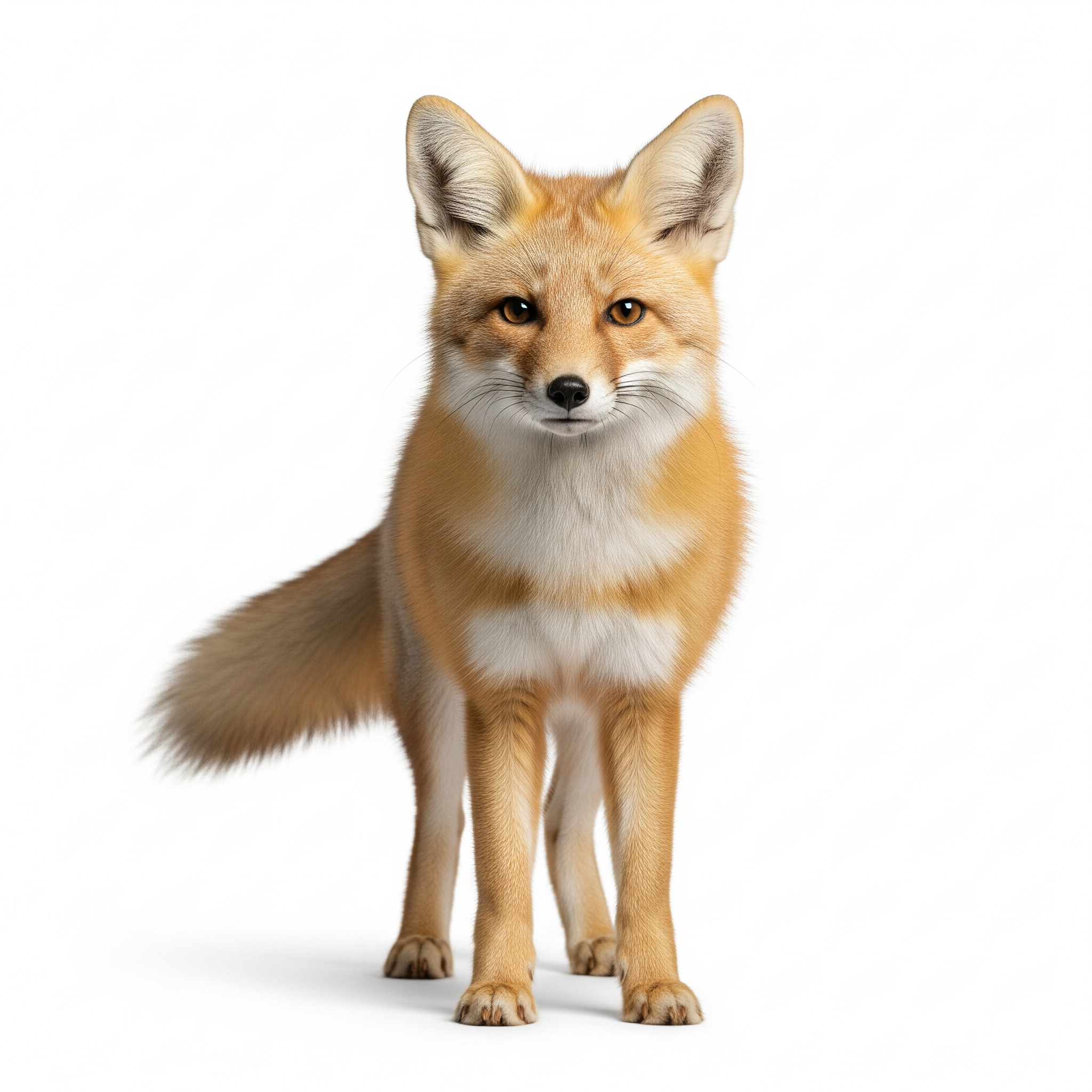
Archival print, museum-grade paper
Buy Poster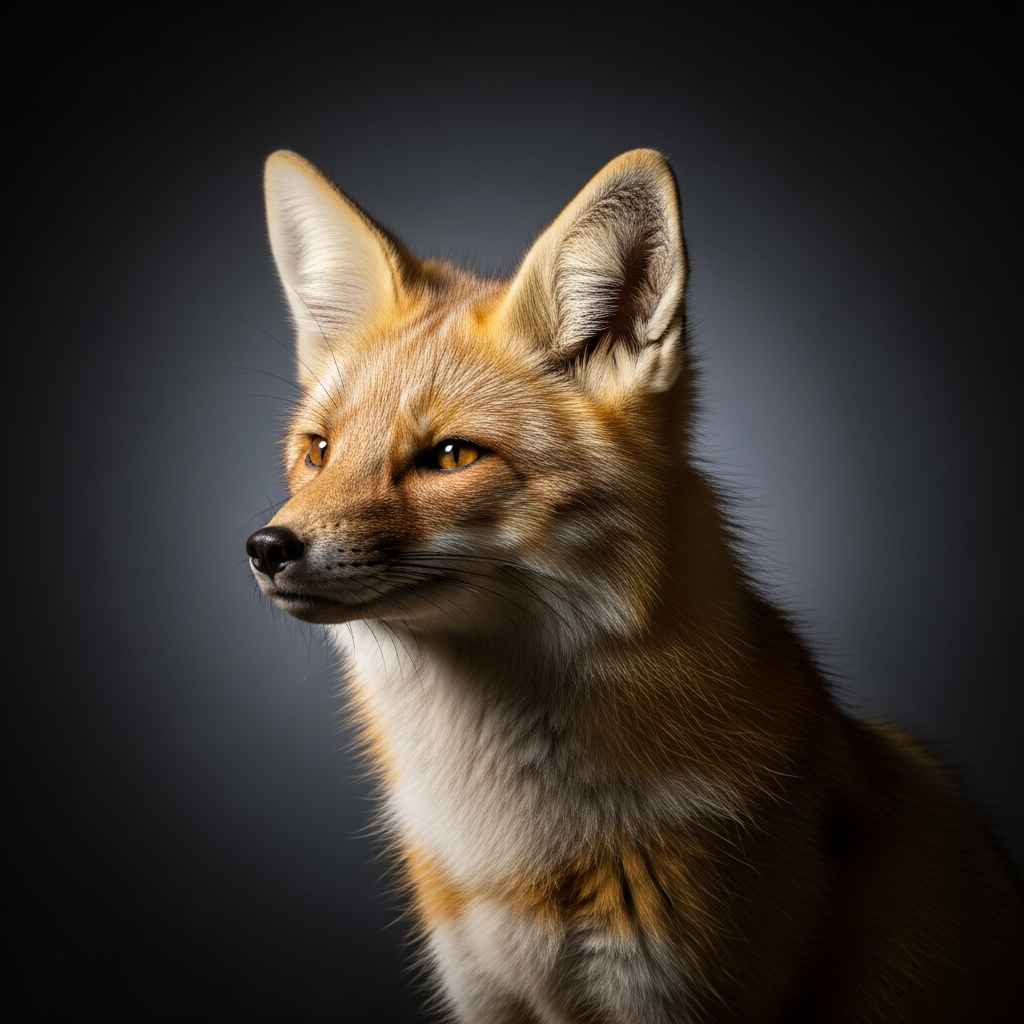
Stoneware mug, dishwasher safe
Buy Mug
Soft cotton tee, unisex sizes
Buy ShirtIn Central Asian folklore, the Corsac Fox is sometimes depicted as a clever and elusive creature, symbolizing adaptability and resourcefulness. Its image appears in traditional stories and, occasionally, in regional medicine practices. While not as prominent as the red fox or wolf in global culture, the Corsac Fox holds a subtle but enduring place in the heritage of steppe societies, especially in Mongolia and Russia.
Unlike domestic dogs, the Corsac Fox has never been subject to formal domestication. Its evolutionary journey is shaped by adaptation to arid, open landscapes and extreme climates. Genetic studies confirm its placement within the genus Vulpes, and its lineage remains wild, with no evidence of breed development or human-directed selection. The broader Canidae family showcases a spectrum from wild species like the Corsac Fox to fully domesticated dogs, reflecting diverse evolutionary pressures and histories.
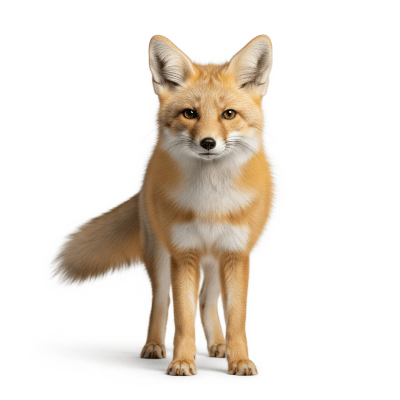
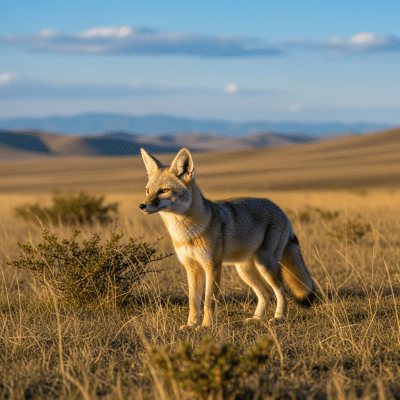
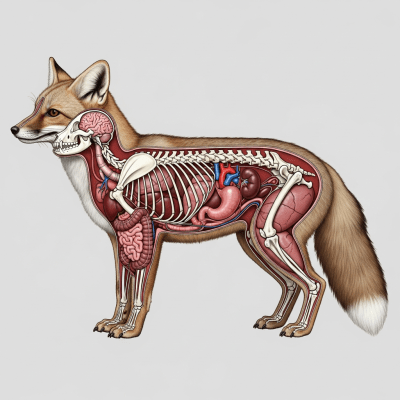

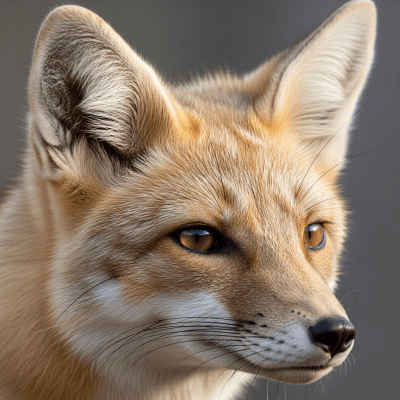

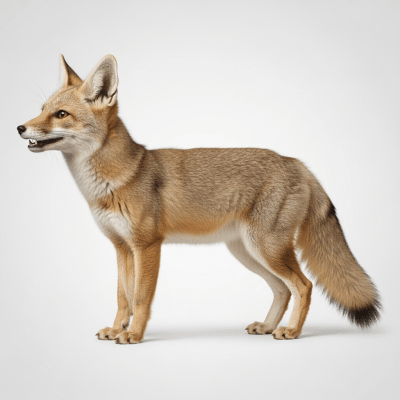
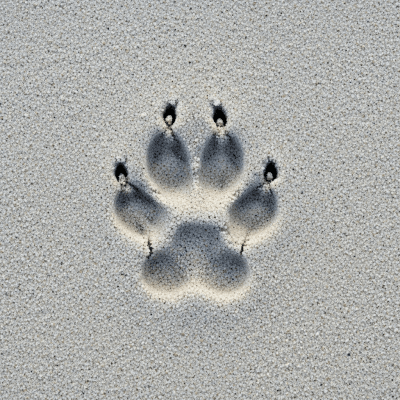
Wild canines such as the Corsac Fox differ markedly from domesticated dogs in behavior, appearance, and lifestyle. Wild foxes are solitary or loosely social, highly mobile, and adapted to survive without human support. Their diets and reproductive strategies are shaped by environmental constraints. In contrast, domestic dogs have been bred for companionship, utility, and a wide range of traits, relying on humans for food and shelter. The Corsac Fox remains entirely wild, with no domesticated counterparts.
The Corsac Fox is one of several true fox species within the genus Vulpes, alongside the Red Fox (Vulpes vulpes) and Arctic Fox (Vulpes lagopus). While regional names such as Steppe Fox or Mongolian Fox are used, there are no formally recognized subspecies. The Canidae family is diverse, including wolves, jackals, coyotes, and domestic dogs, each with unique adaptations and ecological roles.
As a mesopredator, the Corsac Fox plays a crucial role in its ecosystem by controlling populations of small mammals and insects. Its opportunistic feeding habits help maintain ecological balance, and its presence supports the health of steppe and semi-desert environments. The species is also an important prey item for larger carnivores, contributing to the food web and overall biodiversity of Central Asia.
Corsac Foxes are well-adapted to harsh climates, but face health challenges such as starvation during severe winters and vulnerability to habitat fragmentation. They are susceptible to diseases common among wild canids, and population declines can occur due to environmental stressors. Conservation efforts focus on habitat protection and monitoring, as the species is not kept in captivity or bred for domestication.
While the Corsac Fox itself is not widely known for individual fame, its species has been featured in regional folklore and natural history collections. Specimens held in institutions like the Smithsonian and Zoological Institute RAS serve as ambassadors for the biodiversity of Central Asia and contribute to scientific understanding of wild canids.
The Corsac Fox is currently assessed as Least Concern by the IUCN Red List, reflecting stable populations across its range. However, localized threats such as habitat loss, severe winters, and overhunting can impact numbers. Conservation regulations have reduced commercial exploitation, and ongoing monitoring helps ensure the species remains secure in the wild.
Across its range, the Corsac Fox is known by various local names—such as Steppe Fox, Mongolian Fox, Корсак (Russian), and Шар үнэг (Mongolian)—but there are no formally recognized subspecies. Regional populations may exhibit slight variations in size and coat color, reflecting adaptation to local climates, yet genetic studies support a single, broadly distributed species throughout Central Asia.