Cape Fox
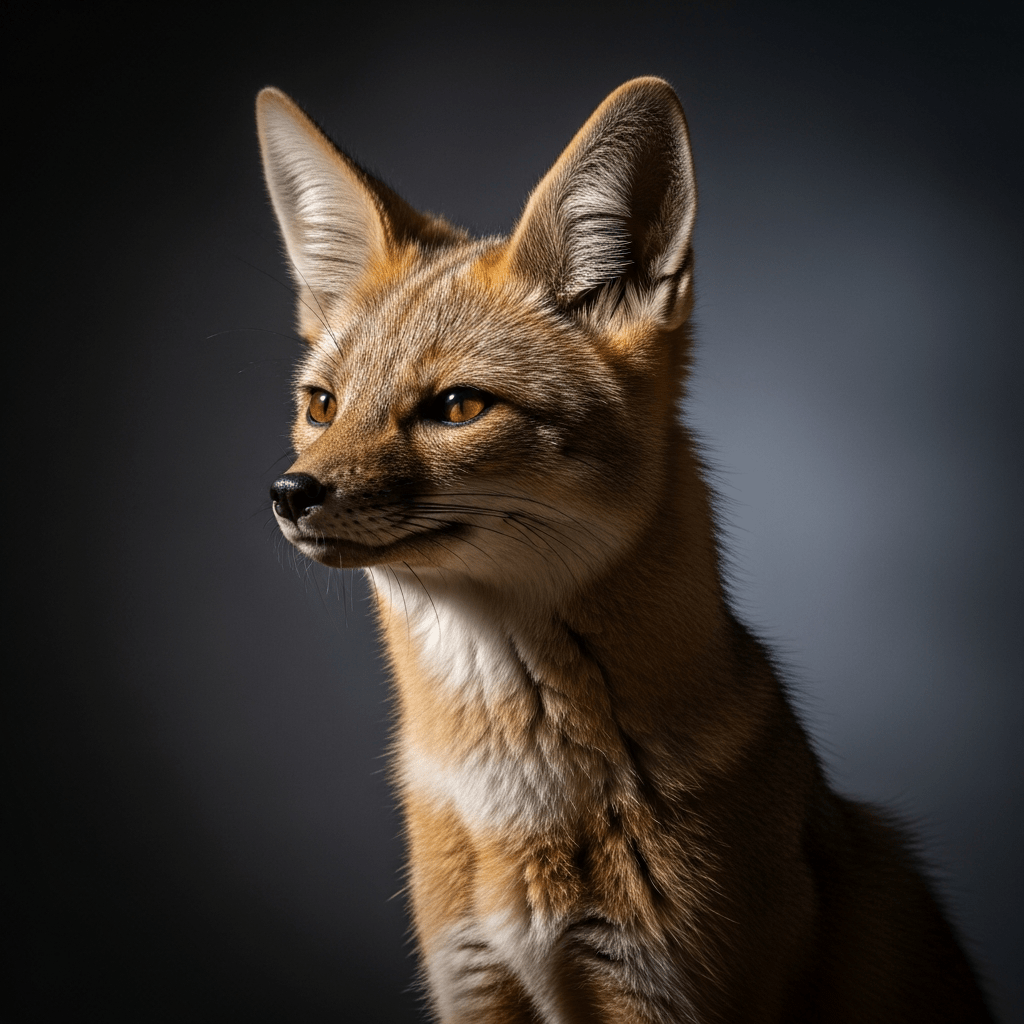
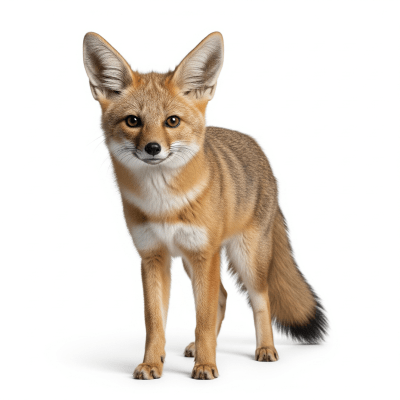
The Cape Fox (Vulpes chama) is a small, nocturnal canid native to southern Africa, instantly recognizable by its silvery-grey fur, bushy black-tipped tail, and pointed muzzle.
The Cape Fox (Vulpes chama) is a small, nocturnal canid native to southern Africa, instantly recognizable by its silvery-grey fur, bushy black-tipped tail, and pointed muzzle.
First described by A. Smith in 1833, the Cape Fox traces its lineage to the genus Vulpes, a group known as the true foxes. Indigenous to southern Africa, its presence is well documented in South Africa, Namibia, Botswana, and Zimbabwe. Unlike some canids, the Cape Fox has no domesticated breeds or recognized subspecies, remaining a distinctly wild species throughout its history.
The Cape Fox belongs to the family Canidae, which encompasses all canines including dogs, wolves, and jackals. Within this family, it is classified under the genus Vulpes and identified as the species Vulpes chama. This places it among the 'true foxes,' a group distinguished by their adaptability and slender build.
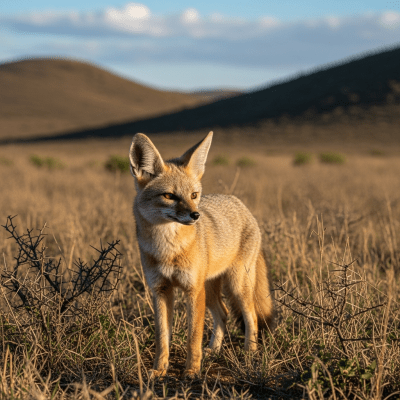
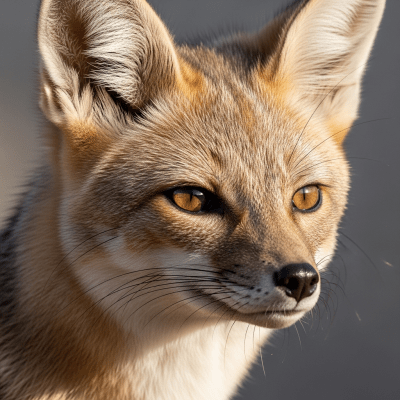
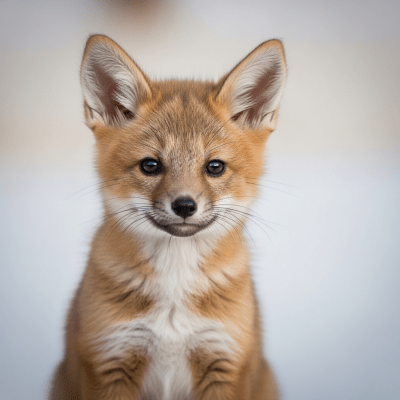
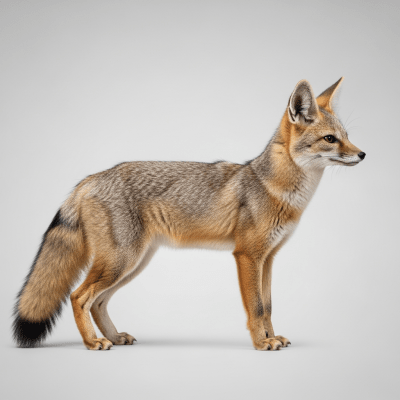
With a slender body measuring 45–61 cm in length and a bushy tail of 30–40 cm, the Cape Fox weighs between 2.5 and 4.5 kg. Its coat is predominantly silvery-grey, accented with reddish hues along the flanks and limbs, and a distinctive black-tipped tail. The pointed muzzle and large, upright ears give it a sharp, alert appearance, ideally suited for nocturnal life in open landscapes.
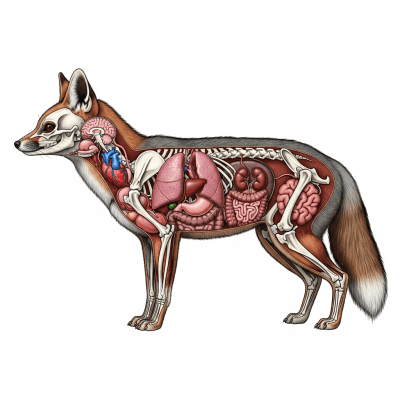
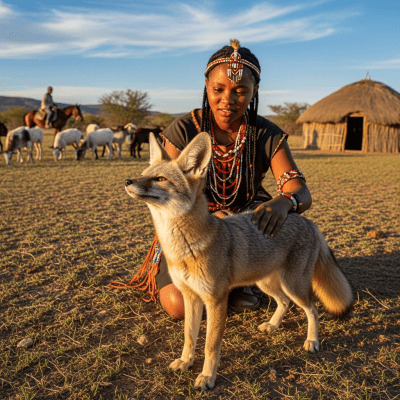
Cape Foxes are primarily nocturnal, leading solitary lives or forming pairs. Agile and resourceful, they are omnivorous, feeding on small mammals, insects, fruits, and carrion. Their burrowing habits allow them to construct dens for shelter and raising young, and they play a vital role as both predator and scavenger in their ecosystems. While sometimes hunted locally due to perceived threats to poultry, they are not widely utilized by humans.
Bring this kind into your world illustrated posters, mugs, and shirts.
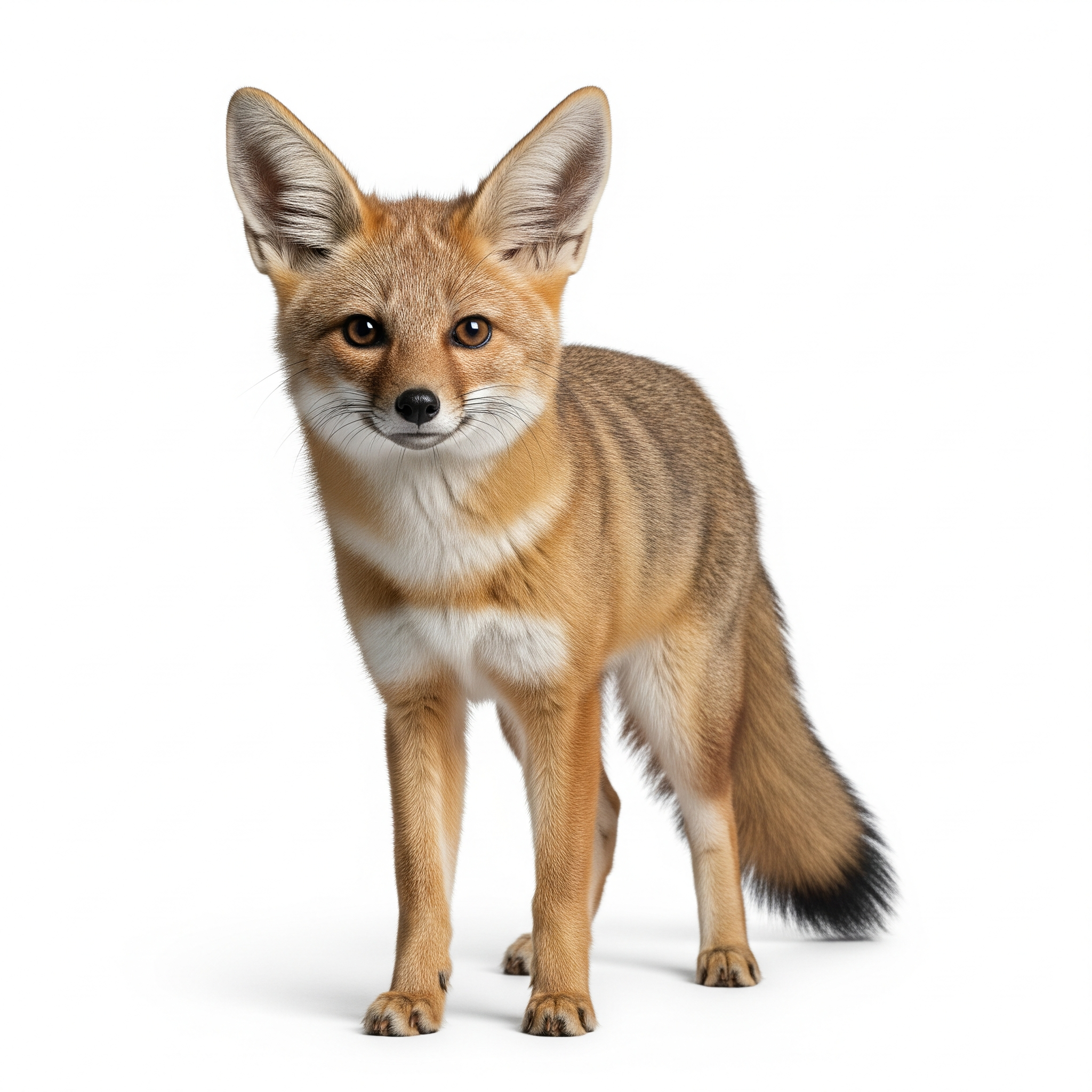
Archival print, museum-grade paper
Buy Poster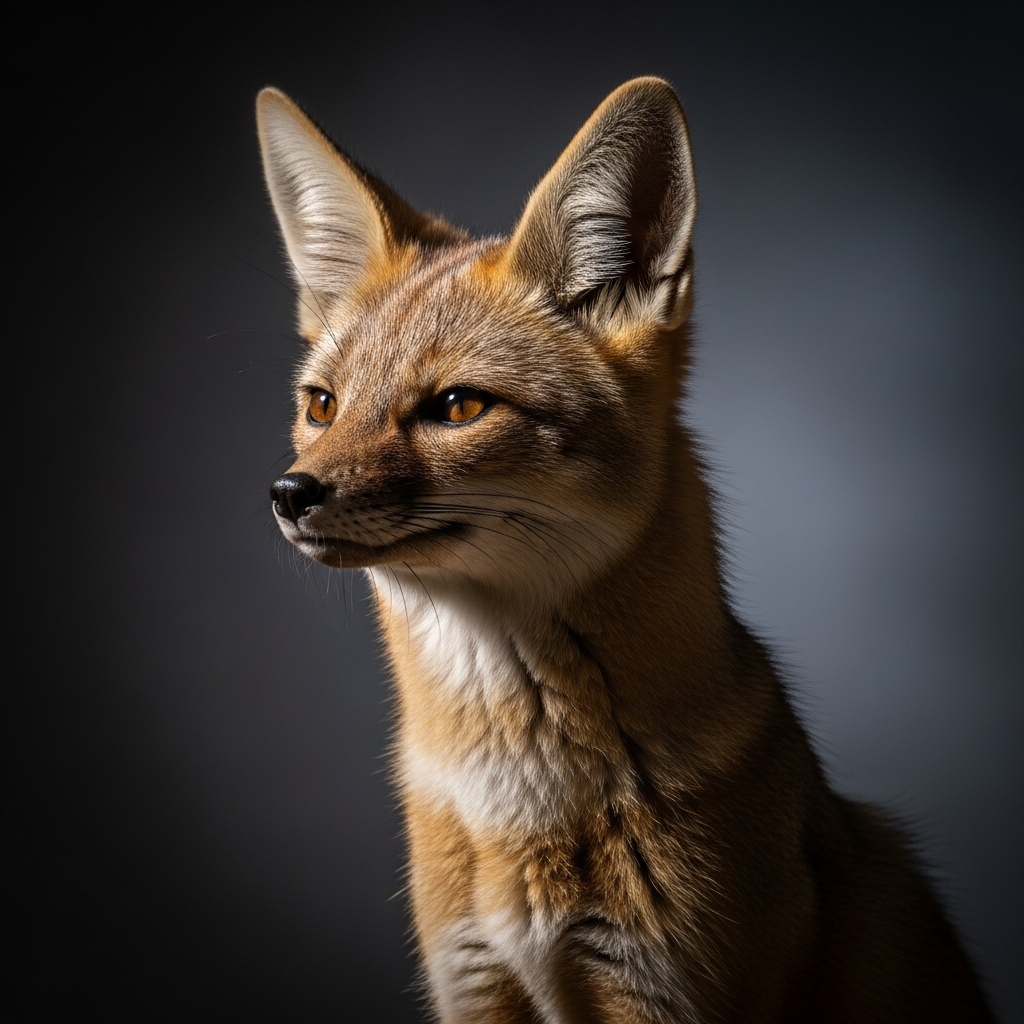
Stoneware mug, dishwasher safe
Buy Mug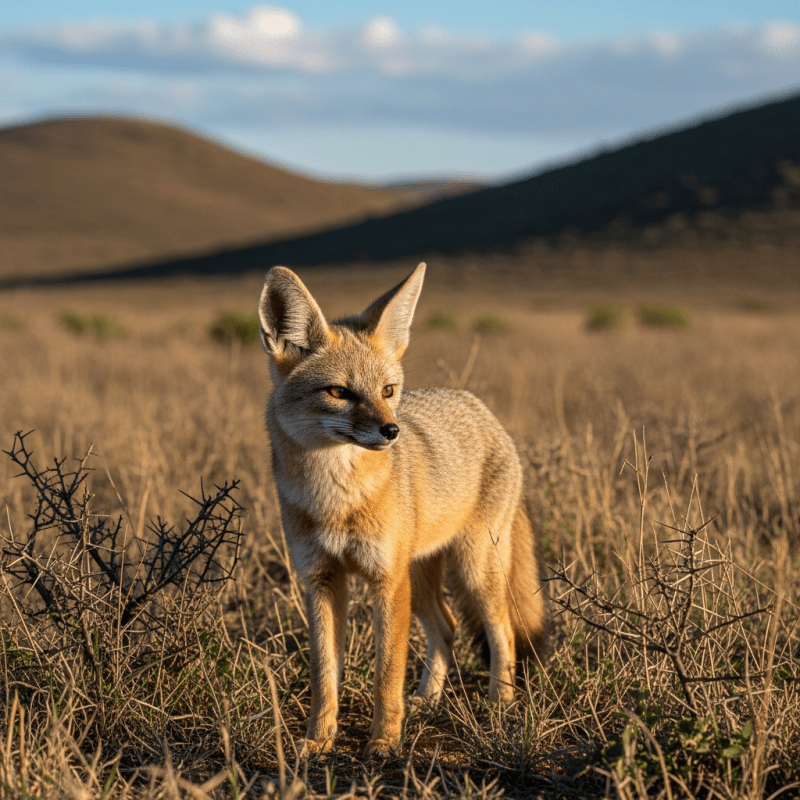
Soft cotton tee, unisex sizes
Buy ShirtThough not prominent in global folklore, the Cape Fox holds regional significance, known locally as the "silver-backed fox" or "Bergjakkals" in Afrikaans. Its elusive nature and adaptability have made it a symbol of cleverness and survival in southern African culture, but it is less represented in art and myth compared to other canids.
Unlike domestic dogs, the Cape Fox has never undergone a process of domestication. Its evolutionary lineage is rooted in the genus Vulpes, which diverged from other canids millions of years ago. The Cape Fox remains a wild species, with no recognized subspecies or breeds, and its adaptation to arid environments reflects the evolutionary flexibility seen across the Canidae family.
Wild canines like the Cape Fox differ markedly from domesticated dogs in both behavior and lifestyle. Cape Foxes are solitary, nocturnal, and highly adapted to surviving in harsh, arid landscapes. In contrast, domestic dogs have been bred for companionship and utility, displaying a wide range of temperaments and forms. The Cape Fox's lack of domesticated breeds underscores its independence from human influence.
Within the genus Vulpes, the Cape Fox stands out as the only true fox native to southern Africa. Unlike domestic dogs, which encompass hundreds of breeds, the Cape Fox has no recognized subspecies or breed variants. Its closest relatives are other foxes in the Vulpes genus, such as the Red Fox (Vulpes vulpes), but its adaptation to arid regions sets it apart.
The Cape Fox plays a crucial ecological role as both predator and scavenger. By hunting small mammals, insects, and consuming carrion, it helps regulate prey populations and contributes to nutrient cycling within its environment. Its burrowing activities also aerate soil and provide shelter for other species, making it an integral part of southern African ecosystems.
As a wild species, the Cape Fox faces threats from habitat loss, local hunting, and disease. While not currently endangered, welfare concerns include accidental poisoning and persecution due to conflicts with poultry farmers. There are no known domesticated populations, and care requirements are dictated by their natural behaviors—solitude, nocturnality, and burrowing.
Unlike domestic dogs or wolves, the Cape Fox is not widely featured in historical records or popular culture. Its fame is largely regional, where it is admired for its elusive nature and adaptability. There are no individually celebrated Cape Foxes, but the species itself is notable as southern Africa’s only true fox.
The Cape Fox is currently listed as Least Concern by the IUCN Red List, reflecting stable populations across its range. Conservation efforts focus on mitigating local threats such as hunting and habitat fragmentation. Continued monitoring is essential to ensure its long-term survival, especially as agricultural expansion and human-wildlife conflict persist in southern Africa.
There are no recognized subspecies or major regional variants of the Cape Fox. However, it is known by different names in local languages, such as "silver-backed fox" and "Bergjakkals" in Afrikaans. Its adaptability allows it to thrive in diverse habitats across South Africa, Namibia, Botswana, and Zimbabwe, but its physical and behavioral traits remain consistent throughout its range.