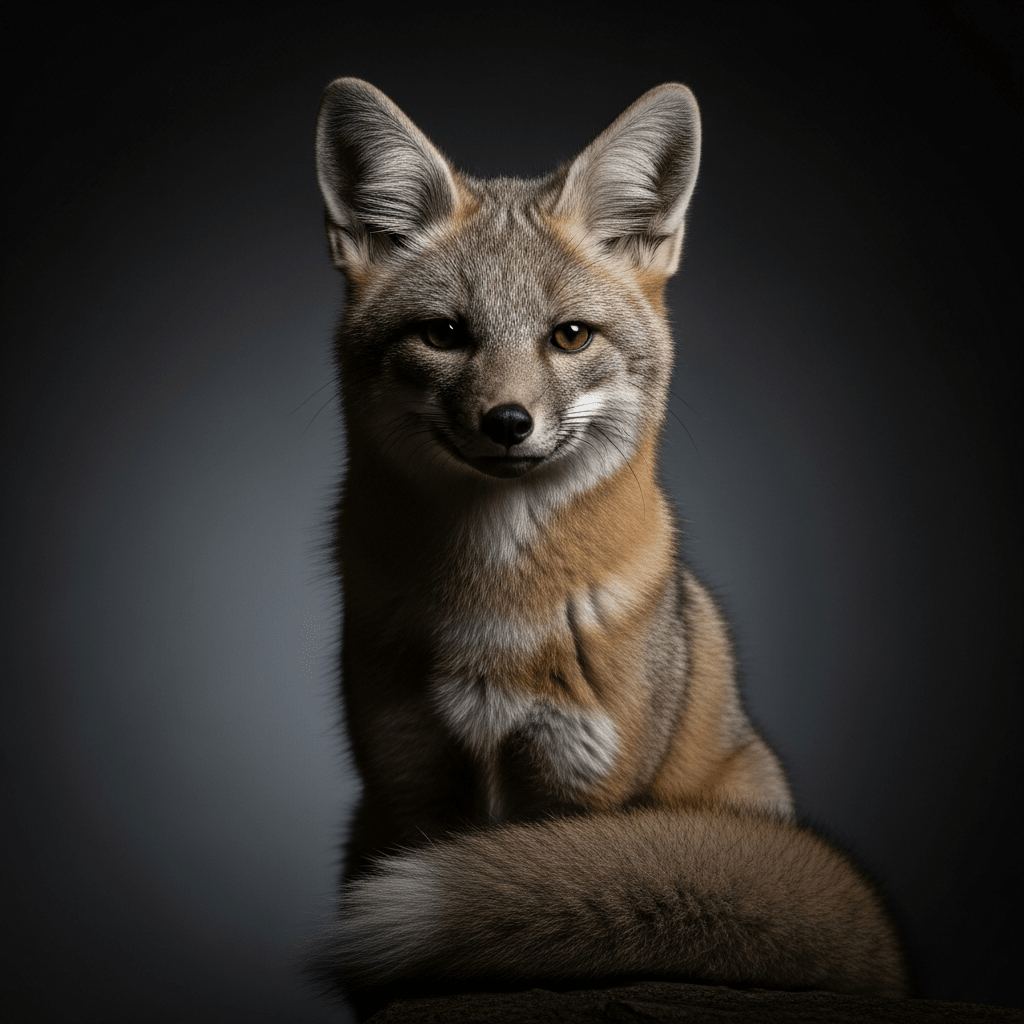
Blanford's Fox
Blanford's Fox (Vulpes cana) is a small, nocturnal fox native to the rocky deserts and arid landscapes of the Middle East and Central Asia, renowned for its large ears, bushy tail, and remarkable climbing skills.
Blanford's Fox (Vulpes cana) is a small, nocturnal fox native to the rocky deserts and arid landscapes of the Middle East and Central Asia, renowned for its large ears, bushy tail, and remarkable climbing skills.
First described in 1877 by the British naturalist William Thomas Blanford from specimens collected in Baluchistan (now Pakistan), Blanford's Fox has since been recognized across a broad swath of southwestern and central Asia. Its lineage places it firmly within the genus Vulpes, closely related to other Old World foxes. Unlike many canines, it has no recognized subspecies or history of domestication, remaining a wild and elusive inhabitant of rugged terrains.
Blanford's Fox belongs to the family Canidae, which encompasses all canines including wolves, dogs, jackals, and foxes. Within this family, it is classified under the genus Vulpes, sharing ancestry with other true foxes. Its scientific name, Vulpes cana, reflects its distinct species status, with no subspecies currently recognized. This places it among the smaller, specialized foxes adapted to arid environments.
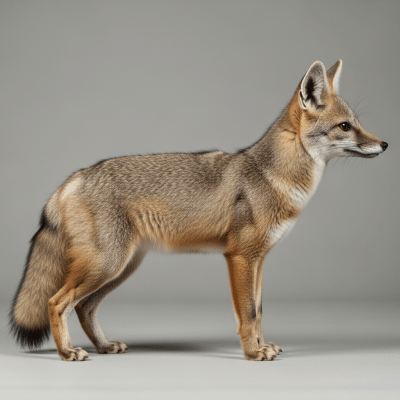
Blanford's Fox is petite, with a head-body length of 40–50 cm and a tail nearly as long, measuring 30–40 cm. Its fur is soft and ranges from pale grey to brown, accented by a striking black-tipped bushy tail. The fox's oversized ears are not only a charming feature but also serve to dissipate heat, an essential adaptation for desert living. Its slender build and agile limbs allow it to scale steep rocky surfaces and even trees, making it one of the most nimble climbers among canids.
This species is primarily nocturnal and solitary, emerging after dusk to hunt insects, fruits, and small vertebrates. Its elusive nature means it is rarely seen during daylight hours. Blanford's Fox is a master of rocky habitats, using its agility to escape predators and find food in crevices and on cliffs. Unlike some canines, it has little direct interaction with humans and is not exploited for fur, meat, or commercial purposes.
Bring this kind into your world illustrated posters, mugs, and shirts.
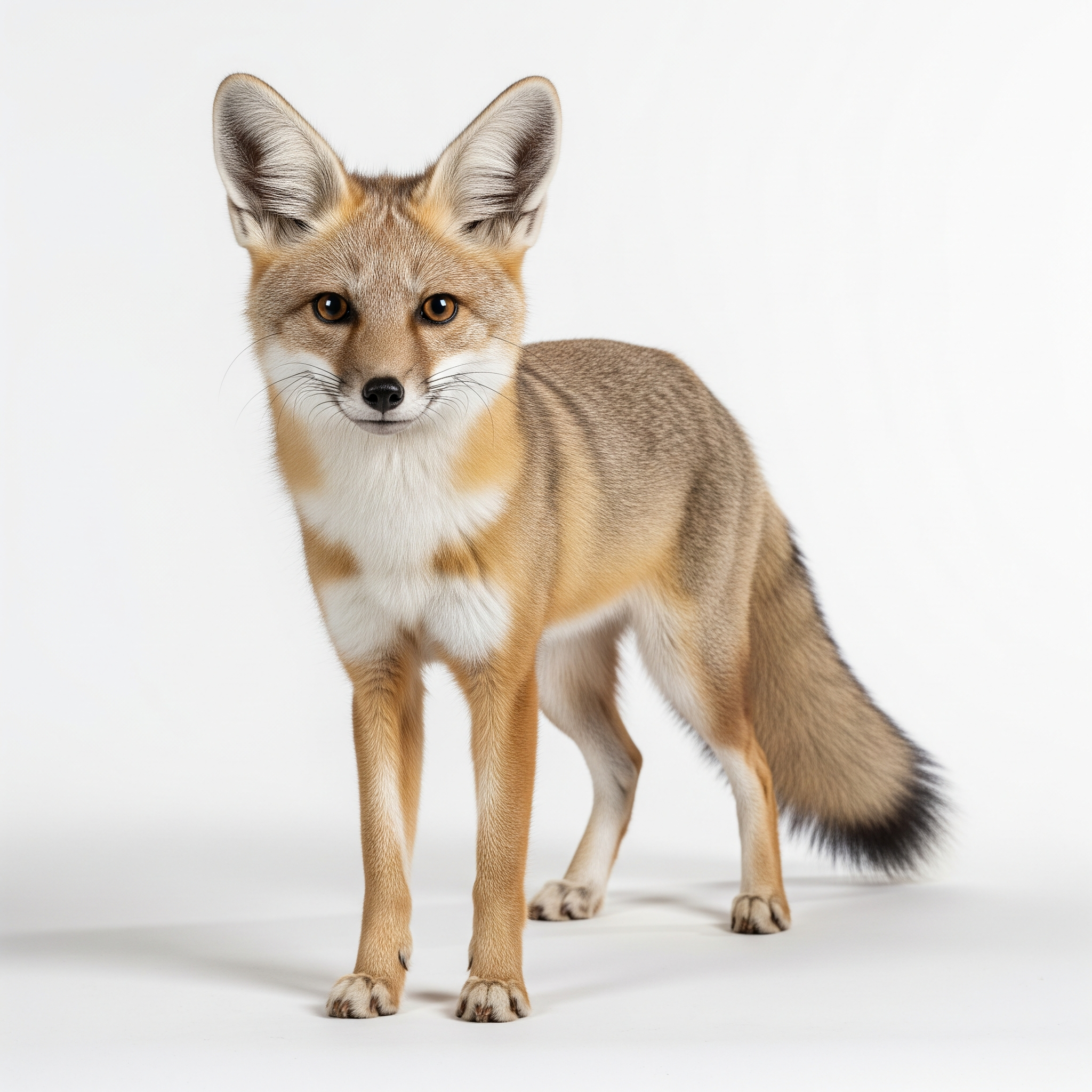
Archival print, museum-grade paper
Buy Poster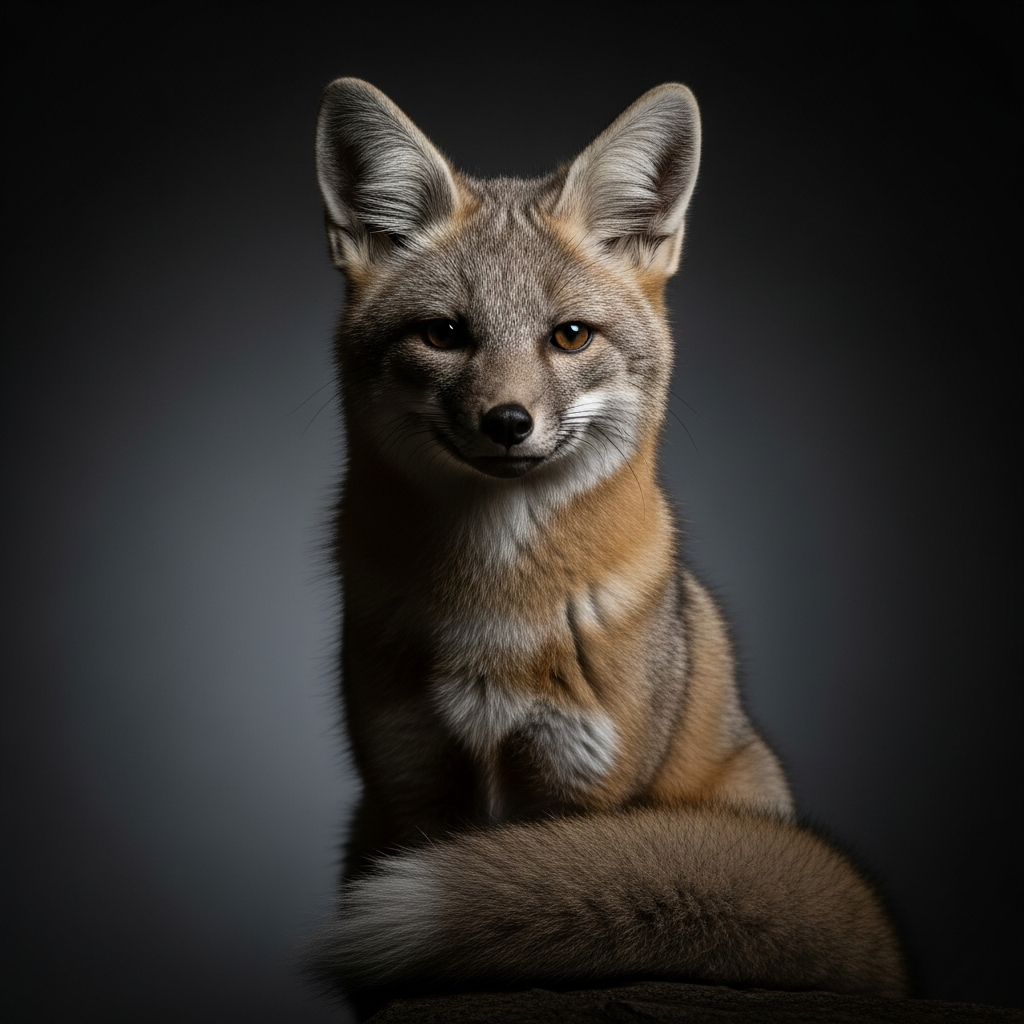
Stoneware mug, dishwasher safe
Buy Mug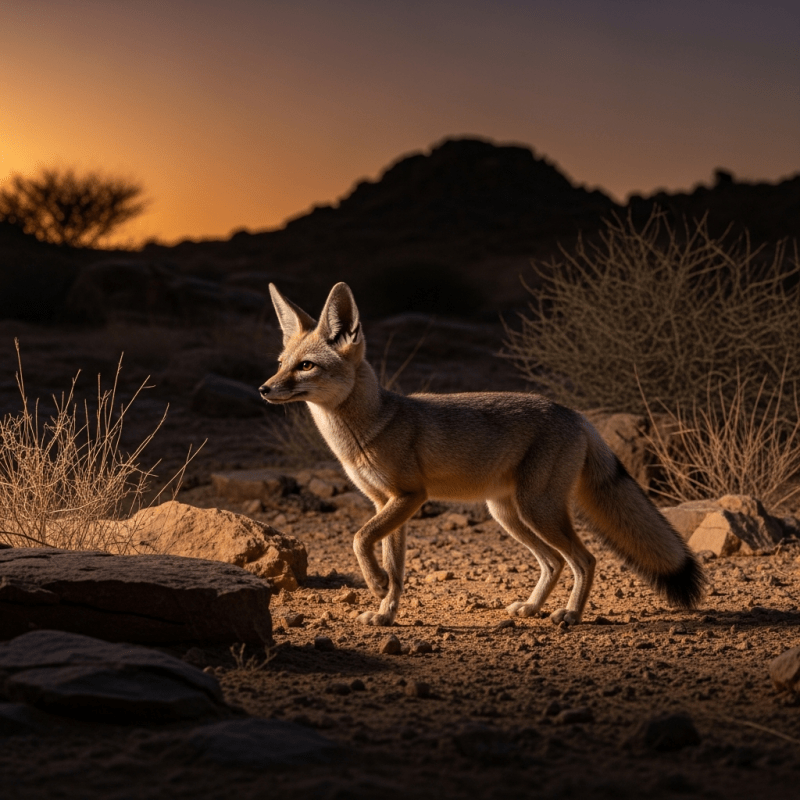
Soft cotton tee, unisex sizes
Buy ShirtBlanford's Fox holds a subtle place in local folklore and regional naming traditions, often referred to as the Afghan Fox or Balochistan Fox. However, it does not feature prominently in art, myth, or modern culture, largely due to its secretive habits and sparse population. Its presence is more a symbol of the wild, untamed landscapes it inhabits than a figure in cultural narratives.
Unlike domestic dogs, Blanford's Fox has never been subject to domestication or breeding programs. Its evolutionary lineage traces back to Old World foxes within the genus Vulpes, adapting over millennia to arid and rocky habitats. The broader canine family has seen significant evolutionary changes, with some species like wolves evolving into domestic dogs through human intervention, while others, like Blanford's Fox, remain wild and specialized.
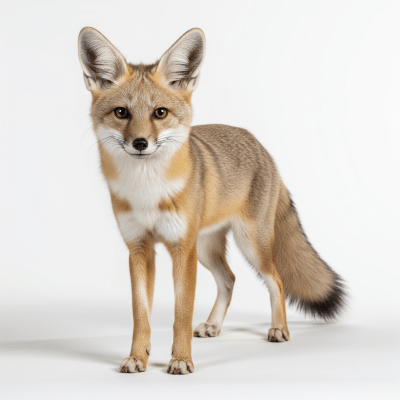

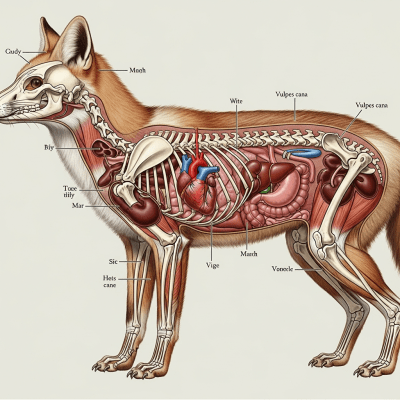

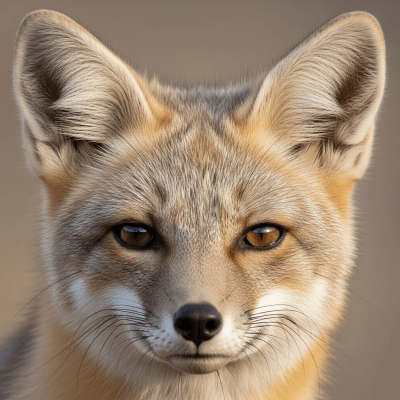
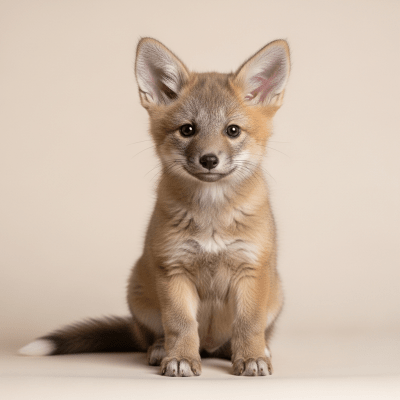

Wild canines such as Blanford's Fox are adapted for survival in challenging environments, exhibiting solitary and nocturnal behaviors, specialized diets, and physical traits like agile limbs and heat-dissipating ears. In contrast, domesticated dogs have evolved alongside humans, displaying social, trainable, and diverse traits shaped by selective breeding. Blanford's Fox, with no history of domestication, exemplifies the independence and specialization of wild canids.
Within the genus Vulpes, Blanford's Fox stands out for its adaptation to rocky deserts. Other notable fox species include the Red Fox (Vulpes vulpes), Arctic Fox (Vulpes lagopus), and Fennec Fox (Vulpes zerda), each with unique traits suited to their environments. Blanford's Fox is distinguished by its climbing ability and minimal water requirements, with no recognized subspecies or domestic breeds.
Blanford's Fox plays a vital role in its ecosystem as a nocturnal predator and scavenger. By feeding on insects, fruits, and small vertebrates, it helps control populations of these organisms and contributes to seed dispersal. Its presence in arid, rocky habitats adds to the biodiversity and ecological balance of these regions, though its elusive nature means its impact is subtle and often understudied.
As a wild species, Blanford's Fox faces natural health challenges such as predation, disease, and habitat disturbance. Its adaptation to arid environments reduces water-related stress, but habitat fragmentation and incidental trapping can pose threats. There are no known welfare concerns related to captivity or domestication, as the species is not kept or bred by humans.
While Blanford's Fox itself is not associated with famous individuals, the broader canine family includes legendary figures such as Laika, the first dog in space, and Hachiko, the symbol of loyalty in Japan. Foxes in general have appeared in folklore and literature, but Blanford's Fox remains a lesser-known, enigmatic member of the group.
Blanford's Fox is not currently classified as endangered, but its elusive nature and low population density make monitoring difficult. It is listed by the IUCN Red List and regional authorities, with conservation efforts focusing on habitat preservation and reducing incidental trapping. The species' survival depends on the maintenance of its rocky, arid habitats and continued research into its distribution and ecology.
Known by several regional names—Afghan Fox, Balochistan Fox, and Steppe Fox—Blanford's Fox is distributed across a wide area from Israel and Iran to Oman and Yemen. While its physical form remains consistent, local naming traditions reflect its presence in diverse cultures and landscapes. No subspecies are recognized, but slight variations in behavior and habitat preference may occur across its range.