Origin Story

The Black-backed Jackal was first scientifically described in 1775 by Johann Christian Daniel von Schreber. Fossil records trace its lineage back to the Pleistocene, marking it as one of the most ancient members of the genus Canis. Unlike domestic dogs, all populations remain wild, with two subspecies—one inhabiting southern Africa and the other eastern Africa—reflecting its long evolutionary history across the continent.

Classification

Belonging to the family Canidae, the Black-backed Jackal is classified within the genus Canis and species Canis mesomelas. Its position is considered basal within the genus, meaning it diverged early from other canids. Two subspecies are recognized: C. m. mesomelas (southern Africa) and C. m. schmidti (eastern Africa). This places the jackal among relatives such as wolves, coyotes, and domestic dogs, but it remains distinctly wild.

Appearance or Form

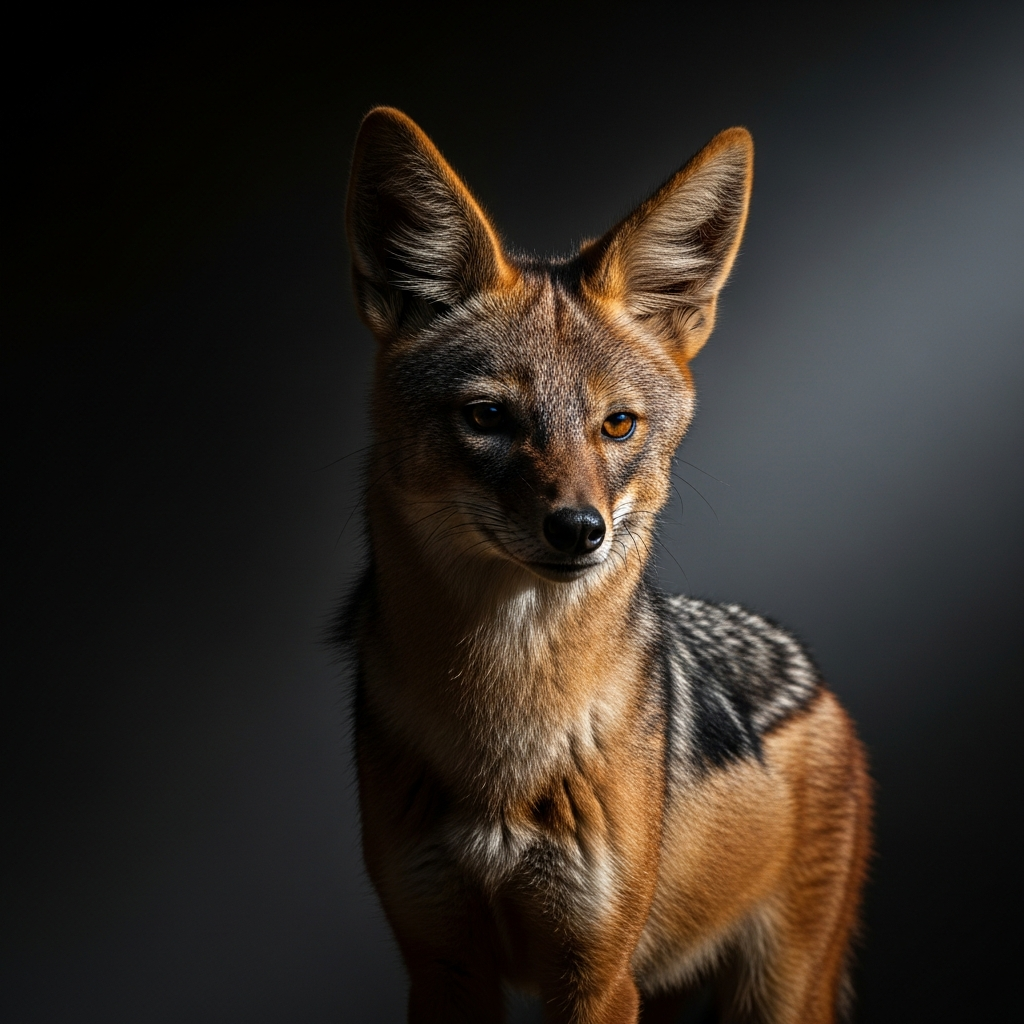
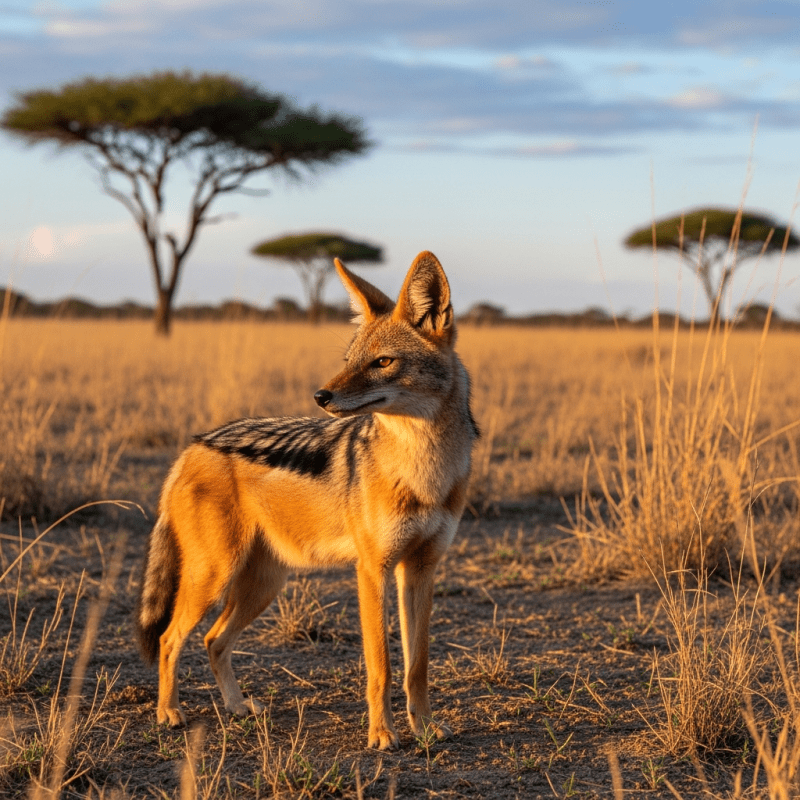
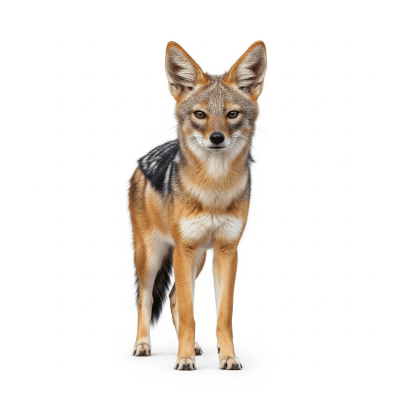
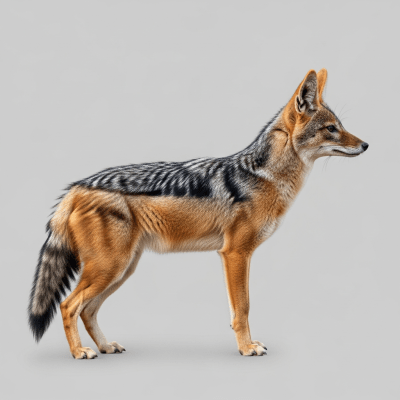
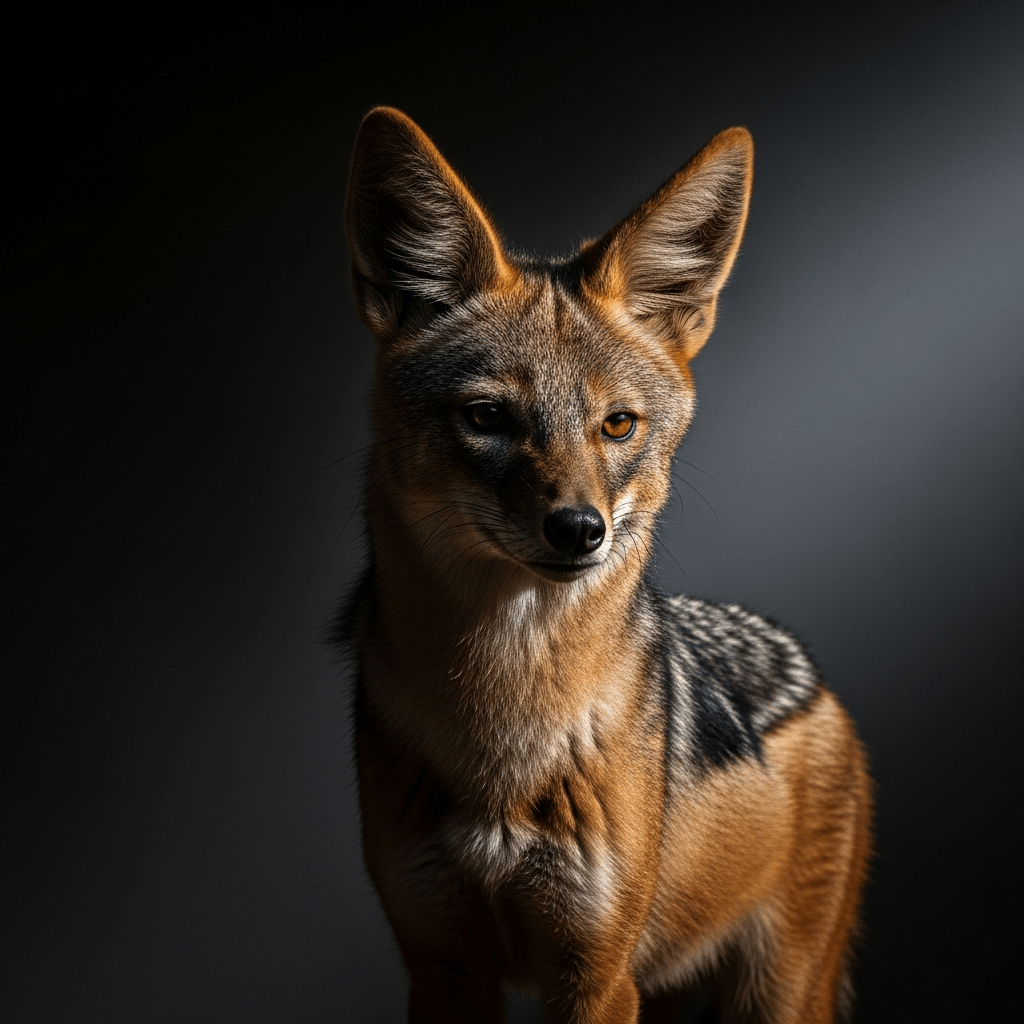
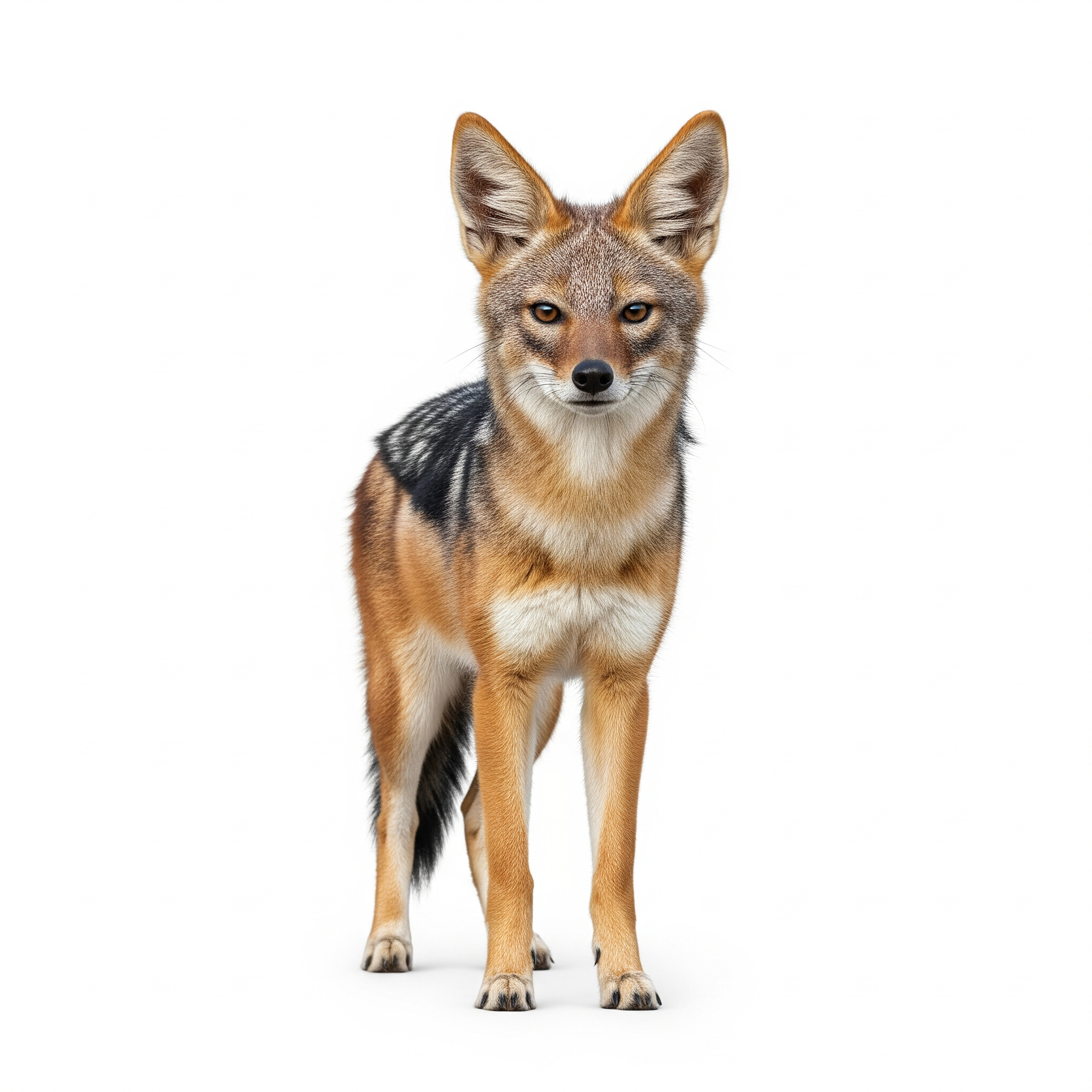
The Black-backed Jackal features a lithe, medium-sized frame measuring 45–90 cm in length (excluding tail) and weighing between 6–13 kg. Its reddish-brown coat is dramatically marked by a bold black saddle bordered in white, while the bushy tail is tipped in black. The jackal’s pointed ears, sharp muzzle, and agile build convey both alertness and adaptability, making it well-suited to diverse landscapes from savannas to woodlands.

Behavior or Usage

Black-backed Jackals are highly opportunistic omnivores, feeding on small mammals, birds, insects, fruits, and carrion. They form monogamous pairs and defend territories, often cooperating in the care of young. Their adaptability allows them to thrive in varied habitats, including peri-urban areas. While not domesticated or commercially bred, their ecological role as scavengers and rodent controllers is vital to natural systems. In some regions, they are viewed as pests due to predation on livestock.
Merchandise & Prints

Bring this kind into your world � illustrated posters, mugs, and shirts.

Black-backed Jackal Black-backed Jackal Poster

Black-backed Jackal Poster

Archival print, museum-grade paper

Black-backed Jackal Black-backed Jackal Mug

Black-backed Jackal Mug

Stoneware mug, dishwasher safe

Black-backed Jackal Black-backed Jackal Shirt

Black-backed Jackal Shirt

Soft cotton tee, unisex sizes

Attributes & Insights

Taxon-Specific Insights

🌍Cultural Significance

In African folklore, the Black-backed Jackal is often depicted as a clever trickster, embodying cunning and resourcefulness. While not a major figure in global myth, its reputation persists in local stories and oral traditions. The jackal’s presence in rural landscapes has shaped both practical attitudes—sometimes as a pest—and symbolic ones, representing adaptability and survival.

📌Notable Facts

  • The Black-backed Jackal’s lineage is among the oldest in the genus Canis, with fossil evidence dating to the Pleistocene.
  • It exhibits monogamous pair bonding and cooperative care of offspring, unusual among wild canids.
  • Jackals are highly tolerant of arid environments and can survive in both wild and peri-urban settings.
  • Despite their ecological benefits, they are sometimes persecuted due to predation on livestock.
  • Two subspecies exist, each adapted to distinct regions of Africa.

Domestication And Evolution

The Black-backed Jackal remains entirely wild, with no history of domestication. Canine domestication, in contrast, began thousands of years ago with the wolf, leading to the emergence of domestic dogs. The jackal’s evolutionary path diverged early, retaining ancient traits and behaviors suited to survival in Africa’s varied environments. Its lineage provides insight into the adaptive radiation of canids before human intervention shaped the domestic dog.

Visual Variations

High quality, studio-style photograph of a Black-backed Jackal
Photograph of a Black-backed Jackal, part of the taxonomy canines, in its typical natural environment
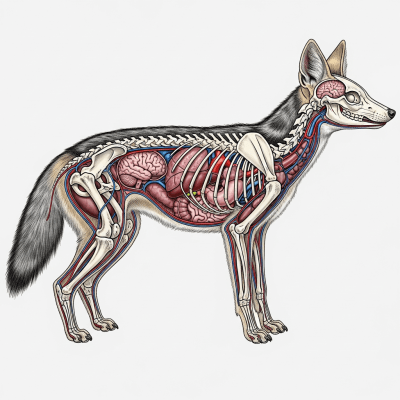
Detailed anatomical illustration of a Black-backed Jackal
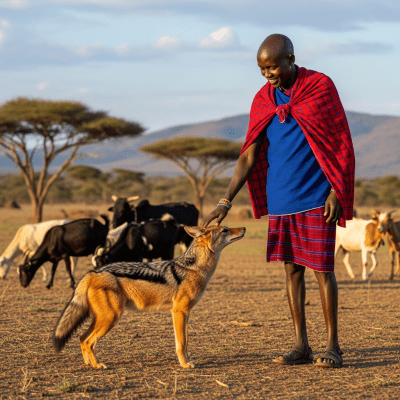
Image of a Black-backed Jackal interacting with humans in a cultural or practical context
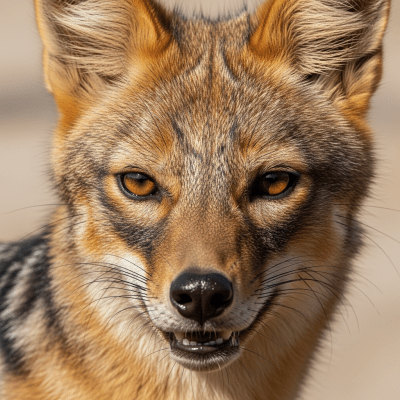
Close-up photograph of the face of a Black-backed Jackal
Photograph showing a juvenile (puppy) version of the Black-backed Jackal
Side profile photograph of a standing Black-backed Jackal, part of the taxonomy canines
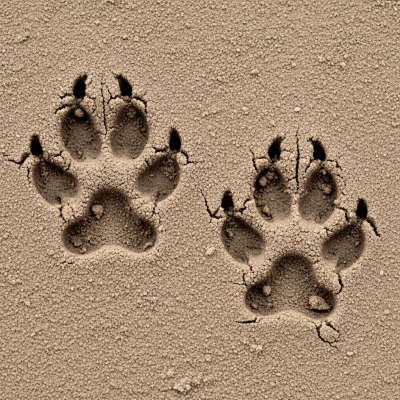
Image depicting tracks or footprints left by a Black-backed Jackal, belonging to the taxonomy canines

Composition & Context

Taxon-Specific Insights

Wild Vs Domestic

Unlike domesticated dogs, which have been bred for companionship and utility, wild canines such as the Black-backed Jackal maintain natural behaviors—territoriality, monogamous pair bonds, and opportunistic feeding. While domestic dogs rely on humans for food and shelter, jackals must adapt to unpredictable environments, avoid human conflict, and secure resources independently. Their resilience and ecological roles contrast sharply with the dependence and diversity seen in domestic breeds.

Breeds And Species

The Black-backed Jackal is one of several jackal species within the genus Canis, alongside relatives like the side-striped and golden jackals. Two subspecies are recognized: Canis mesomelas mesomelas in southern Africa and Canis mesomelas schmidti in eastern Africa, each with subtle differences in size and coloration. Unlike domestic dogs, there are no formal breeds, but regional adaptation highlights the diversity within the species.

Ecological Role

As both predator and scavenger, the Black-backed Jackal plays a crucial role in African ecosystems. By hunting small mammals and birds, consuming insects and fruits, and scavenging carrion, jackals help control populations, recycle nutrients, and limit disease spread. Their presence supports ecological balance, benefiting both natural habitats and human agriculture by reducing rodent pests.

Health And Welfare

Black-backed Jackals are resilient to harsh climates and dietary changes but face threats from rabies, canine distemper, and human persecution. Their welfare is closely tied to habitat quality and human attitudes; conflict over livestock can lead to culling. Conservation efforts focus on disease monitoring and promoting coexistence, as jackals are vital for ecosystem health but vulnerable to targeted eradication.

Famous Canines

While individual Black-backed Jackals are not widely celebrated in popular culture, the species itself is renowned in African folklore as a symbol of cleverness and adaptability. Tales of jackals outwitting larger animals or humans are common in oral traditions, reinforcing their reputation as iconic tricksters of the savanna.

🦊Conservation Status

The Black-backed Jackal is currently listed as Least Concern by the IUCN, reflecting its wide distribution and stable populations. However, localized threats include habitat loss, disease, and persecution due to livestock predation. Conservation strategies emphasize habitat protection, disease control, and education to mitigate human-wildlife conflict and ensure the species’ continued ecological role.

Regional Variations

Regional differences in the Black-backed Jackal are most evident between the two subspecies: C. m. mesomelas of southern Africa and C. m. schmidti of eastern Africa. These variants show subtle distinctions in size, coloration, and habitat preference, reflecting adaptation to local environments. Alternate names such as Cape Jackal and Schmidti’s Jackal are used regionally, and folklore may vary by area, but the species remains a unifying presence across much of sub-Saharan Africa.

Faq

  • Are Black-backed Jackals dangerous to humans?
    Generally, they avoid humans and pose little direct threat; conflicts mostly arise over livestock predation.
  • Do Black-backed Jackals live in groups?
    They typically form monogamous pairs and may cooperate in raising young, but do not live in large packs.
  • Can Black-backed Jackals be domesticated?
    No; all populations are wild, and there is no history of domestication or formal breeding.