Beringian Wolf
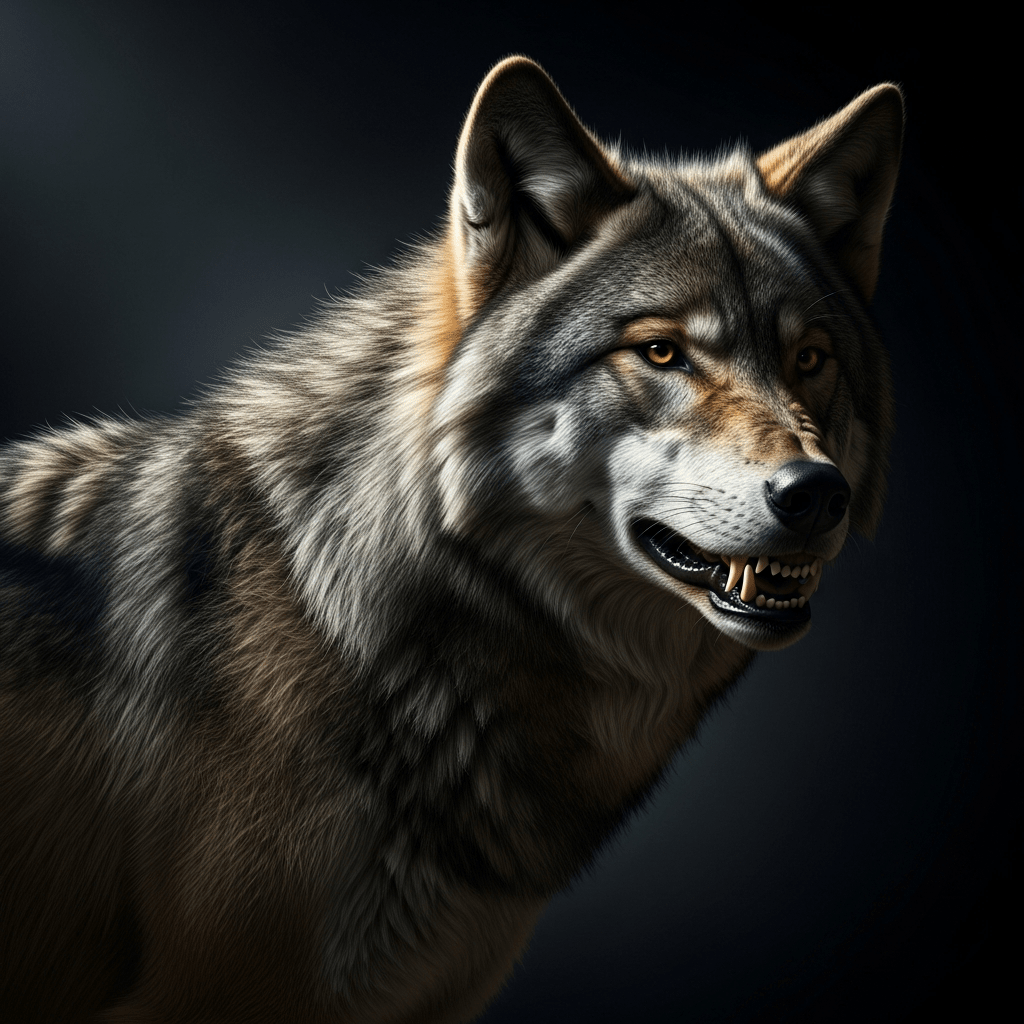
The Beringian wolf (Canis lupus bernardi) was a large, extinct subspecies of gray wolf, uniquely adapted to the icy landscapes and megafauna of Pleistocene Beringia.
The Beringian wolf (Canis lupus bernardi) was a large, extinct subspecies of gray wolf, uniquely adapted to the icy landscapes and megafauna of Pleistocene Beringia.
Originating in the vast Beringia region—which once connected present-day Alaska, Yukon, and Siberia—the Beringian wolf thrived during the Late Pleistocene. First described from fossil remains in Alaska and Yukon, this subspecies diverged from Eurasian and North American gray wolves, evolving distinctive traits to survive the harsh, open environments and hunt formidable prey. Its extinction coincided with the end of the Ice Age, as shifting climates and the disappearance of large herbivores transformed its habitat irreversibly.
Taxonomically, the Beringian wolf is classified within the family Canidae, genus Canis, species lupus, and subspecies bernardi. This places it within the broader gray wolf complex, but its robust morphology and fossil record distinguish it as a unique Pleistocene lineage. Its formal scientific name, Canis lupus bernardi, reflects both its wolf ancestry and its regional adaptation.
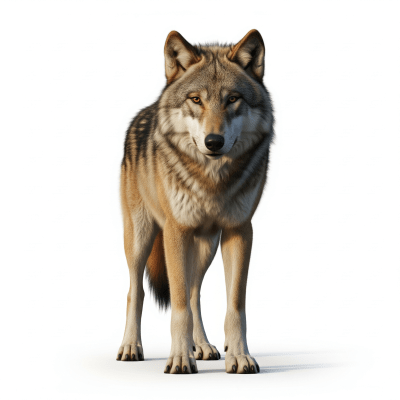
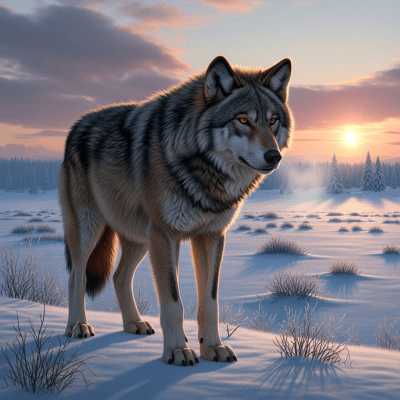
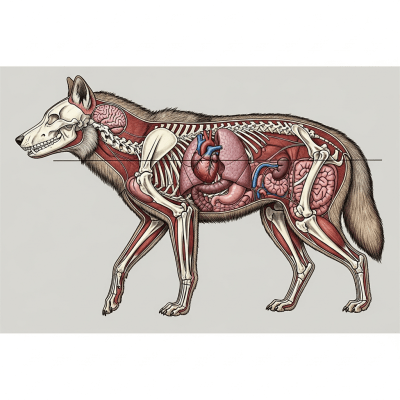
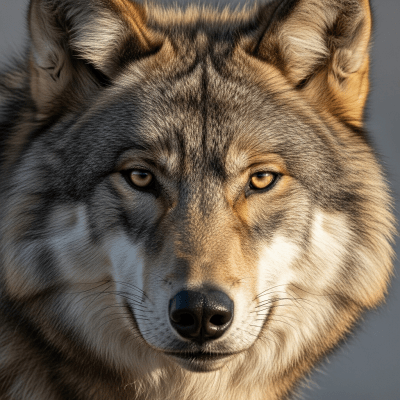
The Beringian wolf was larger and sturdier than modern gray wolves, with a shoulder height reaching up to 90 cm and a body mass exceeding 60 kg. Its skull was broad and powerful, featuring strong jaws and heavily worn teeth—evidence of a diet rich in bone and flesh from Ice Age megafauna. The animal's dense fur and muscular build were well-suited to frigid, open steppe environments, giving it a formidable presence among Pleistocene predators.
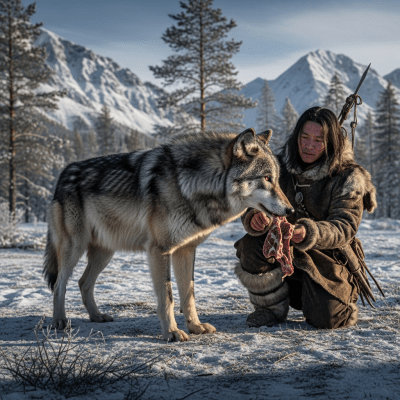
As a wild carnivore, the Beringian wolf was both a predator and a scavenger, specializing in hunting large animals like bison, horses, and mammoths. Its adaptations for hypercarnivory—such as increased bite force and robust dental structure—enabled it to process tough, nutrient-rich prey. There is no evidence of domestication or direct interaction with humans, but its ecological role was pivotal in maintaining the balance of Ice Age ecosystems.
Bring this kind into your world illustrated posters, mugs, and shirts.
Archival print, museum-grade paper
Buy Poster
Stoneware mug, dishwasher safe
Buy Mug
Soft cotton tee, unisex sizes
Buy ShirtWhile the Beringian wolf itself does not feature prominently in folklore or art, its fossilized remains have become icons of Ice Age research and paleontology. The subspecies helps illuminate the evolutionary history of wolves and the dramatic environmental changes that shaped North American fauna. Its story is woven into scientific narratives about extinction, adaptation, and the ancient connections between continents.
The Beringian wolf represents a distinct evolutionary branch within the gray wolf complex, diverging during the Pleistocene as populations adapted to cold, resource-rich environments. Unlike domestic dogs, which emerged from other wolf lineages through human-driven selection, the Beringian wolf remained wild and specialized. Its extinction marks a pivotal moment in the evolutionary history of canines, highlighting the impact of environmental change on species survival.
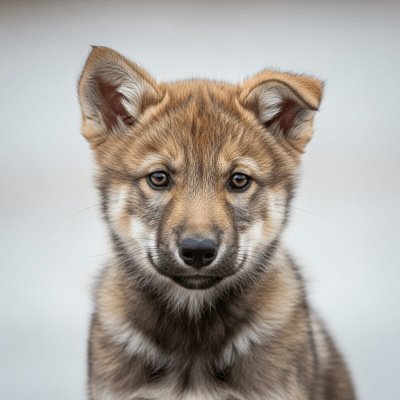

Wild canines like the Beringian wolf exhibit traits shaped by natural selection—robust builds, heightened predatory instincts, and adaptations for survival in extreme environments. In contrast, domesticated dogs have undergone thousands of years of selective breeding, resulting in diverse sizes, temperaments, and behaviors tailored to human companionship and utility. The Beringian wolf, as a wild subspecies, exemplified the strength and resilience required for life in the Pleistocene, while domestic dogs reflect the flexibility and sociability fostered by domestication.
The Beringian wolf belonged to the species Canis lupus, which encompasses a broad array of subspecies, including the modern gray wolf and domestic dog. While not a breed in the conventional sense, its unique adaptations set it apart from other Pleistocene and contemporary wolves. Today, the family Canidae includes diverse genera and species—from the red fox (Vulpes vulpes) to the African wild dog (Lycaon pictus)—demonstrating remarkable variation in form, behavior, and ecological niche.
As a top predator and scavenger, the Beringian wolf played a crucial role in Ice Age ecosystems. By hunting and consuming large herbivores, it helped regulate prey populations and recycle nutrients. Its presence influenced the structure of Pleistocene food webs, and its extinction contributed to shifts in ecological balance following the disappearance of megafauna. The study of its remains provides valuable insights into ancient predator-prey dynamics and the fragility of specialized ecological roles.
While direct health data is unavailable for extinct species, fossil evidence suggests the Beringian wolf was well-adapted to cold climates and capable of processing tough, bony prey. Its robust anatomy likely conferred resistance to injury during hunting. However, the subspecies ultimately succumbed to environmental pressures—habitat loss and prey extinction—underscoring the vulnerability of even the most specialized carnivores to rapid ecological change.
Though no individual Beringian wolves are known by name, notable fossil specimens curated by institutions like the Smithsonian have become reference points in paleontological research. These remains have shaped our understanding of Ice Age predators and continue to inspire scientific inquiry into the history of canines.
The Beringian wolf is extinct and not assessed by the IUCN Red List. Its disappearance at the end of the Pleistocene reflects the broader pattern of megafaunal extinction driven by climate change and habitat transformation. While conservation efforts focus on protecting extant canid species, the Beringian wolf serves as a reminder of the importance of preserving ecological diversity and understanding the factors that lead to species loss.
Fossil evidence places the Beringian wolf across Alaska, Yukon, and Siberia, regions once unified by the Beringia land bridge. Within this range, the subspecies exhibited adaptations to cold, open steppe environments and large prey availability. In paleontological literature, it is sometimes grouped with other extinct Pleistocene wolves, but its distinctive morphology sets it apart as a unique regional variant of the gray wolf lineage.