Bat-Eared Fox
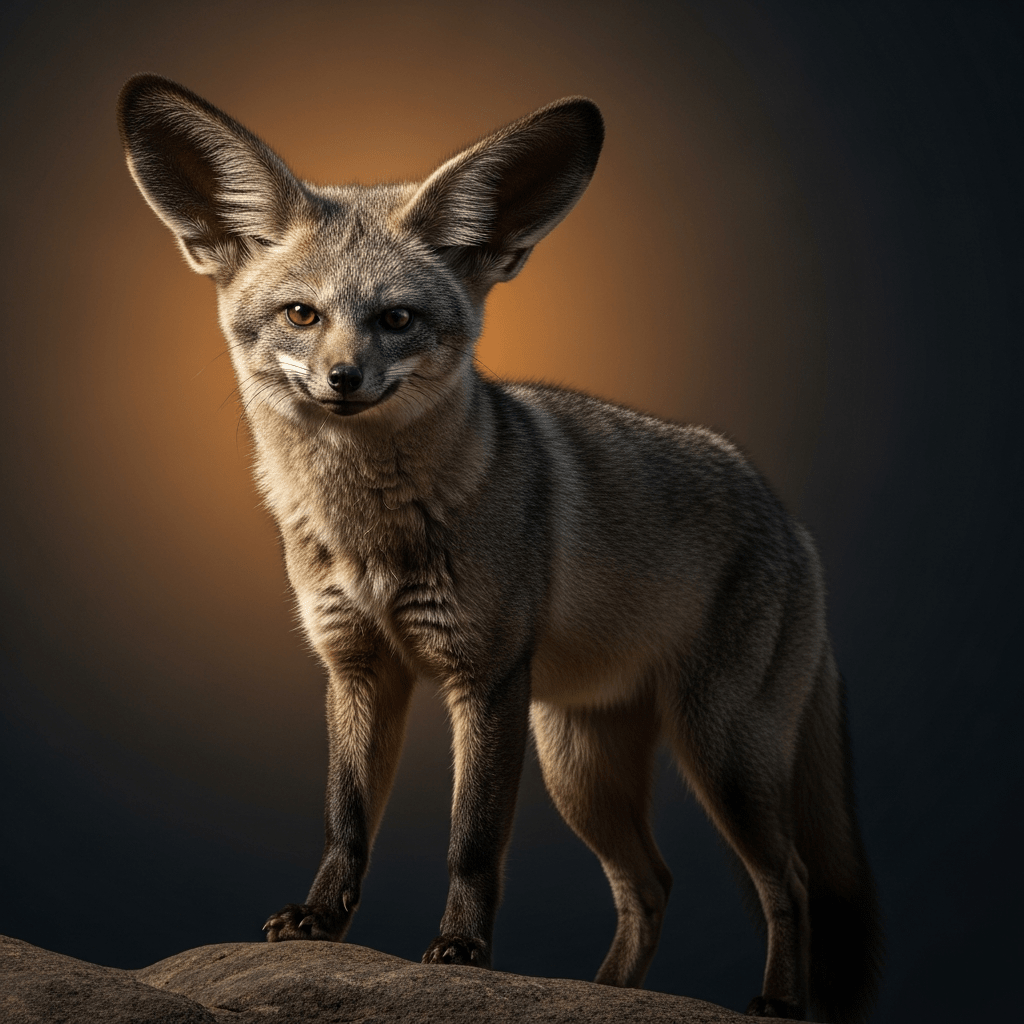
The Bat-eared Fox (Otocyon megalotis) is a small, insect-eating canid native to the open savannas and arid regions of eastern and southern Africa, instantly recognized by its oversized ears and unique social behaviors.
The Bat-eared Fox (Otocyon megalotis) is a small, insect-eating canid native to the open savannas and arid regions of eastern and southern Africa, instantly recognized by its oversized ears and unique social behaviors.
First described by Müller in 1836, the Bat-eared Fox represents a basal branch of the Canidae family and is the sole member of its genus, Otocyon. Its evolutionary lineage is distinct among African canids, with no recognized subspecies. Specimens have been collected throughout its African range, and key reference material is preserved in renowned institutions such as the Smithsonian and British Museum (Natural History).
Taxonomically, the Bat-eared Fox belongs to the family Canidae, but stands apart as the only species in the genus Otocyon. This places it outside the typical fox and wolf genera, highlighting its unique evolutionary position. Unlike other African foxes, it is not closely related to the genus Vulpes, and its specialized traits mark it as a distinct lineage within the broader canid family.
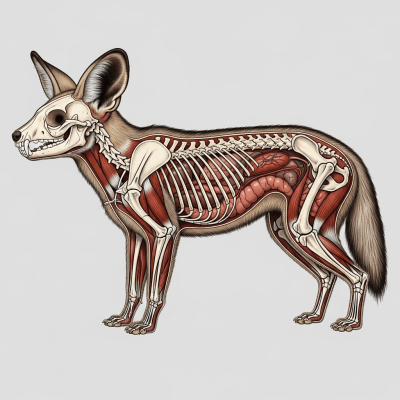
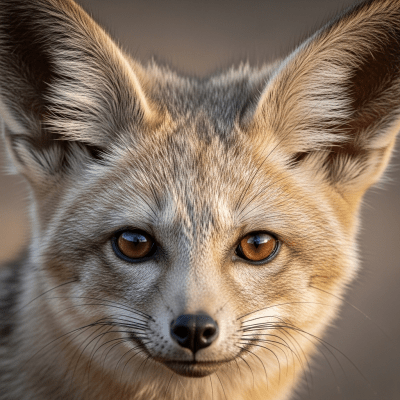
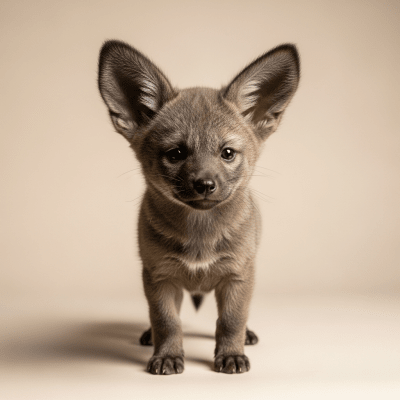
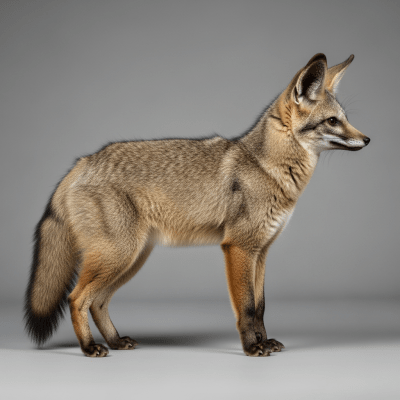
The Bat-eared Fox is compact, with a head-body length of 46–66 cm and a tail measuring 23–34 cm. Weighing between 3 and 5.3 kg, its fur ranges from pale grey to tawny, accented by darker limbs and facial markings. Its most striking feature is a pair of enormous ears, reaching up to 13 cm, which not only give the animal its name but also enhance hearing and help dissipate heat. Agile and digitigrade, it moves nimbly across open terrain, equipped with more teeth than any other canid—a trait adapted for its insectivorous diet.
Primarily nocturnal, Bat-eared Foxes are social creatures, forming monogamous pairs or small family groups. Their behavior is shaped by their diet: they specialize in hunting termites and other insects, using their acute hearing and rapid digging skills. These foxes play a vital ecological role by controlling insect populations, particularly in agricultural landscapes. Unlike many canids, they are not commonly hunted or used by humans, but their presence is valued for natural pest management and occasionally highlighted in ecotourism and wildlife education.
Bring this kind into your world illustrated posters, mugs, and shirts.
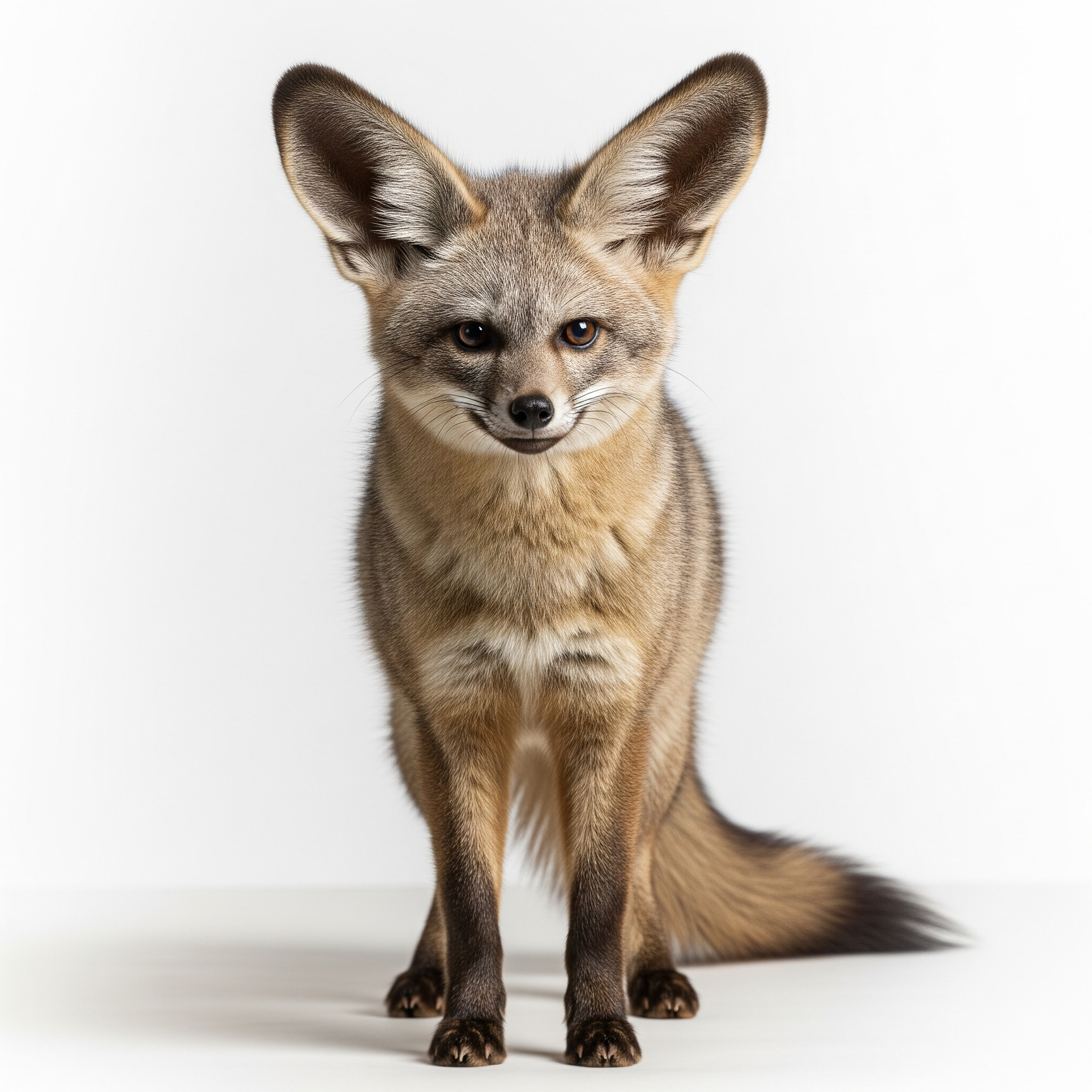
Archival print, museum-grade paper
Buy Poster
Stoneware mug, dishwasher safe
Buy Mug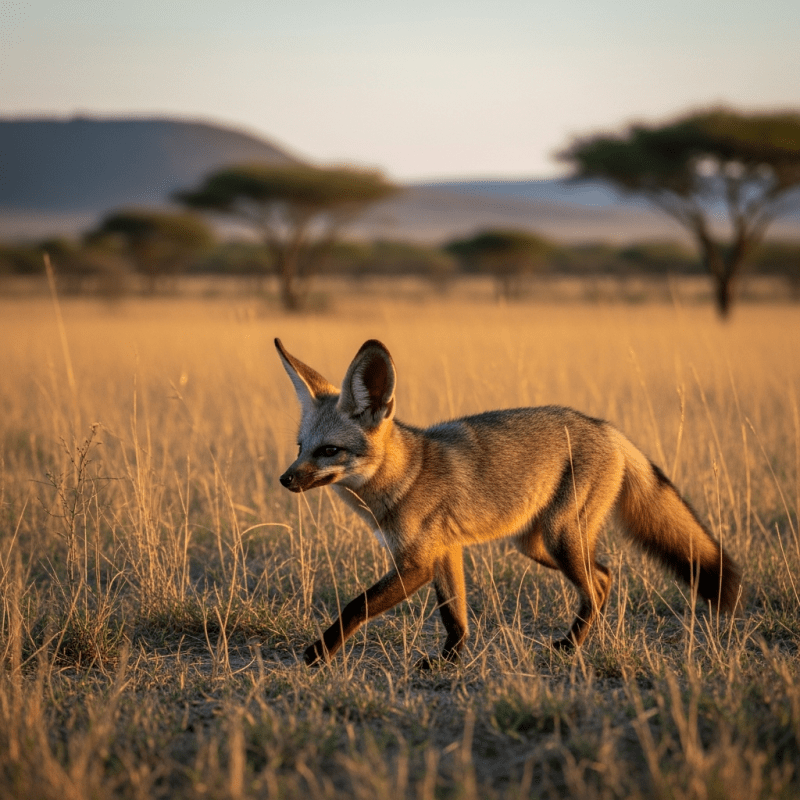
Soft cotton tee, unisex sizes
Buy ShirtWhile the Bat-eared Fox is not a prominent figure in global folklore or art, it holds a quiet significance in African culture, where its distinctive ears and elusive habits inspire local stories and names. Its role in maintaining ecological balance is increasingly recognized in conservation and educational contexts, and it sometimes features in wildlife tourism as a symbol of Africa’s unique biodiversity.
Canines have a rich evolutionary history, with domestication beginning tens of thousands of years ago. The Bat-eared Fox, however, remains a wild species, representing a basal lineage within the family. Unlike domestic dogs, which evolved through close association with humans, the Bat-eared Fox has retained its specialized insectivorous adaptations and social structures, diverging early from other canid branches.



Wild canines like the Bat-eared Fox differ markedly from domesticated dogs. While domestic dogs have been bred for companionship and utility, wild species maintain natural behaviors and survival strategies. The Bat-eared Fox, for example, is nocturnal, forms stable family groups, and specializes in insect hunting—traits shaped by its environment rather than human influence. Unlike domestic breeds, it is not kept as a pet and remains largely untouched by direct human intervention.
The Bat-eared Fox is the only member of its genus, Otocyon, and does not have recognized subspecies or breeds. This sets it apart from other canines, such as domestic dogs (Canis lupus familiaris) or the diverse foxes in the genus Vulpes. Its unique dental and auditory adaptations distinguish it from related African canids like the Cape fox or African wild dog.
Bat-eared Foxes play a crucial role in their ecosystems by controlling populations of termites and other insects. Their foraging helps maintain the balance of invertebrate communities, which is beneficial for agriculture and natural habitats. As part of the broader canid family, they contribute to population control, nutrient cycling, and the health of savanna and arid landscapes.
In the wild, Bat-eared Foxes are resilient to arid conditions but sensitive to habitat fragmentation and loss. They are not subject to common canine diseases associated with domestication, but environmental pressures—such as agricultural expansion and incidental trapping—pose risks. Conservation efforts focus on habitat protection to ensure their continued welfare and ecological function.
While the Bat-eared Fox itself is not associated with famous individuals, it is a notable species within African wildlife and often featured in natural history exhibits and educational programs. Its distinctive appearance and behaviors make it a favorite among wildlife enthusiasts and ecotourism guides.
The Bat-eared Fox is not currently listed as endangered, but its populations are affected by habitat loss and fragmentation. Conservation efforts prioritize protecting savanna and arid habitats, monitoring populations, and promoting awareness of its ecological importance. As with many wild canines, ongoing vigilance is required to safeguard its future.
No formal regional subspecies of the Bat-eared Fox are recognized, though local names and slight morphological differences exist across its range in eastern and southern Africa. It is sometimes confused with other small African foxes, but remains taxonomically distinct and uniquely adapted to its environment.