African Wild Dog
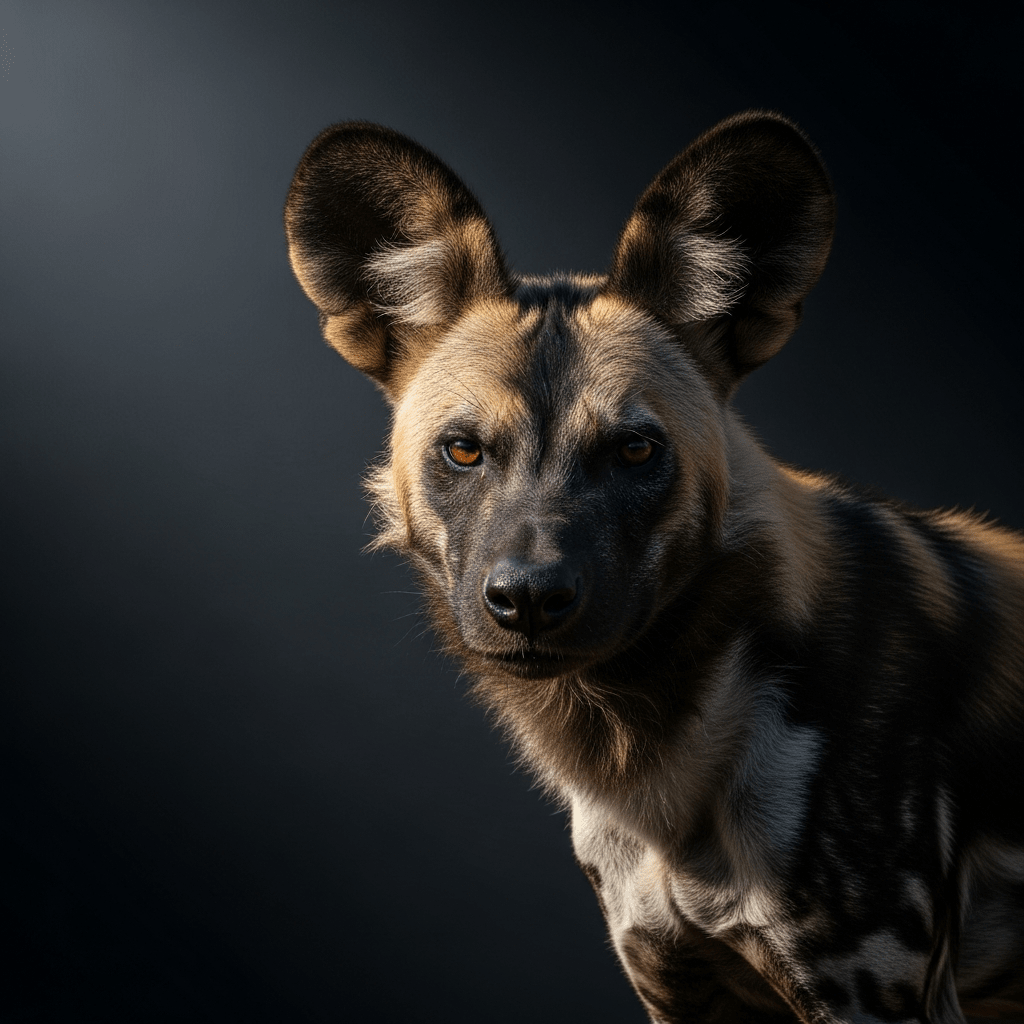
The African Wild Dog (Lycaon pictus), also known as the painted wolf, is a highly social and endangered canid native to sub-Saharan Africa, renowned for its distinctive mottled coat and cooperative pack hunting.
The African Wild Dog (Lycaon pictus), also known as the painted wolf, is a highly social and endangered canid native to sub-Saharan Africa, renowned for its distinctive mottled coat and cooperative pack hunting.
First described scientifically in 1820 by Coenraad Jacob Temminck, the African Wild Dog represents the sole living member of the genus Lycaon. Its lineage traces back through a long evolutionary history rooted in Africa, with no domesticated or bred variants known.
Belonging to the family Canidae, the African Wild Dog is classified as Lycaon pictus, a unique species within the genus Lycaon. It stands apart from other canids like wolves, foxes, and jackals, with no recognized subspecies accepted by most authorities.
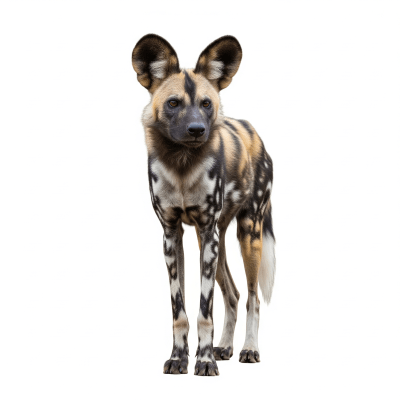
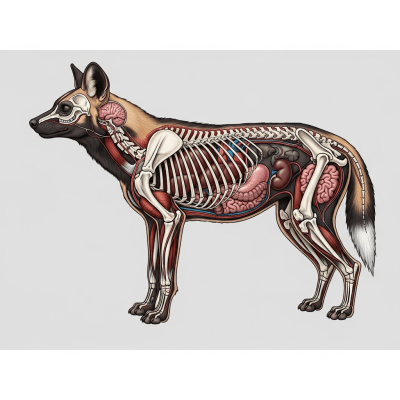
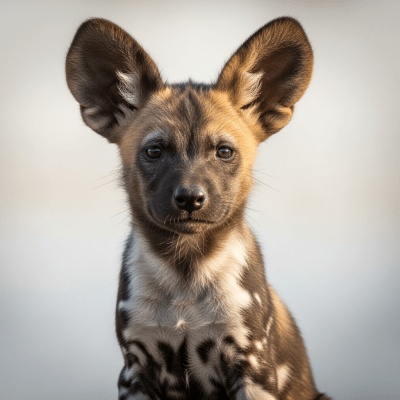
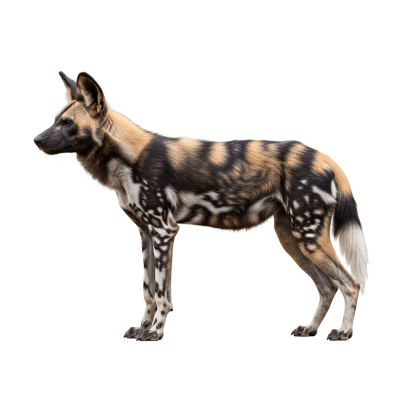
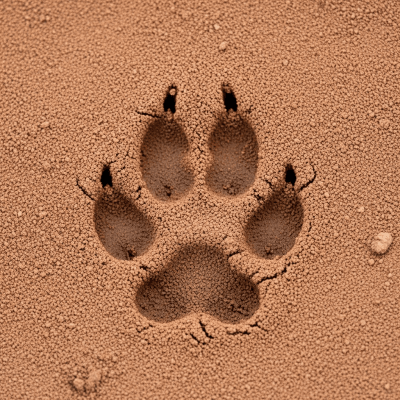
Medium-sized and strikingly patterned, African Wild Dogs weigh between 18 and 36 kilograms and stand 60 to 75 centimeters tall at the shoulder. Their short fur features irregular patches of black, brown, yellow, and white, creating a unique 'painted' appearance for each individual. Notably, they have only four toes per foot, and their large, rounded ears serve both for acute hearing and thermoregulation.
These canids are obligate carnivores and highly cooperative hunters, living in packs with complex social hierarchies. Their coordinated strategies make them among Africa’s most effective predators, primarily preying on medium-sized ungulates. Lifespans in the wild average 10 to 12 years. They are not domesticated and have no direct utility for humans beyond ecological roles.
Bring this kind into your world illustrated posters, mugs, and shirts.
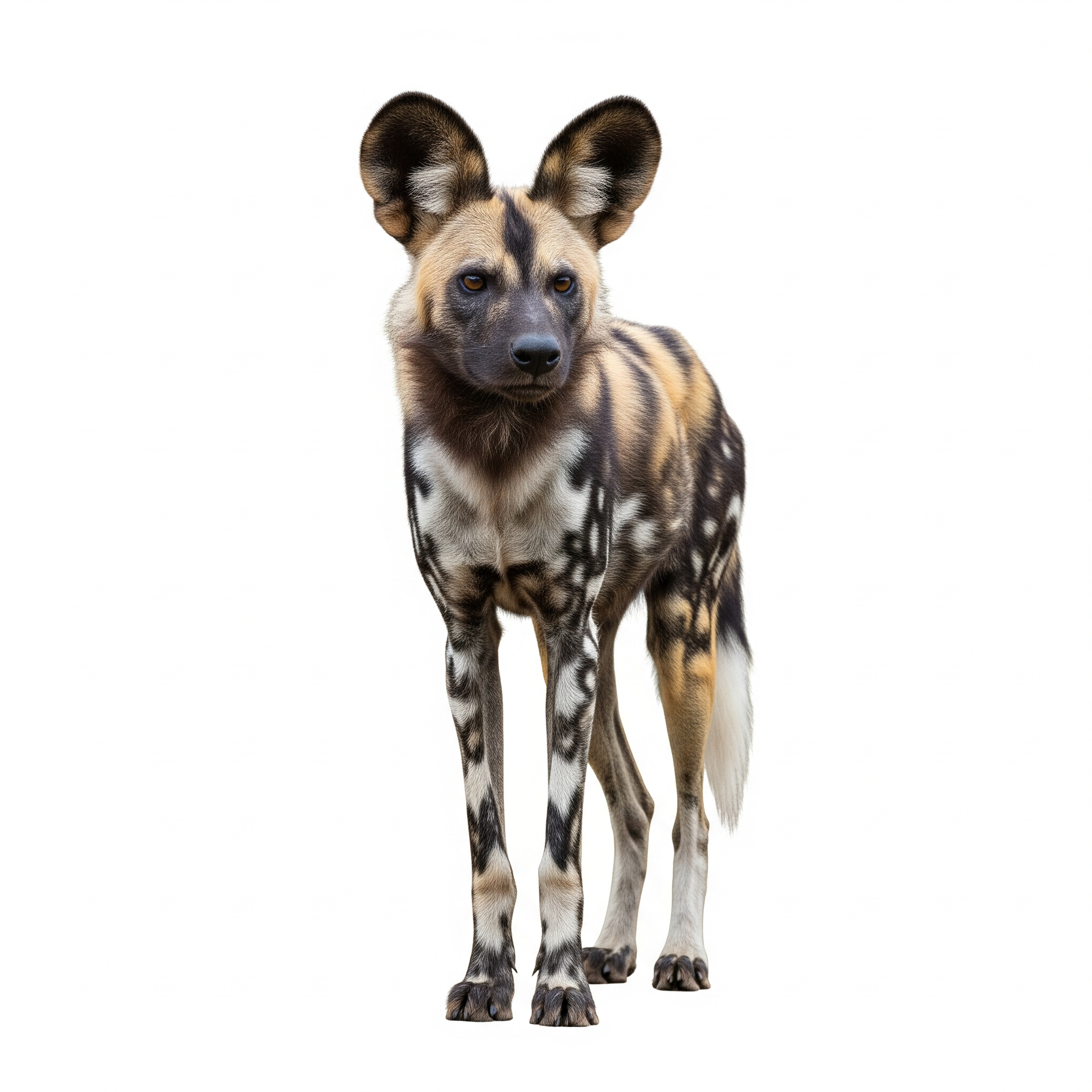
Archival print, museum-grade paper
Buy Poster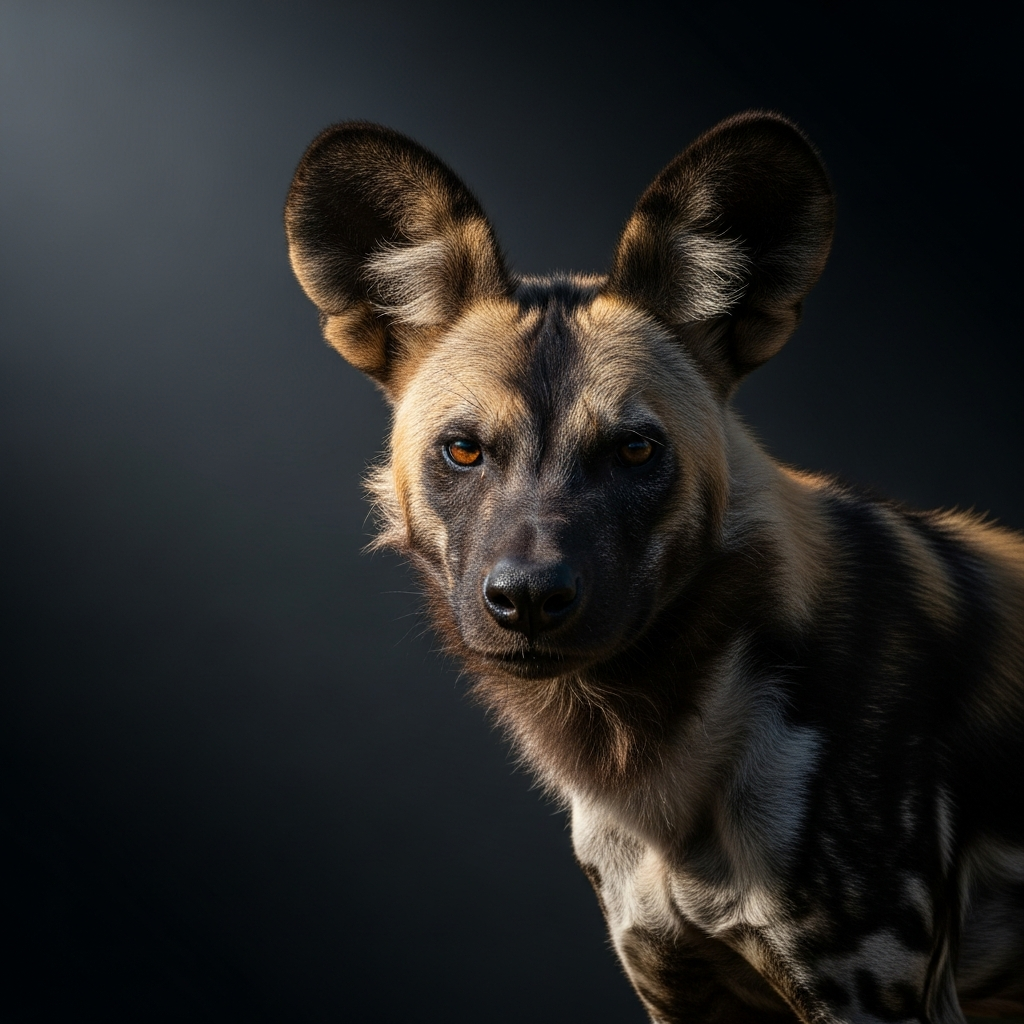
Stoneware mug, dishwasher safe
Buy Mug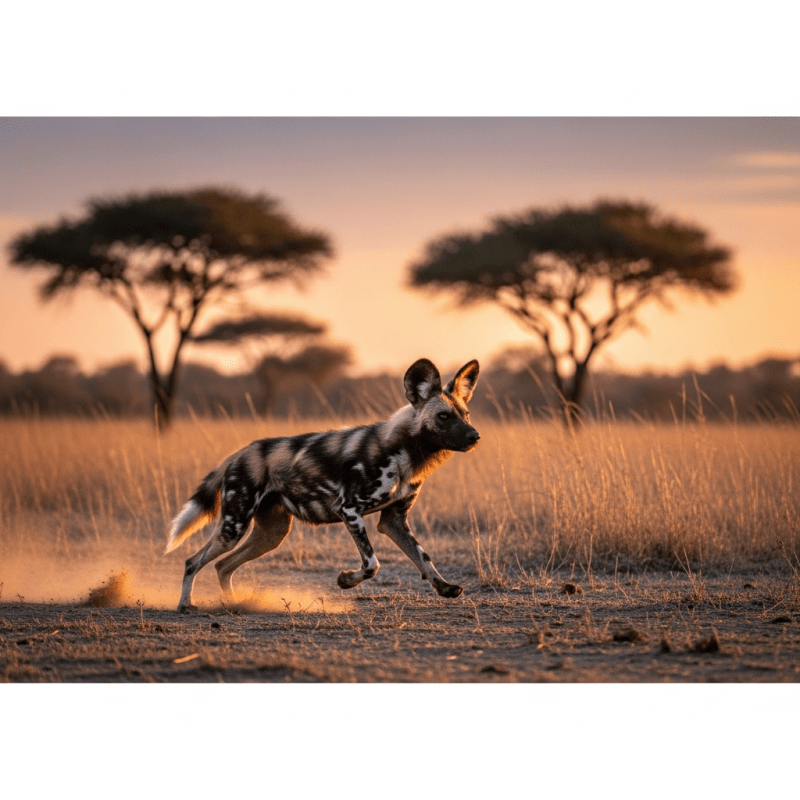
Soft cotton tee, unisex sizes
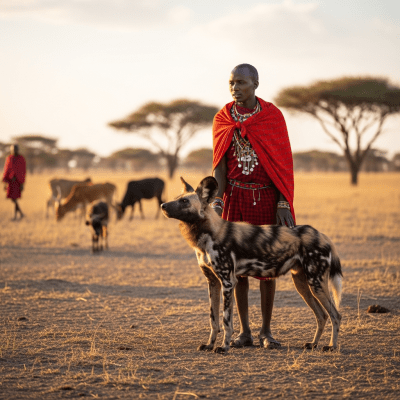
Buy ShirtThe African Wild Dog holds ecological importance as a keystone predator and features prominently in local folklore and ecotourism. While not used commercially or culinarily, its presence enriches cultural narratives and supports wildlife tourism across its range.
The African Wild Dog has no recognized subspecies or breeds. While regional naming variants exist, such as painted wolf or Cape hunting dog, taxonomic authorities consider the species uniform without formal subdivisions.
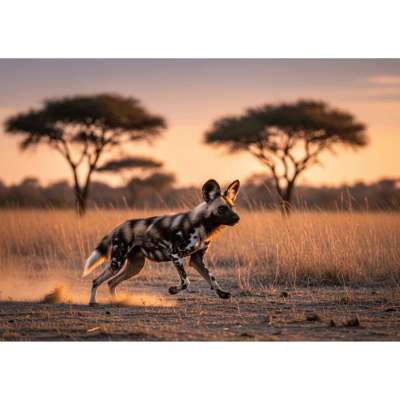

Native exclusively to sub-Saharan Africa, African Wild Dogs inhabit savannas, grasslands, and open woodlands. Their range is fragmented due to human encroachment, but they persist in protected areas across countries like Botswana, Tanzania, and South Africa.
As wild animals, African Wild Dogs face health challenges including infectious diseases such as rabies and canine distemper, often transmitted from domestic dogs. Conservation efforts focus on disease management, habitat protection, and minimizing human-wildlife conflict rather than direct care.
African Wild Dogs exhibit complex social behaviors within packs, including cooperative hunting, pup care, and communication through vocalizations and body language. They are not trainable in a domestic sense and rely on natural instincts and social bonds to survive.
The African Wild Dog is classified as endangered, with populations declining due to habitat fragmentation, human persecution, and disease. Conservation initiatives include protected reserves, anti-poaching measures, and community education to promote coexistence and species recovery.