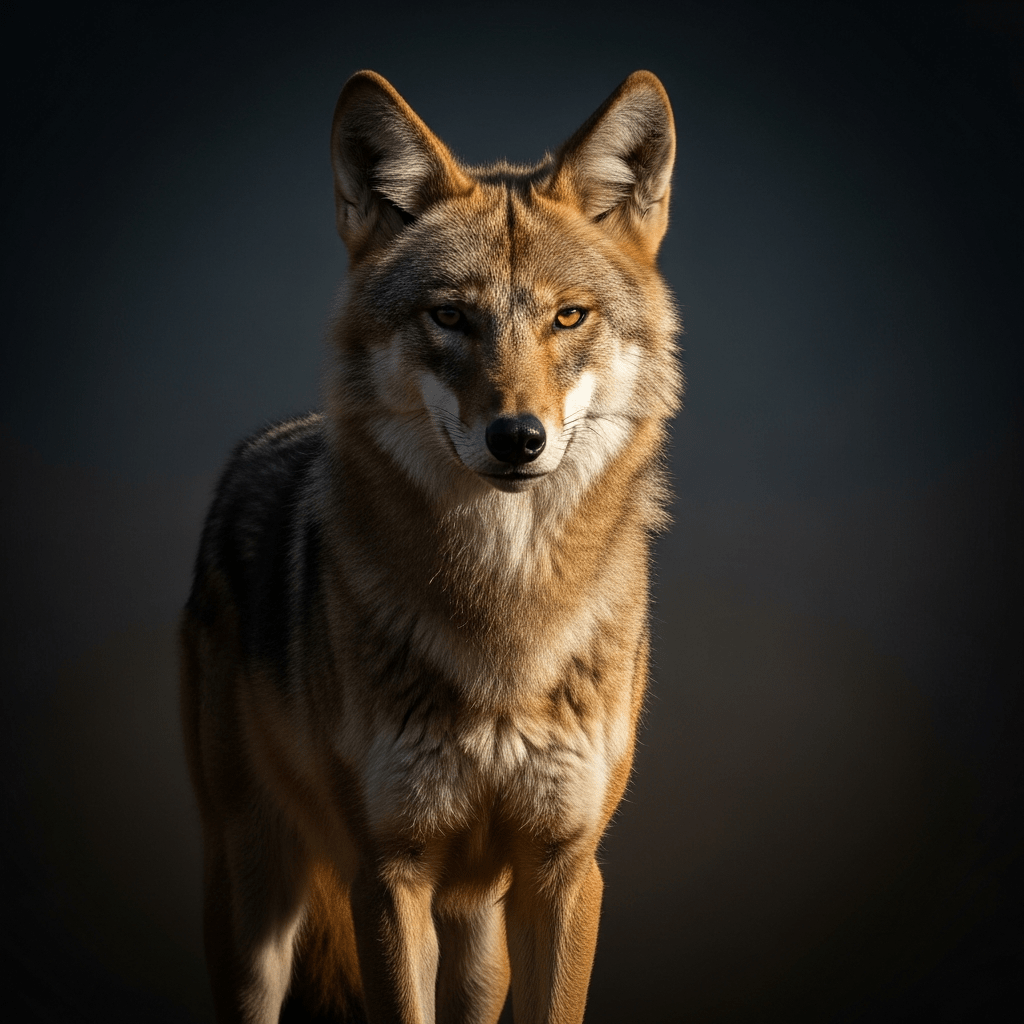
African Golden Wolf
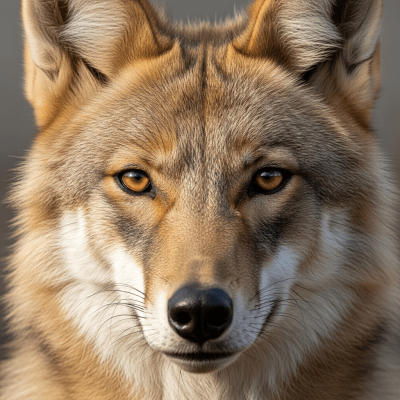
The African Golden Wolf (Canis anthus) is a medium-sized wild canid native to North and East Africa, instantly recognizable by its golden-yellow coat and remarkable adaptability across diverse habitats.
The African Golden Wolf (Canis anthus) is a medium-sized wild canid native to North and East Africa, instantly recognizable by its golden-yellow coat and remarkable adaptability across diverse habitats.
Long mistaken for a subspecies of the Eurasian golden jackal, the African Golden Wolf was formally recognized as a distinct species in 2015 after genetic and morphological studies revealed its unique evolutionary lineage. Its ancestry traces deep into the canid family tree, linking both African and Eurasian ancestors, and its wild populations have roamed the savannas, steppes, and mountains of Africa for millennia.
Belonging to the family Canidae, the African Golden Wolf is classified under the genus Canis and species Canis anthus. This places it alongside wolves, coyotes, and jackals, but genetic research has confirmed its distinction from the Eurasian golden jackal (Canis aureus), making it a unique representative of Africa’s canid diversity.
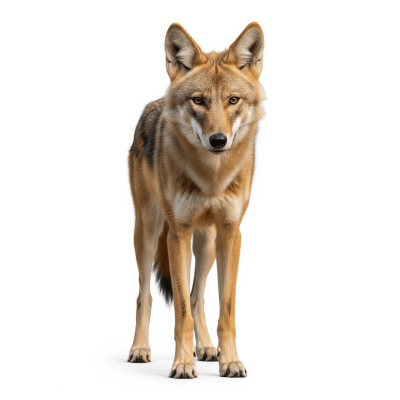
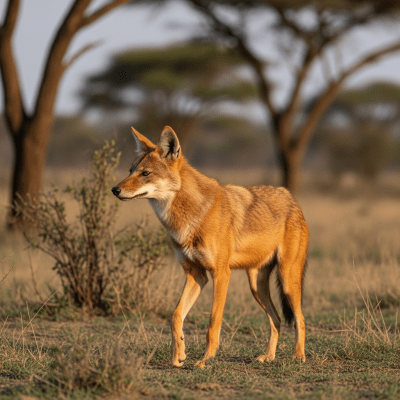
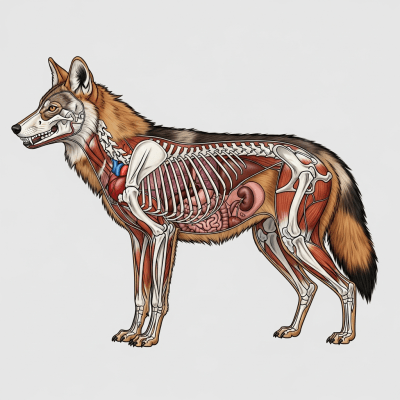
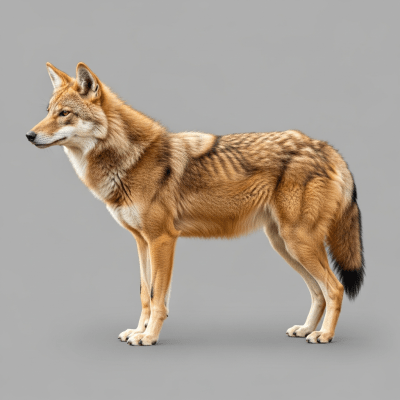
The African Golden Wolf stands 40–50 cm tall at the shoulder and weighs between 7–15 kg. Its fur glimmers in shades from pale gold to tawny, accented by white underparts and darker streaks along the back and tail. With a slender, agile build, pointed ears, and a bushy tail, it radiates the classic elegance of wild canids, perfectly suited for stealth and endurance in open landscapes.
Highly adaptable, African Golden Wolves thrive in environments ranging from arid steppes and savannas to coastal and mountainous regions. Their omnivorous diet includes small mammals, birds, reptiles, insects, fruits, and carrion. Socially, they may live alone or in small family groups, displaying flexible organization based on local conditions. As mesopredators, they play a vital role in controlling rodent populations and maintaining ecological balance.
Bring this kind into your world illustrated posters, mugs, and shirts.
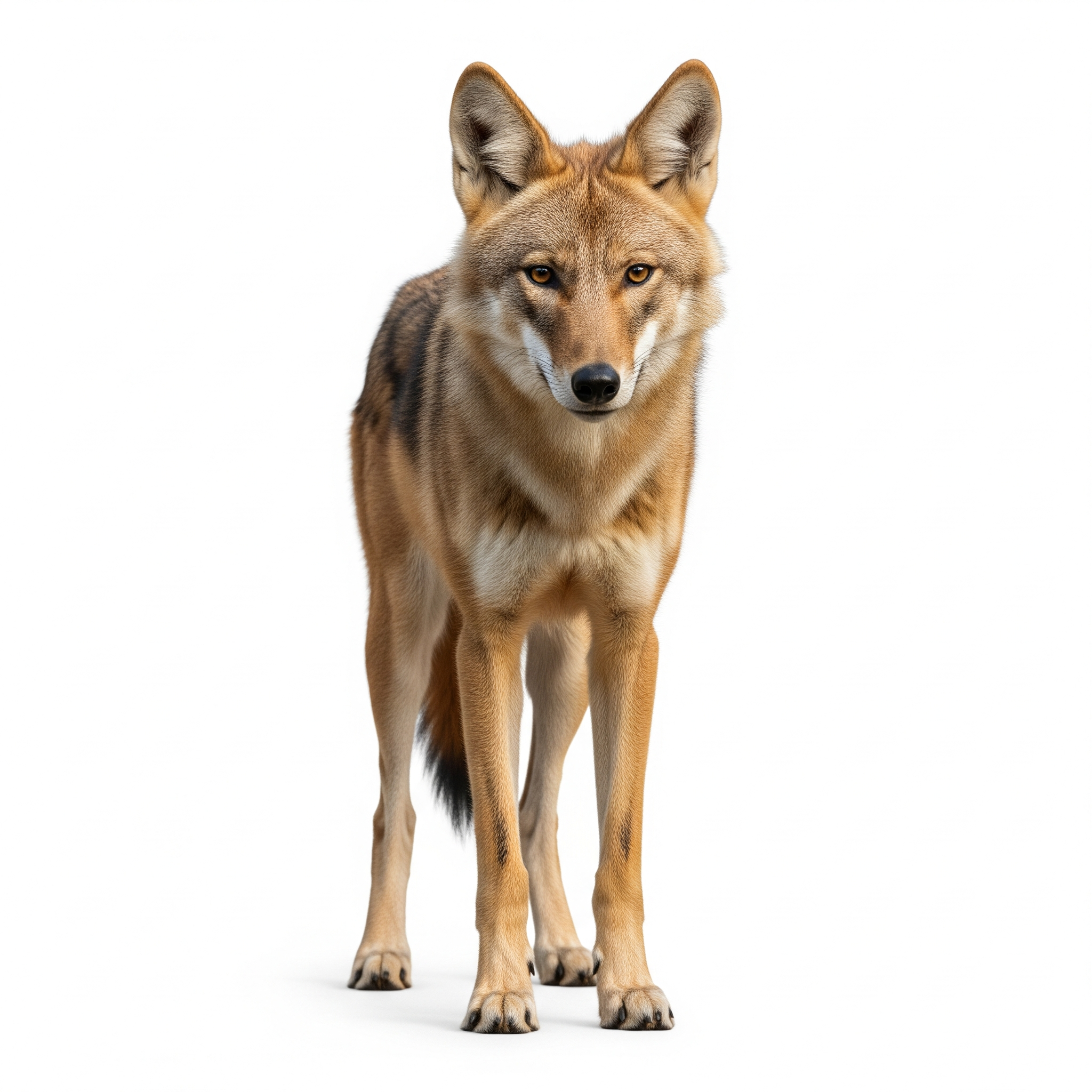
Archival print, museum-grade paper
Buy Poster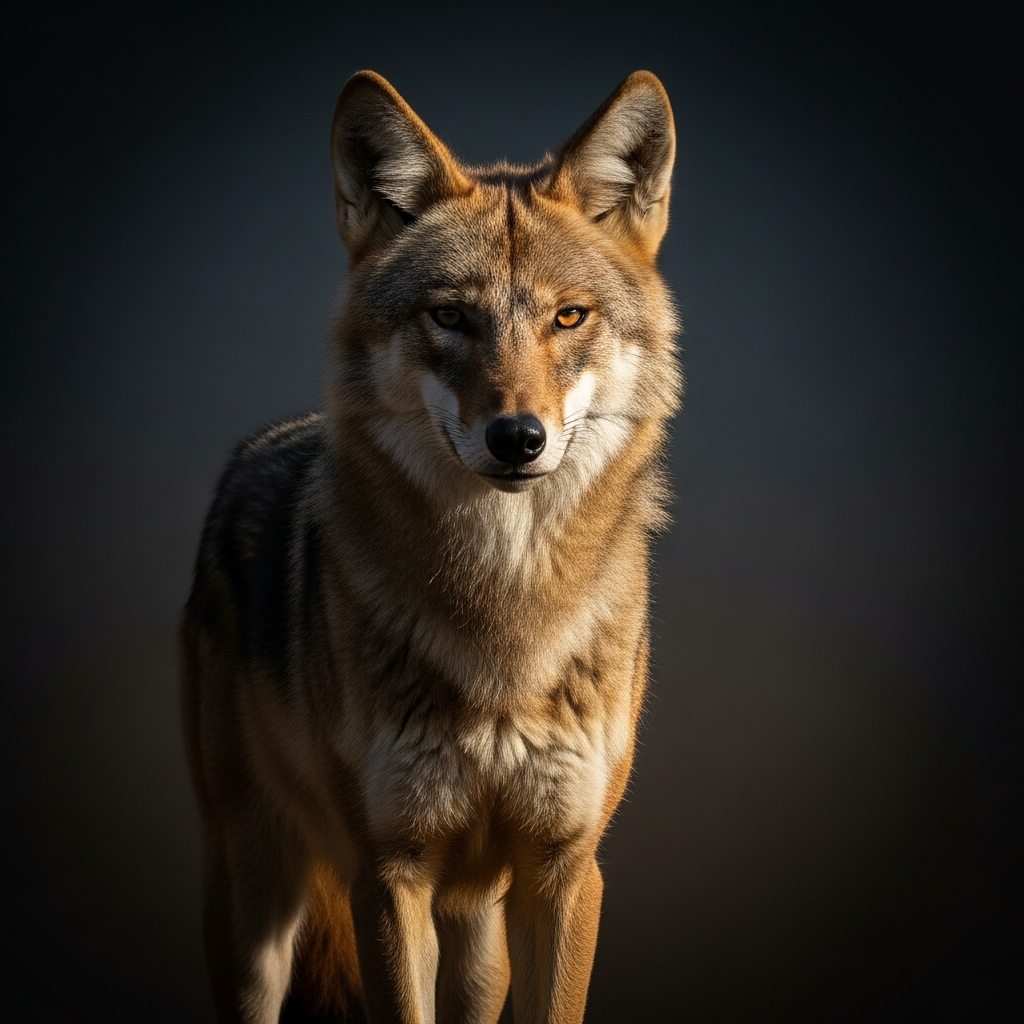
Stoneware mug, dishwasher safe
Buy Mug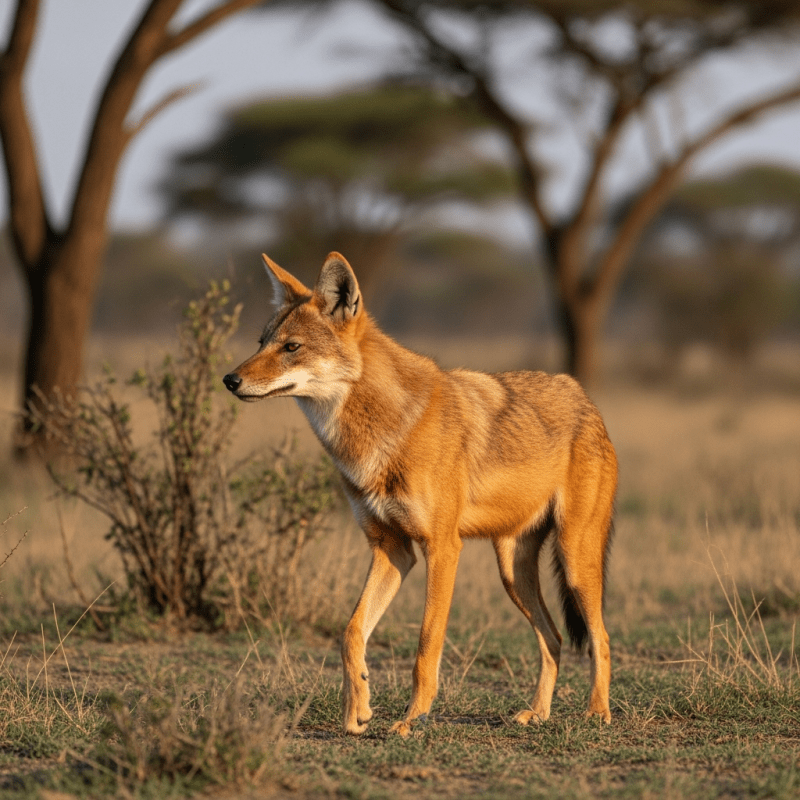
Soft cotton tee, unisex sizes
Buy ShirtThough not domesticated, the African Golden Wolf features in local folklore and is sometimes referred to as the Egyptian jackal in North Africa. Its presence in myth and oral tradition reflects both admiration and caution, as it is often seen as a cunning survivor of harsh landscapes. Its reclassification has also sparked scientific and cultural interest, highlighting the dynamic nature of African wildlife heritage.
Unlike domestic dogs, the African Golden Wolf remains entirely wild, with no history of domestication. Its evolutionary story is marked by adaptation to Africa’s varied climates and landscapes, and its recent reclassification underscores the ongoing discoveries in canid genetics. The broader canine family has a rich history of domestication, but this species exemplifies the resilience and independence of wild canids.

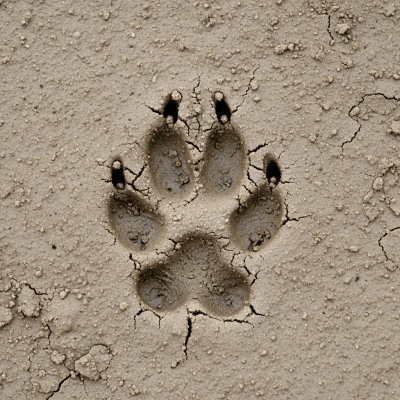
Wild canines like the African Golden Wolf differ from domesticated dogs in their behavior, diet, and social structures. While domestic dogs rely on humans for food and shelter, wild canines must hunt, scavenge, and adapt to fluctuating environments. The African Golden Wolf’s solitary or small-group lifestyle, omnivorous diet, and survival skills contrast sharply with the dependence and diversity seen in domestic breeds.
The African Golden Wolf is one of several species within the genus Canis, which also includes the gray wolf, coyote, and Eurasian golden jackal. Its recent separation from the golden jackal highlights the diversity and complexity of canid classification. Regional variants, such as the so-called Egyptian jackal, further enrich the species’ profile, demonstrating the subtle distinctions among Africa’s wild canines.
As a mesopredator, the African Golden Wolf is crucial for ecosystem health. It helps regulate populations of rodents and other small animals, thus maintaining balance and supporting biodiversity. Its ability to thrive in human-altered landscapes also makes it an important indicator of environmental change and resilience among African wildlife.
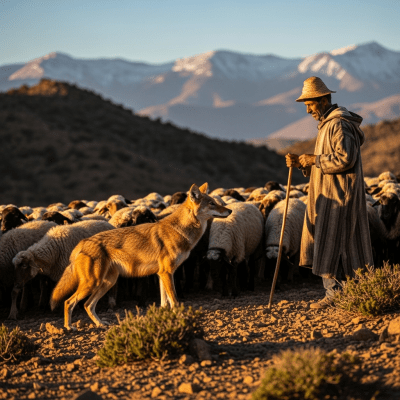
In the wild, African Golden Wolves face threats from habitat loss, persecution, and competition with humans. They are resilient to arid conditions but vulnerable to environmental disruptions. Welfare concerns include conflict with livestock owners and exposure to disease. Conservation efforts focus on habitat protection and reducing human-wildlife conflict to ensure their continued survival.
While the African Golden Wolf itself is not known for individual celebrity animals, its story of reclassification and scientific discovery has made it a symbol of Africa’s hidden biodiversity. The species’ journey from jackal to wolf in the eyes of science is a testament to the evolving understanding of canid diversity.
The African Golden Wolf is currently listed as Least Concern by the IUCN, reflecting its wide distribution and adaptability. However, local populations may face pressures from habitat loss, hunting, and conflict with humans. Ongoing research and monitoring are essential to safeguard its future, especially as new data on subspecies and population genetics emerge.
Regional differences in appearance and behavior are notable among African Golden Wolves. North African populations are sometimes called Egyptian jackals, and subtle variations in fur color, size, and social habits occur across their range. These distinctions reflect the species’ adaptability and the influence of local environments on its evolution.