York Imperial
York Imperial is a historic American apple cultivar renowned for its distinctive lopsided shape, firm texture, and exceptional keeping quality, making it a favorite for baking and long-term storage.
York Imperial is a historic American apple cultivar renowned for its distinctive lopsided shape, firm texture, and exceptional keeping quality, making it a favorite for baking and long-term storage.
Originating in the early 19th century, York Imperial was first selected in York County, Pennsylvania, United States. Discovered as a chance seedling, it quickly gained popularity throughout the Mid-Atlantic region for its reliable performance in orchards and kitchens. Its formal recognition and commercial adoption date to around 1830, cementing its legacy as a regional staple.
York Imperial belongs to the family Rosaceae, genus Malus, species Malus domestica, and is classified as a cultivar within this primary domesticated apple species. Its dual-purpose usage places it among apples valued for both cooking and fresh eating, with occasional use in cider production.
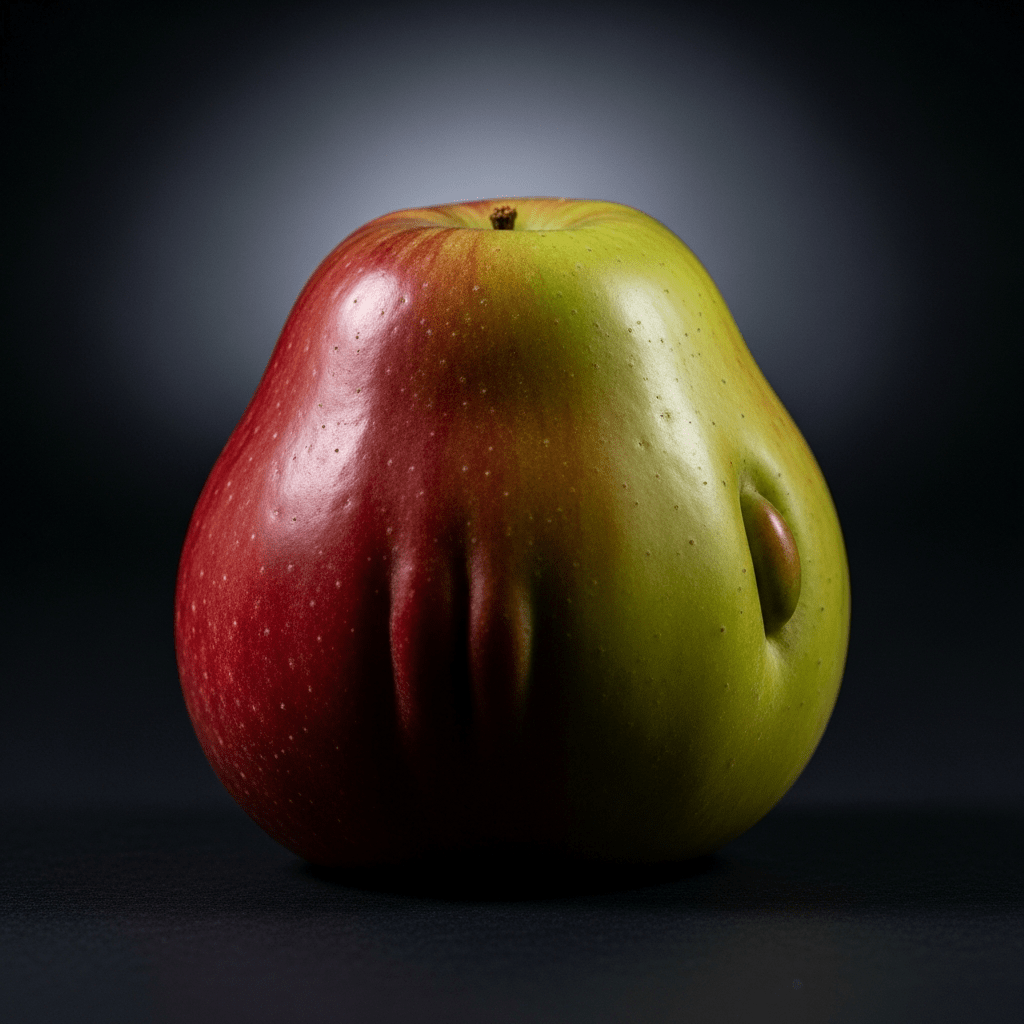
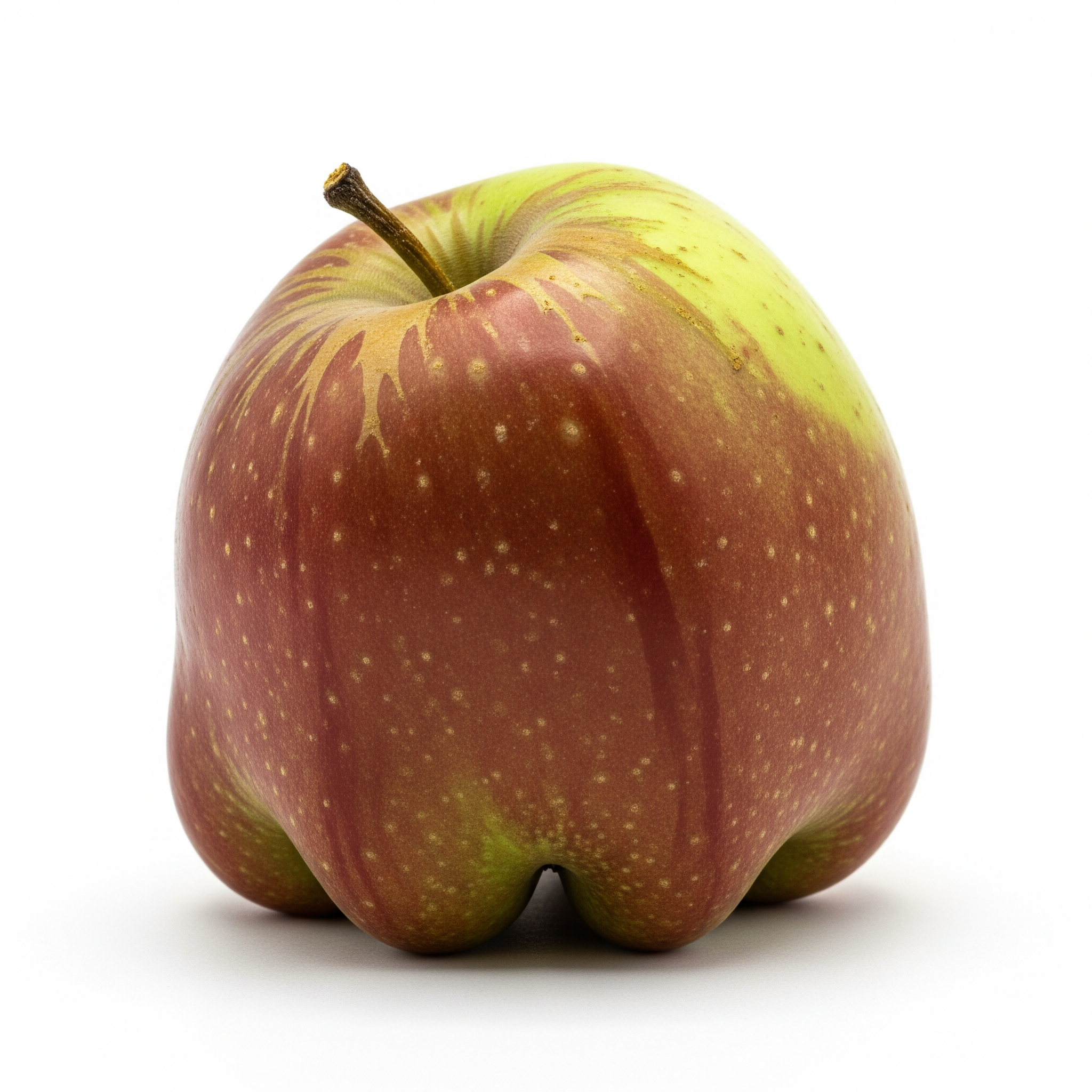
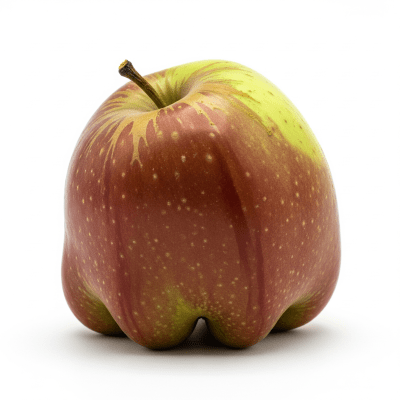
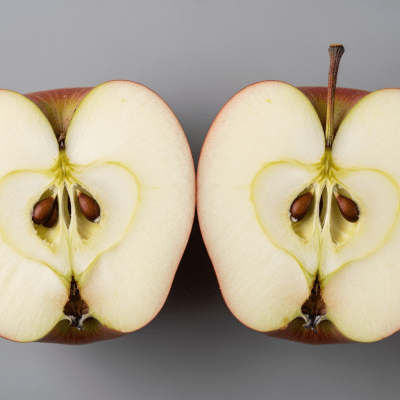
This apple stands out for its medium to large size and unique, asymmetrical—often lopsided—form. The skin is yellow-green, streaked or flushed with red, while the flesh is firm, crisp, and pale cream. Its visual quirks make it easily identifiable in both orchards and markets.
York Imperial is celebrated for its versatility. It excels in baking, retaining shape and texture in pies and other cooked dishes, and is also enjoyed fresh thanks to its crispness and balanced flavor. Its long storage life allows it to be enjoyed well into late winter, and it has a history of use in cider making.
Bring this kind into your world illustrated posters, mugs, and shirts.
Archival print, museum-grade paper
Buy Poster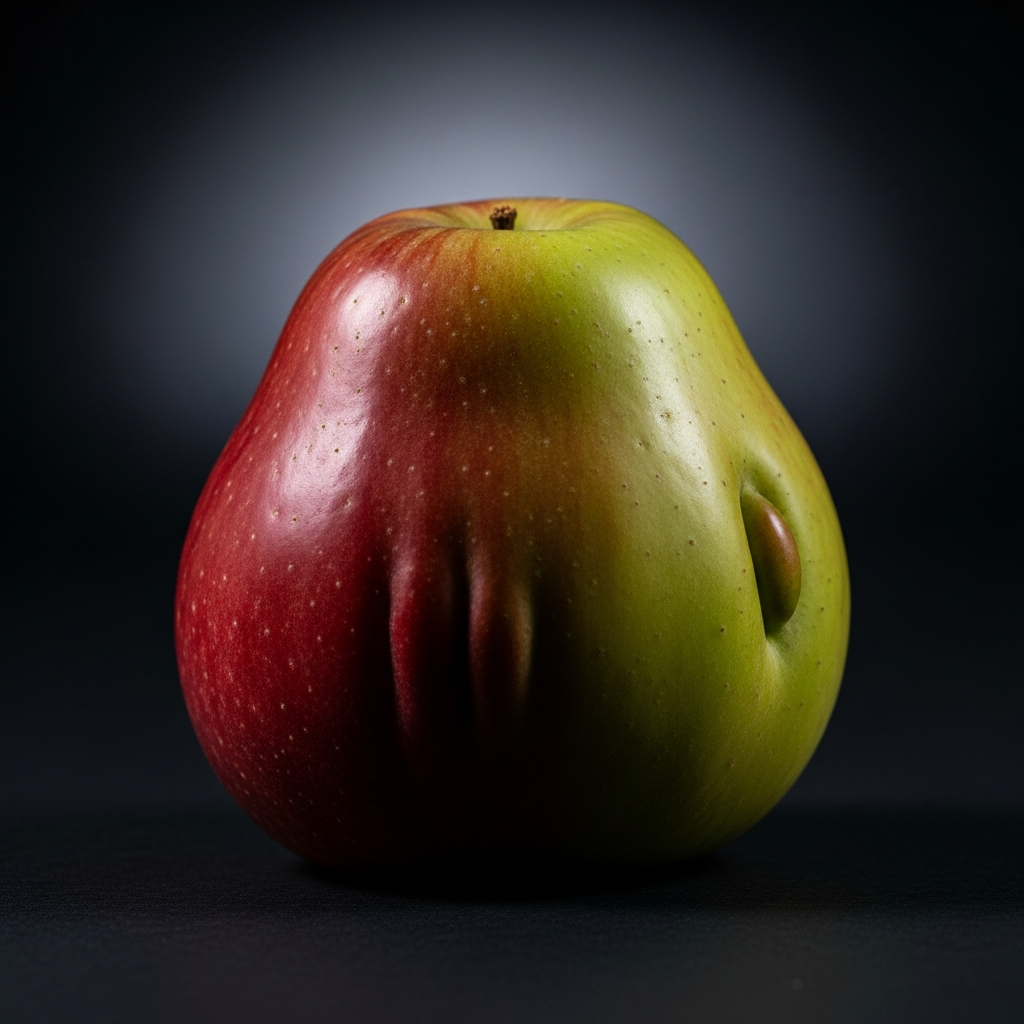
Stoneware mug, dishwasher safe
Buy Mug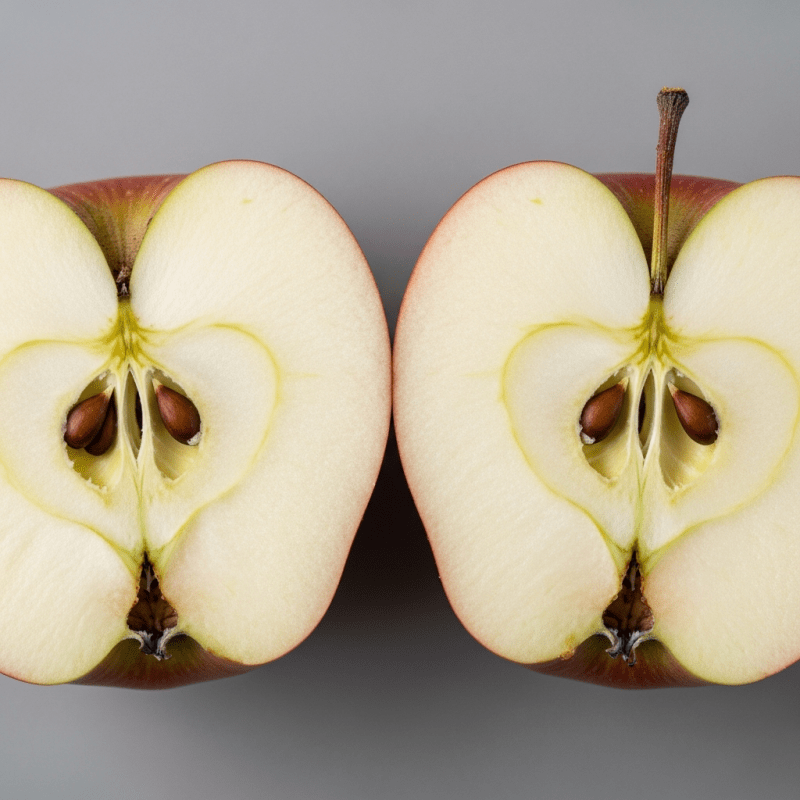
Soft cotton tee, unisex sizes
Buy ShirtAs a heritage apple of the Mid-Atlantic United States, York Imperial holds a place in local agricultural history and culinary tradition. Its enduring presence in regional orchards and recipes—especially pies—reflects its cultural importance. The apple’s distinctive shape and storied background have made it a symbol of Pennsylvania’s fruit-growing legacy.
York Imperial offers a mildly tart flavor balanced by subtle sweetness. Its flesh is firm and crisp, providing a satisfying bite when eaten fresh and a reliable texture in cooked dishes. The apple’s taste is understated, making it a versatile ingredient for both sweet and savory recipes.


York Imperial is primarily cultivated in the Mid-Atlantic United States, especially Pennsylvania, Maryland, and Virginia. While its commercial footprint has diminished with the rise of newer varieties, it remains a staple in regional orchards and is occasionally grown elsewhere in the U.S. for specialty markets.
The genetic lineage of York Imperial is uncertain; it is believed to be a chance seedling discovered in Pennsylvania with no documented parentage. Unlike many modern apples bred from known crosses, York Imperial’s origins are rooted in natural selection and local propagation.
York Imperial is considered a common cultivar within its native region and is not listed as rare or endangered. Although its popularity has waned in some areas, it continues to be maintained in major germplasm collections and regional orchards.
York Imperial stands alongside other historic American apples such as 'Jonathan', 'Stayman', and 'Northern Spy'. Each of these cultivars has contributed to regional culinary traditions and apple diversity, with York Imperial distinguished by its unique shape and storability.
York Imperial is typically harvested in the fall, with peak availability from late September through October. Thanks to its storability, it remains accessible in markets and pantries well into the winter months.