Winesap
Winesap is a heritage American apple cultivar renowned for its deep red skin, crisp texture, and distinctive wine-like flavor, prized for both eating and cider making.
Winesap is a heritage American apple cultivar renowned for its deep red skin, crisp texture, and distinctive wine-like flavor, prized for both eating and cider making.
The precise origins of Winesap are shrouded in history, but its earliest known cultivation traces back to the eastern United States, likely New Jersey or Virginia, in the early 19th century. By the mid-1800s, Winesap was well established and widely grown throughout the mid-Atlantic and southern states, becoming a staple in American orchards. Its popularity spread nationally, and it remains a celebrated heritage variety, though its commercial prominence has waned in favor of newer cultivars.
Winesap belongs to the botanical family Rosaceae, genus Malus, and species Malus domestica. As a named cultivar, it is recognized under the International Code of Nomenclature for Cultivated Plants (ICNCP) and documented by authorities such as the USDA National Plant Germplasm System and the Royal Horticultural Society. Winesap is often grouped among dual-purpose apples, valued for both dessert and cider uses.
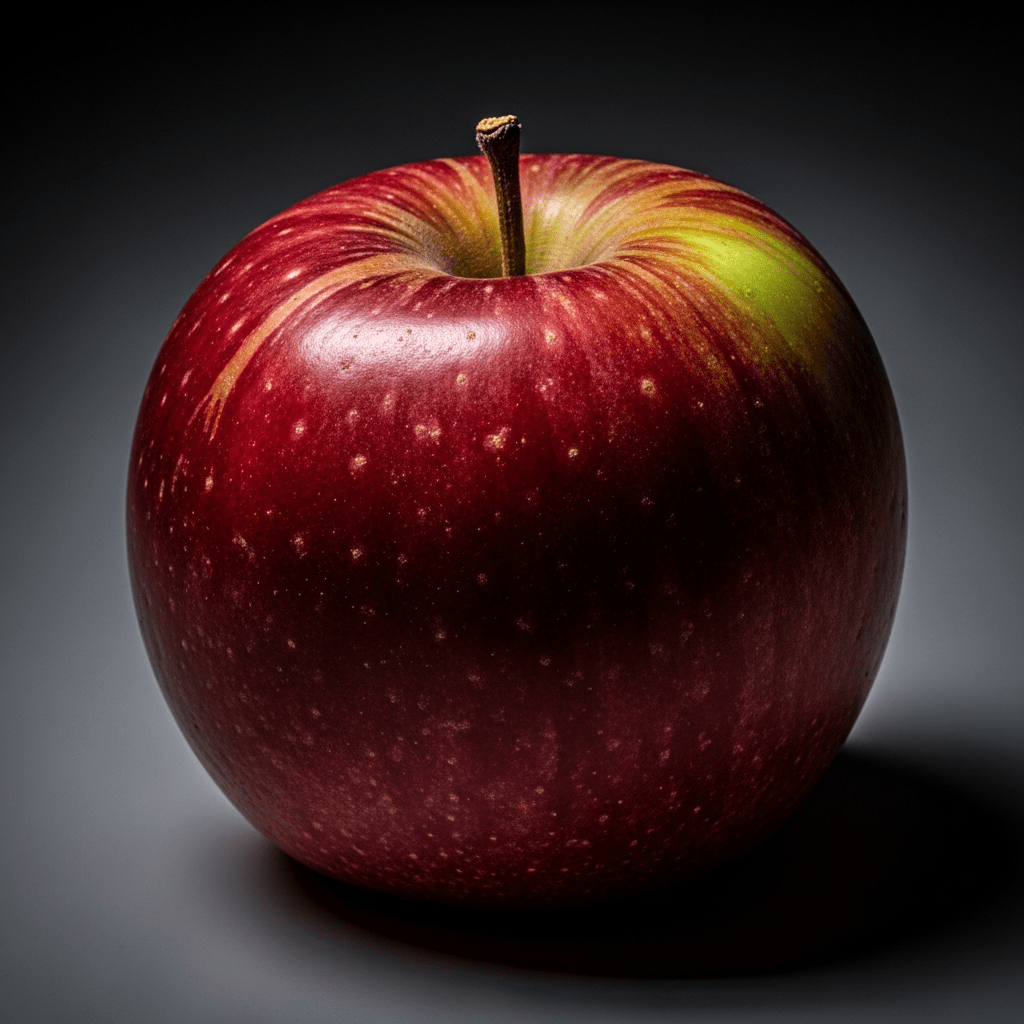
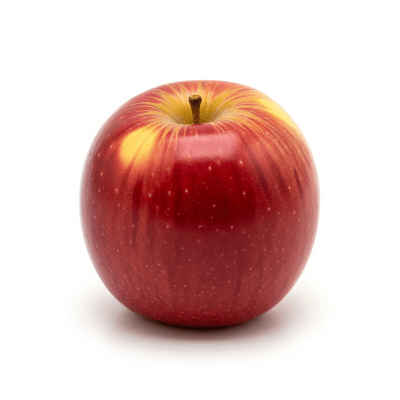
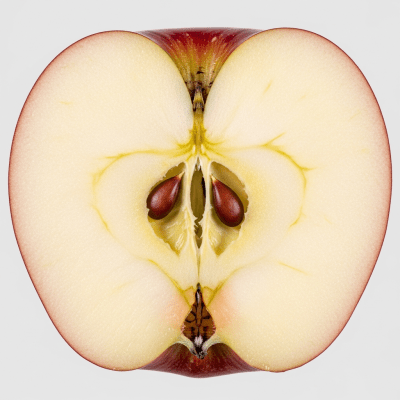
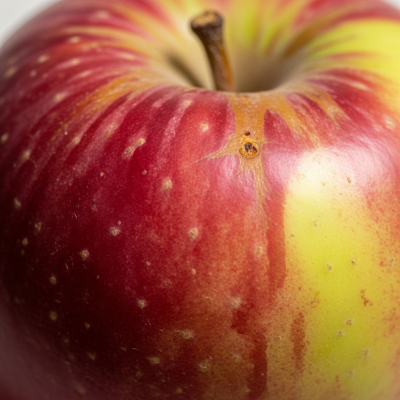
Winesap apples are medium-sized and round to slightly conical, with a striking deep red to purplish skin that may show streaks or russeting. The flesh is firm, crisp, and yellowish, offering a juicy bite. Their visual appeal is matched by a robust texture and aromatic presence, making them stand out in both markets and orchards.
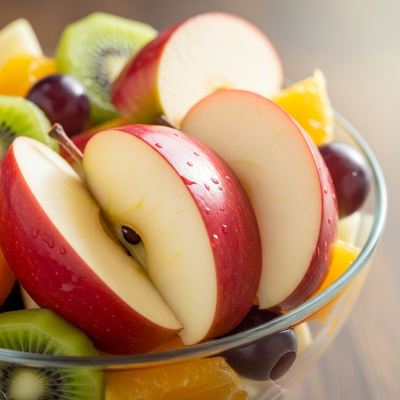
Winesap's versatility is reflected in its dual-purpose nature. It is enjoyed fresh as a dessert apple, prized for its tart-sweet balance and aromatic complexity. In the kitchen, it excels in baking, cooking, and preserves. Most notably, Winesap has a storied legacy in American cider production, where its high sugar content and acidity yield a flavorful, robust beverage. Its firm texture and long shelf life also make it suitable for juicing and extended storage.
Bring this kind into your world illustrated posters, mugs, and shirts.
Archival print, museum-grade paper
Buy Poster
Stoneware mug, dishwasher safe
Buy Mug
Soft cotton tee, unisex sizes
Buy ShirtWinesap holds a special place in American apple heritage, often associated with traditional orchards and historic cider-making. Its name is synonymous with old-fashioned flavor and rural Americana, appearing in pomological literature and regional folklore. Though less visible in modern supermarkets, Winesap remains a favorite among heritage apple enthusiasts and is featured in national fruit collections, preserving its legacy for future generations.
Winesap apples offer a harmonious blend of tartness and sweetness, underscored by a distinctive wine-like aroma and flavor. The flesh is crisp and juicy, with aromatic undertones that make it memorable for both fresh eating and cider production. Its balanced acidity and high sugar content contribute to its versatility in culinary and beverage applications.
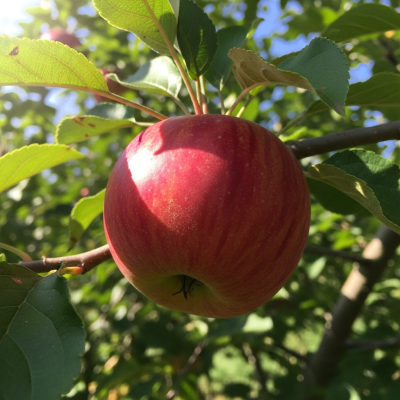

Originally cultivated in the eastern United States, especially New Jersey and Virginia, Winesap spread throughout the mid-Atlantic and southern states. Today, it is grown in specialty orchards and heritage collections across the U.S., with specimens maintained in national repositories such as the USDA and British National Fruit Collection. While no longer a major commercial crop, it persists in regions that value traditional apple varieties.
The genetic lineage of Winesap remains undocumented; it is believed to be a chance seedling of American origin. No definitive parentage has been established, and its ancestry is a subject of ongoing speculation among pomologists. Winesap has given rise to several sports and related cultivars, including 'Stayman Winesap', but the original apple's breeding history is lost to time.
Winesap is classified as a common heritage variety, widely preserved in germplasm collections and specialty orchards. Although its commercial cultivation has declined, it is not considered rare or endangered. Conservation efforts focus on maintaining genetic diversity and safeguarding historic cultivars in national and international repositories.
Winesap has inspired several notable related apples, including 'Stayman Winesap', 'Red Winesap', and 'Potomac Winesap'. While these may share aspects of flavor and appearance, they are distinct cultivars, each with its own characteristics and history. Winesap itself remains one of the most iconic American heritage apples.
Winesap apples are typically harvested in the late autumn, with peak availability from October through early winter. Thanks to their long shelf life, they remain accessible in markets and storage well into the colder months, making them a reliable choice for winter consumption and culinary use.