Stayman
Stayman is a celebrated American apple cultivar prized for its rich, spicy flavor, firm texture, and versatility in both fresh eating and culinary use.
Stayman is a celebrated American apple cultivar prized for its rich, spicy flavor, firm texture, and versatility in both fresh eating and culinary use.
The Stayman apple originated in Leavenworth, Kansas, in the late 19th century. It was first developed by Dr. Joseph Stayman, who introduced the variety in 1866. Over the following decades, Stayman gained popularity across the Mid-Atlantic United States, especially in regions with strong traditions of cider making and heritage apple cultivation. Its distinct qualities quickly established it as a staple among American orchards and home growers.
Botanically, Stayman is classified within the Rosaceae family, genus Malus, species Malus domestica, and is recognized as the cultivar 'Stayman'. Although sometimes referred to as 'Stayman Winesap' in commercial contexts, it is genetically and horticulturally distinct from the original 'Winesap' apple. This precise classification ensures clarity in breeding, conservation, and trade.
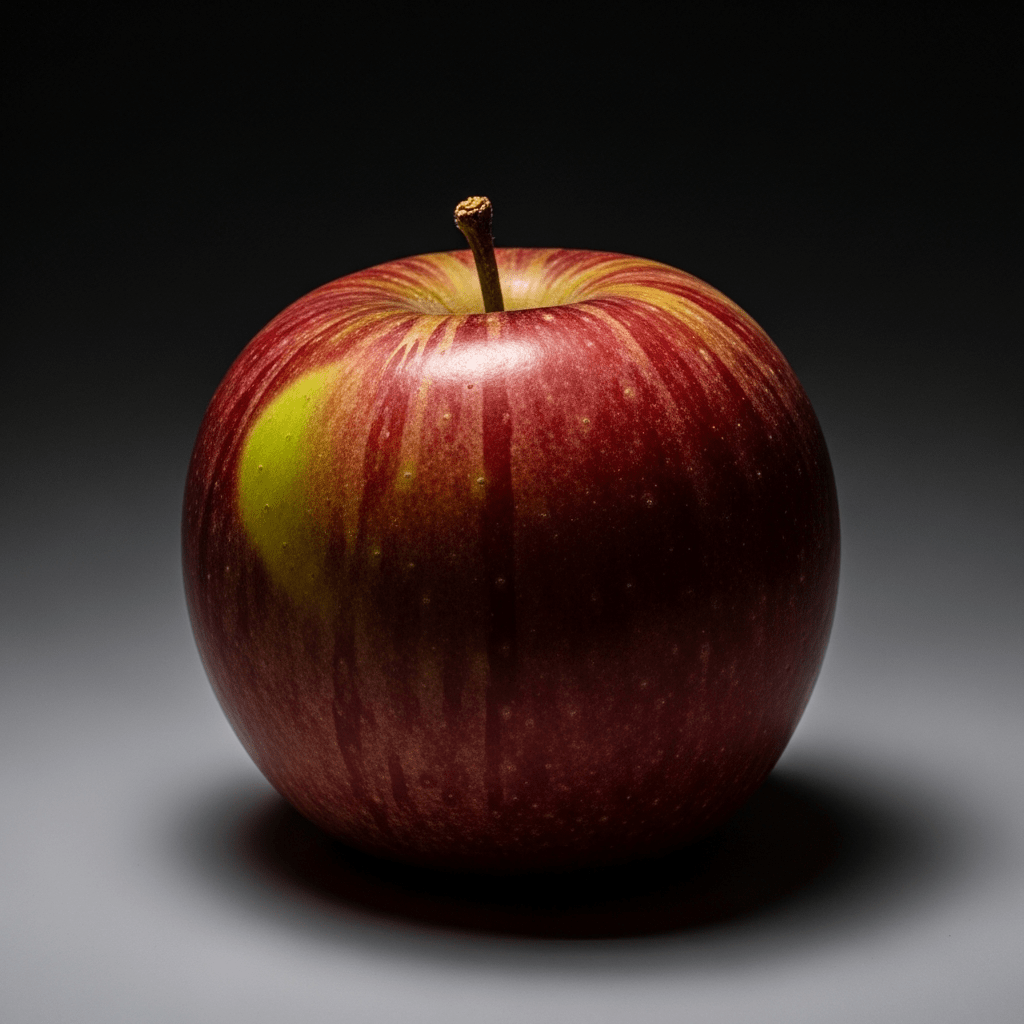
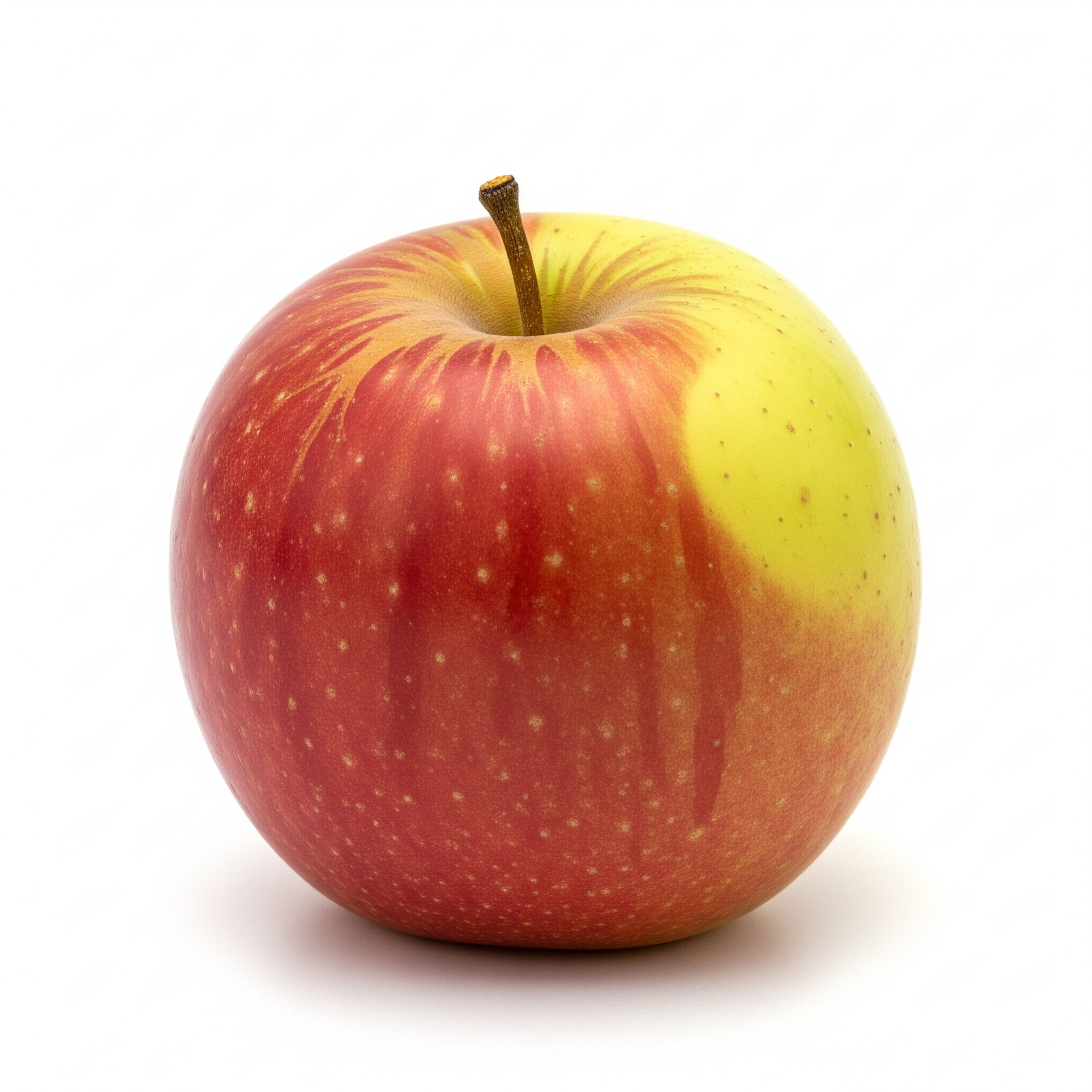
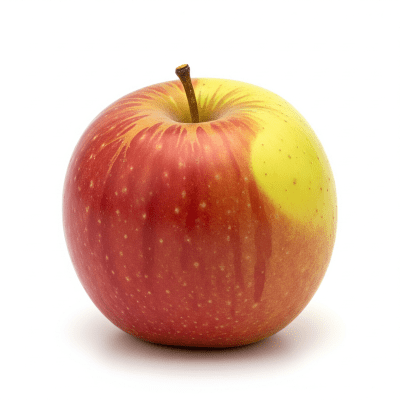
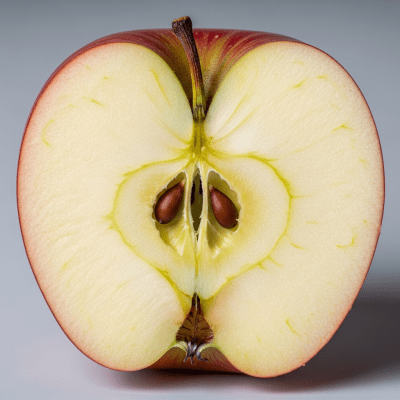
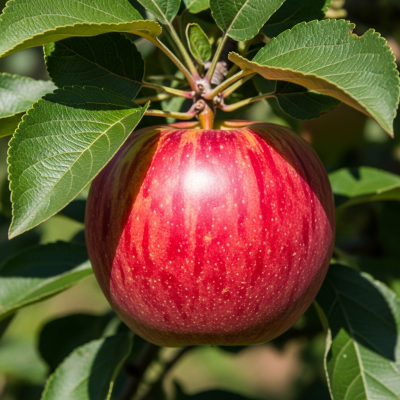
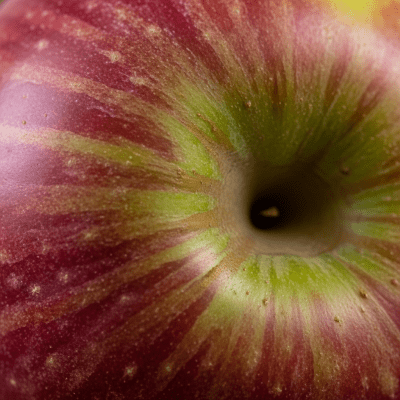
Stayman apples are medium to large, with a round to slightly conical shape. Their thick skin displays a deep red to purplish-red hue, often accentuated by russet patches or streaks. The creamy yellow flesh is notably firm and juicy, offering a dense texture that holds up well in baking and cooking. This robust structure, paired with the apple's attractive coloration, makes Stayman visually distinctive among heritage varieties.
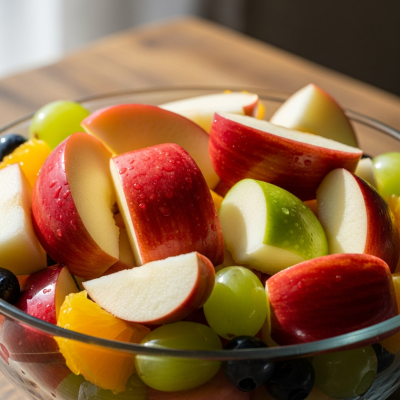
Stayman is a dual-purpose apple, enjoyed fresh as a dessert fruit and widely used for baking, cooking, and cider production. Its firm flesh and balanced acidity make it ideal for pies, crisps, and sauces, while its high juice yield and spicy undertones lend depth to cider blends. The apple's ability to retain flavor and texture during storage further enhances its appeal for both home and commercial use.
Bring this kind into your world illustrated posters, mugs, and shirts.
Archival print, museum-grade paper
Buy Poster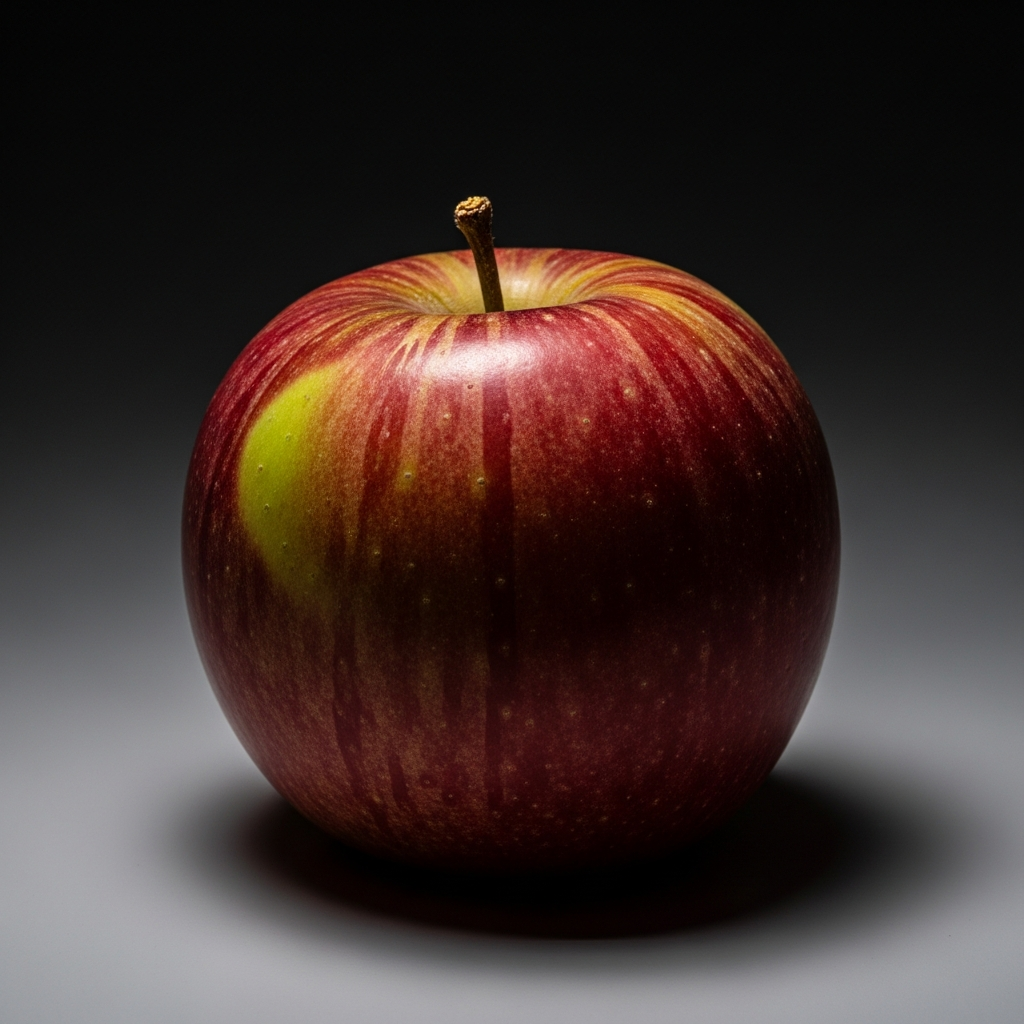
Stoneware mug, dishwasher safe
Buy Mug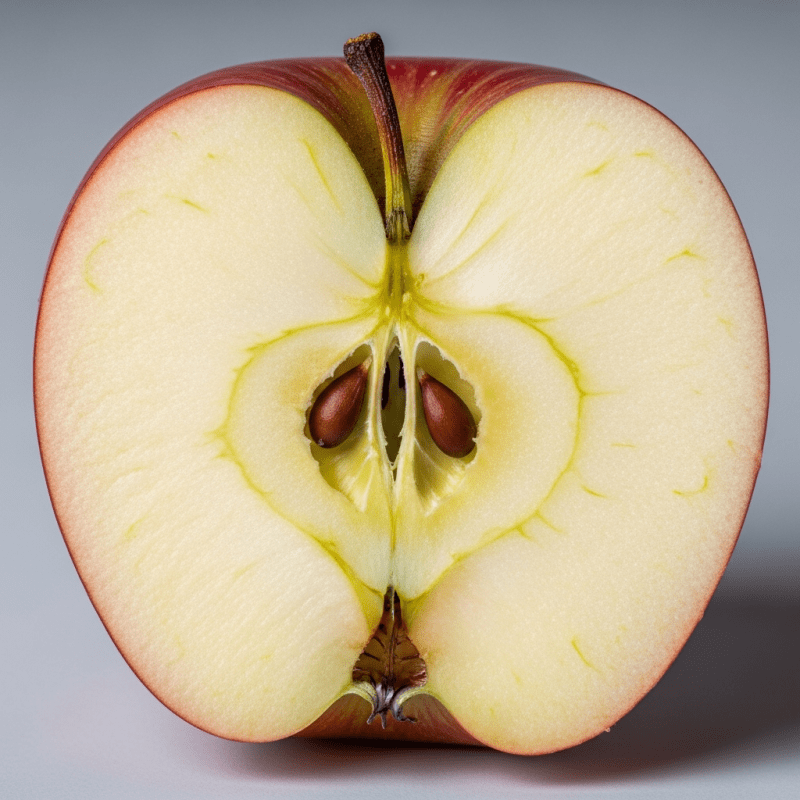
Soft cotton tee, unisex sizes
Buy ShirtStayman holds a cherished place in American apple heritage, especially in the Mid-Atlantic states. Its association with traditional cider making and winter storage reflects regional agricultural practices and culinary traditions. The apple is often featured at local farmers' markets and orchard festivals, symbolizing the enduring legacy of 19th-century American pomology and the value of preserving historic cultivars.
Stayman apples offer a complex, robust flavor profile. Their taste balances tartness with subtle sweetness and distinctive spicy undertones. The creamy yellow flesh is juicy and dense, providing a satisfying crunch when eaten fresh. The apple's rich, aromatic qualities make it a standout choice for both culinary and cider applications.

Stayman is most widely grown in the Mid-Atlantic states of the United States, including Pennsylvania, Virginia, Maryland, and New Jersey. It is also found in other apple-producing regions across the country, particularly where heritage varieties and cider apples are valued.
Stayman is believed to have 'Winesap' as its seed parent, with open pollination contributing to its development. However, the full genetic lineage remains uncertain due to incomplete historical records. Despite this, Stayman's breeding history is well documented in authoritative registries, and its distinct qualities have made it a valuable cultivar for both growers and breeders.
Stayman is considered a common cultivar in its primary regions of cultivation. It is widely available through commercial nurseries and germplasm repositories, with no current designation as rare or endangered. Conservation efforts focus on maintaining genetic integrity and accessibility for future breeding and heritage preservation.
While Stayman itself is a distinct cultivar, it is often discussed alongside other heritage and dual-purpose apples such as 'Winesap', 'York Imperial', and 'Northern Spy'. These varieties share historical significance and culinary versatility, contributing to the rich diversity of American apple cultivation.
Stayman apples are typically harvested in the late autumn, with peak availability from October through December. Thanks to their superior storage qualities, they remain accessible in markets and pantries well into winter, making them a favored choice for seasonal eating and holiday recipes.