Spitzenburg (Esopus)
Spitzenburg (Esopus) is a celebrated American heritage apple cultivar, renowned for its vibrant red skin and complex, spicy flavor.
Spitzenburg (Esopus) is a celebrated American heritage apple cultivar, renowned for its vibrant red skin and complex, spicy flavor.
Originating in the late 18th century near Esopus, in New York’s Hudson River Valley, Spitzenburg (Esopus) was discovered as a chance seedling and quickly gained popularity throughout the northeastern United States. Its reputation soared in the 19th century, in part due to its association with Thomas Jefferson, who famously grew it at Monticello. Though its precise year of introduction remains uncertain, the apple’s roots are firmly planted in early American orchard history.
Spitzenburg (Esopus) belongs to the family Rosaceae, genus Malus, and species Malus domestica. It is classified as a distinct cultivar within the domesticated apple species, recognized by international nomenclature authorities and maintained in major germplasm collections.
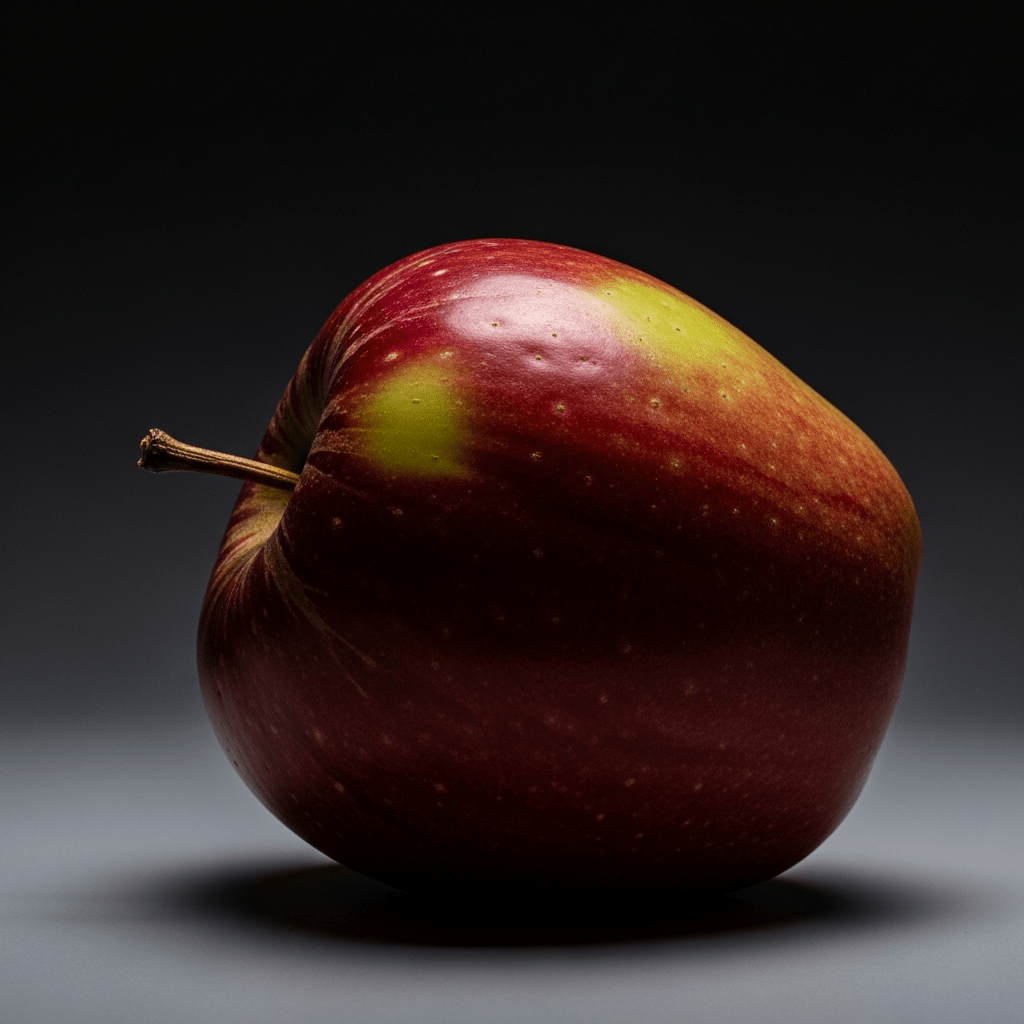
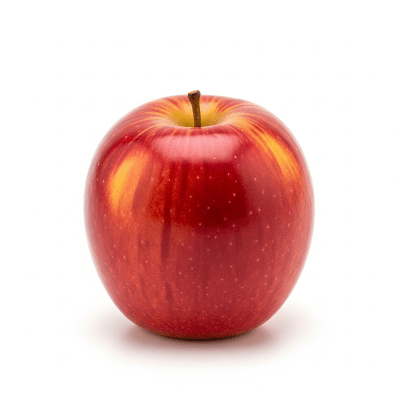
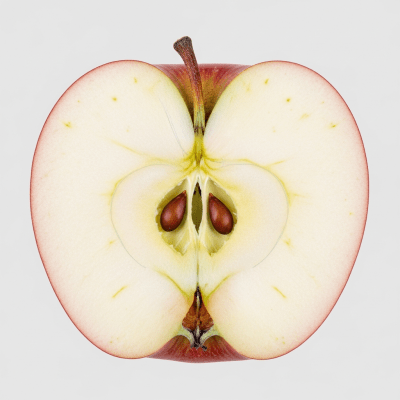
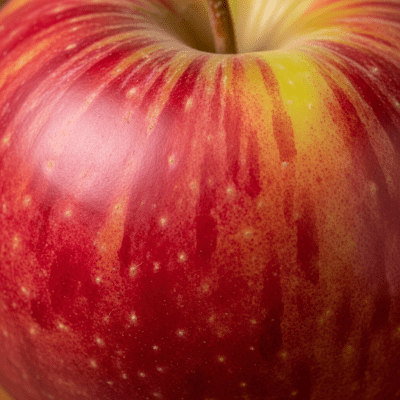
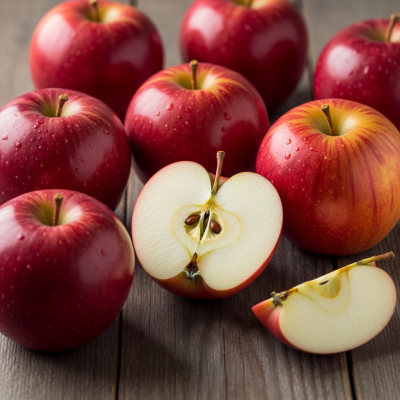
This apple is medium to large, with an oblong to conical shape. Its skin is a striking red, often streaked with orange and adorned with fine russeting. The flesh is yellowish, firm, and crisp, offering a visually appealing and tactilely satisfying experience. When sliced, the apple reveals its dense, aromatic interior—an invitation to savor its celebrated flavor.
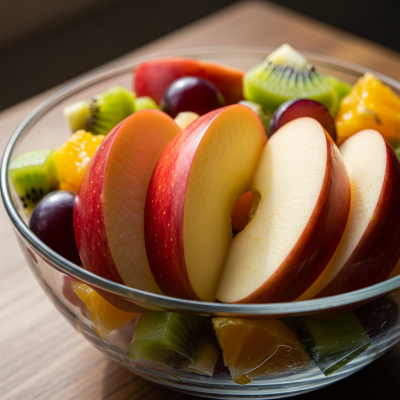
Primarily enjoyed as a dessert apple, Spitzenburg (Esopus) is prized for fresh eating due to its rich taste and texture. It is occasionally used in cooking, where its spicy, aromatic qualities enhance pies and baked dishes. The apple’s ability to store well for several months makes it a favorite among enthusiasts seeking both flavor and longevity.
Bring this kind into your world illustrated posters, mugs, and shirts.
Archival print, museum-grade paper
Buy Poster
Stoneware mug, dishwasher safe
Buy Mug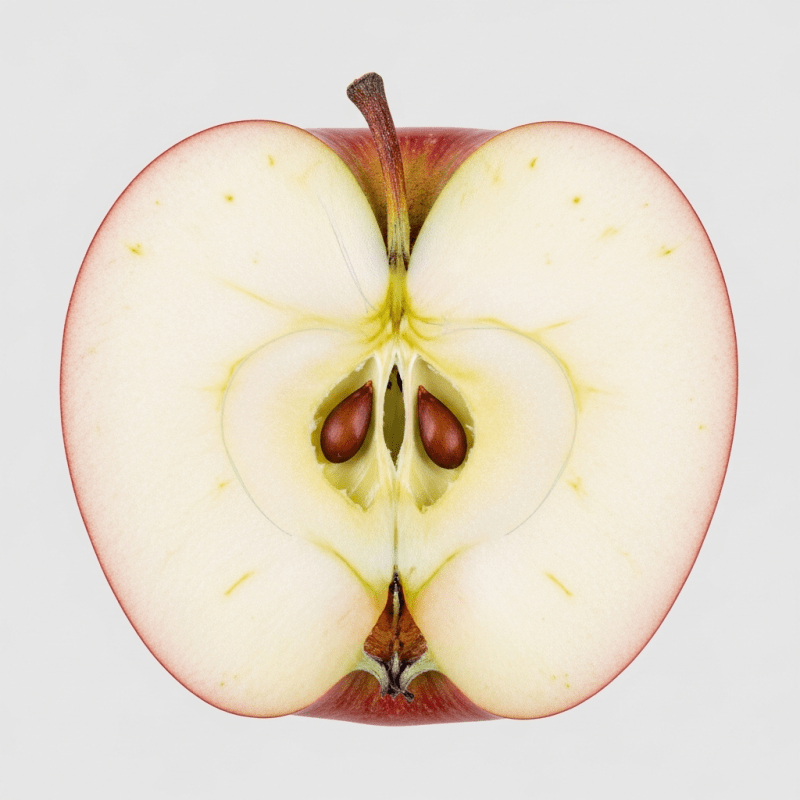
Soft cotton tee, unisex sizes
Buy ShirtSpitzenburg (Esopus) holds a special place in American apple lore. Its historical connection to Thomas Jefferson, who cultivated it at Monticello, has made it a symbol of early American horticultural ambition and taste. Today, it is cherished by heritage orchardists and apple collectors, representing the enduring legacy of regional fruit cultivation and the quest for exceptional flavor.
Spitzenburg (Esopus) delivers a spicy, aromatic, and rich flavor, often described as having notes of honey and citrus. Its flesh is firm and crisp, offering a satisfying bite and lingering complexity that makes it a favorite for fresh eating and select culinary uses.

This apple is historically rooted in the Hudson River Valley of New York, but has been cultivated throughout the northeastern United States. Today, it is grown in specialty orchards and maintained in germplasm repositories in both the US and UK, including the USDA and British National Fruit Collection.
The genetic lineage of Spitzenburg (Esopus) remains a mystery. It is considered a chance seedling, with no documented seed or pollen parents. Its discovery near Esopus, New York, adds to its aura as a naturally occurring gem among American apples.
Spitzenburg (Esopus) is classified as a rare heritage cultivar. While not endangered, its commercial presence is limited. Conservation efforts by national germplasm systems and specialty orchards ensure its ongoing preservation and availability to future generations.
Within the broader apple taxonomy, Spitzenburg (Esopus) stands out as a historic American cultivar. Other notable varieties include 'Granny Smith', 'Honeycrisp', and 'Golden Delicious', each with their own unique attributes and histories. Spitzenburg’s legacy is defined by its distinctive flavor and its place in early American orcharding.
Spitzenburg (Esopus) is typically harvested in the autumn, with peak availability from late September through November. Its excellent storage capacity allows it to be enjoyed well into the winter months, especially when maintained under optimal conditions.