Spartan
Spartan is a Canadian-bred dessert apple prized for its crisp texture, sweet flavor, and striking deep red skin.
Spartan is a Canadian-bred dessert apple prized for its crisp texture, sweet flavor, and striking deep red skin.
Developed in 1936 at the Federal Agriculture Research Station in Summerland, British Columbia, Spartan emerged as a product of Canada’s commitment to fruit innovation. Its creation involved crossing the well-known 'McIntosh' apple with an unknown pollen parent, resulting in a cultivar that quickly gained favor for its reliable cropping and appealing qualities. Over time, Spartan has become a staple in Canadian orchards and has spread to other regions with similar climates.
Spartan belongs to the Rosaceae family, within the genus Malus and species Malus domestica. It is recognized as a distinct cultivar, officially registered under the International Code of Nomenclature for Cultivated Plants (ICNCP). Its primary classification is as a dessert apple, though it is occasionally used for cooking and juice.
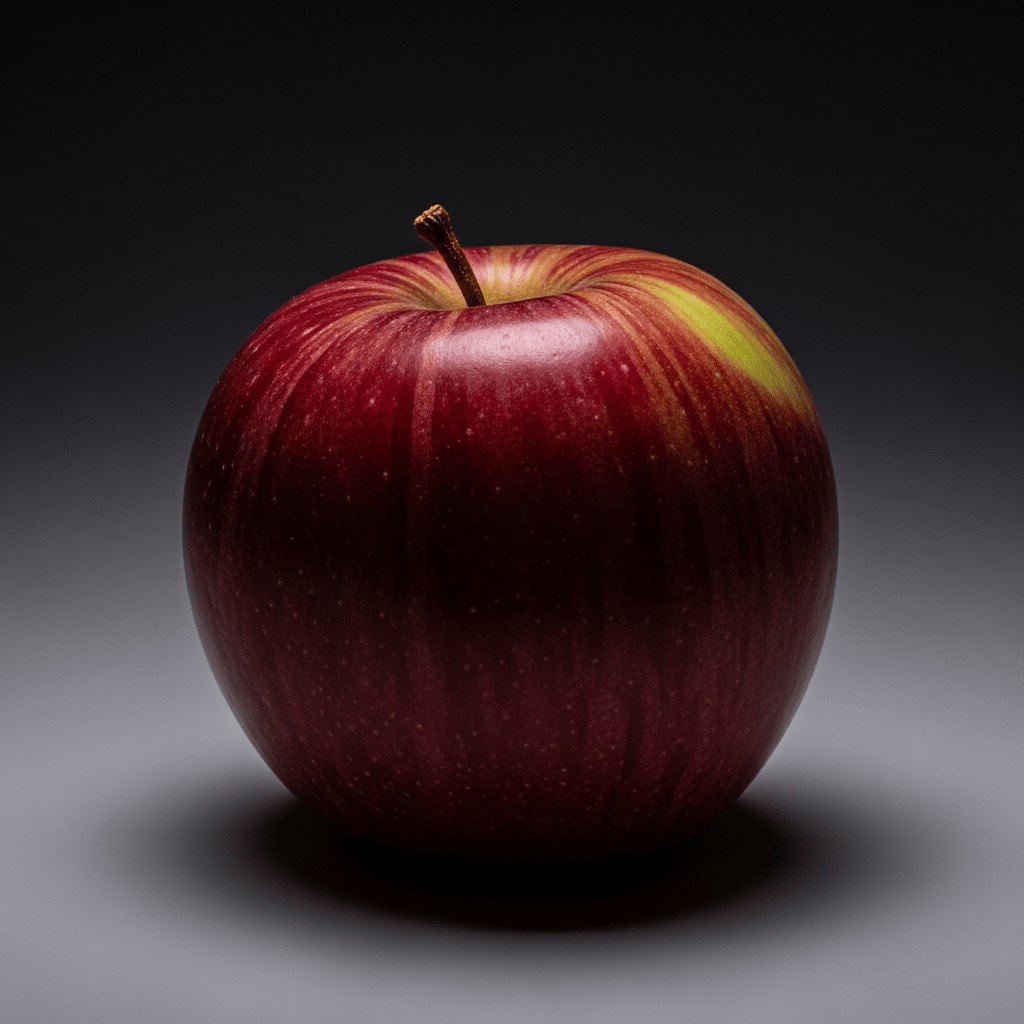
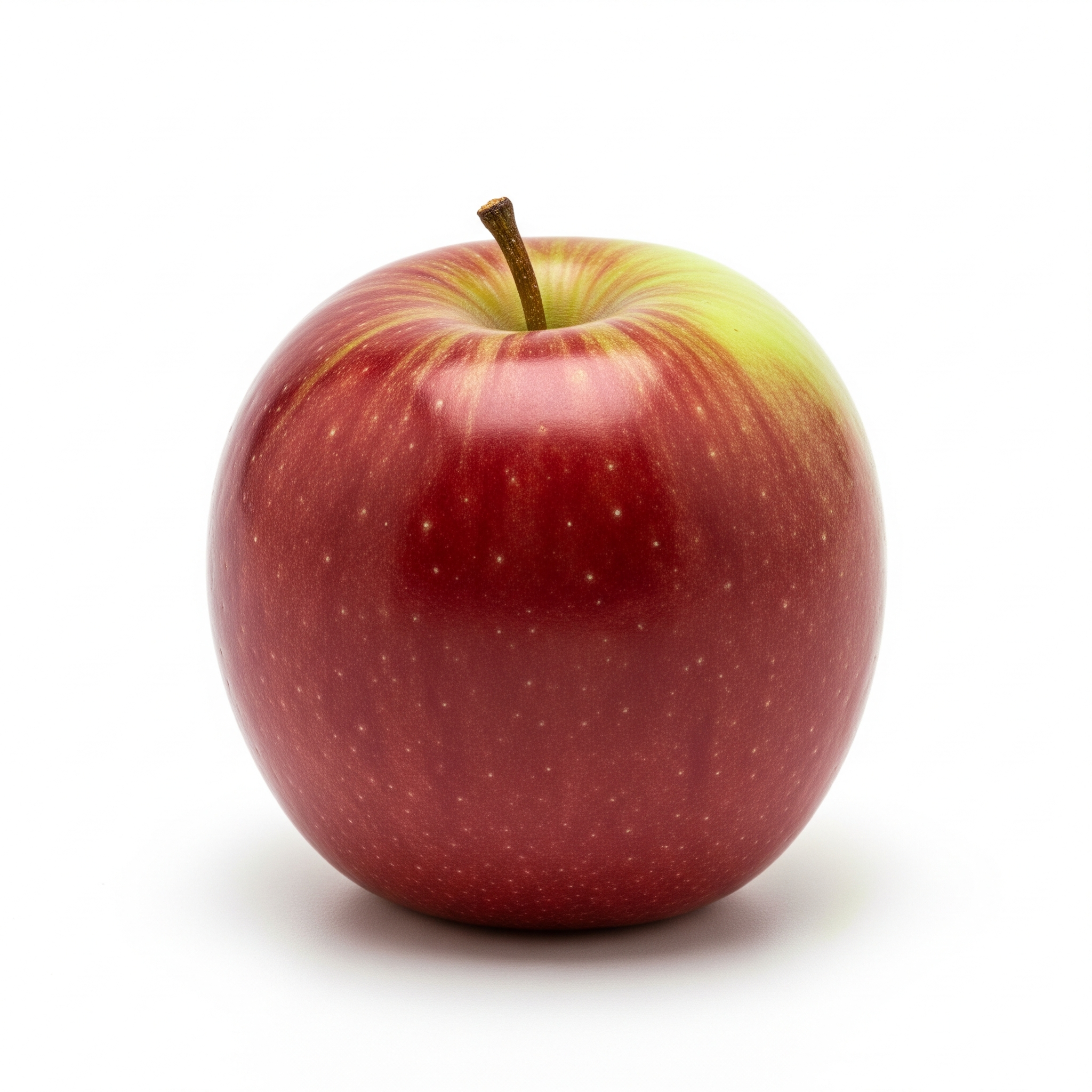
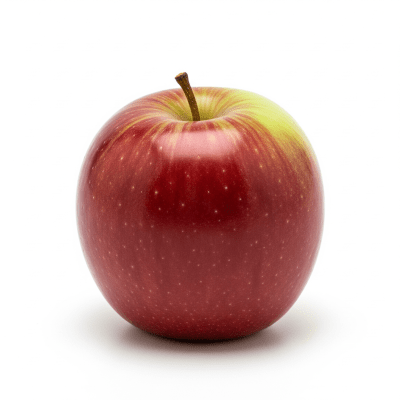
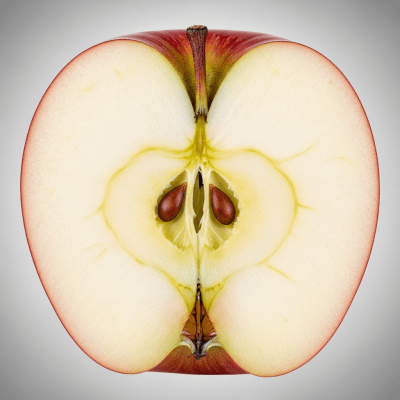
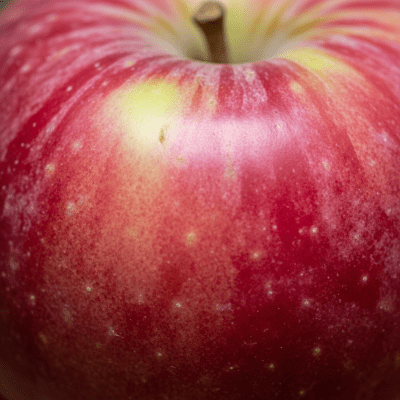
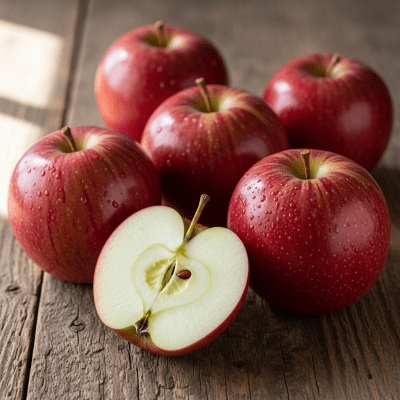
Spartan apples are medium-sized and round, with a glossy, deep crimson to dark red skin often adorned by a faint bloom. The flesh inside is bright white, crisp, and juicy, offering a uniform texture and attractive appearance. Occasionally, less mature fruits display green patches on the skin. Their symmetry and vivid color make Spartans visually appealing on market shelves.
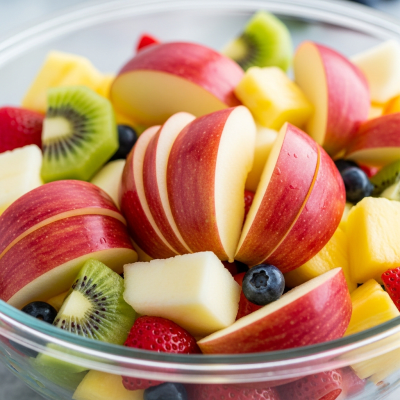
Primarily enjoyed fresh, Spartan apples are favored for snacking and table use thanks to their sweetness and crunch. They can also be used in simple cooking preparations and juicing, though their main appeal lies in their dessert qualities. The trees are reliable producers, moderately vigorous, and well-suited for both commercial orchards and home gardens, particularly in colder climates.
Bring this kind into your world illustrated posters, mugs, and shirts.
Archival print, museum-grade paper
Buy Poster
Stoneware mug, dishwasher safe
Buy Mug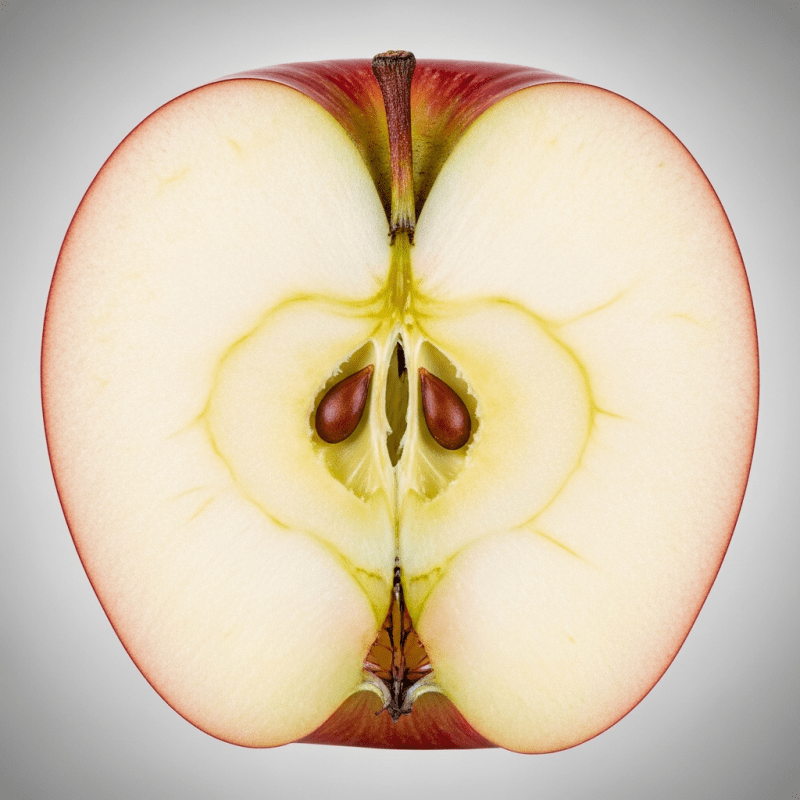
Soft cotton tee, unisex sizes
Buy ShirtAs one of Canada’s notable apple contributions, Spartan holds a place of pride in Canadian horticultural history. Its widespread cultivation in Canada and adoption in regions such as the northern United States, the UK, and New Zealand reflect its international appeal. While not as storied as some heritage apples, Spartan’s consistent quality and cold hardiness have made it a favorite among growers and consumers, symbolizing innovation and resilience in fruit breeding.
Spartan apples offer a sweet, crisp flavor with subtle aromatic notes reminiscent of their 'McIntosh' heritage. The flesh is juicy and refreshing, making them ideal for fresh eating. The balance of sugar and acidity is gentle, contributing to their popularity as a dessert apple.
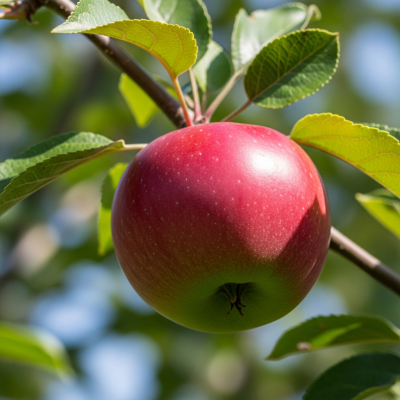
Spartan is widely cultivated throughout Canada, especially in British Columbia and Ontario. It is also grown in the northern United States, the United Kingdom, and New Zealand, thriving in regions with cooler climates and reliable winter chill.
Spartan was bred from a controlled cross between 'McIntosh' (seed parent) and an unknown pollen parent. While 'Newtown Pippin' was once thought to be the pollen parent, genetic analysis has disproved this, leaving the second parent unidentified. The cultivar’s development marked a milestone in Canadian apple breeding, showcasing early use of scientific cross-pollination methods.
Spartan is considered a common cultivar, widely available in commercial orchards and germplasm collections. It is not listed as rare or endangered, and accession records are maintained in major repositories for ongoing research and conservation.
Within the broader apple taxonomy, Spartan stands alongside other notable Canadian cultivars such as 'McIntosh', 'Ambrosia', and 'Sunrise'. Globally, it shares market space with celebrated varieties like 'Granny Smith', 'Golden Delicious', and 'Honeycrisp', each contributing unique flavors and traits to the apple family.
Spartan apples are typically harvested in the autumn, with peak availability from late September through November in the northern hemisphere. Thanks to their good storage properties, they remain available in markets for several months after harvest.