Russet
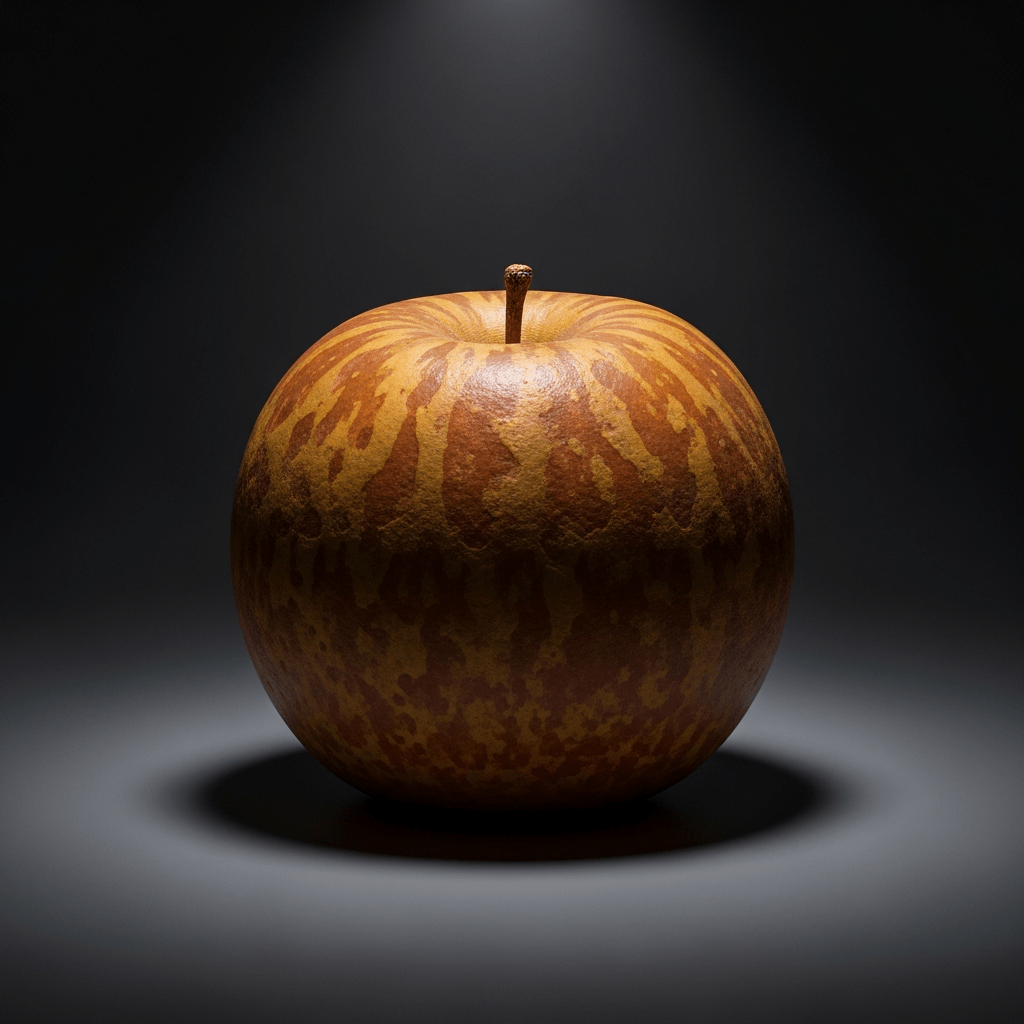
Russet apples are a distinctive group of apples known for their rough, brownish skin and complex, aromatic flavors.
Russet apples are a distinctive group of apples known for their rough, brownish skin and complex, aromatic flavors.
The story of russet apples is woven through centuries of apple cultivation in Europe and North America. Rather than a single origin, the term "Russet" describes a collection of apple cultivars that developed the russeted skin trait independently in various regions. Notable examples like 'Egremont Russet' emerged in 19th-century England, while 'Roxbury Russet' dates back to 17th-century Massachusetts. The russeting phenomenon is both a genetic and environmental occurrence, making russet apples a testament to the diversity and adaptability of the apple species across time and place.
Russet apples belong to the family Rosaceae, genus Malus, and species Malus domestica. "Russet" itself is not a formal botanical rank but a descriptor for apples exhibiting russeted skin. This group encompasses many cultivars, each with its own lineage, unified by their characteristic skin texture and coloration rather than strict genetic ties.
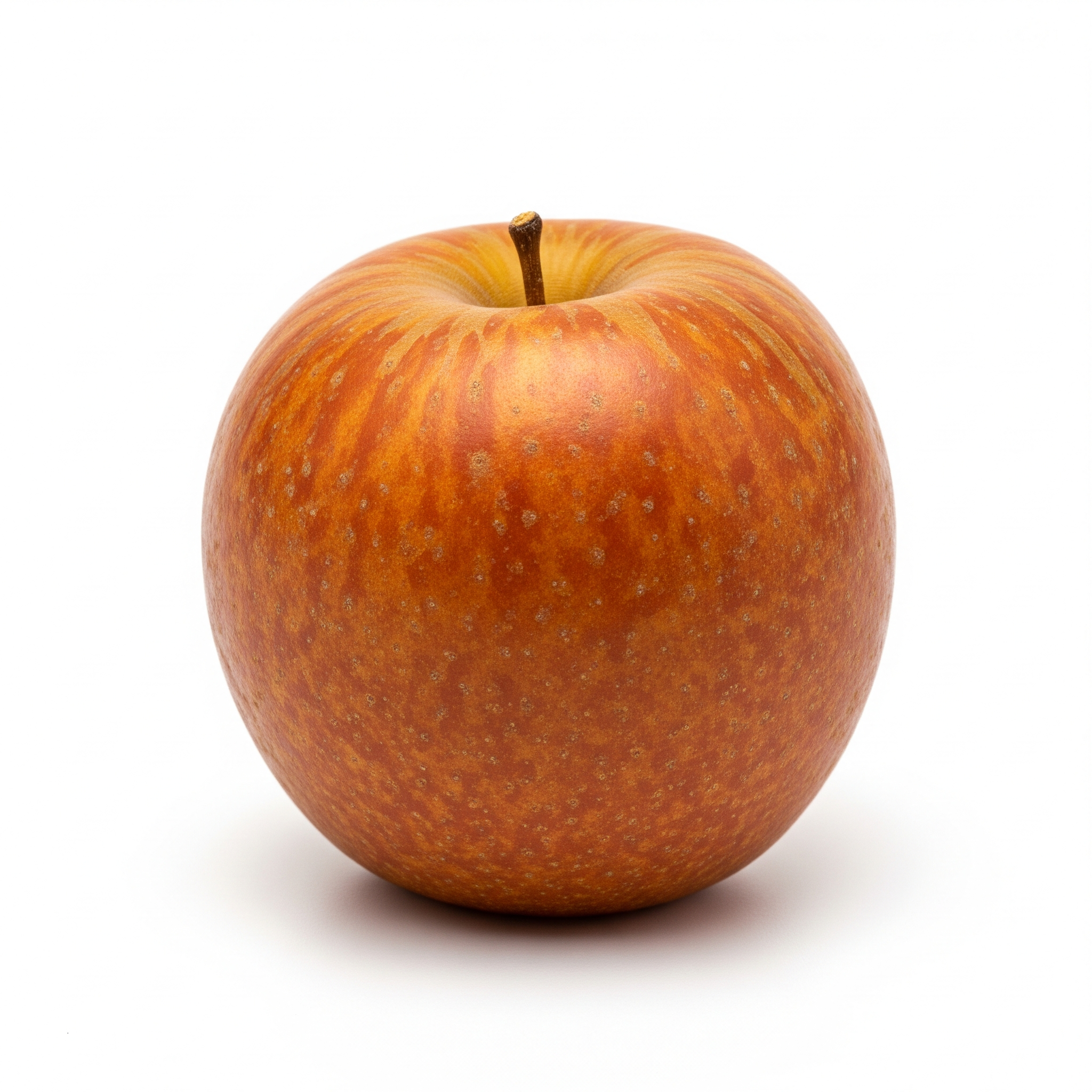
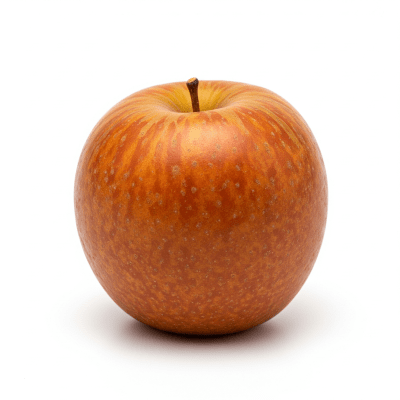
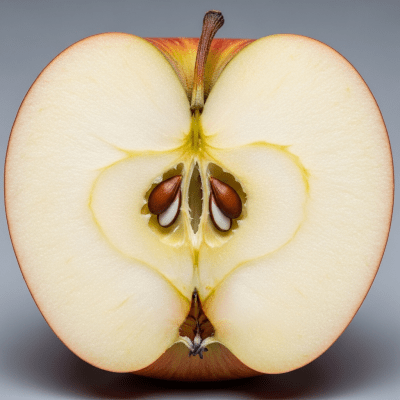
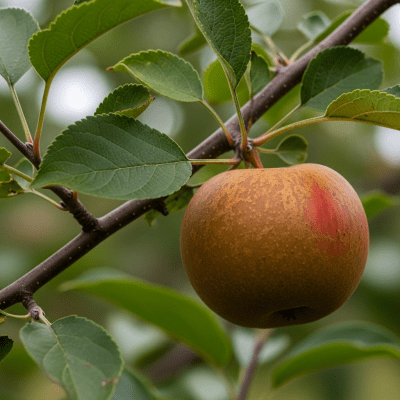
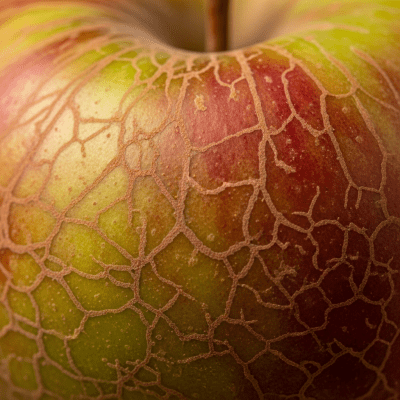
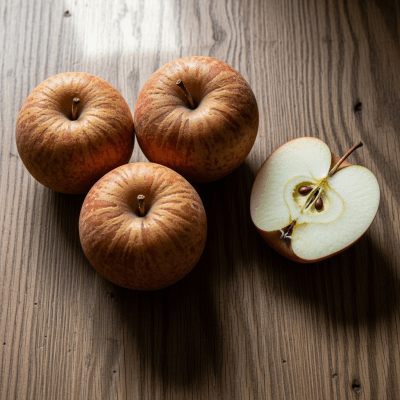
Russet apples are instantly recognizable by their rough, brownish, sometimes golden or greenish skin, a result of the natural russeting process. This textured layer may cover the entire apple or appear in patches. Beneath the rustic exterior lies firm, crisp, and aromatic flesh. Russet apples are typically medium-sized, though size and shape can vary by cultivar. Their unique appearance sets them apart from the glossy, smooth-skinned apples more common in modern markets.
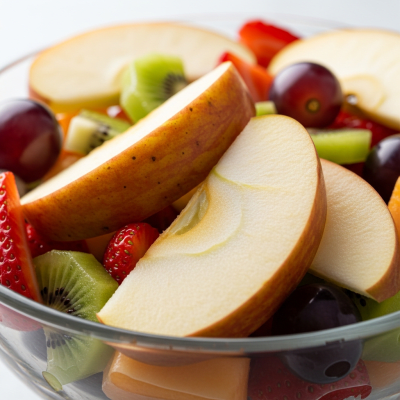
Renowned for their versatility, russet apples are enjoyed fresh as dessert apples, prized for their rich, complex flavors. Many cultivars are also favored in cider making, where their aromatic and sometimes spicy notes contribute depth to the beverage. Some russets are suitable for cooking, holding their shape and flavor well in baked dishes. Their naturally protective skin and excellent storability make them a favorite among heritage apple enthusiasts and those seeking apples that last well into the winter months.
Bring this kind into your world illustrated posters, mugs, and shirts.
Archival print, museum-grade paper
Buy Poster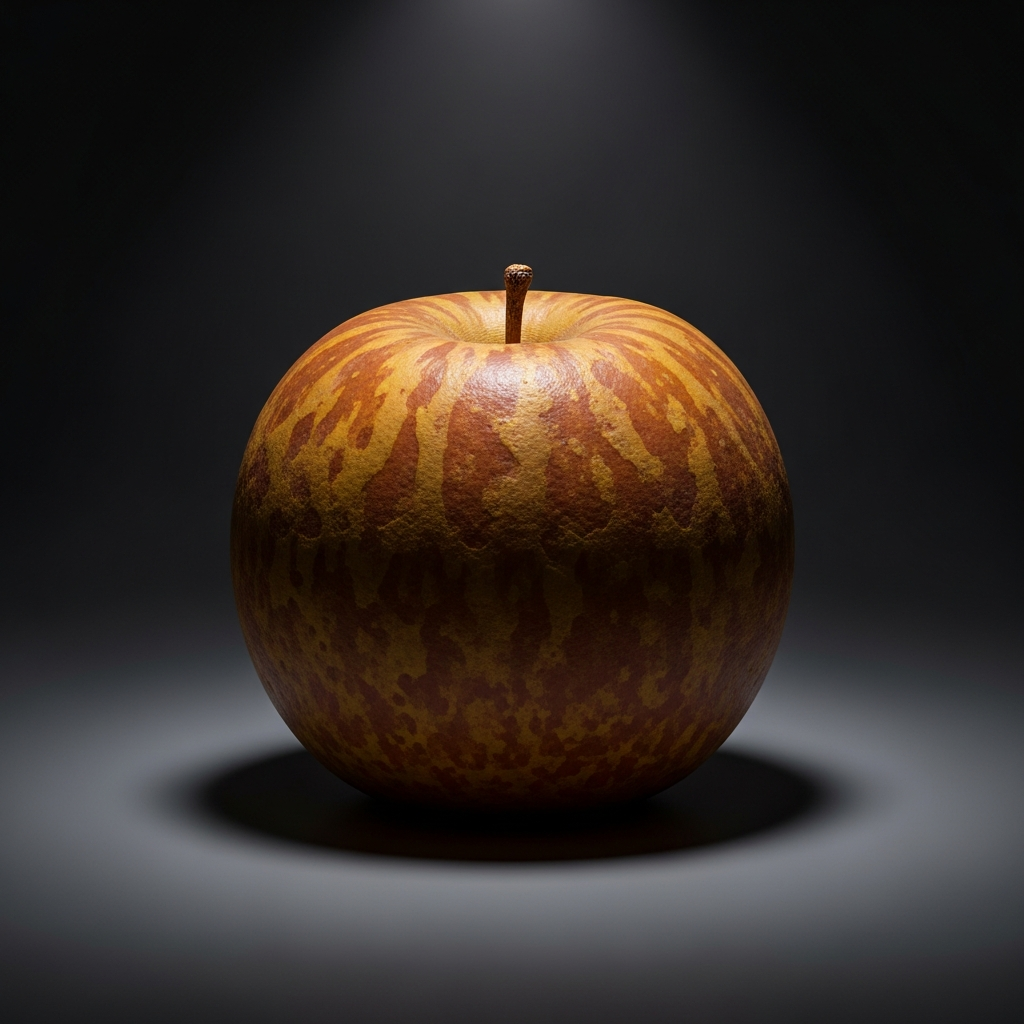
Stoneware mug, dishwasher safe
Buy Mug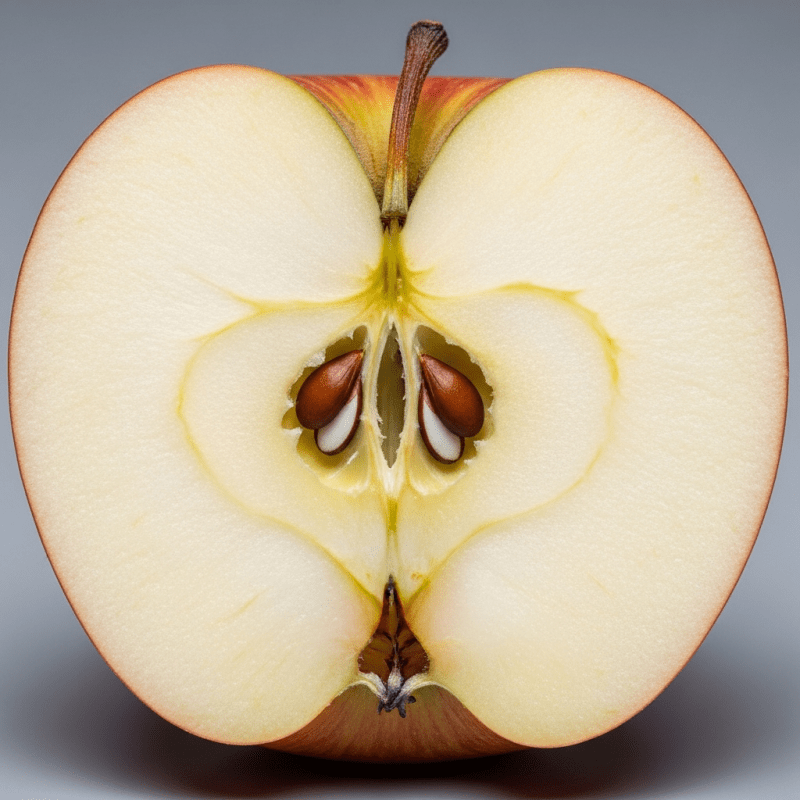
Soft cotton tee, unisex sizes
Buy ShirtRusset apples hold a special place in apple lore and traditional horticulture. Their rustic appearance and storied flavors evoke a sense of heritage and authenticity, often celebrated in regional festivals and farmers' markets. In England and New England, russet apples are synonymous with old orchards and classic cider making. Though sometimes overlooked in modern supermarkets, they remain a symbol of apple diversity and a cherished link to the past in culinary and gardening circles.
Russet apples are celebrated for their complex and aromatic flavor profiles. Tasting notes often include nutty, honeyed, and spicy undertones, with a firm and crisp texture. The flesh is typically aromatic, delivering a depth of flavor that appeals to those seeking something beyond the typical sweet-tart apple experience.
Russet apples have historical roots in both Europe and North America. England is home to famous cultivars like 'Egremont Russet' and 'Ashmead’s Kernel', while the United States boasts heritage types such as 'Roxbury Russet' and 'Golden Russet'. Today, russet apples are grown in traditional orchards across the UK, northeastern US, and parts of continental Europe, though large-scale commercial cultivation is less common due to modern market preferences.
There is no single genetic lineage for russet apples, as the russeted skin trait can arise in many apple families. Each russet cultivar has its own breeding history; for example, 'Ashmead’s Kernel' and 'Egremont Russet' developed independently. Russeting is a phenotypic trait that may be inherited or influenced by environmental conditions, making the group diverse in parentage and genetic background.
As a group, russet apples are not considered endangered, but some individual cultivars are rare or at risk due to declining commercial interest. Heritage and conservation programs in the UK, USA, and Europe actively maintain collections of russet varieties to preserve their unique traits and historical significance.
Russet apples are typically harvested in the autumn, with peak availability from late September through November, depending on the cultivar and region. Thanks to their excellent storage properties, they can often be enjoyed well into the winter months, making them a favorite for extended seasonal use.