Rubinette
Rubinette is a Swiss-bred dessert apple celebrated for its exceptional flavor, aromatic complexity, and dedicated following among apple enthusiasts.
Rubinette is a Swiss-bred dessert apple celebrated for its exceptional flavor, aromatic complexity, and dedicated following among apple enthusiasts.
Originating in Switzerland during the 1960s, Rubinette was developed by crossing two renowned cultivars: 'Cox's Orange Pippin' and 'Golden Delicious'. Its introduction is most commonly cited as 1966, though some records note 1967. The apple was bred to combine the rich aroma and balanced acidity of its parents, and quickly gained recognition among specialty growers in Europe, especially in Switzerland, Germany, and the United Kingdom.
Rubinette belongs to the family Rosaceae, genus Malus, species Malus domestica, and is classified as a dessert apple cultivar. Its botanical lineage is well documented, and it fits squarely within the framework of named modern apple varieties, following international nomenclature standards.
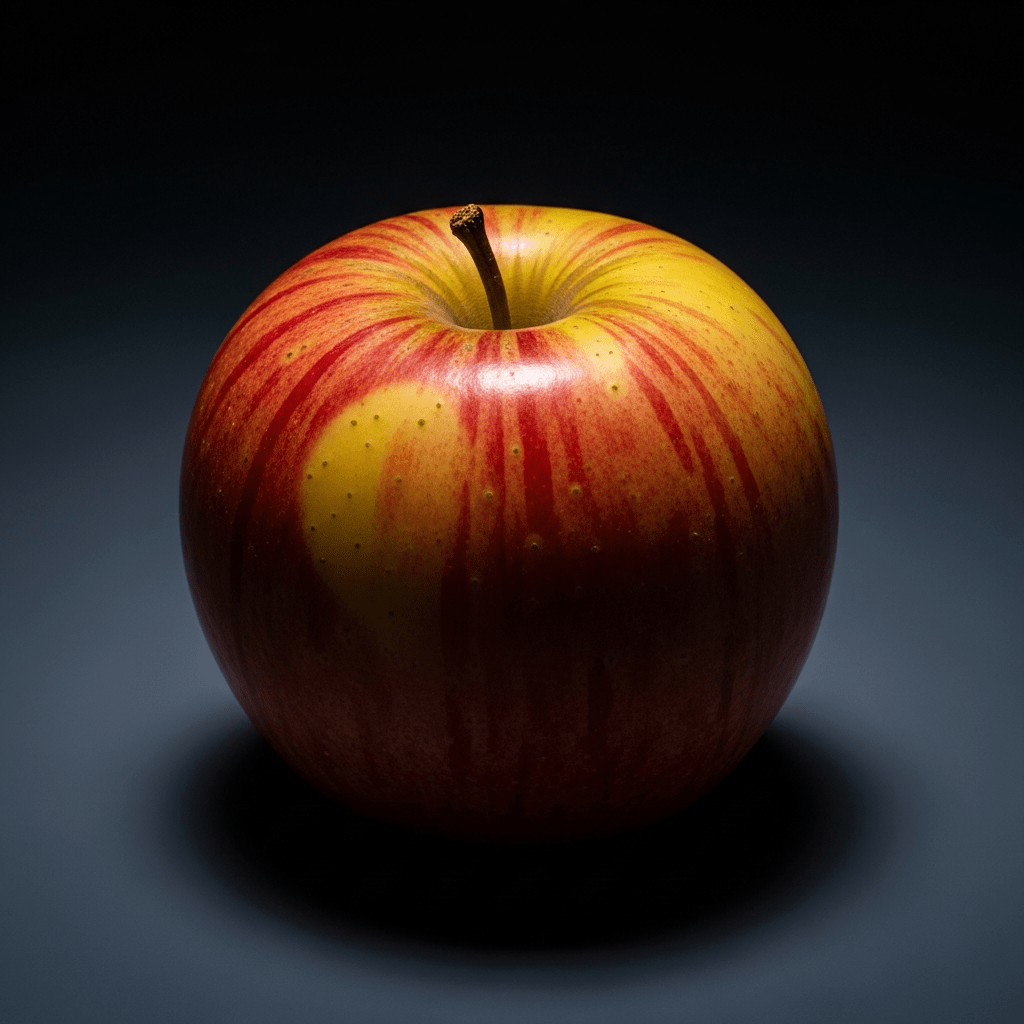
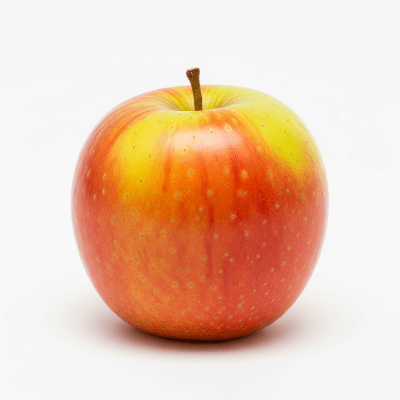
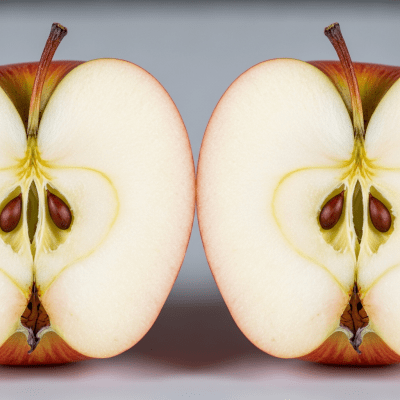
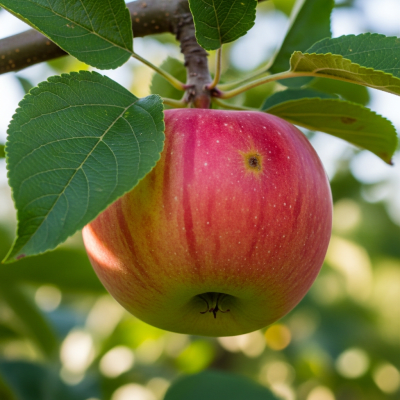
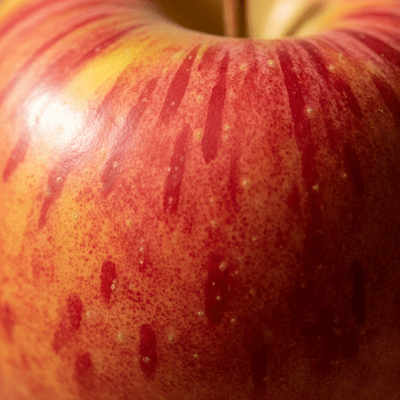
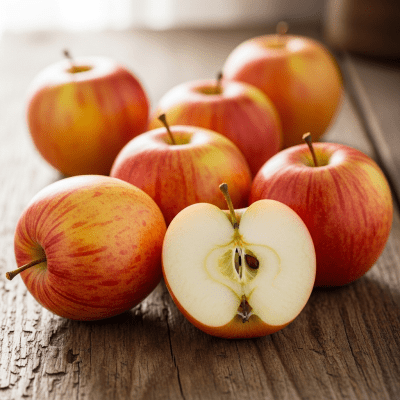
This apple is small to medium in size, with a slightly flattened shape. Its skin is strikingly marked by red-orange stripes overlaying a yellow-green base, giving it a vibrant, inviting appearance. The flesh is cream-colored, fine-textured, and notably juicy, while the skin is thin and delicate—traits that contribute to both its appeal and its susceptibility to bruising.
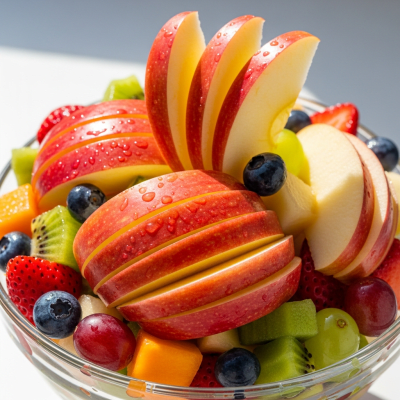
Rubinette is prized primarily as a dessert apple, meant to be enjoyed fresh for its complex flavor. Its aromatic qualities and balance of sweetness and acidity make it a favorite for eating out of hand. While occasionally used in culinary preparations, its delicate skin and moderate storage life limit its suitability for large-scale commercial use or extended storage. Specialty growers and connoisseurs value it for its taste above all else.
Bring this kind into your world illustrated posters, mugs, and shirts.

Archival print, museum-grade paper
Buy Poster
Stoneware mug, dishwasher safe
Buy Mug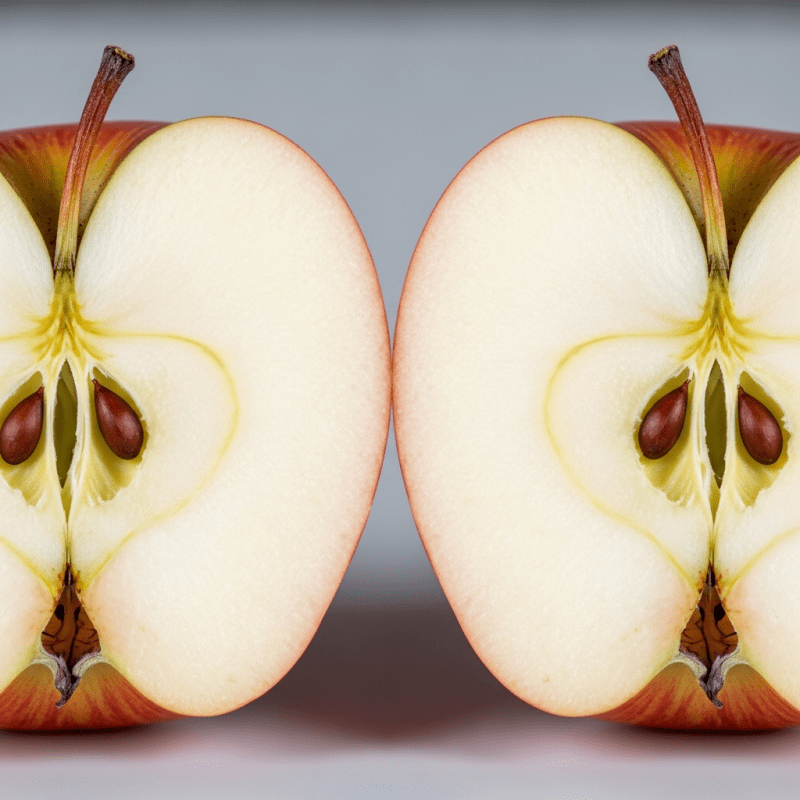
Soft cotton tee, unisex sizes
Buy ShirtThough not a mainstream commercial variety, Rubinette holds a special place among apple enthusiasts, heritage orchardists, and flavor-focused growers. Its reputation as one of the finest-tasting modern apples has earned it a cult following in Europe, and it is often featured in tasting events, specialty markets, and horticultural showcases. Its Swiss origin and celebrated parentage add to its allure in apple lore.
Rubinette’s flavor is widely celebrated for its depth and complexity. It offers pronounced sweetness, lively acidity, and a rich aromatic bouquet reminiscent of its parentage. The flesh is juicy and fine-textured, delivering a refreshing and nuanced eating experience that is often described as one of the best among modern apples.
Rubinette is cultivated mainly in Switzerland, its country of origin, as well as Germany and the United Kingdom. Its niche status means it is grown in smaller quantities compared to mainstream varieties, often in specialty orchards and by dedicated growers who value its flavor and heritage.
This cultivar was bred from two distinguished apples: 'Cox's Orange Pippin' (seed parent) and 'Golden Delicious' (pollen parent). The deliberate cross aimed to combine the aromatic complexity and balanced acidity of Cox’s with the sweetness and crispness of Golden Delicious, resulting in Rubinette’s signature taste. No further hybridization or mutation is recorded in its development.
Rubinette is not classified as rare or endangered, but its limited commercial cultivation and specialized market presence warrant ongoing attention for genetic conservation. It is recognized and maintained in major fruit collections, including the British National Fruit Collection and the USDA National Plant Germplasm System.
Rubinette itself is a notable variety, often compared to its parents, 'Cox's Orange Pippin' and 'Golden Delicious', both of which are famous in their own right. Other celebrated apples in the same flavor-focused category include 'Egremont Russet', 'Ashmead's Kernel', and 'Honeycrisp', each with distinctive taste profiles and heritage.
Rubinette is typically harvested in early to mid-autumn, with availability in local markets and orchards during the fall season. Its moderate shelf life means it is best enjoyed soon after picking, making it a seasonal treat for those seeking exceptional flavor.