Rome Beauty
Rome Beauty, commonly known as 'Rome', is a celebrated American apple cultivar prized for its exceptional baking qualities and striking deep red appearance.
Rome Beauty, commonly known as 'Rome', is a celebrated American apple cultivar prized for its exceptional baking qualities and striking deep red appearance.
The Rome Beauty apple originated in the early 19th century as a chance seedling in Rome Township, Lawrence County, Ohio, United States. Discovered around 1816 by Joel Gillette and later propagated by Horatio Nelson Gillett, this apple quickly gained popularity for its culinary virtues and spread throughout North America. Its name honors its place of origin, and it remains a testament to the serendipity of orchard history.
Rome Beauty belongs to the family Rosaceae, genus Malus, and species Malus domestica. As a cultivar, it is officially registered under 'Rome Beauty' and recognized by leading authorities such as the USDA National Plant Germplasm System and the Royal Horticultural Society. It is categorized primarily as a cooking apple, with occasional use as a dessert and cider apple.
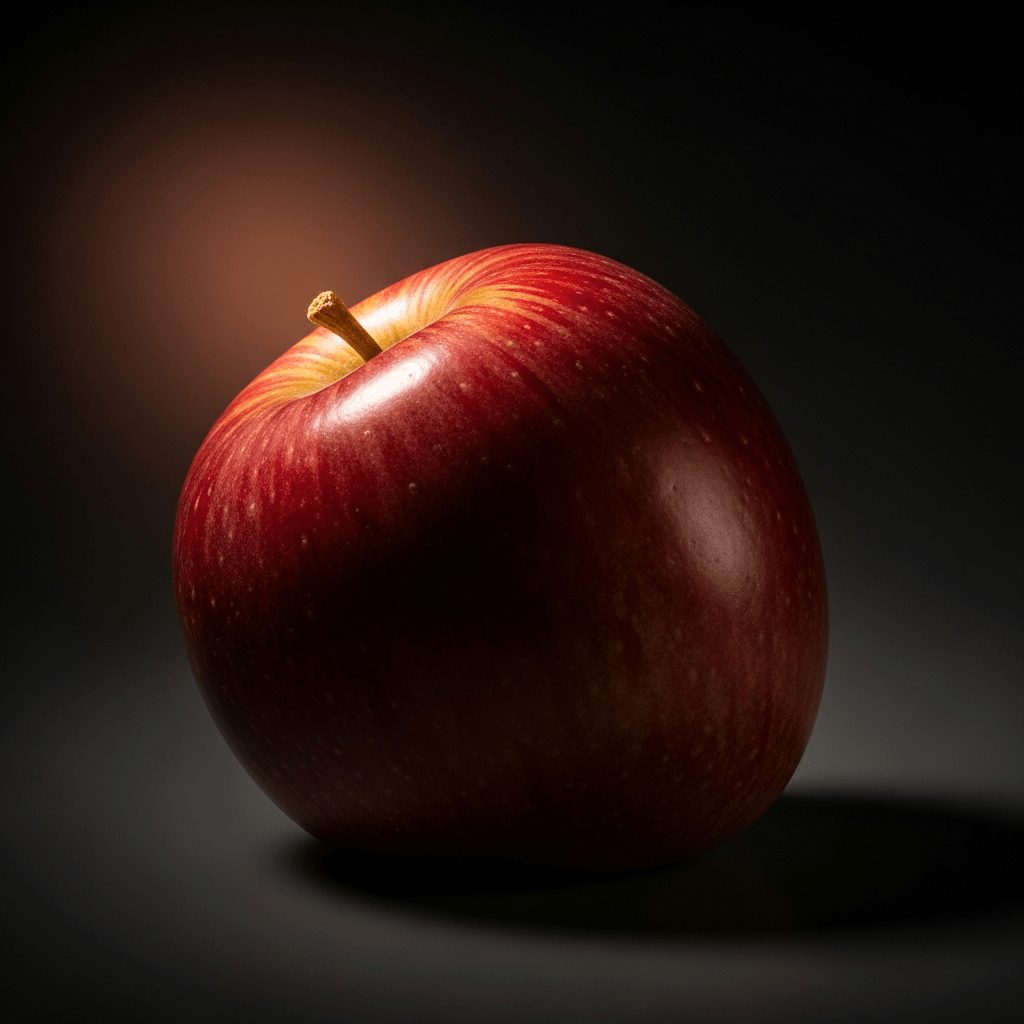
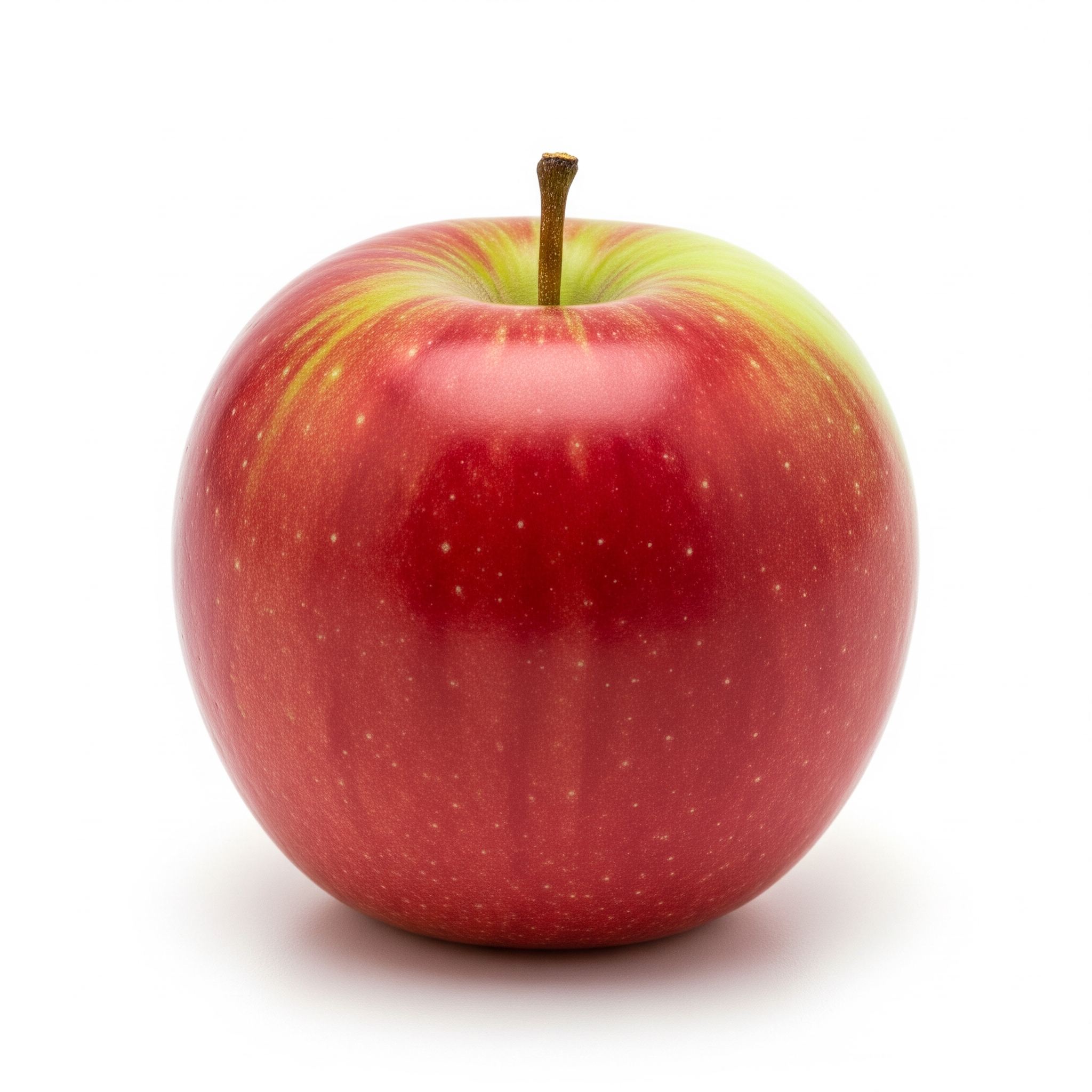
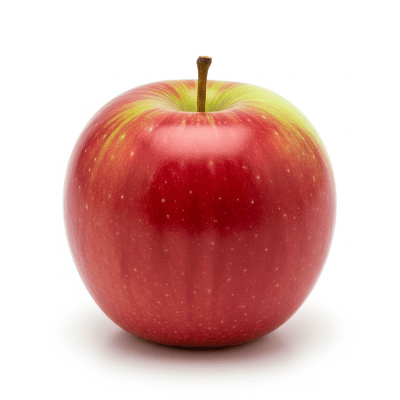
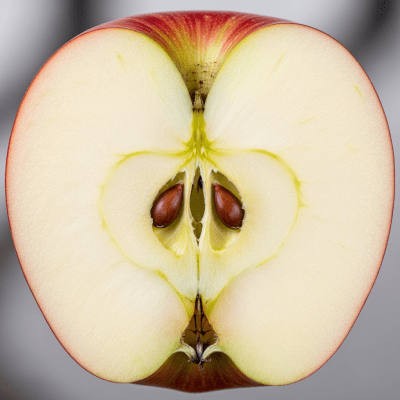
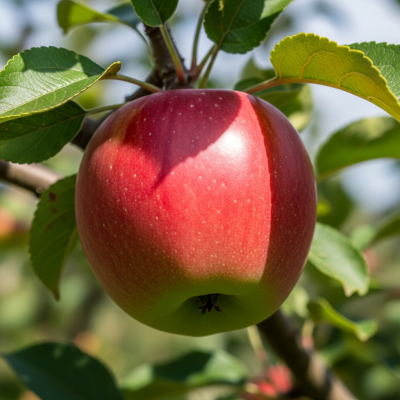
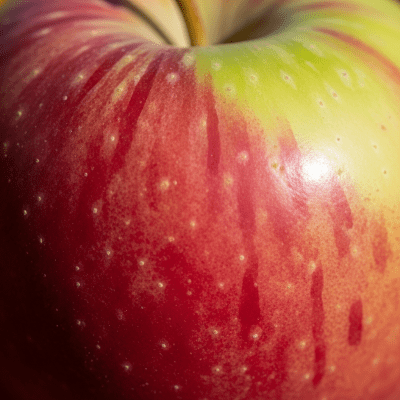
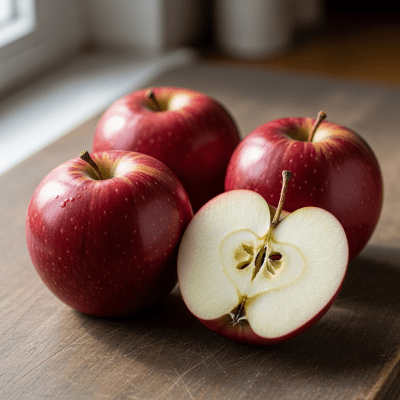
Rome apples are medium to large, round, and slightly flattened. Their skin is glossy and deep red, sometimes displaying faint yellow or green undertones. The flesh is white to pale cream, firm, and dense, offering a mildly sweet flavor with subtle tartness. The thick skin not only enhances its visual appeal but also contributes to durability during transport and storage.
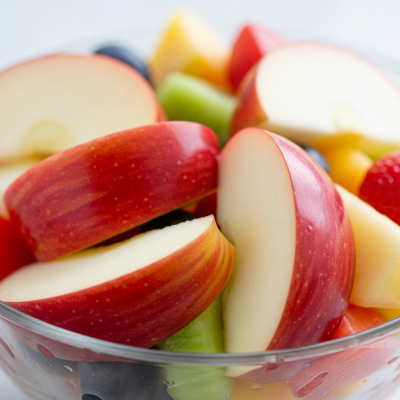
Rome Beauty is renowned for its performance in the kitchen. Its firm texture and ability to retain shape make it a favorite for baking—especially in pies, crisps, and other cooked desserts. While it can be eaten raw, its flavor is considered mild and less pronounced compared to other dessert apples. It is also used, though less commonly, in cider production.
Bring this kind into your world illustrated posters, mugs, and shirts.
Archival print, museum-grade paper
Buy Poster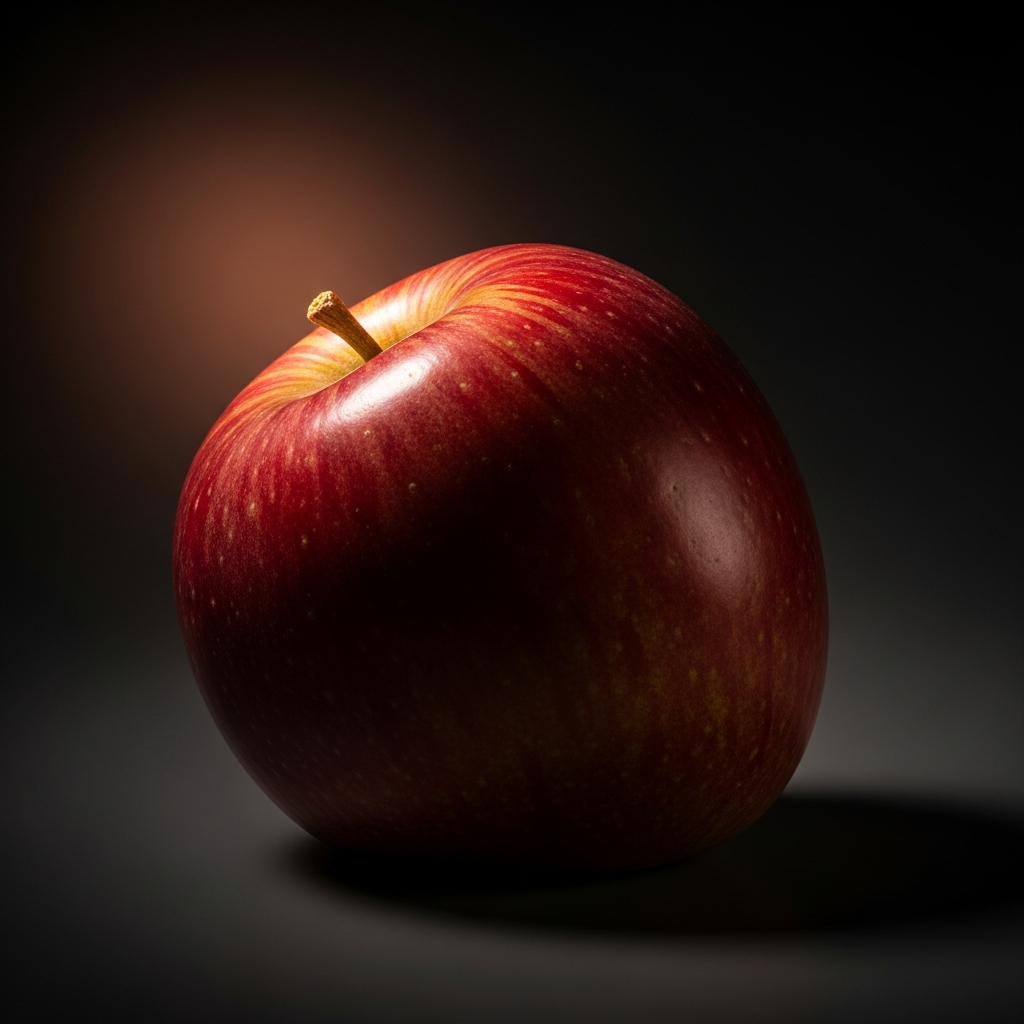
Stoneware mug, dishwasher safe
Buy Mug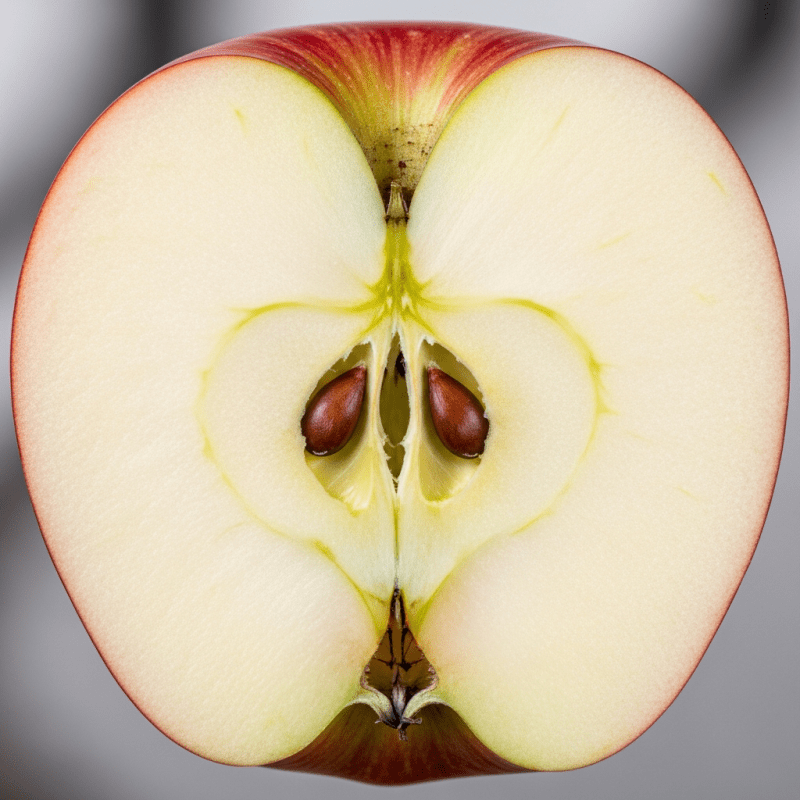
Soft cotton tee, unisex sizes
Buy ShirtThe Rome apple stands as an American classic, deeply woven into the culinary traditions of the Midwest and Eastern United States. Its reputation as the quintessential "baking apple" has made it a staple in family recipes and holiday pies. The cultivar’s enduring popularity reflects its reliability and the nostalgia of heritage orchards, where Rome Beauty is often associated with autumn harvests and traditional home baking.
Rome Beauty apples have a mildly sweet flavor with subtle tartness, and a firm, dense texture. Their taste is understated when raw, but baking transforms the flavor, making it richer and more aromatic. The apple’s flesh remains intact and pleasingly tender after cooking, which is why it is so highly regarded for baked desserts.
Rome Beauty is widely cultivated across North America, especially in the eastern and midwestern United States. Its adaptability to temperate climates has led to its presence in other apple-growing regions worldwide, though its strongest commercial and cultural ties remain in the United States.
The parentage of Rome Beauty is unknown; it is believed to be a chance seedling rather than the product of intentional breeding. No definitive genetic lineage has been documented, making its origin a story of orchard serendipity rather than planned hybridization.
Rome Beauty is considered a common cultivar and is not listed as rare or endangered. It remains widely grown in commercial orchards and is readily available in markets throughout its cultivation regions.
Rome Beauty itself is the most prominent variety within its group, also known by synonyms such as 'Red Rome' and 'Rome Red'. While not part of a large family of sub-varieties, it stands alongside other historic American apples like 'Jonathan' and 'Golden Delicious' as a staple of heritage orchards and baking traditions.
Rome Beauty apples are typically harvested in the autumn, with peak availability in markets from late fall through winter. Their good storage properties allow them to remain accessible for several months after harvest, ensuring a steady supply for holiday baking and seasonal recipes.