Red Delicious
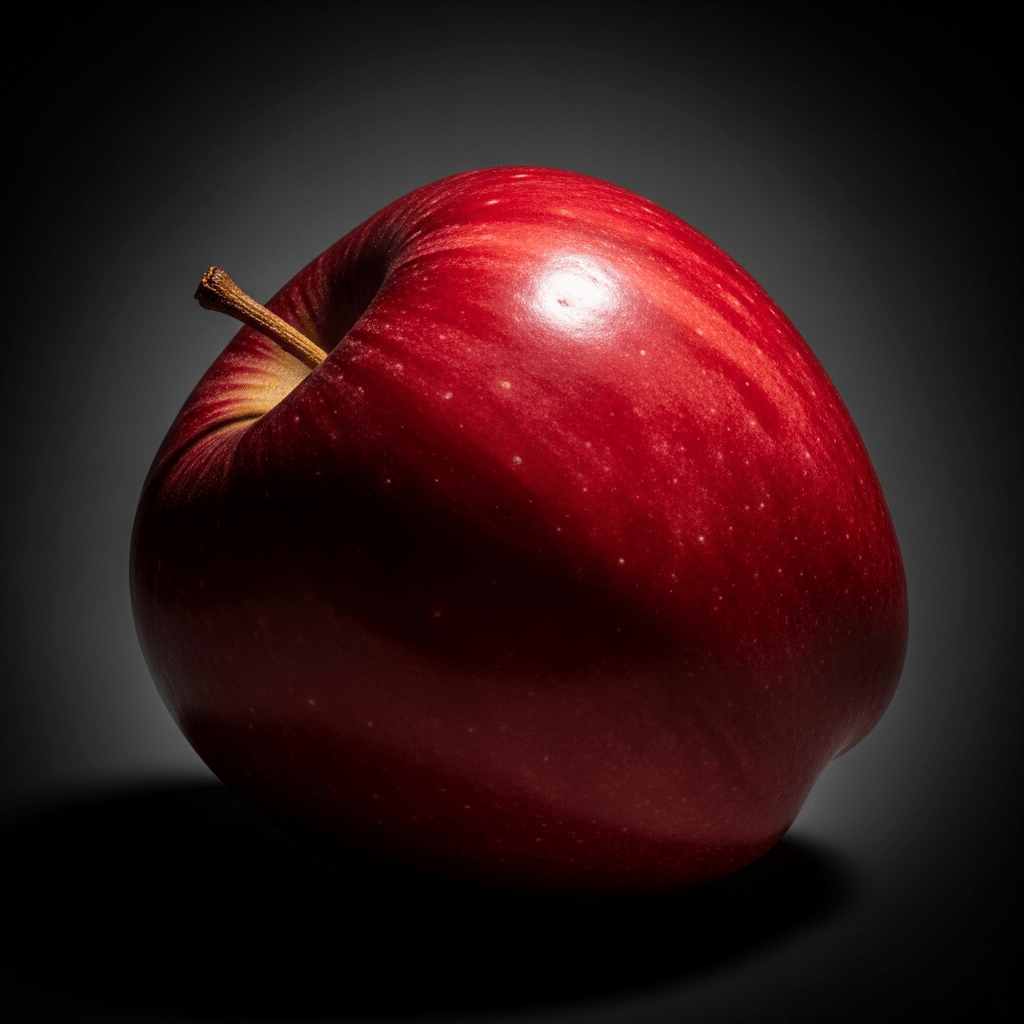
The 'Red Delicious' apple is an iconic deep red dessert apple, celebrated for its crisp texture, elongated shape, and enduring popularity in markets worldwide.
The 'Red Delicious' apple is an iconic deep red dessert apple, celebrated for its crisp texture, elongated shape, and enduring popularity in markets worldwide.
'Red Delicious' originated as a chance seedling in Peru, Iowa, United States, in the late 19th century. Discovered in 1872 and initially called 'Hawkeye,' it was later selected by Stark Brothers Nurseries and introduced commercially in 1894. Its striking appearance and adaptability quickly propelled it to become one of the most widely grown apple cultivars in the United States and beyond.
'Red Delicious' belongs to the family Rosaceae, genus Malus, and species Malus domestica. It is a cultivated variety, or cultivar, within the domesticated apple species, and is primarily classified as a dessert apple due to its sweet flavor and crisp texture.
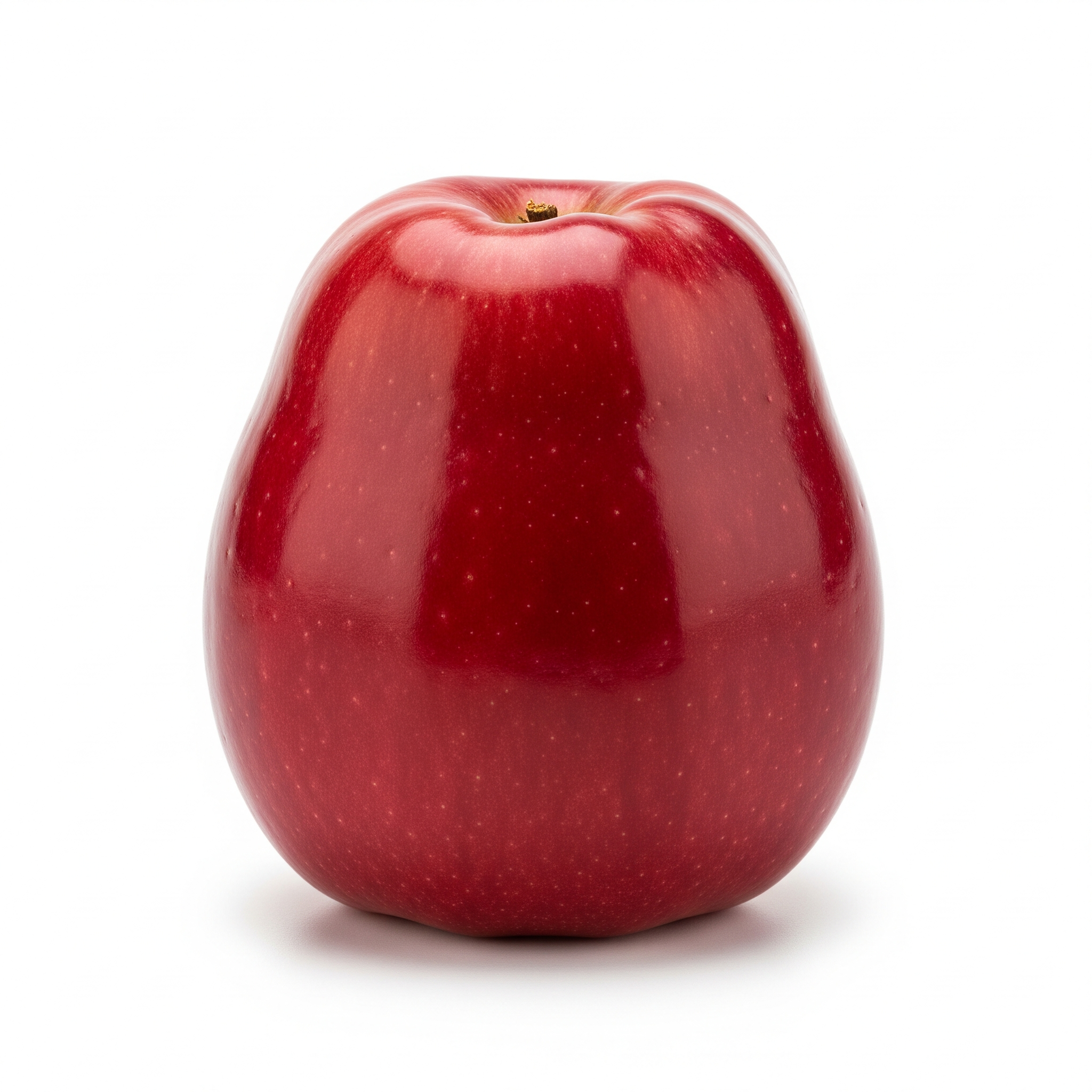
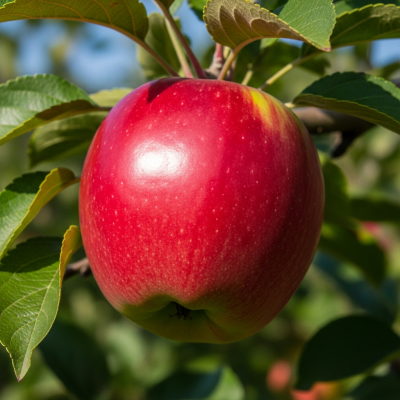
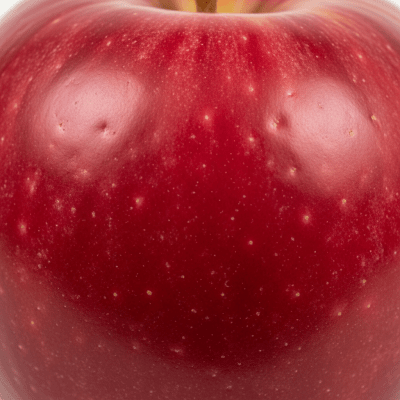
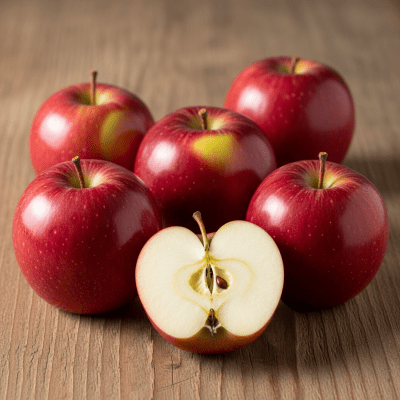
'Red Delicious' apples are instantly recognizable by their glossy, deep red—sometimes striped—skin and elongated, conical form. Five pronounced bumps or 'crowns' at the base give the fruit a distinctive silhouette. The flesh is pale cream to yellow, moderately crisp, and the thick skin enhances both its visual appeal and storability.
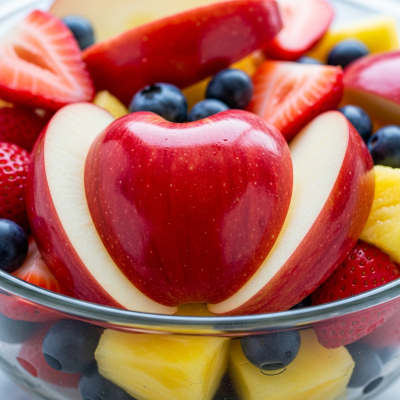
Best enjoyed fresh, 'Red Delicious' is a classic dessert apple, favored for snacking and fruit salads. Its thick skin and resistance to bruising make it ideal for transport and retail display. However, it is rarely used for cooking or cider, as its flesh tends to become mealy when cooked and lacks the acidity preferred for other uses.
Bring this kind into your world illustrated posters, mugs, and shirts.
Archival print, museum-grade paper
Buy Poster
Stoneware mug, dishwasher safe
Buy Mug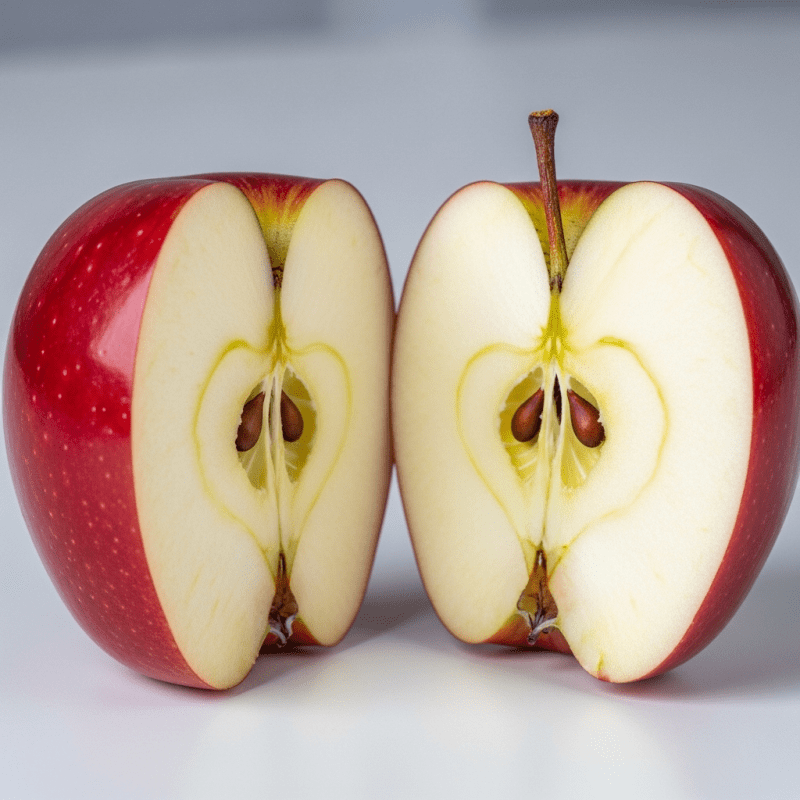
Soft cotton tee, unisex sizes
Buy ShirtFew apples are as visually iconic as 'Red Delicious.' For decades, it symbolized the quintessential American apple—appearing in school lunches, advertisements, and as a staple in grocery stores. Its instantly recognizable shape and color have made it a fixture in popular culture, though its dominance has waned as tastes have shifted toward more flavorful varieties.
'Red Delicious' apples offer a sweet, gentle flavor with low acidity and a mild aroma. The flesh is moderately crisp and juicy when fresh, but can become soft if stored too long. The taste is often described as pleasant but less complex than other dessert apples.

'Red Delicious' is cultivated extensively in the United States—particularly in Washington State, which is a major producer. The variety is also grown in China, Italy, and New Zealand, making it one of the most internationally distributed apple cultivars.
The exact parentage of 'Red Delicious' is unknown, as it originated as a chance seedling. Its genetic lineage remains uncertain, but its desirable traits—especially color and storability—have made it a frequent parent in modern apple breeding programs.
'Red Delicious' is considered common, with no conservation concerns. It remains widely grown and is well-represented in major germplasm collections worldwide.
Within the broader apple world, 'Red Delicious' stands alongside other famous cultivars such as 'Golden Delicious', 'Granny Smith', and 'Gala'. It has also given rise to related types and sports, including 'Starkrimson', which shares its deep red hue and shape.
'Red Delicious' apples are typically harvested in early to mid-autumn, but their excellent storability means they are available in markets for much of the year, especially in regions with large-scale commercial production.