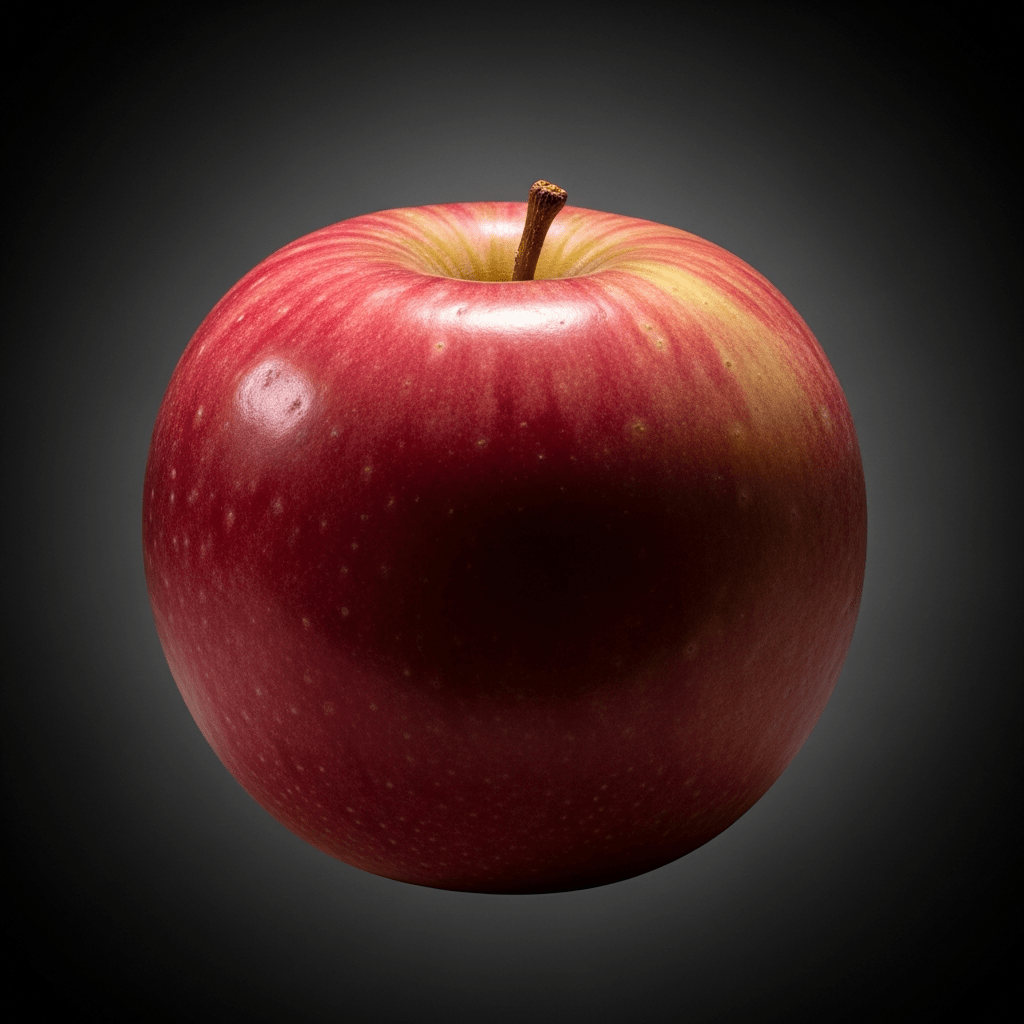
Cripps Pink
Pink Lady apples, officially known as 'Cripps Pink', are a globally celebrated dessert apple prized for their crisp texture, vibrant pink blush, and balanced sweet-tart flavor.
Pink Lady apples, officially known as 'Cripps Pink', are a globally celebrated dessert apple prized for their crisp texture, vibrant pink blush, and balanced sweet-tart flavor.
'Cripps Pink' was developed in Western Australia by breeder John Cripps at the Department of Agriculture. The cultivar was introduced commercially in 1973, resulting from a cross between 'Golden Delicious' and 'Lady Williams'. The 'Pink Lady' trademark, established in the 1990s, signifies fruit meeting strict quality standards and has become an international symbol of premium apples.
Belonging to the family Rosaceae, genus Malus, and species Malus domestica, 'Cripps Pink' is a registered cultivar. The 'Pink Lady' name is a trademark used for 'Cripps Pink' apples that meet specific quality criteria, making it both a botanical and commercial classification. This cultivar is primarily grouped as a dessert apple, though it is versatile in culinary applications.
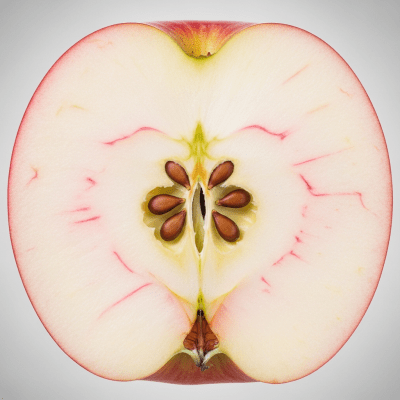
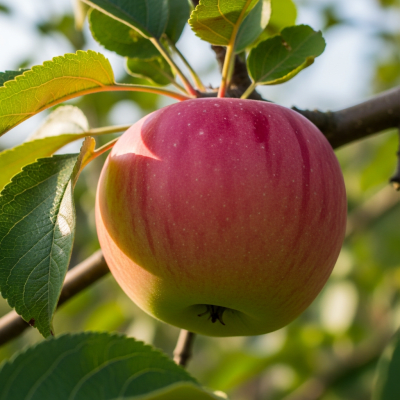
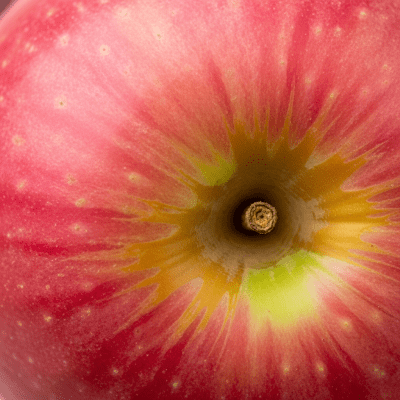
'Pink Lady' apples are medium to large, with a distinctive conical or elongated shape. Their smooth skin features a striking pink blush over a pale green to yellow background. The flesh is white to pale cream, exceptionally firm, and crisp, inviting both visual appeal and satisfying texture.
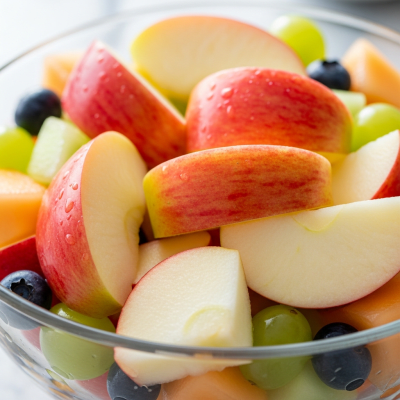
Primarily enjoyed fresh as a dessert apple, 'Pink Lady' is also favored in salads and baking due to its firmness and flavor stability. Its high sugar and acidity content make it less common for cider, but its resistance to bruising and extended shelf life make it a favorite for commercial distribution and home storage alike.
Bring this kind into your world illustrated posters, mugs, and shirts.
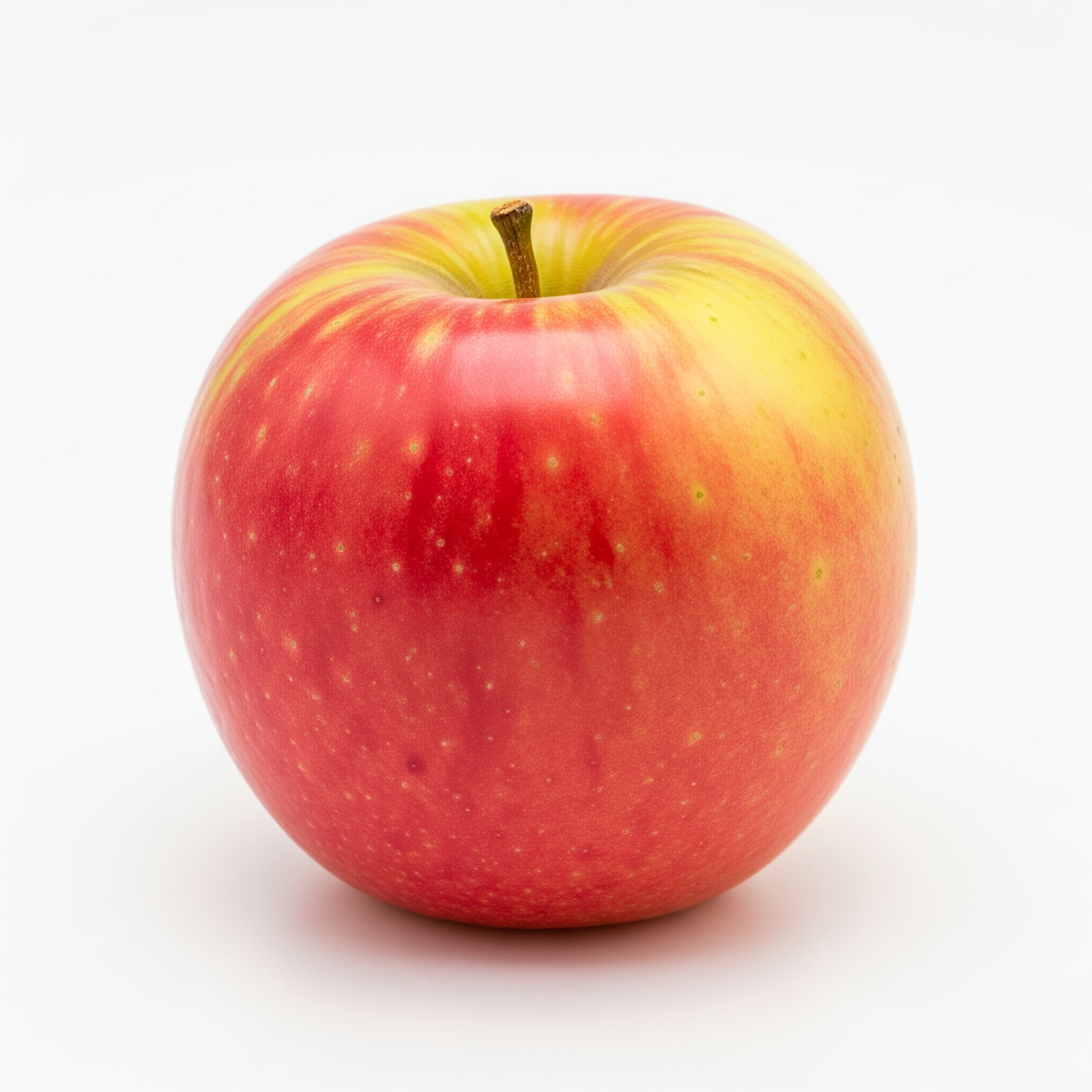
Archival print, museum-grade paper
Buy Poster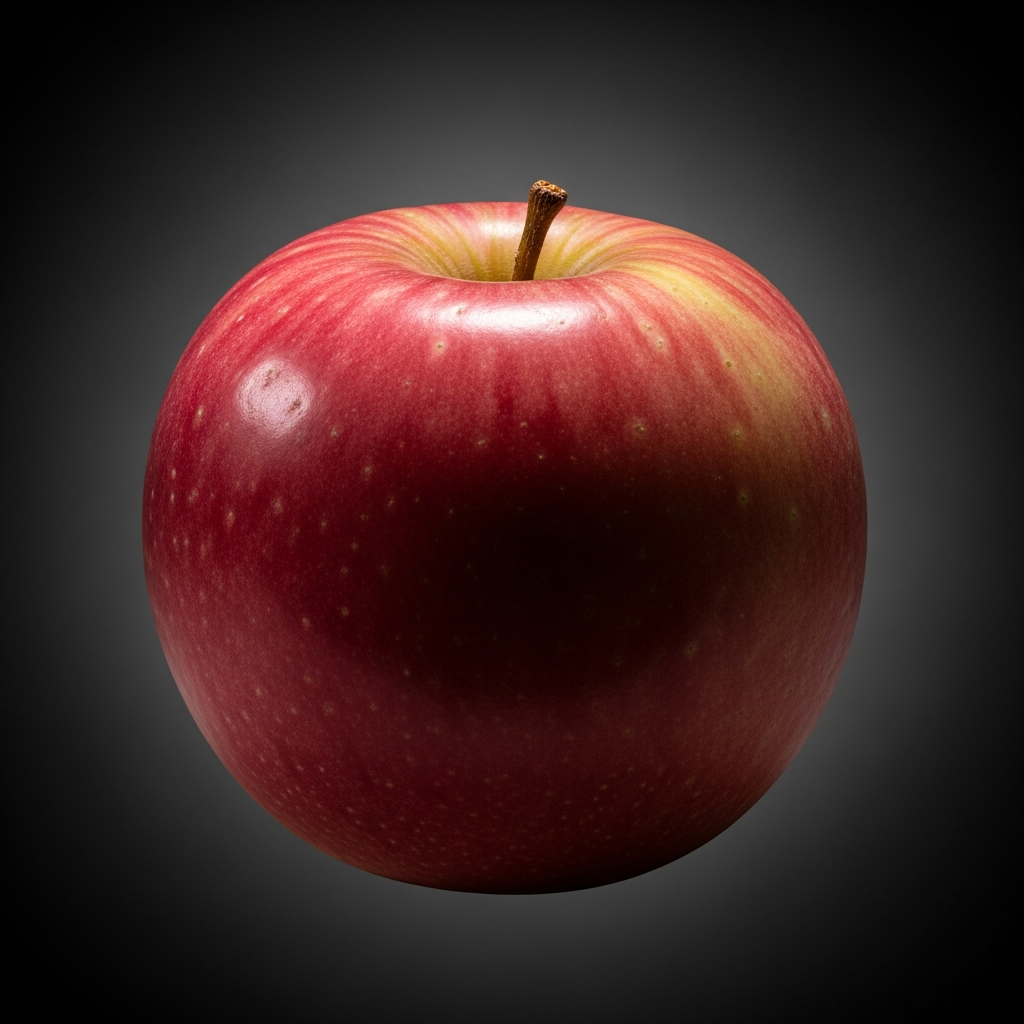
Stoneware mug, dishwasher safe
Buy Mug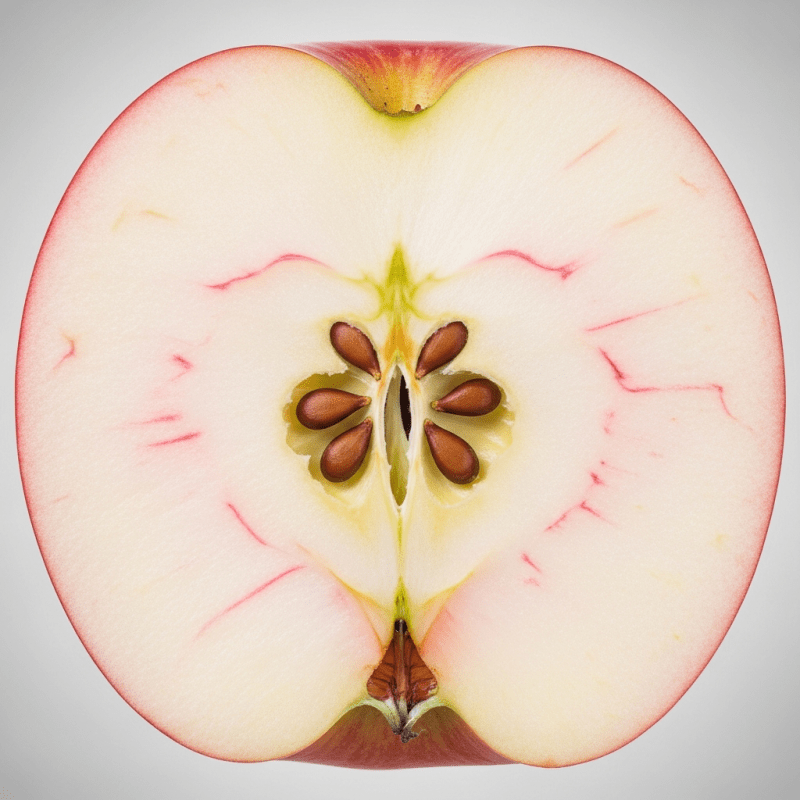
Soft cotton tee, unisex sizes
Buy ShirtThe 'Pink Lady' brand has become synonymous with quality and innovation in apple marketing, often featured in advertising and culinary media. Its distinctive appearance and flavor have made it a staple in international supermarkets, and the trademarked name is recognized by consumers worldwide as a mark of excellence. In Australia, its birthplace, 'Pink Lady' is a point of national pride and agricultural achievement.
'Pink Lady' apples offer a harmonious blend of high sugar and lively acidity, resulting in a sweet-tart taste with subtle floral and honeyed notes. The flesh is crisp and exceptionally firm, delivering a refreshing crunch and lingering juiciness with every bite.

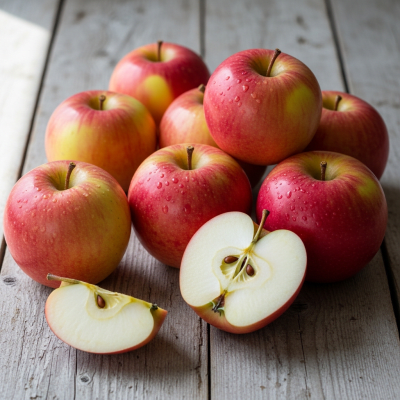
'Pink Lady' apples are grown in temperate regions worldwide. Major producers include Australia (its origin), New Zealand, South Africa, the United States (especially Washington and California), Chile, and European countries such as France, Italy, and Spain. This global reach ensures year-round availability and consistent quality.
'Cripps Pink' was developed by crossing 'Golden Delicious' (seed parent) with 'Lady Williams' (pollen parent) in Western Australia. The breeding program, led by John Cripps, aimed to combine the sweetness and texture of 'Golden Delicious' with the late-season harvest and resilience of 'Lady Williams', resulting in the celebrated 'Pink Lady'.
'Pink Lady' is a common and commercially significant cultivar, widely grown and not considered rare or endangered. Its popularity and robust distribution ensure its ongoing conservation through active cultivation and germplasm repositories.
While 'Pink Lady' itself is a standout cultivar, its parent varieties—'Golden Delicious' and 'Lady Williams'—are also notable for their historical and commercial significance. Other famous apples in the dessert category include 'Honeycrisp', 'Gala', and 'Fuji', each offering unique flavors and textures that complement the diversity of modern apple selections.
'Pink Lady' apples are typically harvested late in the season, often from late autumn into early winter, depending on the region. Their extended storage life allows them to be available in markets for much of the year, often when other fresh apples are scarce.