Paula Red
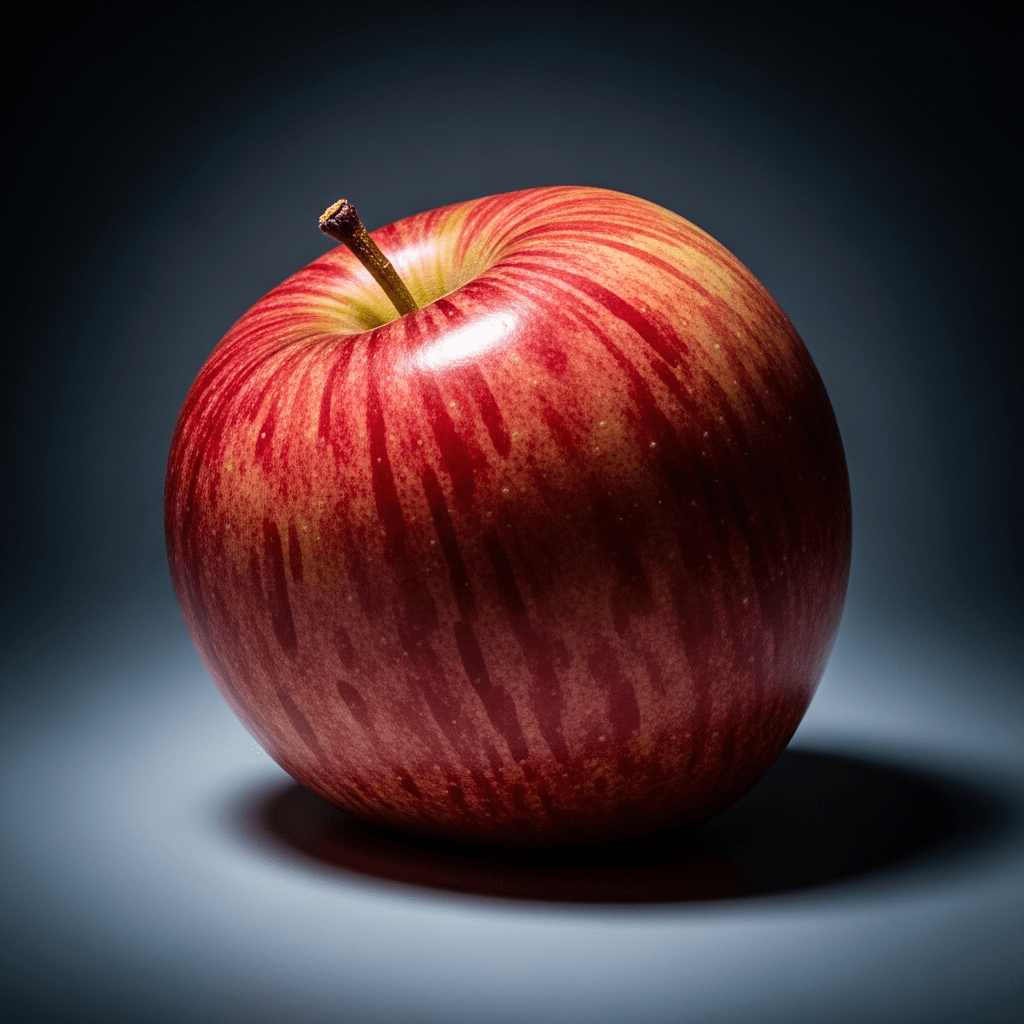
Paula Red is an early-ripening American apple cultivar prized for its balanced tart-sweet flavor and vibrant red skin, making it a favorite for fresh eating and applesauce.
Paula Red is an early-ripening American apple cultivar prized for its balanced tart-sweet flavor and vibrant red skin, making it a favorite for fresh eating and applesauce.
Discovered as a chance seedling in Sparta, Michigan by Lewis Arends in 1960, Paula Red quickly gained recognition for its appealing qualities. Introduced to commercial markets in the early 1960s, it became a staple of the Midwest's apple harvest, celebrated for being among the first apples available each season.
Botanically, Paula Red belongs to the Rosaceae family, within the genus Malus and species Malus domestica. As a named cultivar, it is part of the extensive apple taxonomy that organizes varieties by genetic lineage, usage, and regional heritage. Paula Red is classified primarily as a dessert apple, but its versatility extends to cooking applications as well.
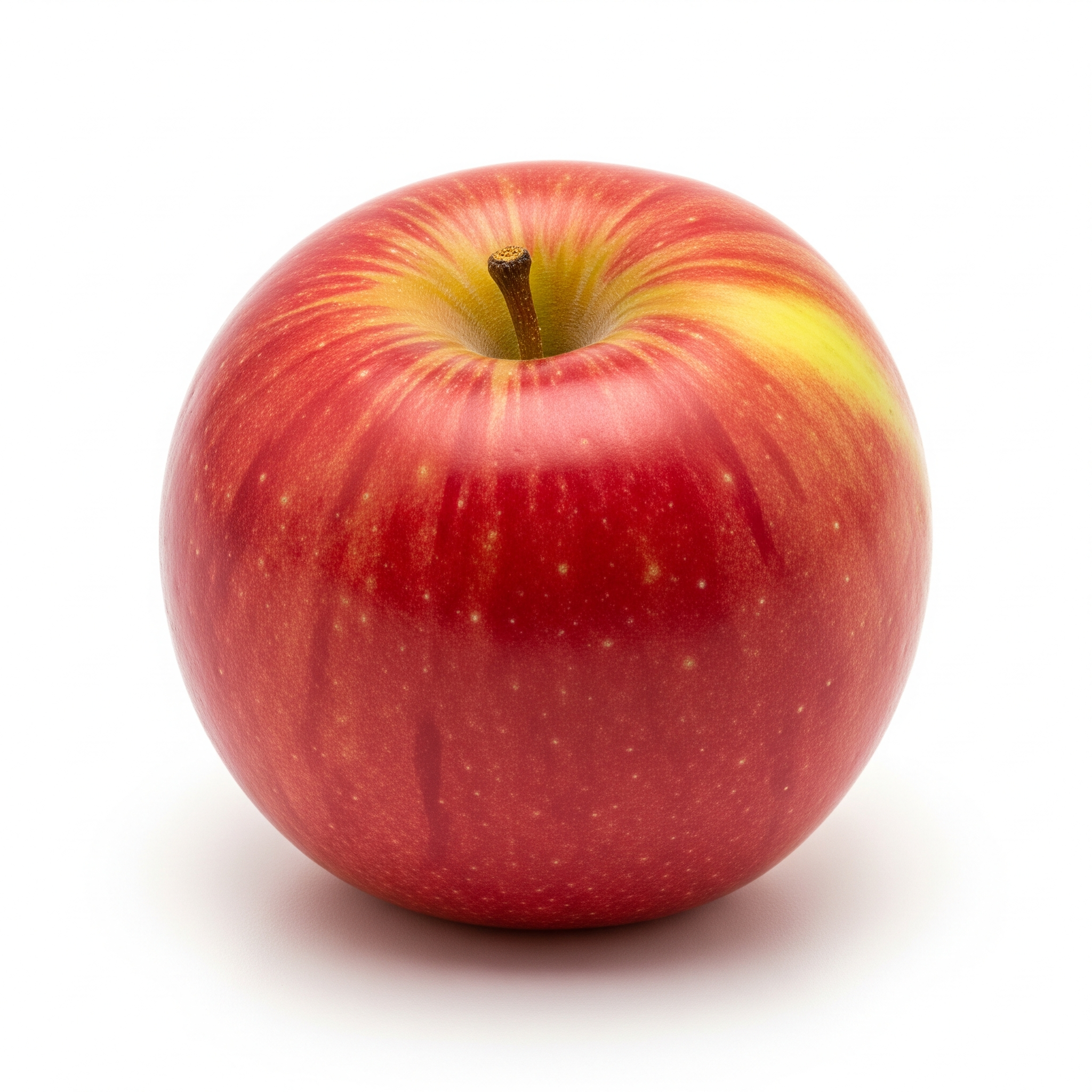
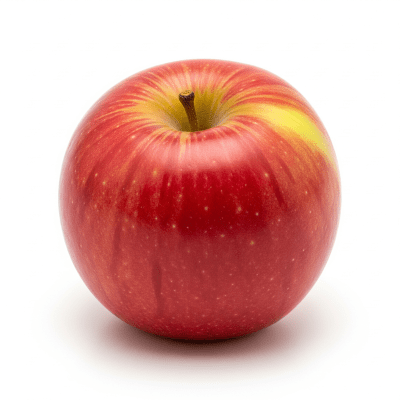
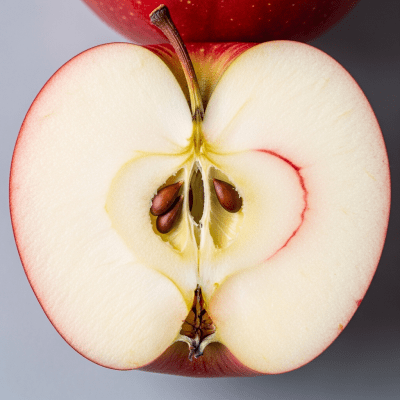
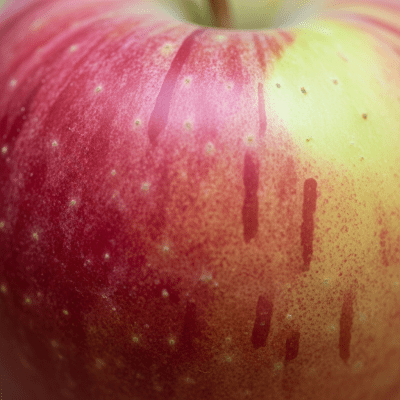
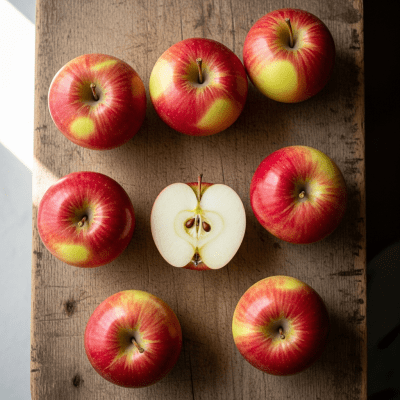
Paula Red apples are medium-sized and round to slightly oblate, with a strikingly red skin overlaying a yellow-green background. The flesh is white to pale cream, fine-textured, and juicy. When freshly picked, the apple is crisp, but it softens quickly after harvest, developing a tender, melting texture.
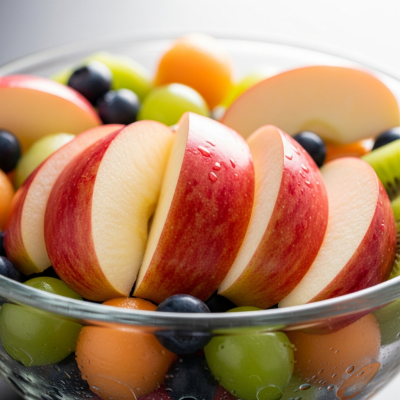
Valued for fresh eating, Paula Red is also a popular choice for applesauce due to its tendency to break down easily when cooked. Its early ripening makes it a herald of apple season in local markets, though its short shelf life means it is best enjoyed soon after picking. The tree itself is moderately vigorous and productive, requiring thinning to prevent biennial bearing.
Bring this kind into your world illustrated posters, mugs, and shirts.
Archival print, museum-grade paper
Buy Poster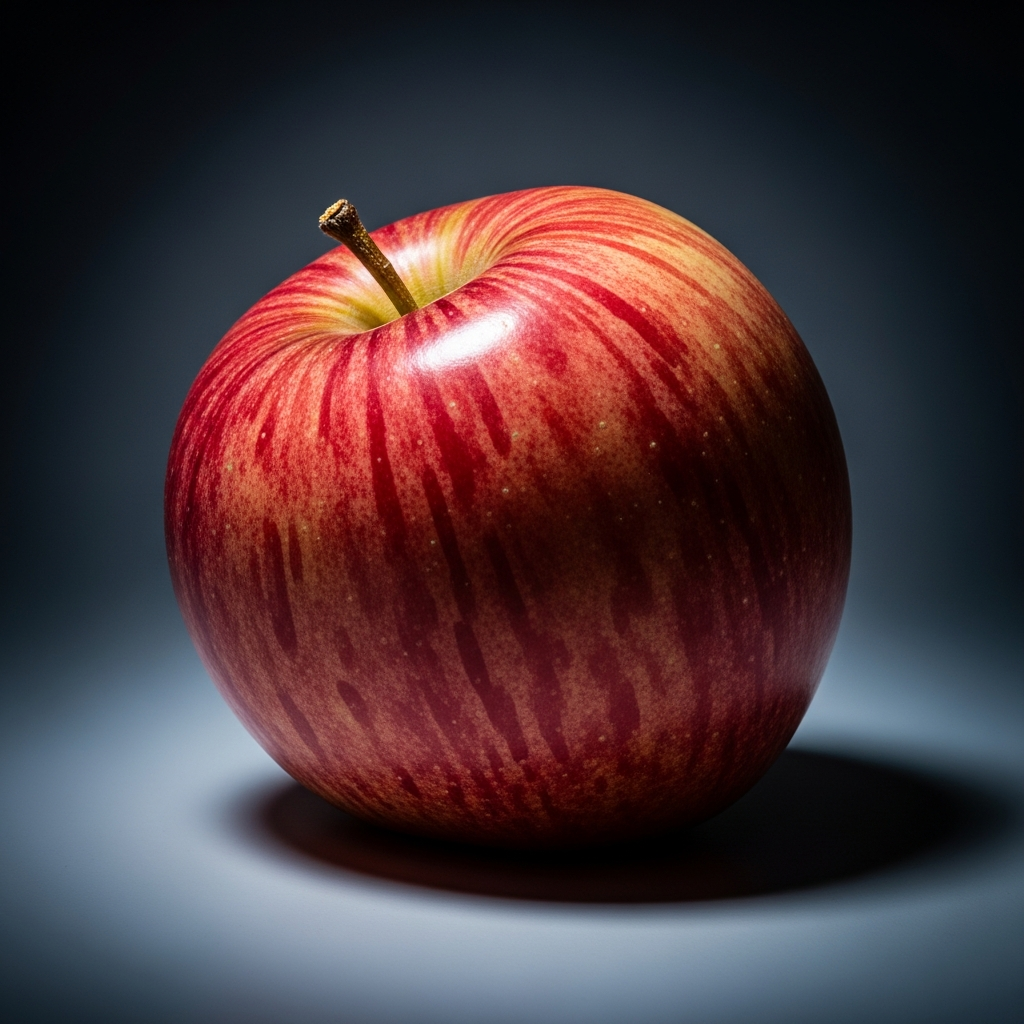
Stoneware mug, dishwasher safe
Buy Mug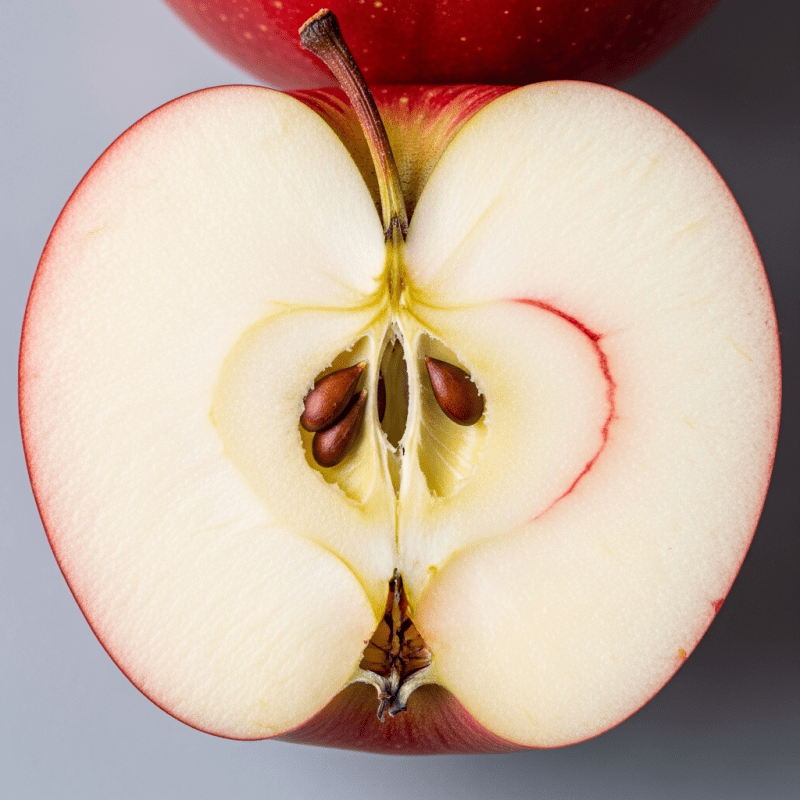
Soft cotton tee, unisex sizes
Buy ShirtPaula Red holds a special place in Michigan's apple heritage, often celebrated as the apple that signals the start of harvest season. While not widely referenced in art or folklore, its presence in local festivals and orchards marks it as a regional favorite, cherished for its freshness and early availability.
Paula Red offers a mildly tart flavor balanced by subtle sweetness. The flesh is juicy and fine-textured, with a crisp bite when freshly picked that transitions to a softer, melting texture as the apple ages. Its aroma is fresh and inviting, making it enjoyable both raw and cooked.
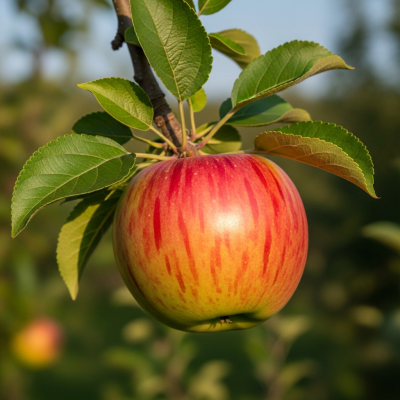
Paula Red is widely cultivated in the United States, especially in Michigan and neighboring Midwest states. Its adaptability to temperate climates ensures successful growth in regions with cool summers and early autumns. While most prevalent in the Midwest, it can also be found in home orchards across North America.
The exact parentage of Paula Red remains a mystery. It was discovered as a chance seedling, with speculation about possible descent from 'McIntosh' due to similarities in fruit and tree characteristics. No genetic confirmation has been published, making its lineage an intriguing topic for apple enthusiasts.
Paula Red is considered a common cultivar in the United States, with no current conservation concerns. Its widespread cultivation in commercial and home orchards ensures its continued presence in early apple markets.
Within the apple taxonomy, notable varieties include 'McIntosh', 'Honeycrisp', 'Granny Smith', and 'Golden Delicious', each with distinct flavor profiles and market roles. Paula Red is often mentioned alongside 'McIntosh' due to their similar characteristics, though it stands out for its early ripening and unique tart-sweet balance.
Paula Red is among the earliest apples harvested in North America, typically ripening in August. Its market availability is brief, spanning late summer into early autumn, making it a sought-after variety for those eager to enjoy the first apples of the season.