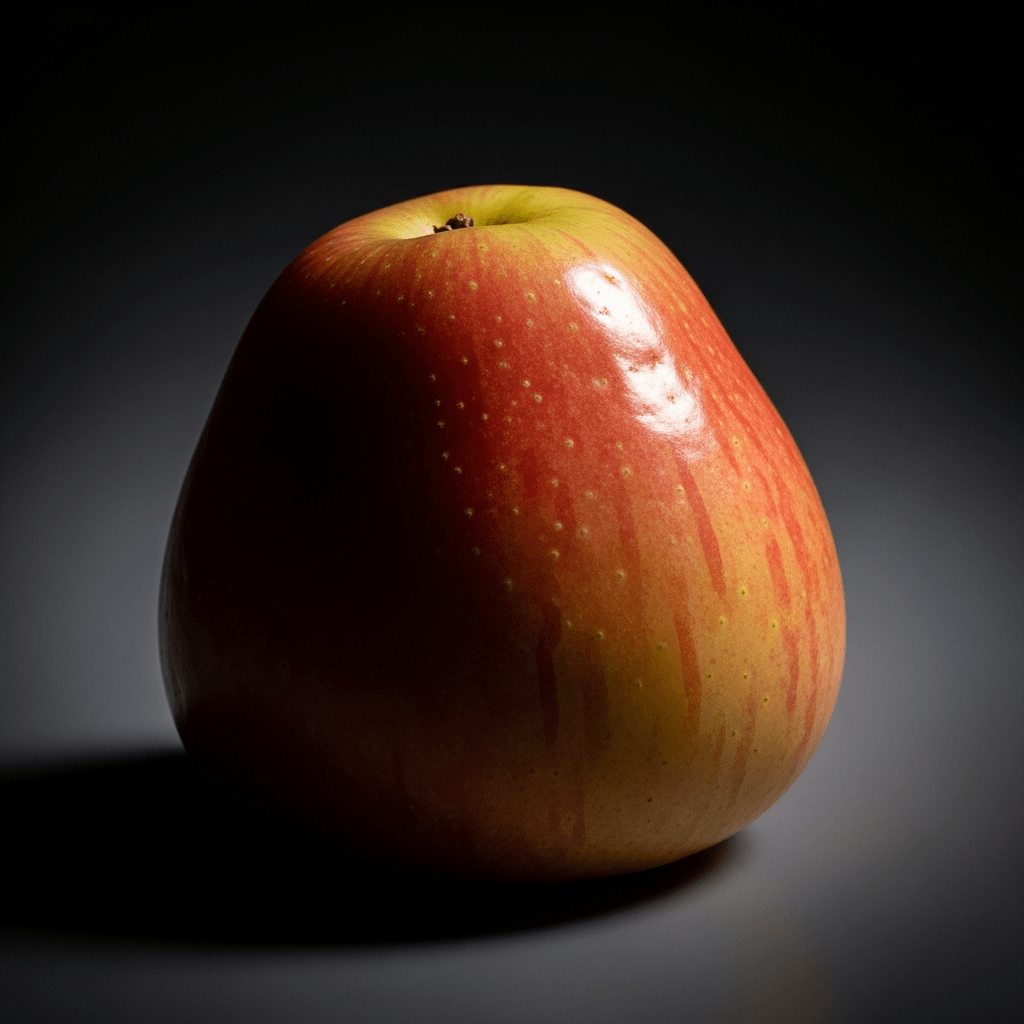
Pacific Rose
Pacific Rose is a premium dessert apple cultivar renowned for its sweet flavor, crisp texture, and rosy pink skin, originating from New Zealand.
Pacific Rose is a premium dessert apple cultivar renowned for its sweet flavor, crisp texture, and rosy pink skin, originating from New Zealand.
Pacific Rose was bred and first introduced in New Zealand, with its commercial release dating to 1997. Developed by ENZA (The New Zealand Apple and Pear Marketing Board), it emerged from the country’s tradition of innovative apple breeding. Its parentage combines two celebrated New Zealand varieties—Splendour and Gala—resulting in a fruit that quickly gained favor in both domestic and international markets. Today, Pacific Rose is widely grown in New Zealand’s Hawke’s Bay region and in Washington State, USA, reflecting its global popularity.
Pacific Rose belongs to the Rosaceae family, within the genus Malus and the species Malus domestica. As a named cultivar, it is registered under the ICNCP standards and is recognized by leading authorities such as ENZA, USDA, and RHS. Its classification places it among dessert apples, prized for fresh consumption due to their appealing taste and texture.
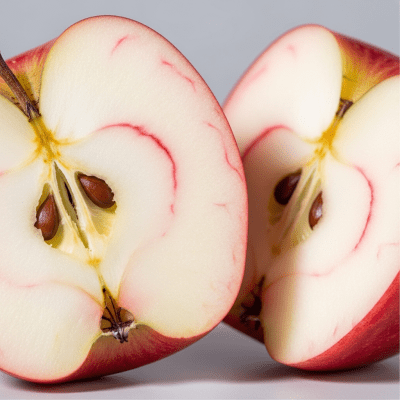
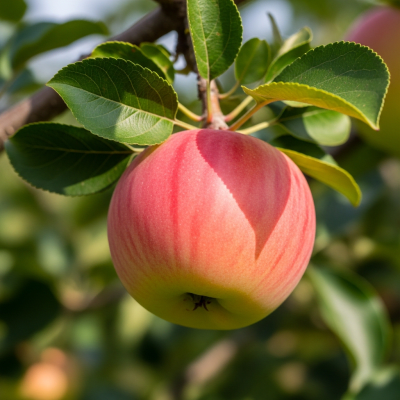
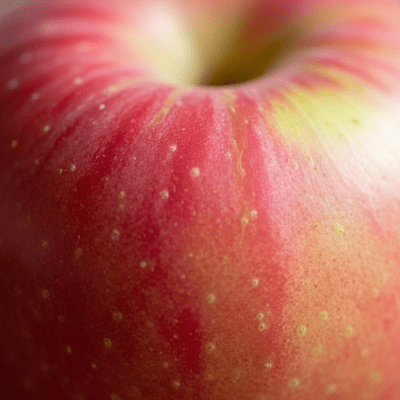
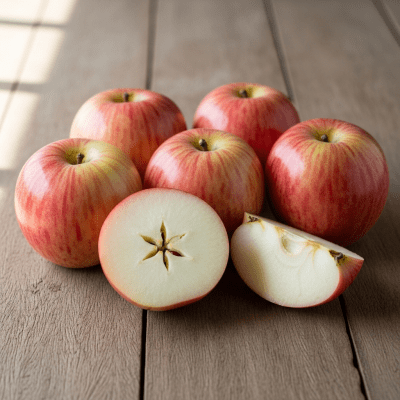
This apple is medium to large in size, with a striking rosy pink to light red skin overlaying a yellow background. The flesh is pale cream, exceptionally crisp, and juicy, inviting a satisfying crunch with every bite. Its attractive coloration and smooth, bruise-resistant skin make it a standout on store shelves and in fruit bowls.
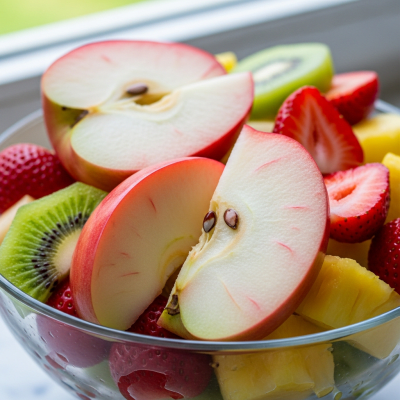
Pacific Rose is primarily enjoyed as a fresh eating apple, thanks to its sweet flavor and crisp texture. It is also suitable for salads and light culinary uses, where its juiciness and mild taste shine. However, it is not typically recommended for cooking or cider production, as its low acidity and delicate sweetness are best appreciated raw.
Bring this kind into your world illustrated posters, mugs, and shirts.
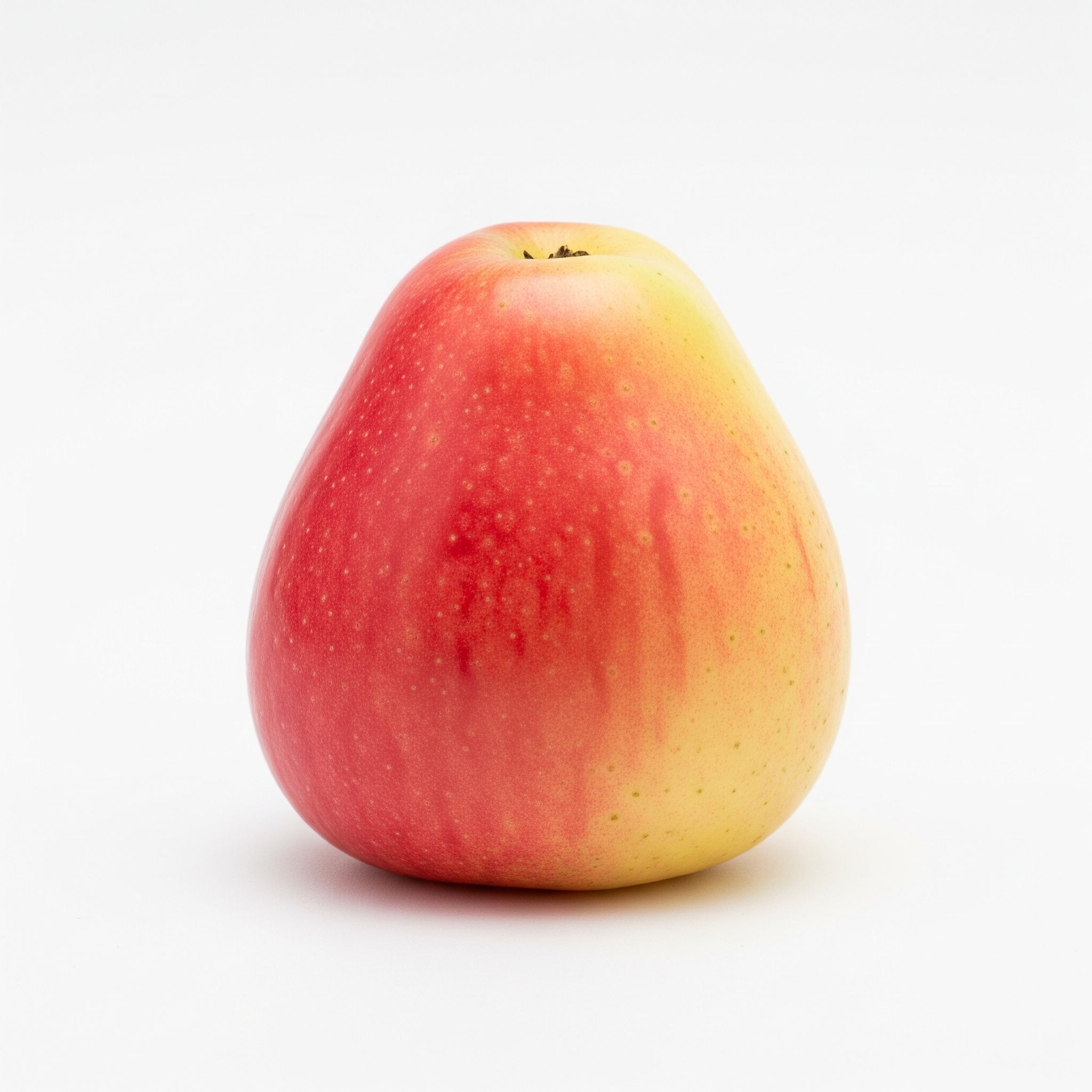
Archival print, museum-grade paper
Buy Poster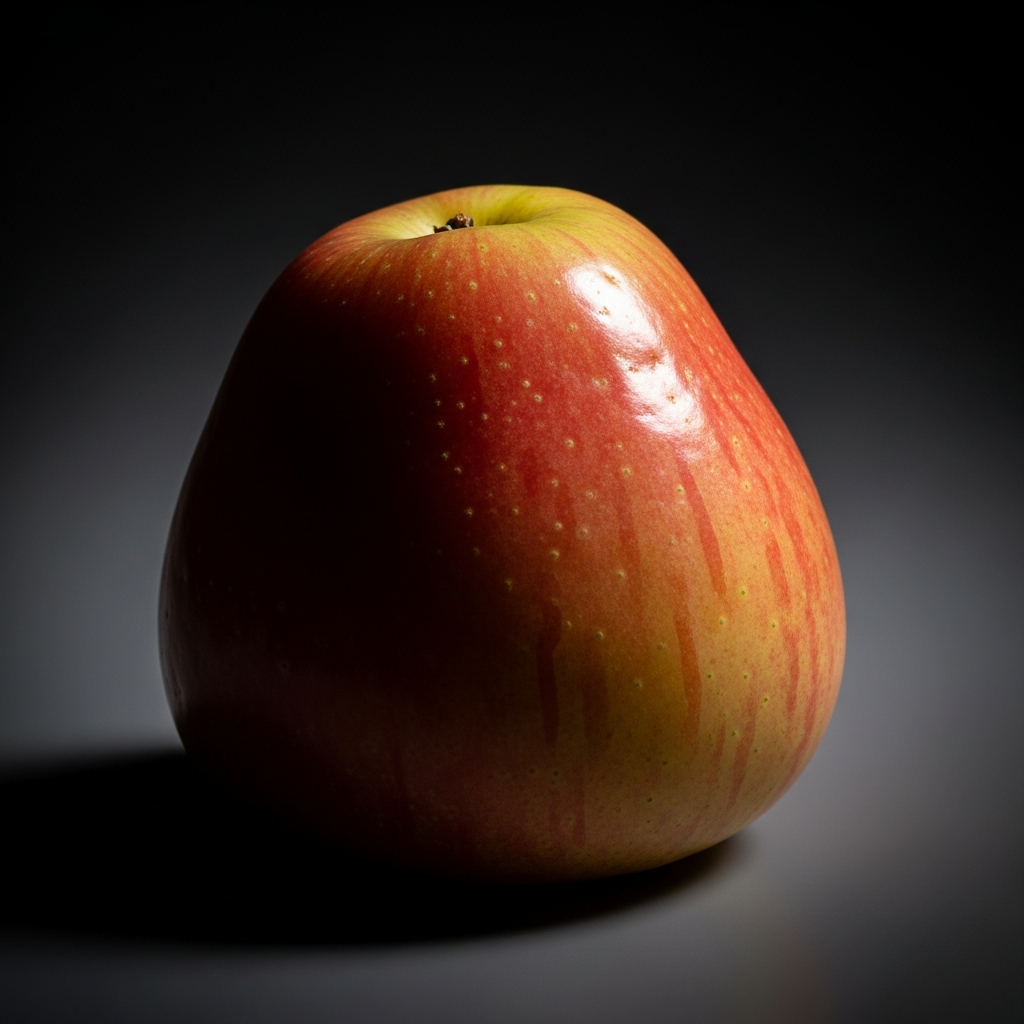
Stoneware mug, dishwasher safe
Buy Mug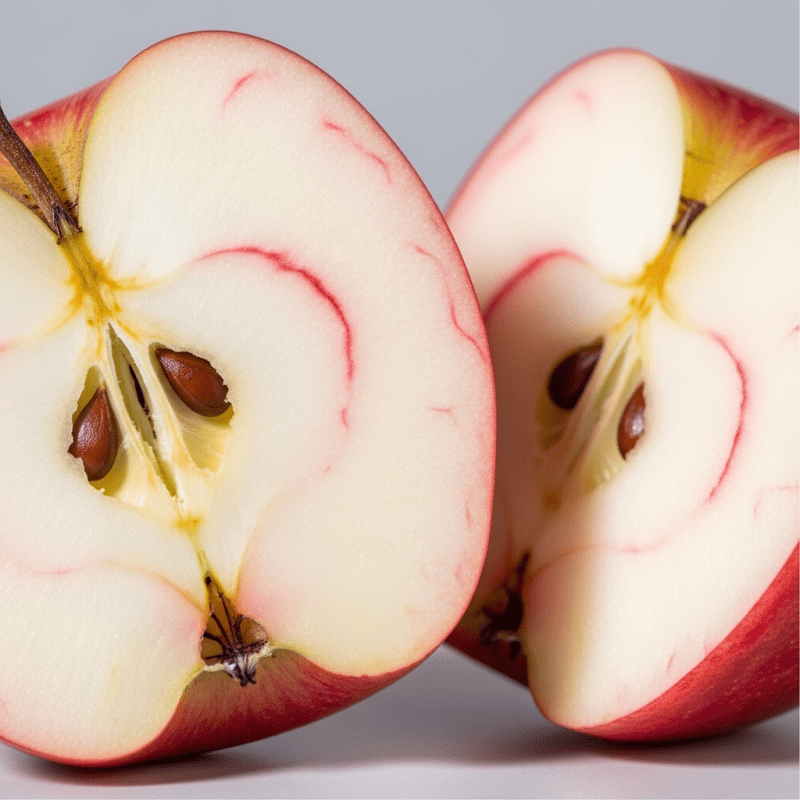
Soft cotton tee, unisex sizes
Buy ShirtWhile Pacific Rose does not have deep historical roots, its rise reflects New Zealand’s reputation for producing high-quality fruit and its influence on modern apple breeding. The apple is often featured in premium retail displays and is associated with contemporary consumer preferences for sweetness and visual appeal. Its trademarked name and branding have made it a recognizable choice in supermarkets, especially in regions where imported New Zealand apples are valued for their quality.
Pacific Rose offers a sweet, mild flavor with very low acidity, making it one of the gentlest apples on the palate. Its pale cream flesh is exceptionally crisp and juicy, delivering a refreshing crunch and subtle aroma. The overall taste is mellow and pleasing, ideal for those who prefer apples without tartness.

Pacific Rose is primarily cultivated in New Zealand, especially in Hawke’s Bay, and in the United States, notably Washington State. Its adaptability to temperate climates has led to limited production in other apple-growing regions, but New Zealand and the US remain its main centers of commercial cultivation.
This cultivar is the result of a controlled cross between Splendour (seed parent) and Gala (pollen parent), both originating from New Zealand. The breeding was conducted by ENZA, with the aim of combining the sweetness and crispness of its parents. The lineage is well-documented and recognized by international apple registries.
Pacific Rose is a common, commercially available apple and is not considered rare or endangered. No special conservation measures are required, and it remains widely grown and distributed.
While Pacific Rose is a distinct cultivar, it shares its breeding heritage with other notable New Zealand apples such as Gala and Splendour. In the broader context, famous dessert apples include Honeycrisp, Fuji, and Pink Lady, each known for their unique flavor and texture profiles.
Pacific Rose ripens in late autumn and is typically harvested from late April to May in New Zealand, or late September to October in the Northern Hemisphere. Its good storage qualities mean it remains available in markets through the winter months.