Opal
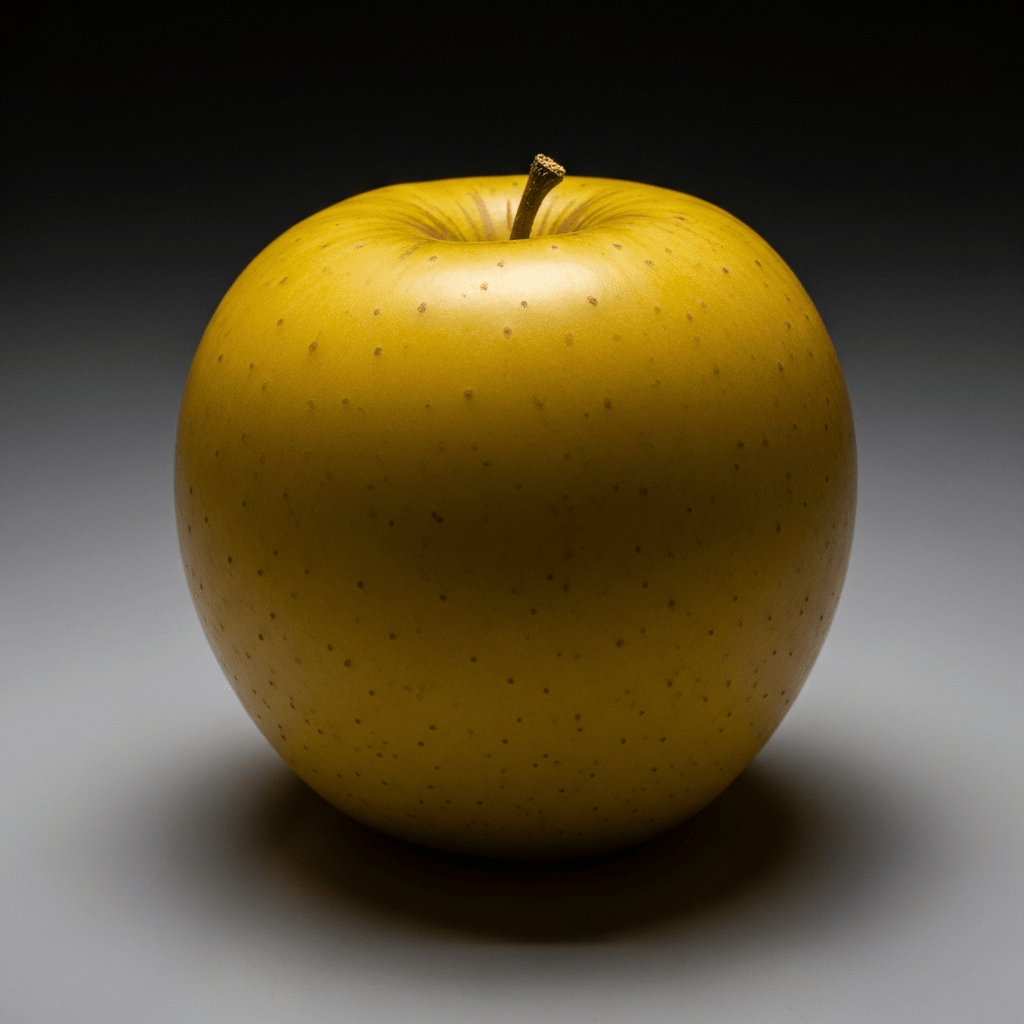
Opal is a vibrant yellow dessert apple prized for its sweet flavor, crisp texture, and remarkable resistance to browning.
Opal is a vibrant yellow dessert apple prized for its sweet flavor, crisp texture, and remarkable resistance to browning.
Developed at the Institute of Experimental Botany in Prague, Czech Republic, Opal was first introduced in 1999. Its creation was the result of a deliberate cross between two celebrated cultivars, blending the best traits of 'Golden Delicious' and 'Topaz'. Today, Opal is grown commercially across Europe and North America, with licensed growers ensuring its consistent quality and availability.
Opal belongs to the botanical family Rosaceae, within the genus Malus and species Malus domestica. As a named cultivar, it is recognized internationally under the ICNCP standards and is listed in major plant variety databases. Its classification aligns with global authorities such as the USDA National Plant Germplasm System and the Royal Horticultural Society.
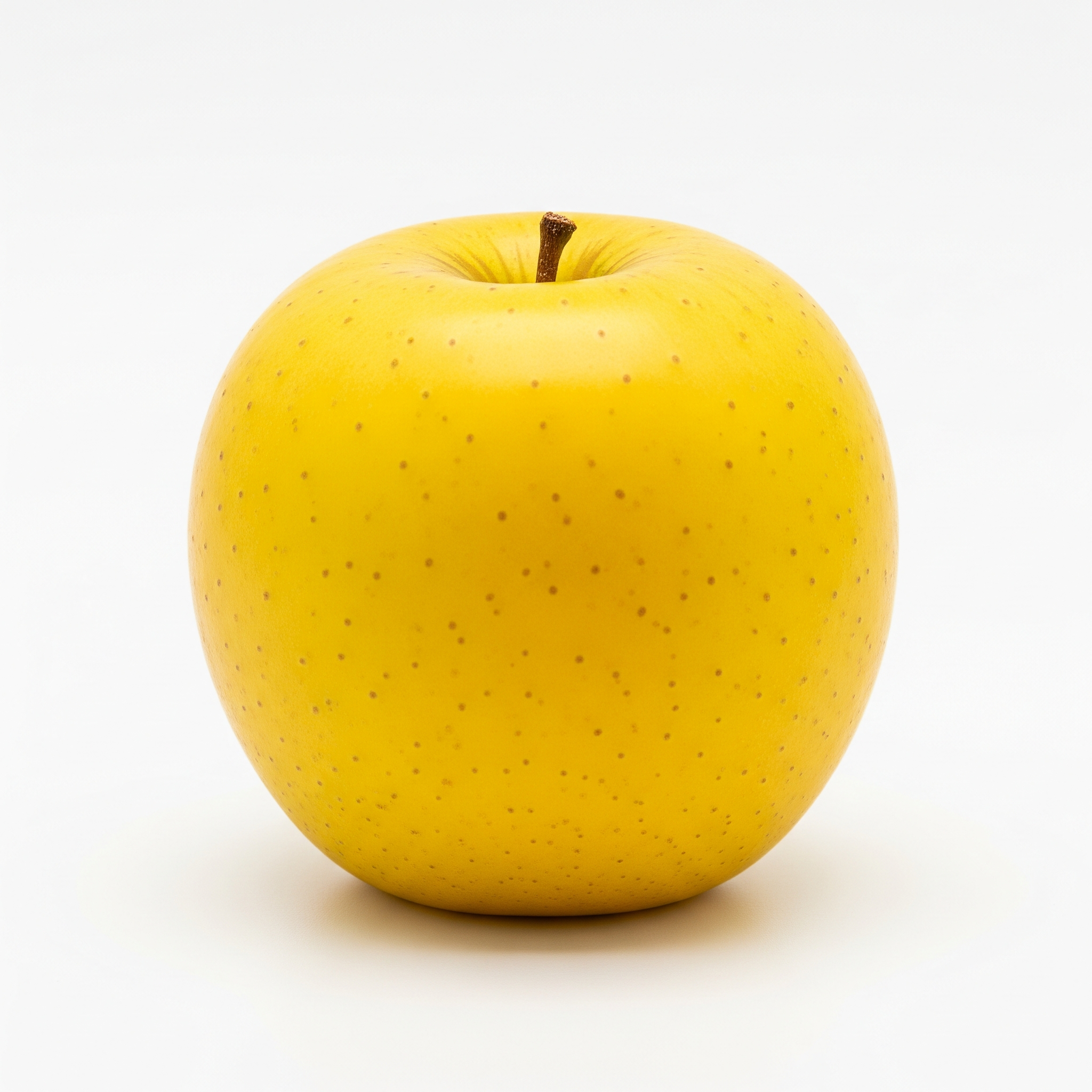
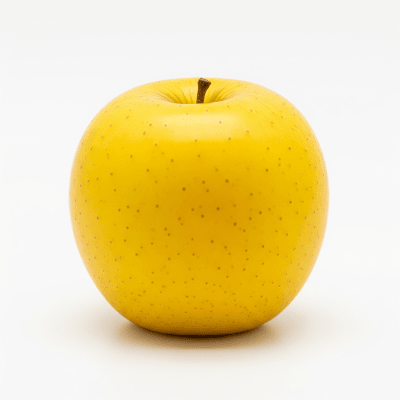
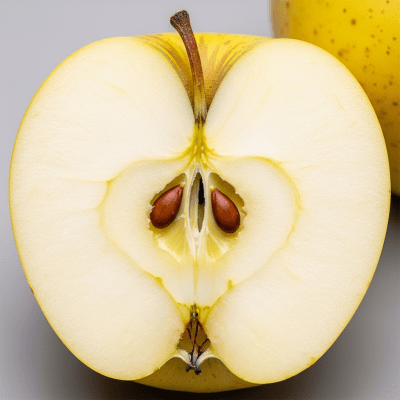
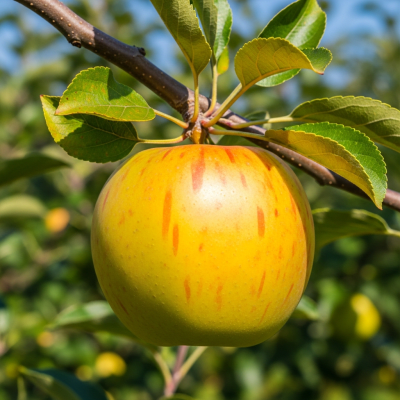
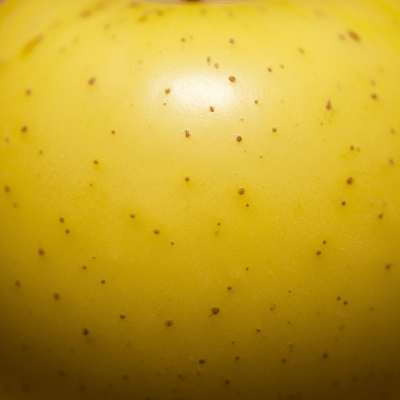
Opal apples are medium to large in size, distinguished by their luminous golden-yellow skin, which often features a subtle orange blush. The flesh is pale yellow, crisp, and juicy, offering a visually appealing and aromatic experience. Its inviting color and texture make it stand out both on the tree and in the fruit bowl.
Primarily enjoyed as a dessert apple, Opal is favored for fresh eating thanks to its sweet, tangy flavor and crunchy bite. Its natural resistance to browning makes it ideal for salads, snack platters, and food service, where visual appeal is essential. While suitable for some culinary uses due to its firmness, Opal is not commonly used in cider production.
Bring this kind into your world illustrated posters, mugs, and shirts.
Archival print, museum-grade paper
Buy Poster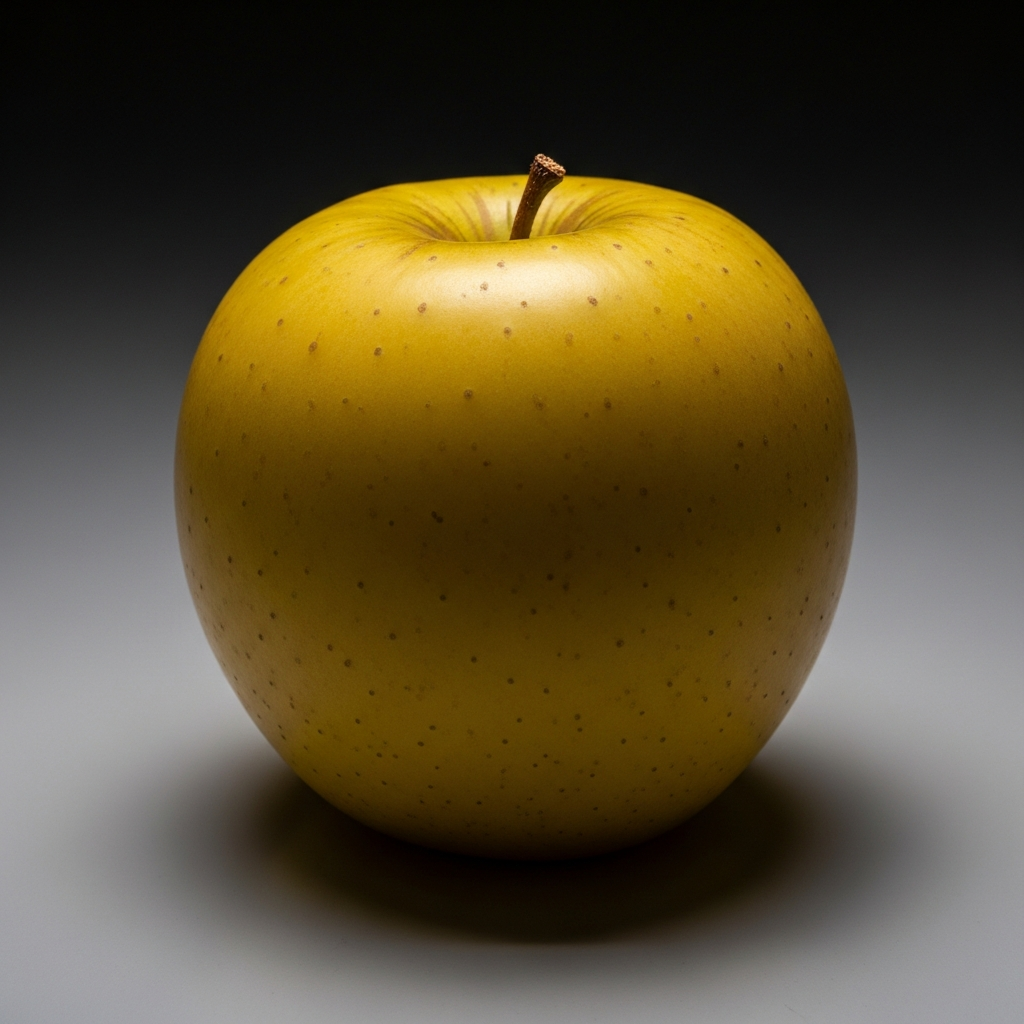
Stoneware mug, dishwasher safe
Buy Mug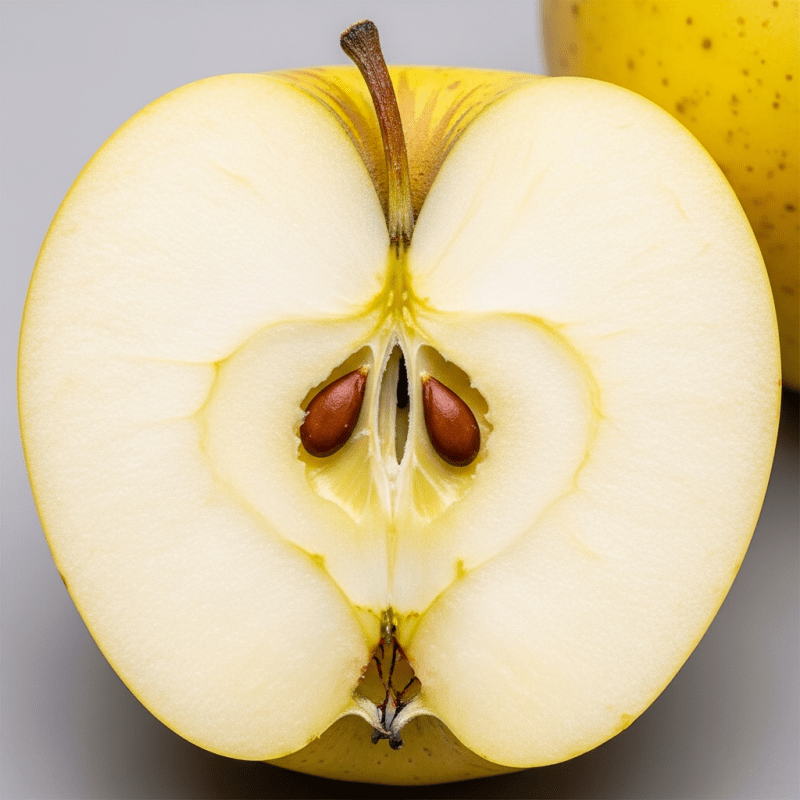
Soft cotton tee, unisex sizes
Buy ShirtOpal’s golden hue and non-browning trait have made it a standout in modern apple marketing, often featured in promotional campaigns emphasizing convenience and freshness. Its trademarked status and licensed cultivation reflect contemporary trends in fruit branding and consumer demand for visually appealing, ready-to-eat produce. Though not yet deeply woven into folklore or art, Opal’s popularity is growing in culinary circles and among health-conscious consumers.
Opal apples deliver a harmonious blend of sweetness and subtle tang, complemented by a crisp, juicy texture. The flesh is aromatic and refreshing, with a pleasant balance that appeals to a wide range of palates. Their flavor is reminiscent of 'Golden Delicious', but with added complexity and brightness from their 'Topaz' heritage.

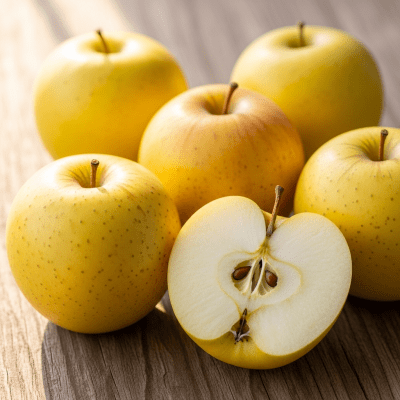
Originally bred in the Czech Republic, Opal apples are now cultivated in several major apple-producing regions. Licensed orchards in the United States, Germany, Austria, and the United Kingdom supply markets across North America and Europe, ensuring year-round availability and consistent quality.
Opal is the result of a cross between 'Golden Delicious' and 'Topaz', combining the former’s sweetness and texture with the latter’s disease resistance and flavor complexity. This intentional breeding at the Institute of Experimental Botany in Prague produced a cultivar that excels in both taste and resilience, as documented by leading plant variety registries.
Opal is classified as a common cultivar, with no current conservation concerns. Its commercial success and trademarked propagation ensure widespread availability and active cultivation in major apple-growing regions.
While Opal itself is a unique cultivar, it shares lineage with notable apples such as 'Golden Delicious' and 'Topaz'. These parent varieties are renowned in their own right—'Golden Delicious' for its widespread popularity and sweetness, and 'Topaz' for its disease resistance and distinctive flavor. Together, they contribute to Opal’s exceptional qualities.
Opal apples are typically harvested in late autumn, with availability extending through winter and into spring thanks to their excellent storage properties. Licensed growers in both Europe and North America ensure a steady supply, making Opal a reliable choice for consumers seeking fresh apples outside the traditional harvest season.