Newton Pippin
Newton Pippin is a historic American apple cultivar renowned for its complex flavor, exceptional keeping qualities, and dual-purpose versatility in both fresh eating and cooking.
Newton Pippin is a historic American apple cultivar renowned for its complex flavor, exceptional keeping qualities, and dual-purpose versatility in both fresh eating and cooking.
The story of Newton Pippin begins in the early 18th century in Newtown, now Elmhurst, Queens, New York. This apple is believed to have originated as a chance seedling around 1730, quickly gaining recognition for its superior qualities. Its cultivation spread throughout the northeastern United States and Virginia, where it became known as 'Albemarle Pippin.' By the 19th century, Newton Pippin was exported to England, earning favor among British horticulturists and even Queen Victoria. Today, its legacy endures in specialty orchards and historic collections.
Newton Pippin belongs to the family Rosaceae, genus Malus, species Malus domestica, and is recognized as a distinct cultivar. It is part of the broader apple taxonomy, which organizes apples by botanical lineage, cultivar, and usage type. As a dual-purpose apple, it bridges the categories of dessert, cooking, and cider apples, reflecting its versatility and historical significance.
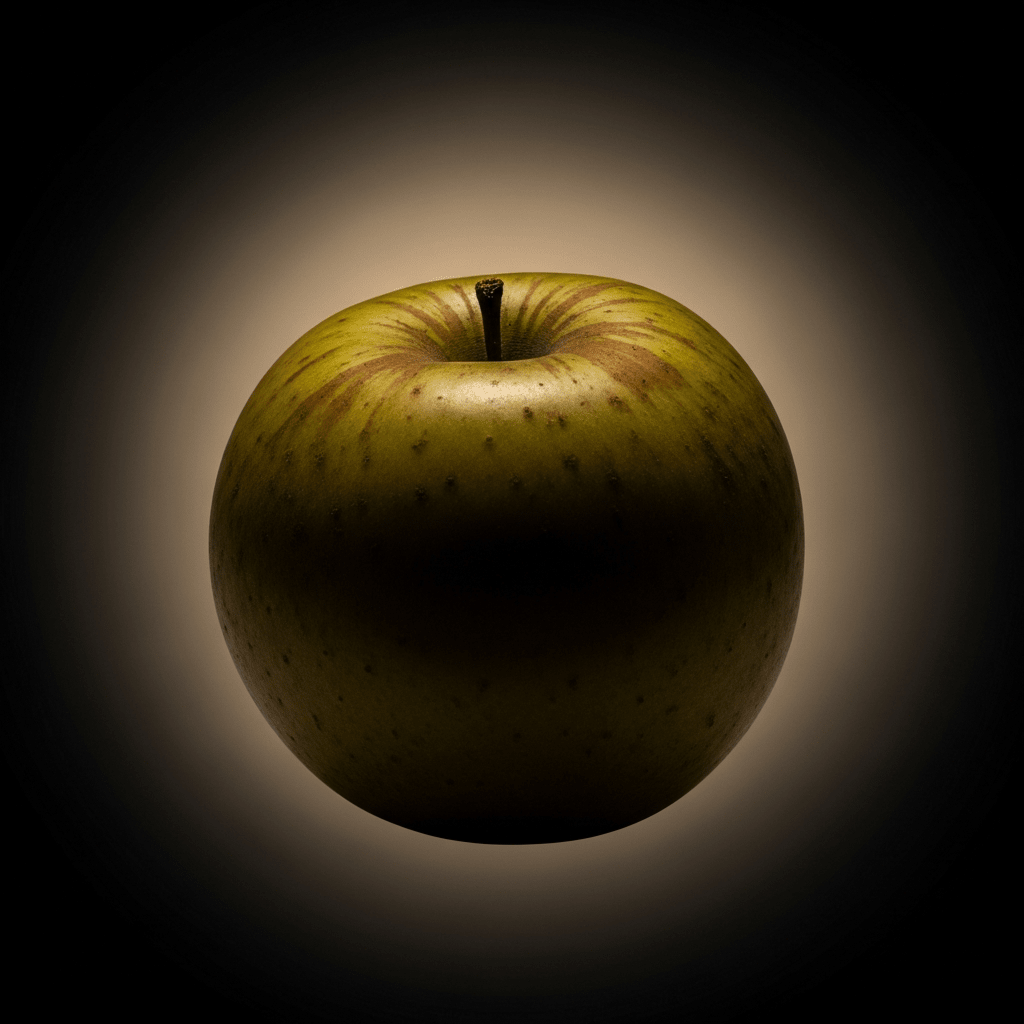
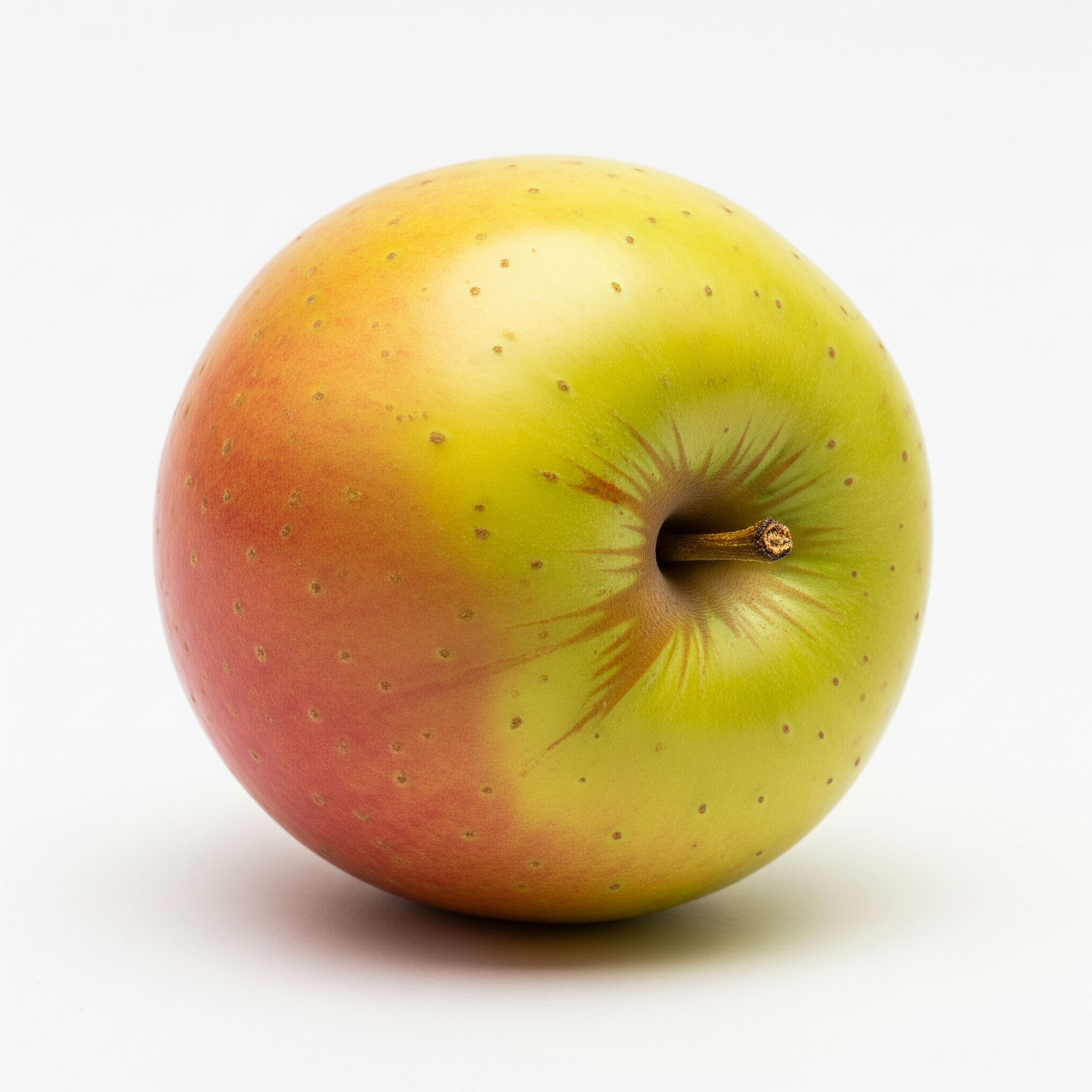
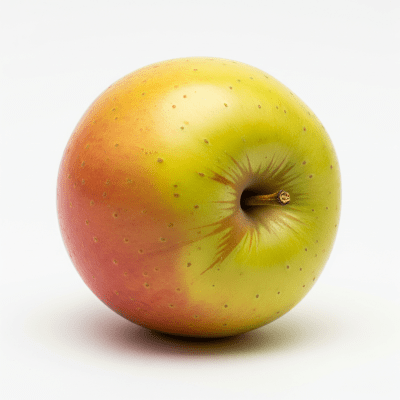
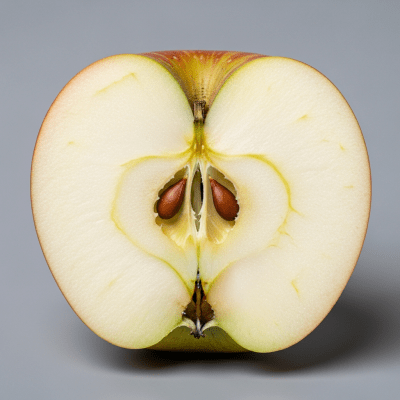
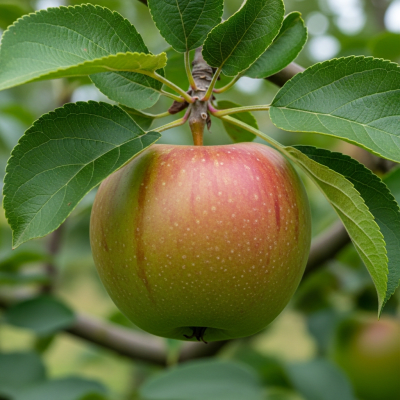
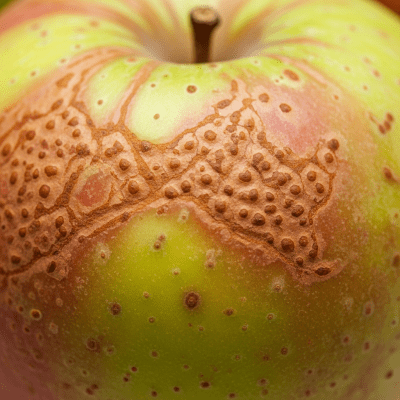
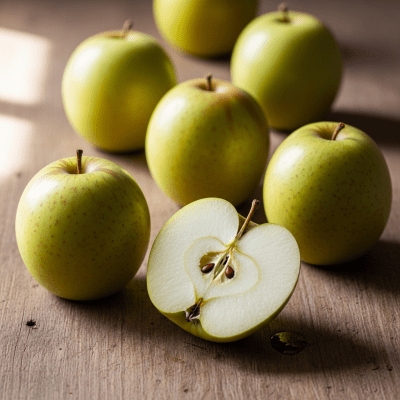
Newton Pippin apples are medium to large with a slightly irregular, oblate shape. Their skin is greenish-yellow, often adorned with russeting and sometimes a faint blush. The flesh is firm, crisp, and pale yellow, offering a satisfying bite. Visually, the apple exudes an old-world charm, and its texture and color hint at the complexity within.
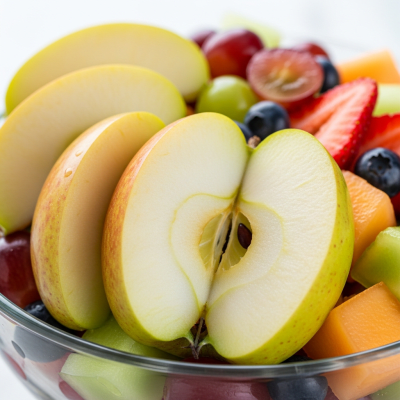
This cultivar excels as both a dessert and cooking apple, prized for eating fresh, baking, and making cider. Its flavor develops and intensifies during storage, making it a favorite for long-term keeping. Newton Pippin's resistance to bruising and ability to maintain quality over time have made it a staple in historic pantries and orchards. It is typically harvested late in the season, from October to November.
Bring this kind into your world illustrated posters, mugs, and shirts.
Archival print, museum-grade paper
Buy Poster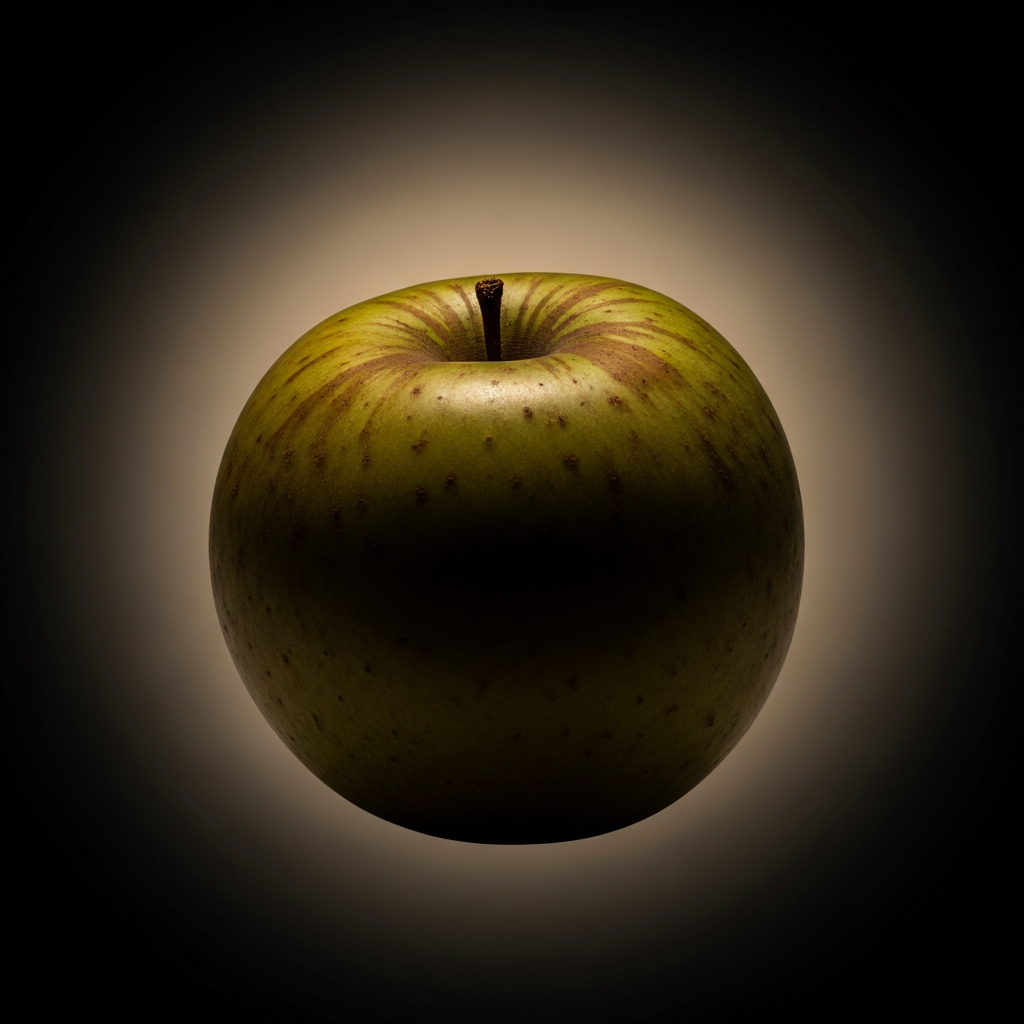
Stoneware mug, dishwasher safe
Buy Mug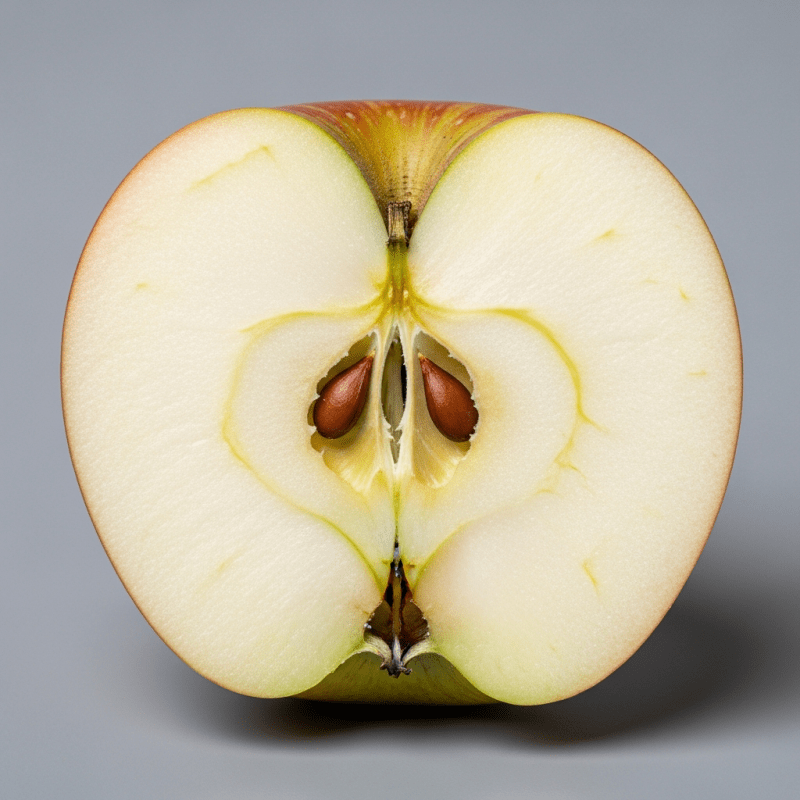
Soft cotton tee, unisex sizes
Buy ShirtNewton Pippin holds a special place in American horticultural history. Revered by early settlers and favored by Queen Victoria, its export to England symbolized the transatlantic appreciation for American fruit. In Virginia, the apple became synonymous with the region's agricultural heritage under the name 'Albemarle Pippin.' Today, it is celebrated in pomological societies and historic orchards as a living link to the past.
Newton Pippin offers a sophisticated taste experience: tart yet aromatic, with layers of sweetness and subtle hints of pineapple and spice. Its firm, crisp flesh provides a satisfying texture, and the flavor deepens with storage, making it a favorite among apple connoisseurs.
Historically, Newton Pippin has been cultivated in New York, Virginia, and California. Its presence in England is notable but limited, mainly within heritage orchards. Today, its commercial production is rare, with most trees found in specialty and historic collections in the United States and the United Kingdom.
The parentage of Newton Pippin remains a mystery. It is widely accepted as a chance seedling from colonial New York, with no definitive genetic lineage established. Its enduring qualities have inspired interest among breeders, but its ancestry is still a subject of historical speculation.
Newton Pippin is classified as a rare, heritage cultivar. While not endangered, its cultivation is largely limited to specialty orchards and germplasm collections. Conservation efforts in the United States and United Kingdom aim to preserve its genetic material and historical legacy.
Newton Pippin stands alongside other historic American apples such as 'Roxbury Russet,' 'Baldwin,' and 'Esopus Spitzenburg.' Its synonym 'Albemarle Pippin' reflects its regional fame in Virginia. These varieties collectively represent the rich legacy of early American apple cultivation.
Newton Pippin is a late-season apple, typically harvested from October to November. Its storage qualities allow it to be enjoyed well into the winter months, making it a favorite for holiday tables and traditional recipes.