Mutsu
Mutsu, also known as Crispin, is a large, crisp, and versatile apple cultivar prized for both fresh eating and culinary use.
Mutsu, also known as Crispin, is a large, crisp, and versatile apple cultivar prized for both fresh eating and culinary use.
The Mutsu apple was first bred in 1948 at the Aomori Apple Experiment Station in Japan. Its development marked a significant advancement in Japanese pomology, combining desirable traits from both Western and native varieties. Since its introduction, Mutsu has gained international popularity, especially in the United States and United Kingdom, where it is often marketed as 'Crispin'.
Mutsu belongs to the family Rosaceae, genus Malus, species Malus domestica, and is classified as the cultivar 'Mutsu'. Its botanical lineage places it firmly within the domesticated apple group, recognized and registered by leading international authorities.
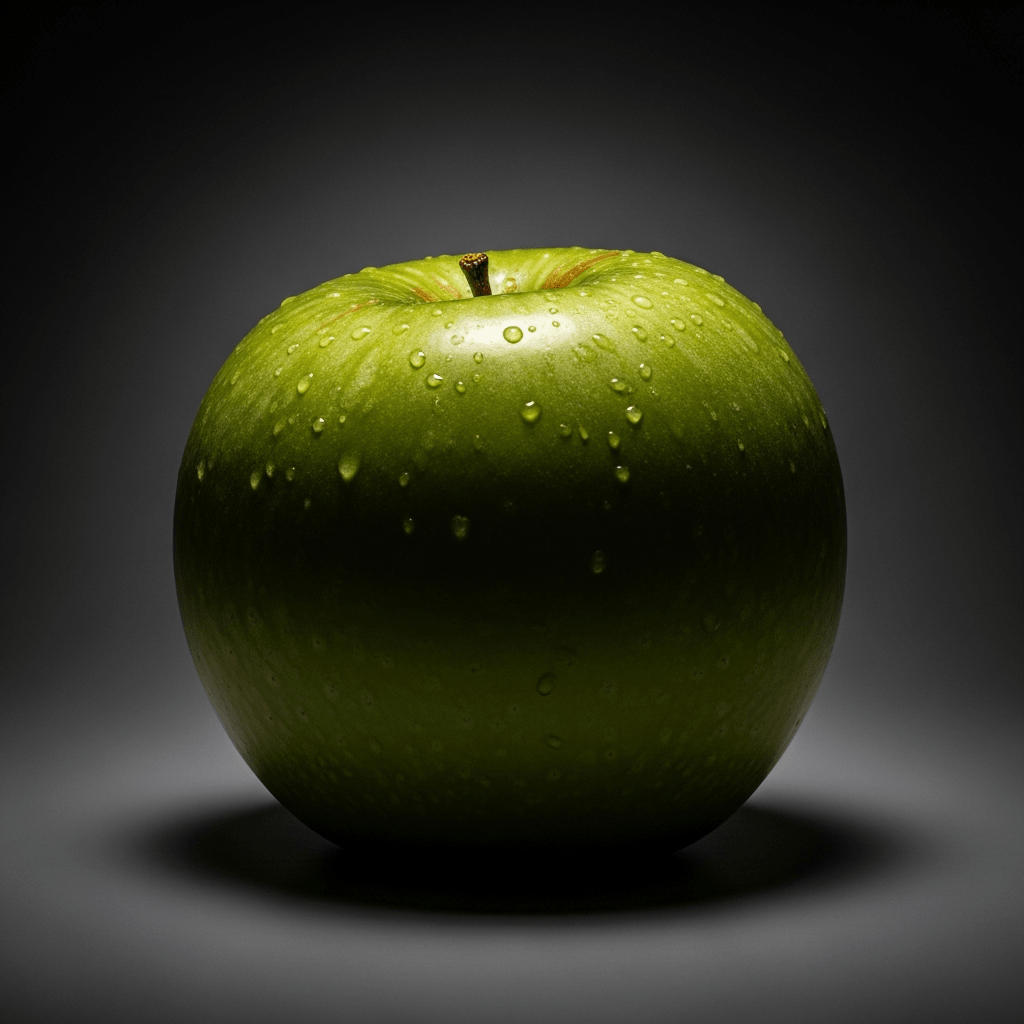
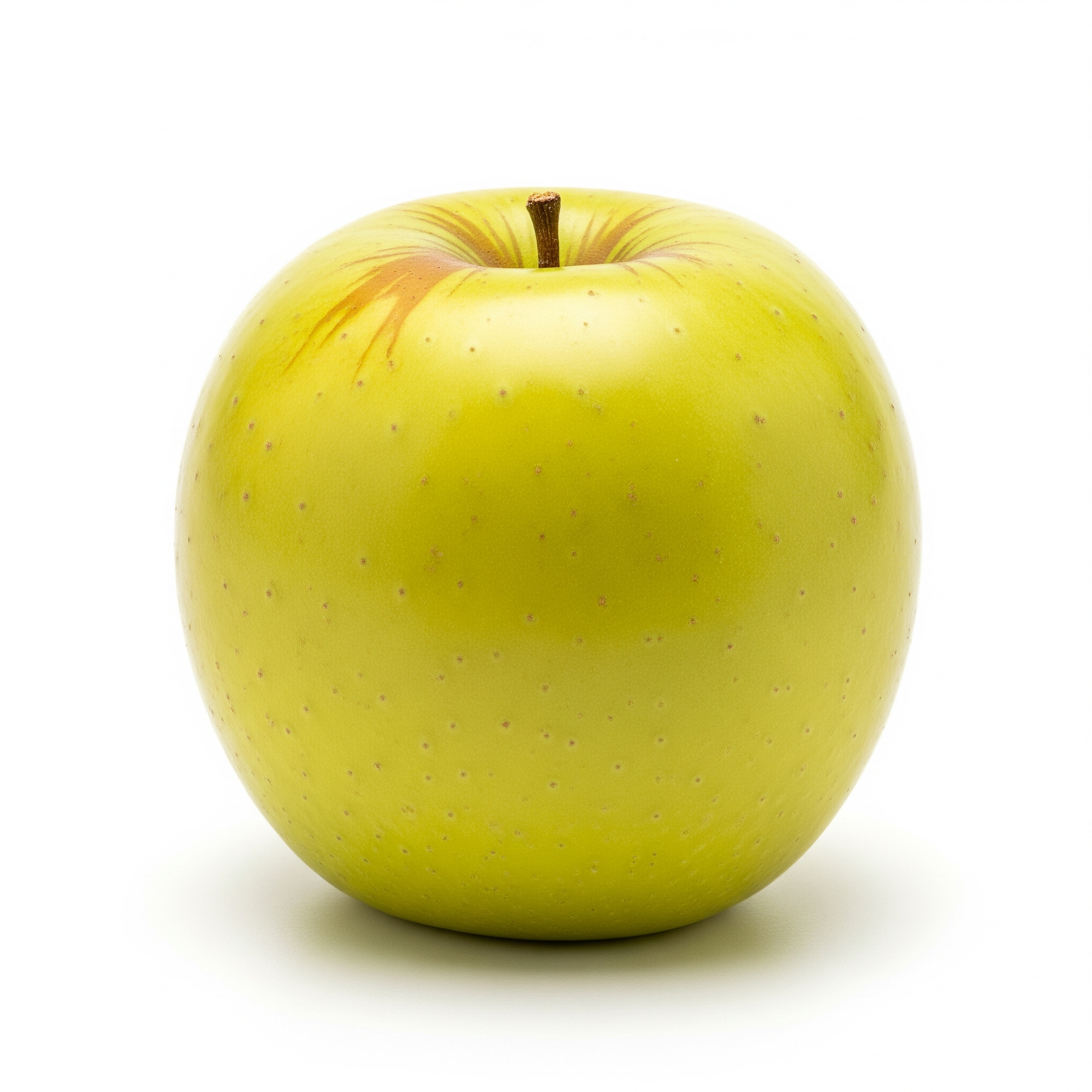
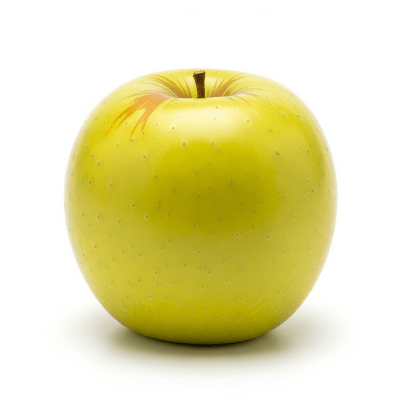
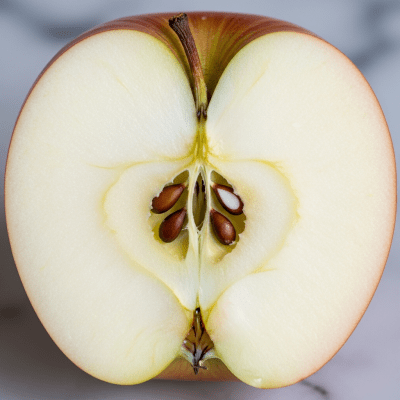
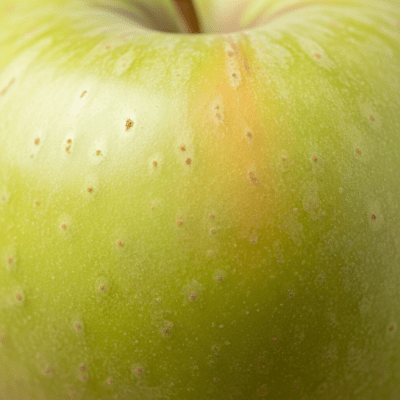
Mutsu apples are notably large, with pale green to yellowish skin that may display a touch of russeting. The fruit is crisp and juicy, with firm, white to cream-colored flesh that resists browning. Its substantial size and attractive coloring make it a standout in both orchards and markets.
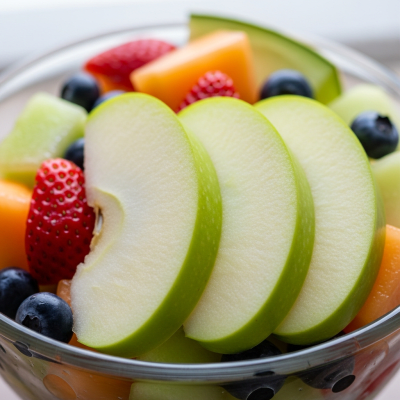
Mutsu is celebrated for its dual-purpose utility. It excels as a dessert apple for fresh eating, thanks to its crisp texture and balanced flavor, and performs beautifully in cooking—ideal for baking, salads, and sauces. Its resistance to browning makes it especially suitable for sliced applications, and it is occasionally used in cider production.
Bring this kind into your world illustrated posters, mugs, and shirts.
Archival print, museum-grade paper
Buy Poster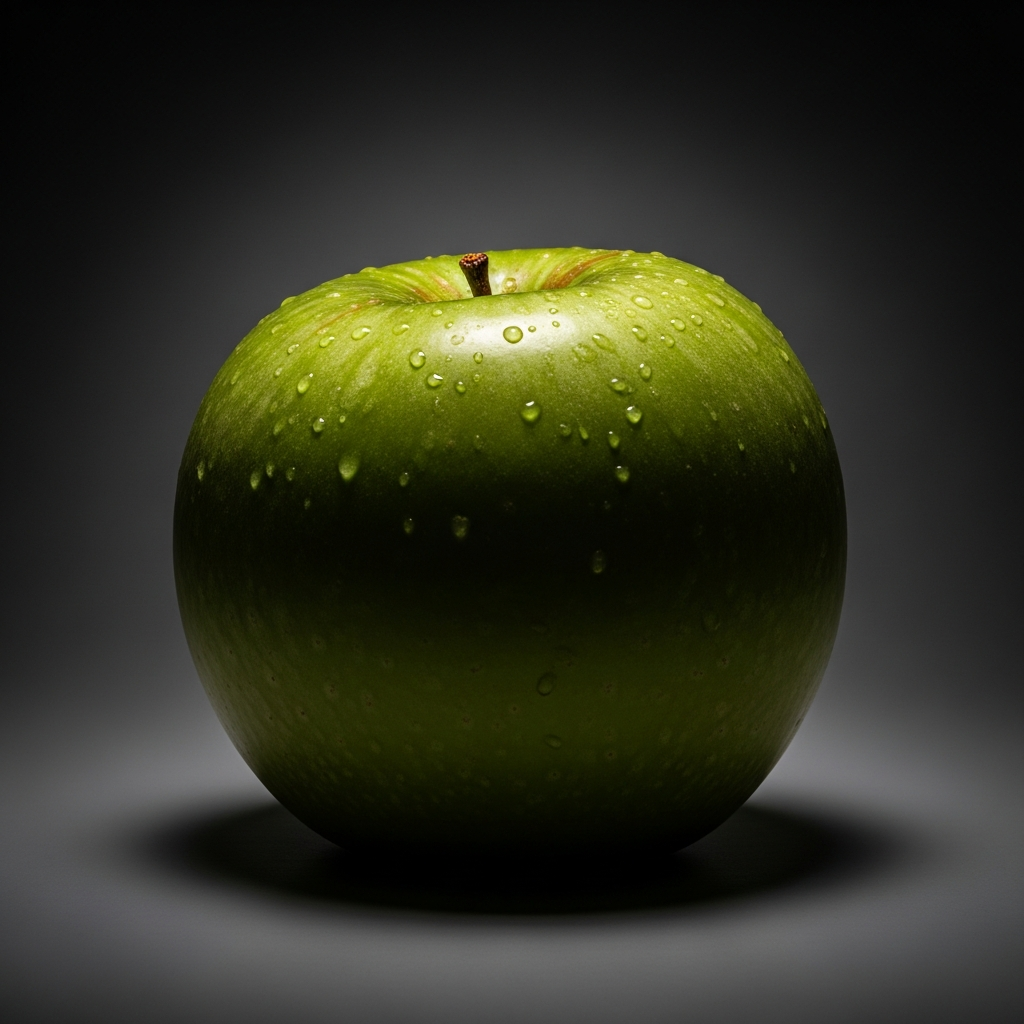
Stoneware mug, dishwasher safe
Buy Mug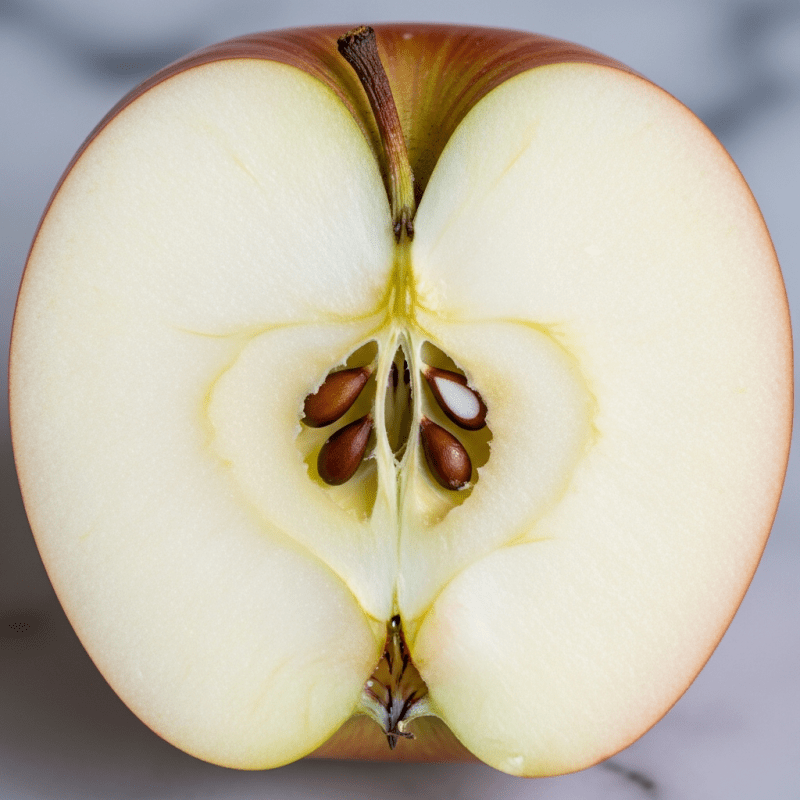
Soft cotton tee, unisex sizes
Buy ShirtOriginating in Japan, Mutsu reflects the country's dedication to fruit breeding and agricultural innovation. Its adoption in Western markets under the name 'Crispin' highlights its cross-cultural appeal. The apple is appreciated by home growers and chefs alike, symbolizing both quality and versatility in contemporary culinary culture.
Mutsu apples offer a harmonious sweet-tart flavor, crisp and juicy texture, and a subtle aromatic quality. The flesh is firm and refreshing, making it appealing for both eating out of hand and in recipes that benefit from its balanced taste.
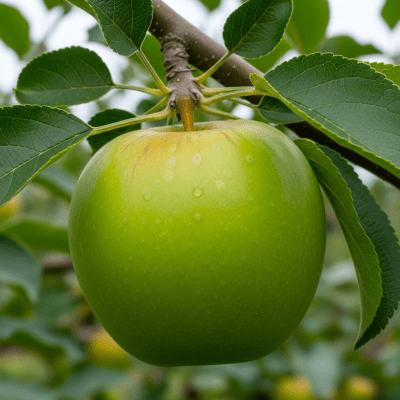

Mutsu is grown extensively in Japan, its country of origin, and has established a strong presence in the United States—particularly in the Northeast and Pacific Northwest—as well as the United Kingdom. Its adaptability has made it a favorite among commercial growers and home orchardists in temperate regions.
The Mutsu apple is the result of a deliberate cross between 'Golden Delicious' and 'Indo', a Japanese heritage variety. This parentage was chosen to combine the crisp texture and sweetness of 'Golden Delicious' with the distinctive qualities of 'Indo', resulting in an apple that excels in both flavor and utility.
Mutsu is classified as a common cultivar, widely grown in commercial orchards and home gardens. It is not considered rare or endangered, and is well-documented in major germplasm repositories.
While Mutsu itself is a prominent variety, its parent 'Golden Delicious' is one of the world's most famous apples. 'Indo', the other parent, is esteemed in Japan for its heritage status. Mutsu stands alongside other dual-purpose apples such as 'Jonagold' and 'Honeycrisp', each celebrated for their unique attributes.
Mutsu apples are typically harvested in the autumn, with peak availability from late September through November. Thanks to their storability, they remain available in markets well into the winter months.