Melrose
Melrose is a celebrated American apple cultivar, prized for its firm texture, balanced flavor, and outstanding storage qualities.
Melrose is a celebrated American apple cultivar, prized for its firm texture, balanced flavor, and outstanding storage qualities.
Developed in 1944 at the Ohio Agricultural Experiment Station in Wooster, Ohio, Melrose was bred from a cross between 'Jonathan' and 'Red Delicious'. Its introduction quickly established it as a regional favorite, and it was later designated the official state apple of Ohio, reflecting both its agricultural roots and local pride. Today, Melrose remains closely associated with the Midwest, especially Ohio, where it is widely grown and enjoyed.
Melrose belongs to the Rosaceae family, within the genus Malus and species Malus domestica. It is a named cultivar, recognized internationally and cataloged by leading horticultural authorities. Its classification as a dessert apple places it among varieties best suited for fresh eating, though its firm texture also makes it suitable for cooking and baking.
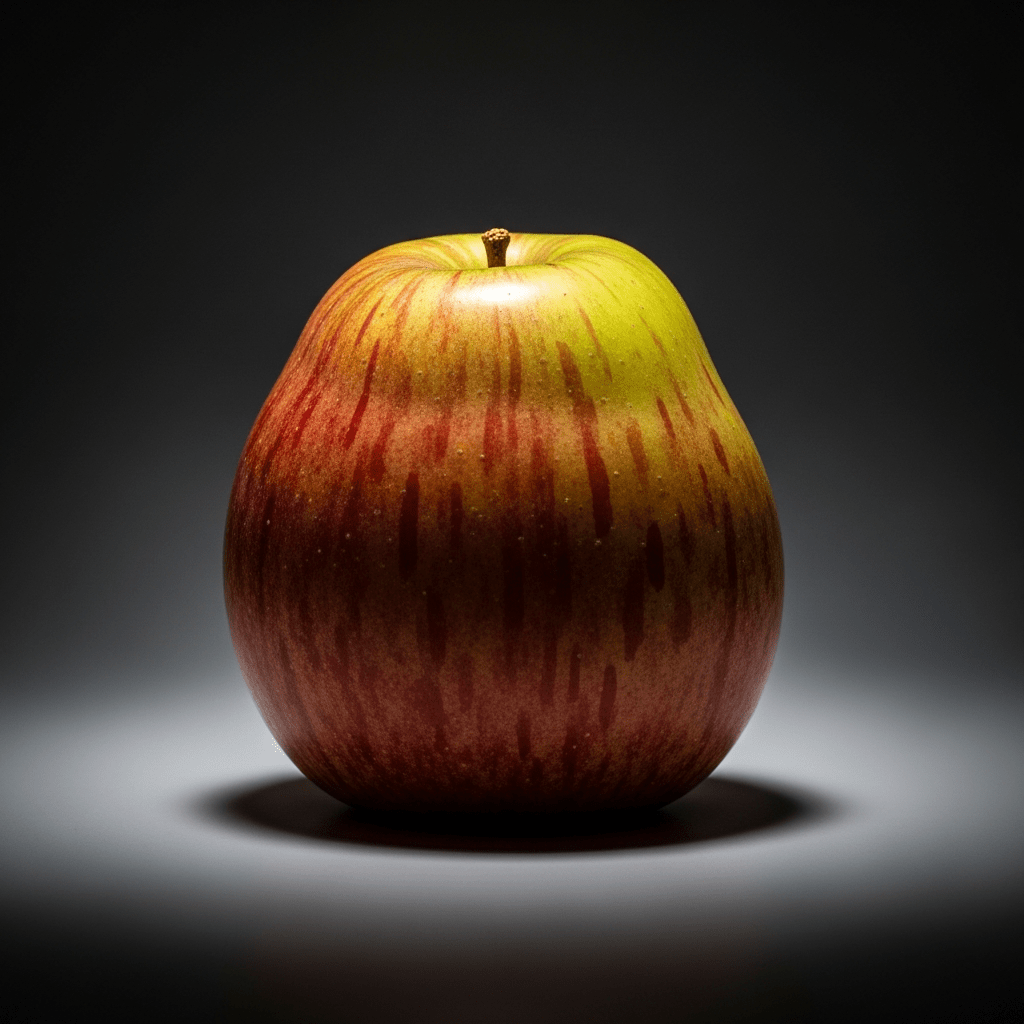
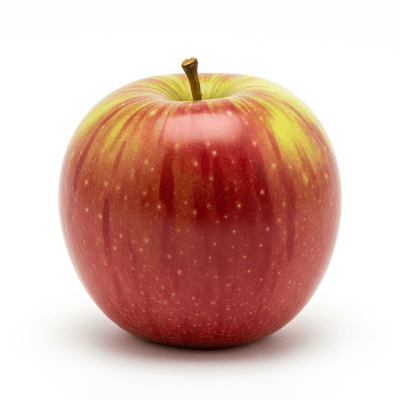
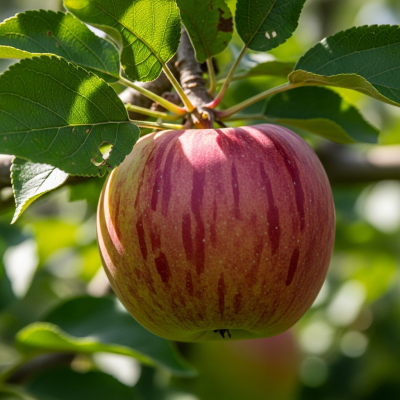
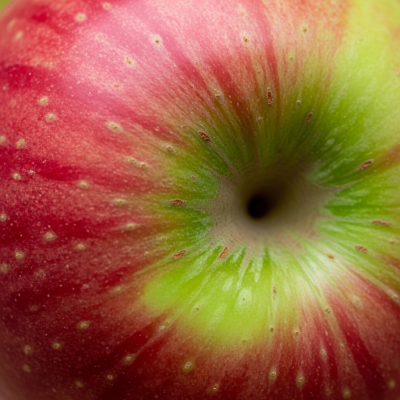
Melrose apples are medium to large, round to slightly flattened in shape. Their skin is greenish-yellow, often overlaid with a flush of red and accented by occasional russet patches. The cream-colored flesh is notably firm and coarse-textured, delivering a juicy bite. This apple’s visual appeal is matched by its ability to maintain both texture and flavor for months after harvest.
Primarily enjoyed as a dessert apple, Melrose is also valued for its versatility in the kitchen. Its firm flesh holds up well in baking and cooking, making it a dual-purpose choice for pies, crisps, and sauces. The apple’s flavor deepens and mellows with storage, enhancing its culinary appeal. While not widely used in cider production, its adaptability to Midwest growing conditions makes it a reliable choice for regional orchards.
Bring this kind into your world illustrated posters, mugs, and shirts.
Archival print, museum-grade paper
Buy Poster
Stoneware mug, dishwasher safe
Buy Mug
Soft cotton tee, unisex sizes
Buy ShirtMelrose holds a special place in Ohio’s agricultural heritage, officially recognized as the state apple. Its development and popularity are a point of pride for local growers and consumers. The apple’s connection to the Ohio Agricultural Experiment Station underscores its role in American pomological history, and its enduring presence in Midwest orchards reflects its cultural and economic importance to the region.
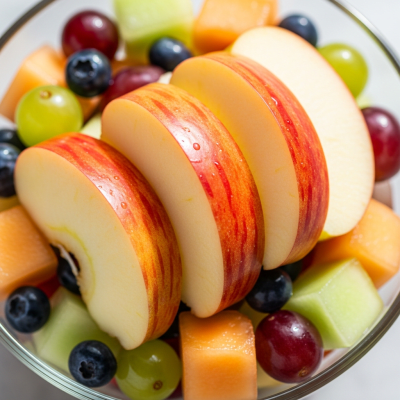
Melrose offers a mildly tart flavor layered with sweet undertones. Its cream-colored flesh is firm and coarse, providing a juicy, satisfying bite. Notably, the apple’s flavor complexity increases after several weeks in storage, developing a richer and more balanced taste ideal for both fresh eating and baking.

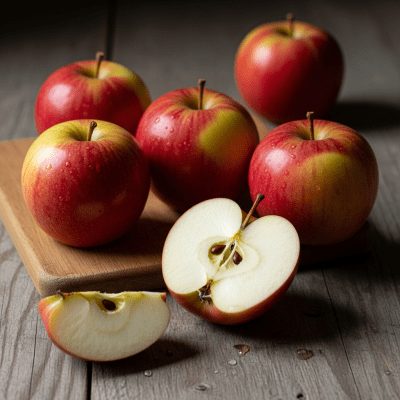
Melrose is most widely cultivated in Ohio, its region of origin, and throughout the Midwest United States. While its commercial presence is strongest in these areas, it is maintained in national germplasm collections and occasionally grown in other temperate regions by enthusiasts and heritage orchardists.
This cultivar is the result of a deliberate cross between 'Jonathan' (seed parent) and 'Red Delicious' (pollen parent), bred at the Ohio Agricultural Experiment Station. Its parentage is well-documented and has contributed to its unique combination of firmness, flavor, and storage ability.
Melrose is considered common within its native region and is not listed as rare or endangered. It is preserved in major germplasm repositories such as the USDA National Plant Germplasm System and the National Fruit Collection, ensuring its availability for future breeding and research.
Within the broader apple family, Melrose stands out for its regional significance and unique parentage. Other notable American cultivars include 'Jonathan', 'Red Delicious', and 'Honeycrisp', each with distinct traits and histories. Melrose’s hybrid lineage connects it directly to two of these iconic varieties, blending their best qualities into a singular, celebrated apple.
Melrose apples are typically harvested in the fall, with peak availability from late September through October in Ohio and surrounding regions. Thanks to their exceptional storage qualities, they remain available for fresh eating and cooking well into the winter and early spring months.