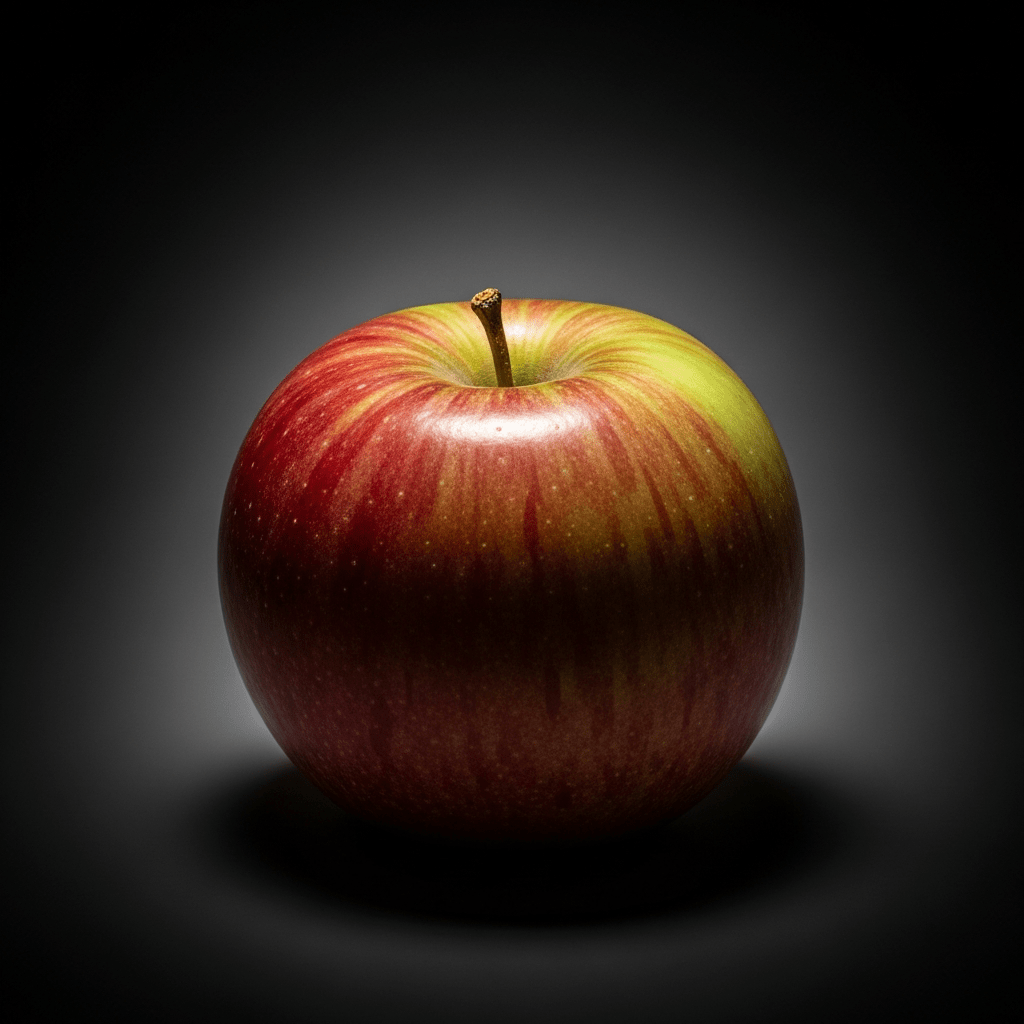
McIntosh
McIntosh is a classic North American apple cultivar, prized for its aromatic sweet-tart flavor and tender, juicy flesh.
McIntosh is a classic North American apple cultivar, prized for its aromatic sweet-tart flavor and tender, juicy flesh.
The McIntosh apple originated in Dundela, Ontario, Canada, where John McIntosh discovered the original seedling on his farm in 1811. Commercial propagation began in the 1830s, and by the late 19th century, McIntosh had become a staple in North American orchards. Its rise from a chance seedling to a foundational cultivar is a testament to its enduring appeal and adaptability.
Botanically, McIntosh belongs to the family Rosaceae, genus Malus, species Malus domestica, and is registered as the distinct cultivar 'McIntosh' under international nomenclature standards. It is firmly placed within the domesticated apple species and recognized by leading horticultural authorities worldwide.
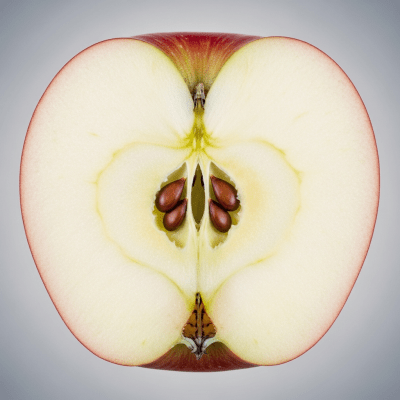
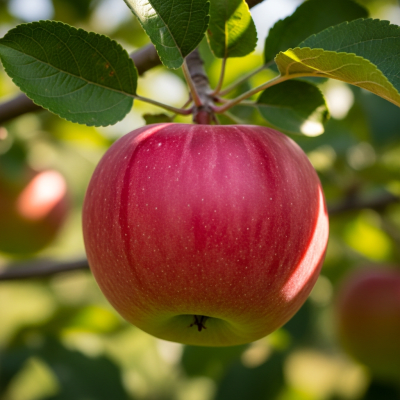
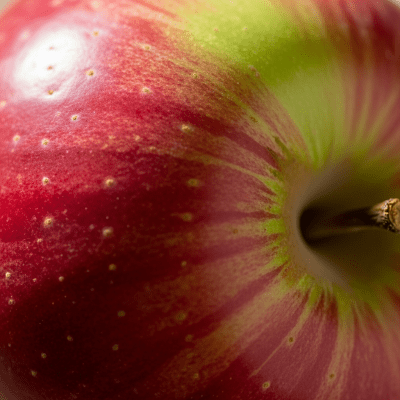
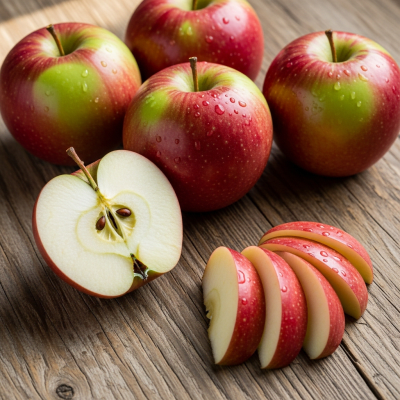
McIntosh apples are medium-sized and round, with a slightly flattened shape. Their thin skin features a bright red blush over a green background, often streaked or patched with crimson. The flesh is pure white, exceptionally juicy, tender, and aromatic. When freshly harvested, McIntosh apples are notably crisp, though they tend to soften as they age in storage.
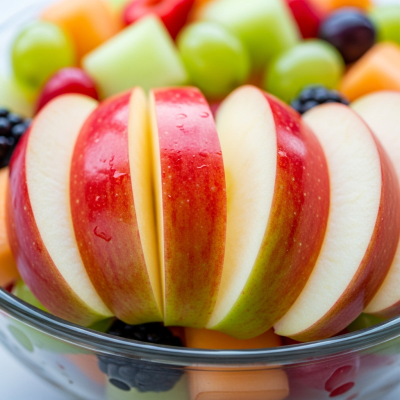
Favored for fresh eating, McIntosh apples are celebrated for their unique flavor and texture. They excel in cooking, particularly for applesauce, as their flesh breaks down smoothly when heated. While occasionally used in cider production, their primary role remains as a dessert and dual-purpose apple, valued in both home kitchens and commercial settings.
Bring this kind into your world illustrated posters, mugs, and shirts.
Archival print, museum-grade paper
Buy Poster
Stoneware mug, dishwasher safe
Buy Mug
Soft cotton tee, unisex sizes
Buy ShirtMcIntosh has become an iconic apple in North American culture, especially in Canada and the northeastern United States. Its name is synonymous with heritage orchards and autumn harvest traditions. The apple's influence extends beyond agriculture, inspiring the naming of Apple Inc.'s "Macintosh" computer line, a nod to its status as a household favorite.
McIntosh apples offer a distinctive aromatic flavor that balances sweetness and tartness. The flesh is juicy and tender, with a crisp bite when fresh. Their unique taste and texture make them a favorite for fresh eating and for recipes where a smooth, flavorful apple is desired.
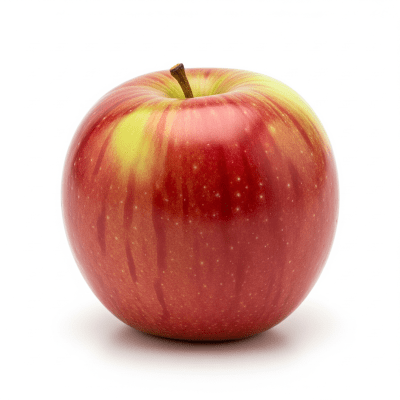
McIntosh apples are widely cultivated in Canada, especially Ontario and Quebec, and throughout the northern United States, including New England, New York, and the Great Lakes region. Their cold hardiness makes them well-suited to these climates, and they remain a popular choice among growers in these areas.
The precise parentage of McIntosh is unknown; it is believed to be a chance seedling resulting from open pollination among local wild or domesticated apples. Despite this uncertainty, McIntosh has become a foundational parent in apple breeding, contributing its desirable traits to many subsequent cultivars.
McIntosh is classified as a common cultivar and is not considered endangered. It remains widely grown and well-documented by major germplasm collections, ensuring its ongoing conservation and availability.
McIntosh is the progenitor of several notable apple varieties, including 'Empire', 'Cortland', and 'Spartan'. These offspring inherit many of McIntosh's favorable traits, such as flavor and cold hardiness, and have become popular in their own right.
McIntosh apples are typically harvested from late summer through early autumn, with peak availability in markets from September to November. Their fresh, crisp texture is best appreciated soon after harvest.