Lodi
Lodi is an early-season apple cultivar prized for its tart flavor and exceptional suitability for cooking, especially in applesauce and pies.
Lodi is an early-season apple cultivar prized for its tart flavor and exceptional suitability for cooking, especially in applesauce and pies.
The 'Lodi' apple traces its roots to the United States, where it was bred and introduced in 1924 at the New York State Agricultural Experiment Station in Geneva, New York. Developed as a hybrid between 'Yellow Transparent' and 'Montgomery' (also known as 'Autumn Bough'), 'Lodi' quickly became a favorite in the Midwest and eastern states for its reliable early harvest and culinary versatility.
'Lodi' belongs to the family Rosaceae, genus Malus, and species Malus domestica. As a named cultivar, it is part of the extensive apple taxonomy that organizes apples by botanical lineage, usage type, and regional heritage. Its primary classification is as a cooking apple, though it may occasionally serve as a dessert apple when freshly picked.
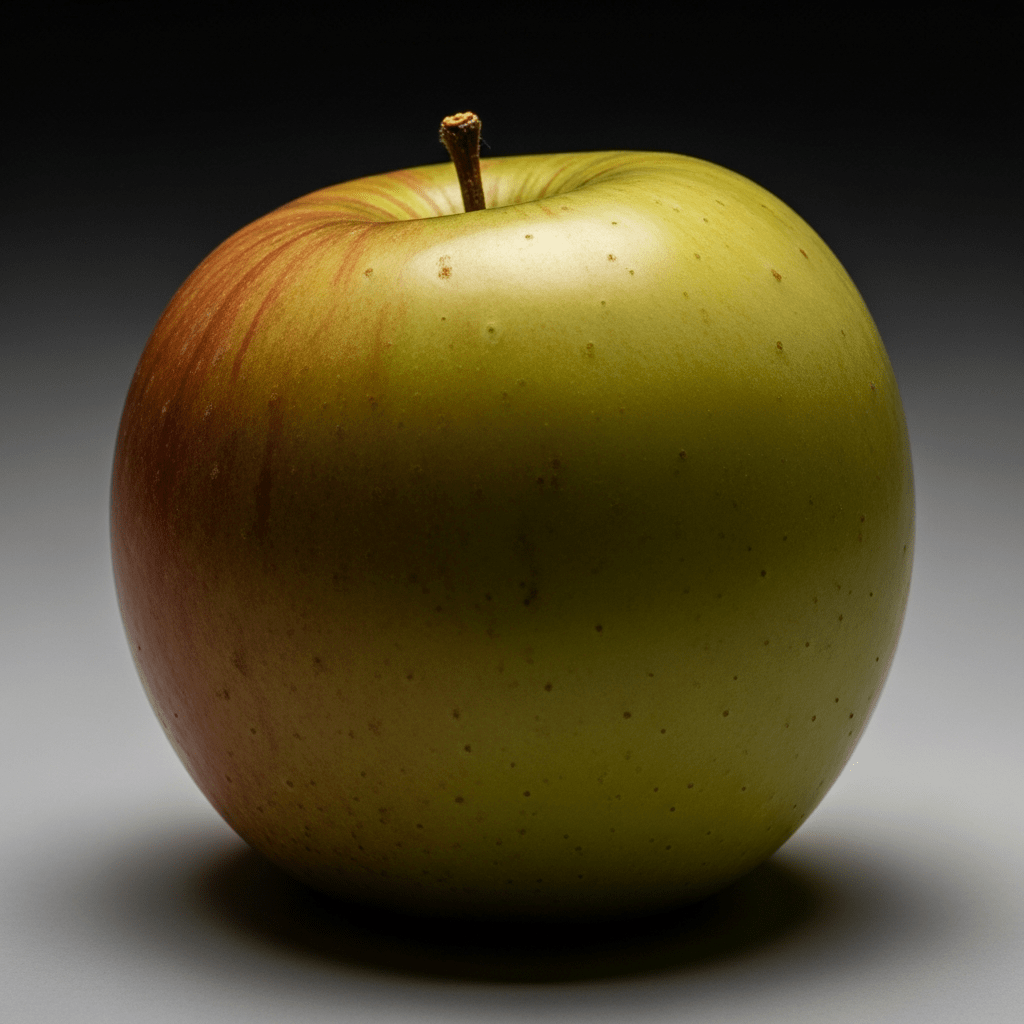
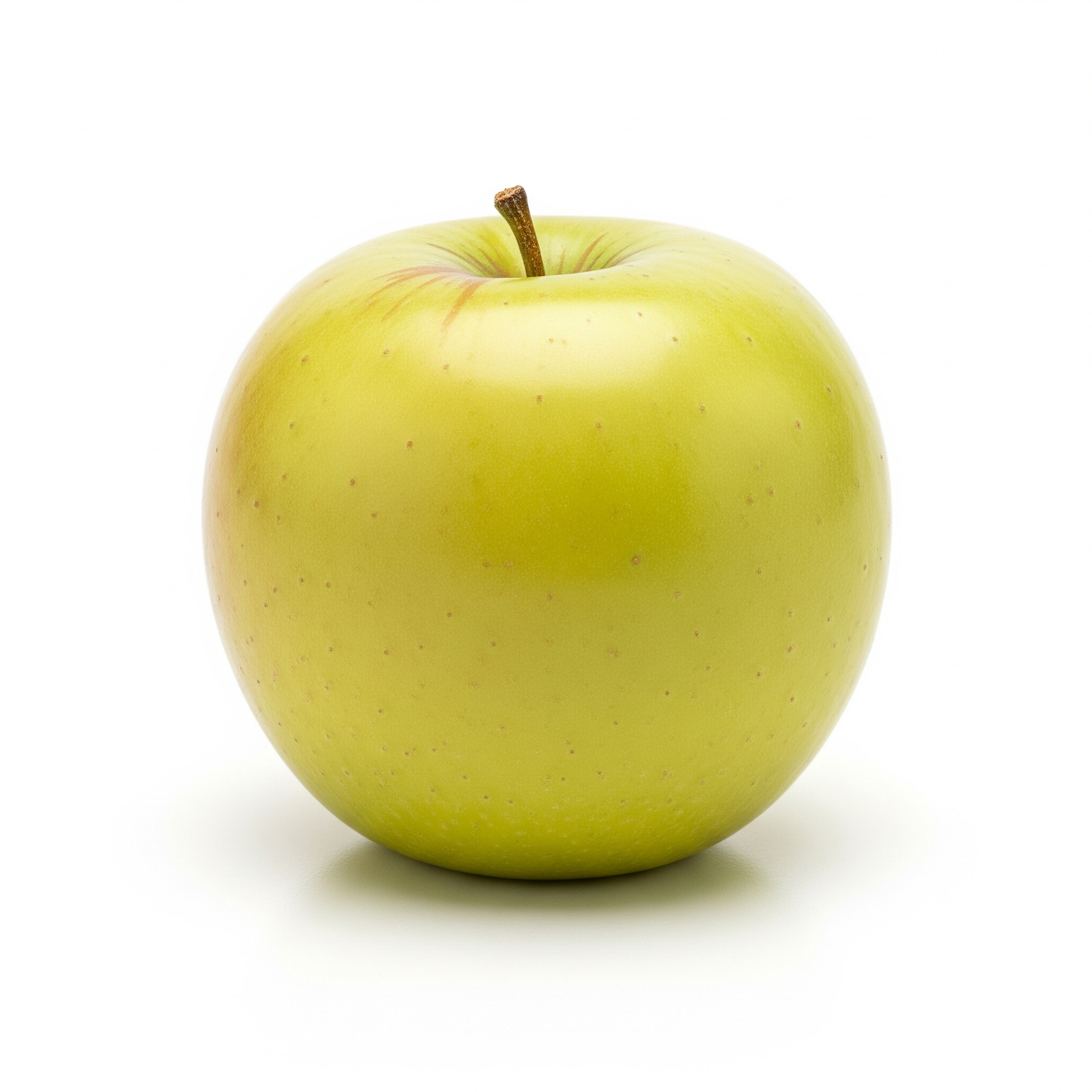
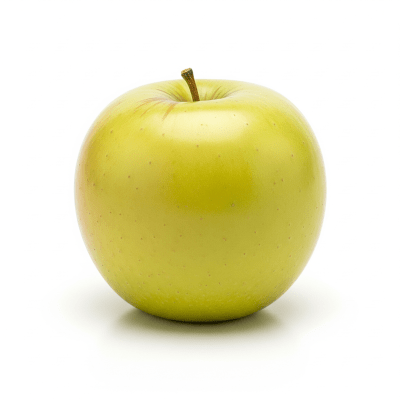
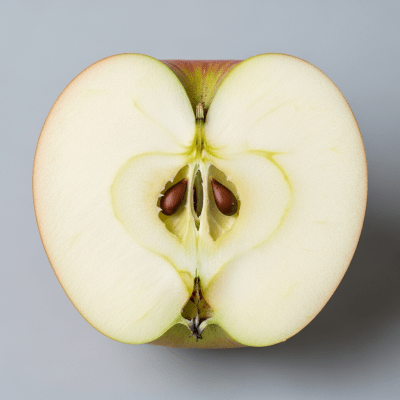
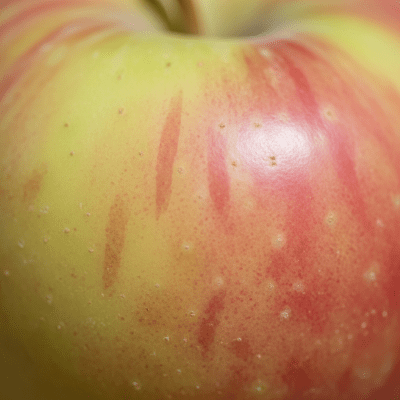
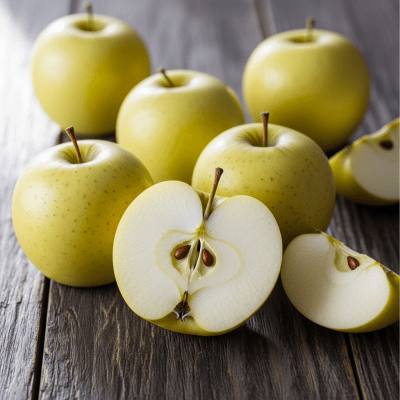
'Lodi' apples are medium to large in size, with a conical to round shape. Their skin is pale green, ripening to a soft yellowish hue as the season progresses. The flesh is white, tender, and juicy, offering a distinctly tart bite. The fruit matures in late June to early July, making it visually and seasonally distinct among apples.
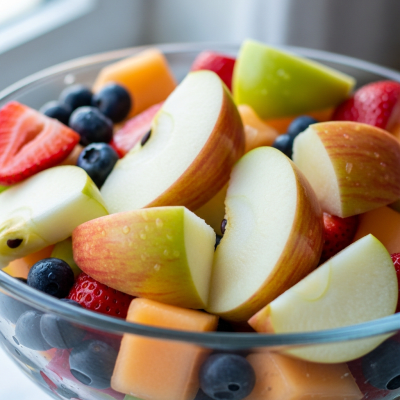
Primarily valued as a cooking apple, 'Lodi' excels in sauces, pies, and baked goods due to its soft, juicy flesh and tart flavor. Its early ripening makes it one of the first apples available each season, and while it can be eaten fresh, its texture and acidity are best showcased in cooked preparations. The apple's short storage life encourages immediate use after harvest.
Bring this kind into your world illustrated posters, mugs, and shirts.
Archival print, museum-grade paper
Buy Poster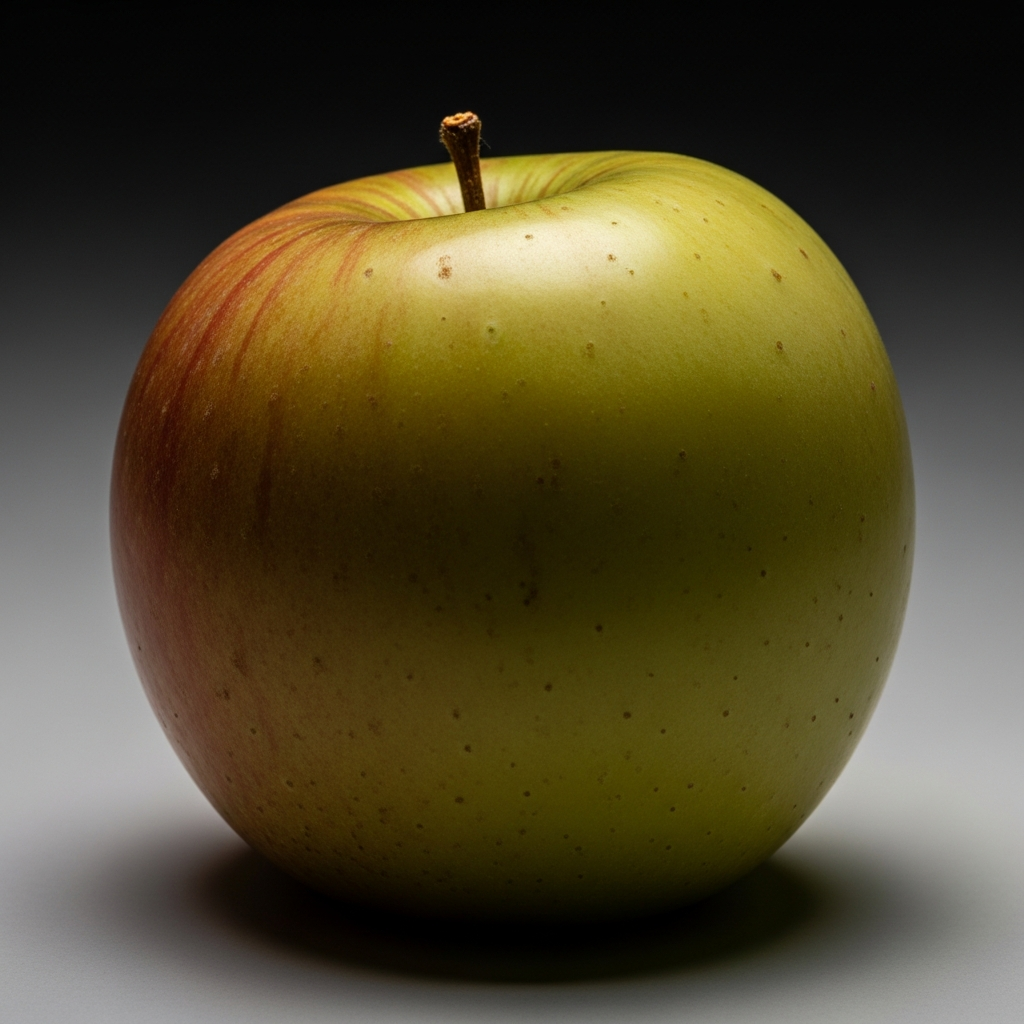
Stoneware mug, dishwasher safe
Buy Mug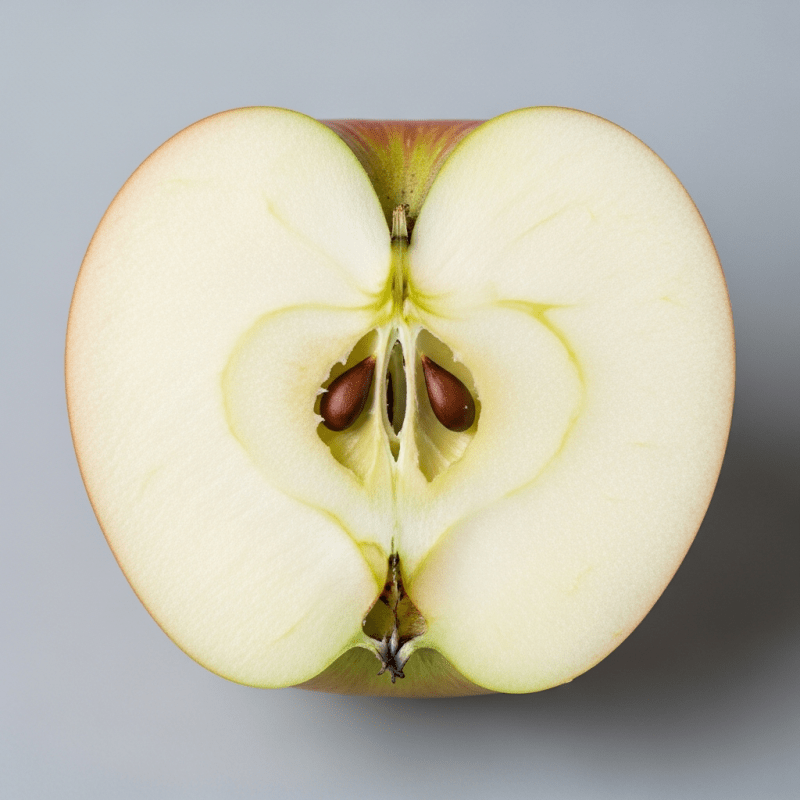
Soft cotton tee, unisex sizes
Buy ShirtIn the Midwest and eastern United States, 'Lodi' holds a place as a herald of summer, marking the start of apple season for home cooks and orchard enthusiasts. Its reputation for producing smooth, flavorful applesauce has made it a staple in regional kitchens, though it is less prominent in broader cultural references compared to some heritage or commercial varieties.
'Lodi' apples are distinctly tart, with a bright, refreshing acidity. The flesh is tender and juicy, delivering a smooth texture when cooked. Fresh, the apple is crisp but quickly softens, making it less favored for eating out of hand but perfect for transforming into sauces and baked goods.
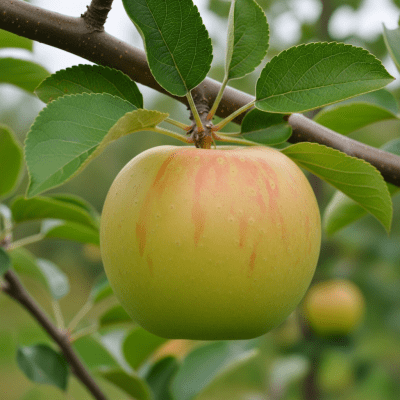
'Lodi' is primarily cultivated in the Midwest and eastern United States, with notable production in Ohio, Indiana, Illinois, and New York. Its adaptability to these regions' climates has made it a reliable early crop for local orchards.
'Lodi' is the result of a deliberate cross between 'Yellow Transparent' (seed parent) and 'Montgomery' (also known as 'Autumn Bough', pollen parent). This breeding effort, conducted at the New York State Agricultural Experiment Station, aimed to produce an apple with early ripening and excellent culinary qualities.
'Lodi' is considered a common cultivar in its primary regions and is not listed as rare or endangered by major authorities. It remains widely available in local orchards and is maintained in national germplasm collections.
Within the apple taxonomy, 'Lodi' stands out for its early season and culinary use. Other notable early-season or cooking apples include 'Yellow Transparent' (its seed parent), 'Gravenstein', and 'Montgomery' ('Autumn Bough'). These varieties, like 'Lodi', are cherished for their distinct flavors and traditional uses in kitchens.
'Lodi' apples are typically harvested from late June through early July, making them among the first apples available in local markets each year. Their early seasonality offers a fresh taste of summer before most other apple varieties ripen.