Liberty
Liberty is a disease-resistant apple cultivar prized for its crisp texture, vibrant red skin, and reliable productivity in North American orchards.
Liberty is a disease-resistant apple cultivar prized for its crisp texture, vibrant red skin, and reliable productivity in North American orchards.
Liberty was developed at the New York State Agricultural Experiment Station in Geneva, New York, and officially introduced in 1978. Its creation was part of a targeted breeding program to combine high fruit quality with robust disease resistance, addressing the needs of growers in regions prone to apple scab and other orchard diseases. Today, Liberty is cultivated widely across the northeastern United States and Canada, especially where organic and low-spray practices are favored.
Liberty belongs to the Rosaceae family, within the genus Malus and species Malus domestica. As a named cultivar, it is recognized under the International Code of Nomenclature for Cultivated Plants (ICNCP) and maintained in major germplasm collections. Its classification reflects both its botanical lineage and its status as a modern dessert apple bred for disease resistance.
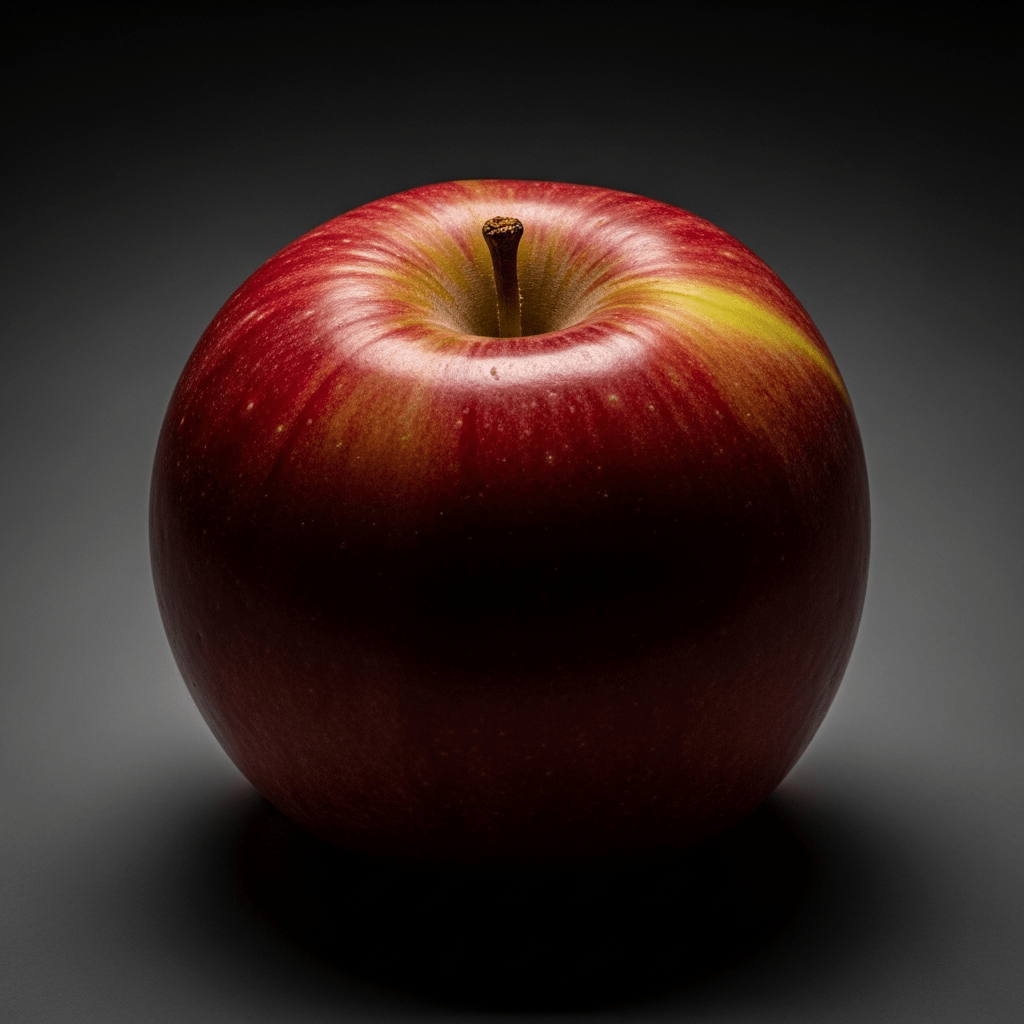
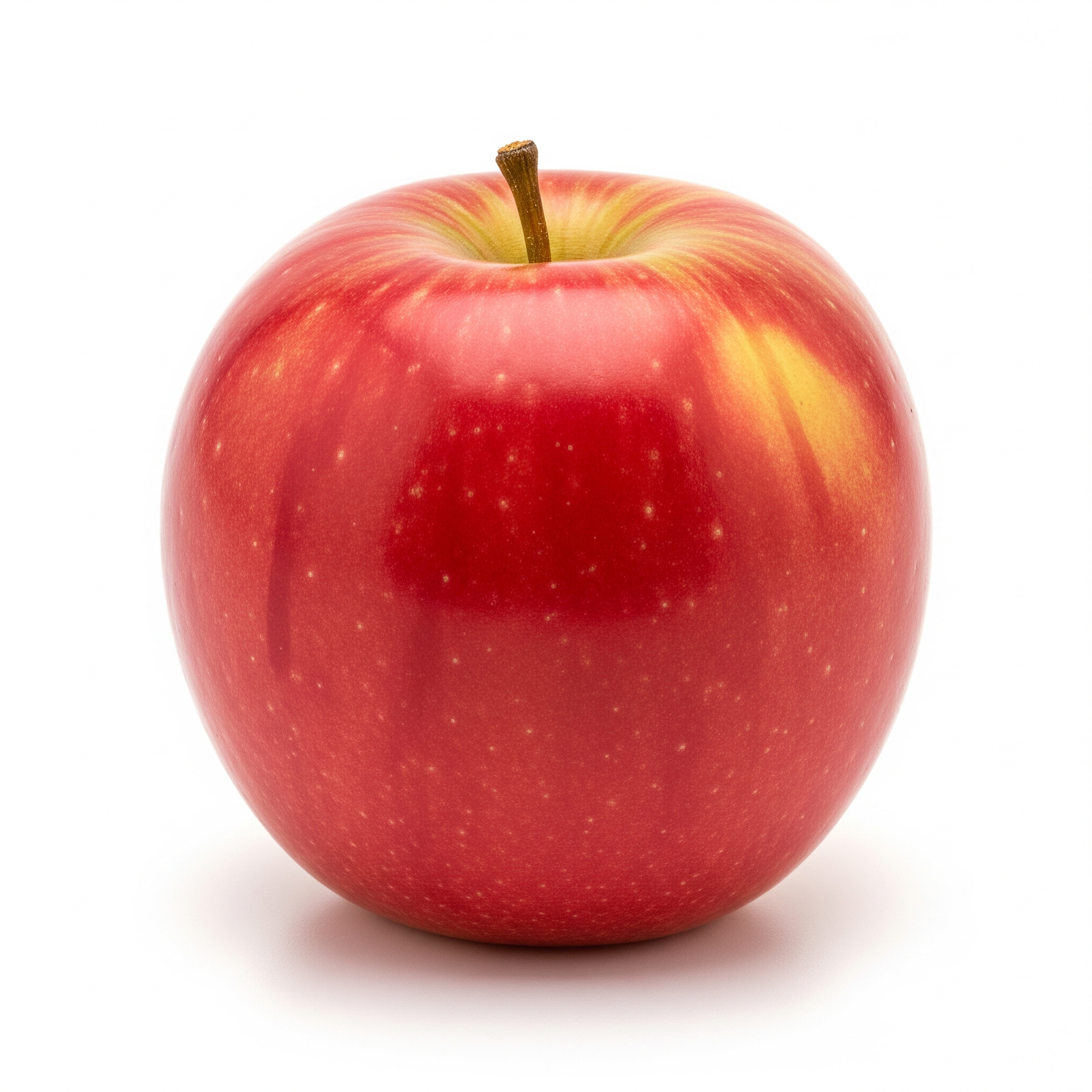
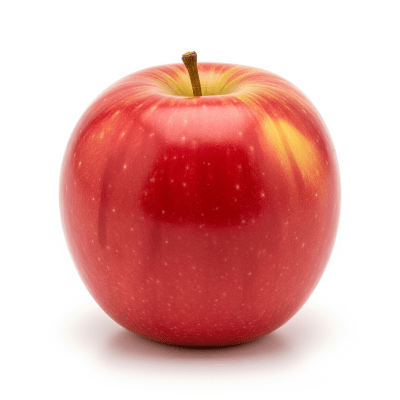
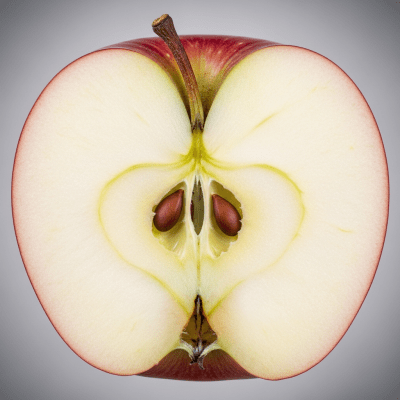
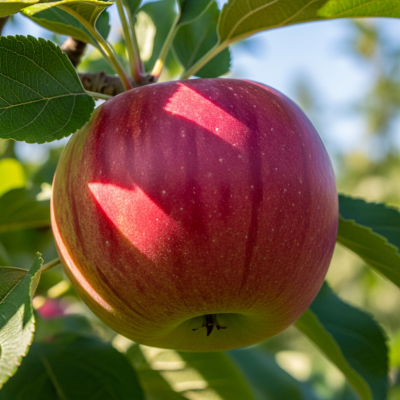
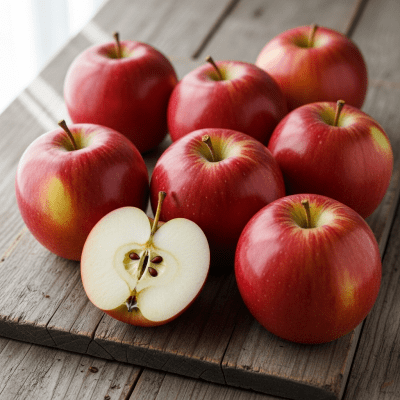
Liberty apples are medium-sized, round to slightly conical, with a striking deep red to purplish skin often marked by subtle stripes over a yellow-green background. The flesh is pale yellow, fine-textured, and crisp, delivering a juicy bite. The tree itself is vigorous and upright, producing fruit that is visually appealing and uniform in shape.
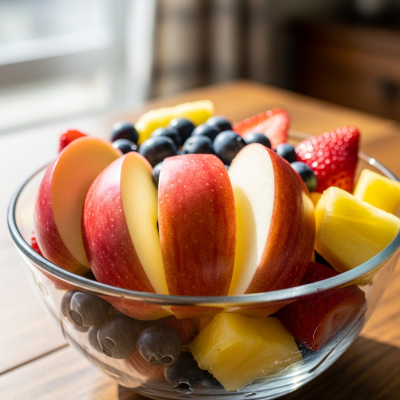
Primarily enjoyed fresh as a dessert apple, Liberty is also suitable for cooking and home processing. Its balanced flavor and firm texture make it a favorite for eating out of hand, baking, and blending into cider, though it is not a primary cider variety. The cultivar's strong disease resistance and adaptability make it especially popular in organic and low-spray orchards, reducing the need for chemical interventions.
Bring this kind into your world illustrated posters, mugs, and shirts.
Archival print, museum-grade paper
Buy Poster
Stoneware mug, dishwasher safe
Buy Mug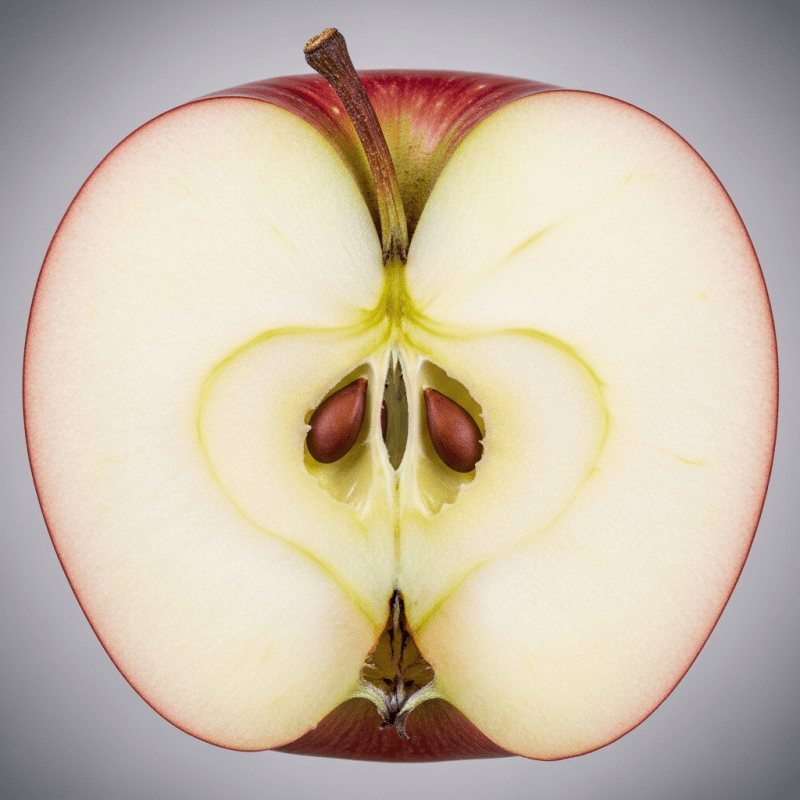
Soft cotton tee, unisex sizes
Buy ShirtWhile Liberty does not have centuries-old folklore or iconic status, it represents a modern shift in apple breeding—prioritizing sustainability and resilience. Its popularity among organic growers and home orchardists reflects changing values in agriculture, emphasizing health, environmental stewardship, and reliable harvests. Liberty is often cited in horticultural literature as a model for disease-resistant breeding.
Liberty apples deliver a crisp, fine-textured bite with pale yellow flesh. The flavor is mildly tart and aromatic, balanced by a pleasant juiciness that makes it appealing for fresh eating. Its subtle acidity and fragrance also lend themselves well to baking and light culinary uses.

Liberty is widely cultivated in the northeastern United States, including New York and surrounding states, as well as parts of Canada. Its adaptability and cold-hardiness make it suitable for regions with challenging climates and high disease pressure, and it is increasingly planted in organic orchards across North America.
Liberty is the result of a cross between Purdue 54-12 (a selection with Malus floribunda ancestry for scab resistance) and Macoun. This pedigree was carefully designed to blend disease resistance with high dessert quality, and Liberty’s success has influenced subsequent apple breeding programs focused on resilience and flavor.
Liberty is considered common and is actively maintained in multiple germplasm repositories, including the USDA National Plant Germplasm System and the UK’s National Fruit Collection. There are no current conservation concerns for this cultivar.
Liberty stands alongside other disease-resistant apples such as Enterprise, GoldRush, and Freedom, which share similar breeding goals. In the broader apple family, famous cultivars include Honeycrisp, Gala, and Fuji, each with unique flavor profiles and market roles. Heritage varieties like Macoun and Malus floribunda also contribute to Liberty’s lineage and the diversity of apple breeding.
Liberty apples are typically harvested in early to mid-autumn, with peak availability from September through November in most growing regions. Their good storage qualities extend market presence into the winter months, making them accessible well beyond the harvest season.