King David
King David is a heritage apple cultivar from Arkansas, celebrated for its intense flavor and versatility in eating, baking, and cider making.
King David is a heritage apple cultivar from Arkansas, celebrated for its intense flavor and versatility in eating, baking, and cider making.
Discovered as a chance seedling near Durham, Arkansas in the late nineteenth century, King David was first described in 1893. Its emergence in the southern United States marked it as a cultivar well-adapted to warmer climates, and it quickly gained favor among orchardists for its robust qualities and distinctive taste. Propagated and distributed in the early twentieth century, King David remains a staple in heritage orchards and is valued for its regional legacy.
King David belongs to the family Rosaceae, genus Malus, species Malus domestica, and is classified as the cultivar 'King David'. This places it firmly within the domesticated apple lineage, recognized by international authorities such as the ICNCP and USDA NPGS.
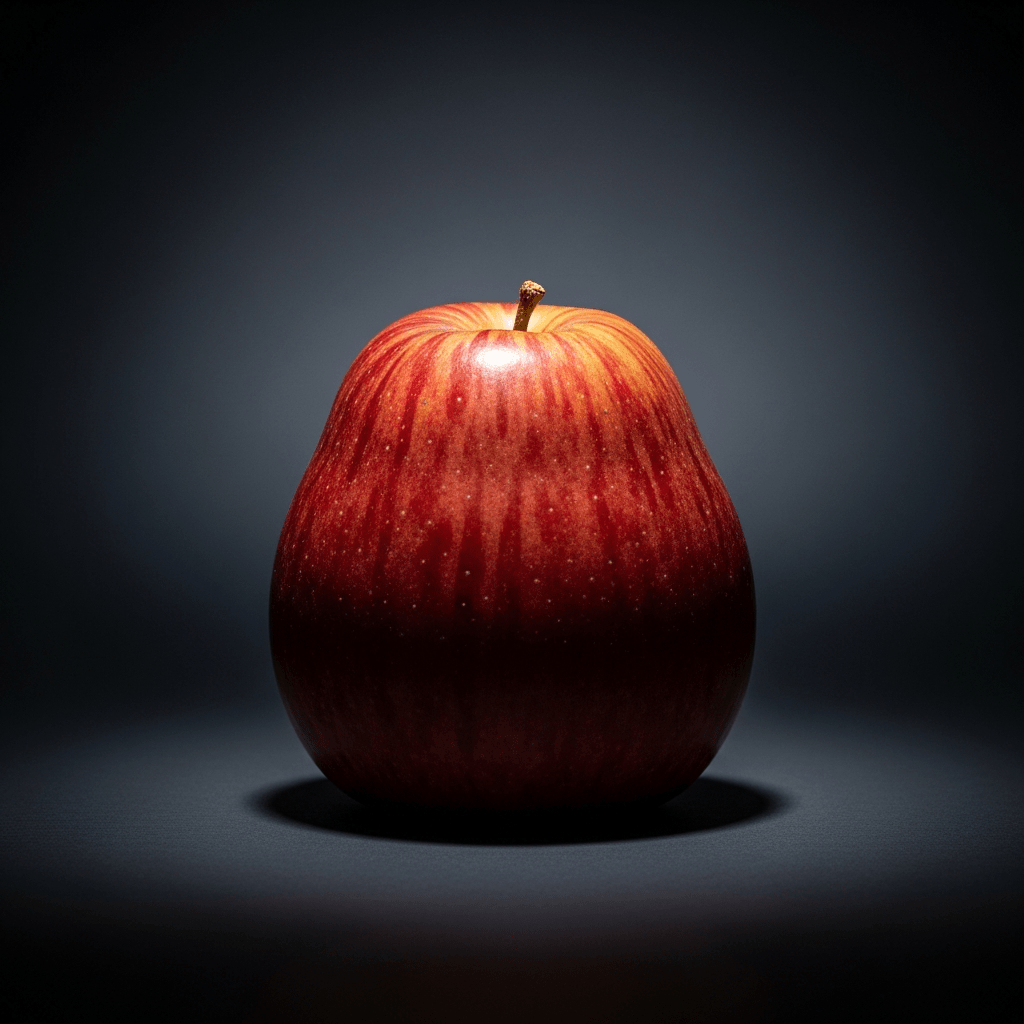
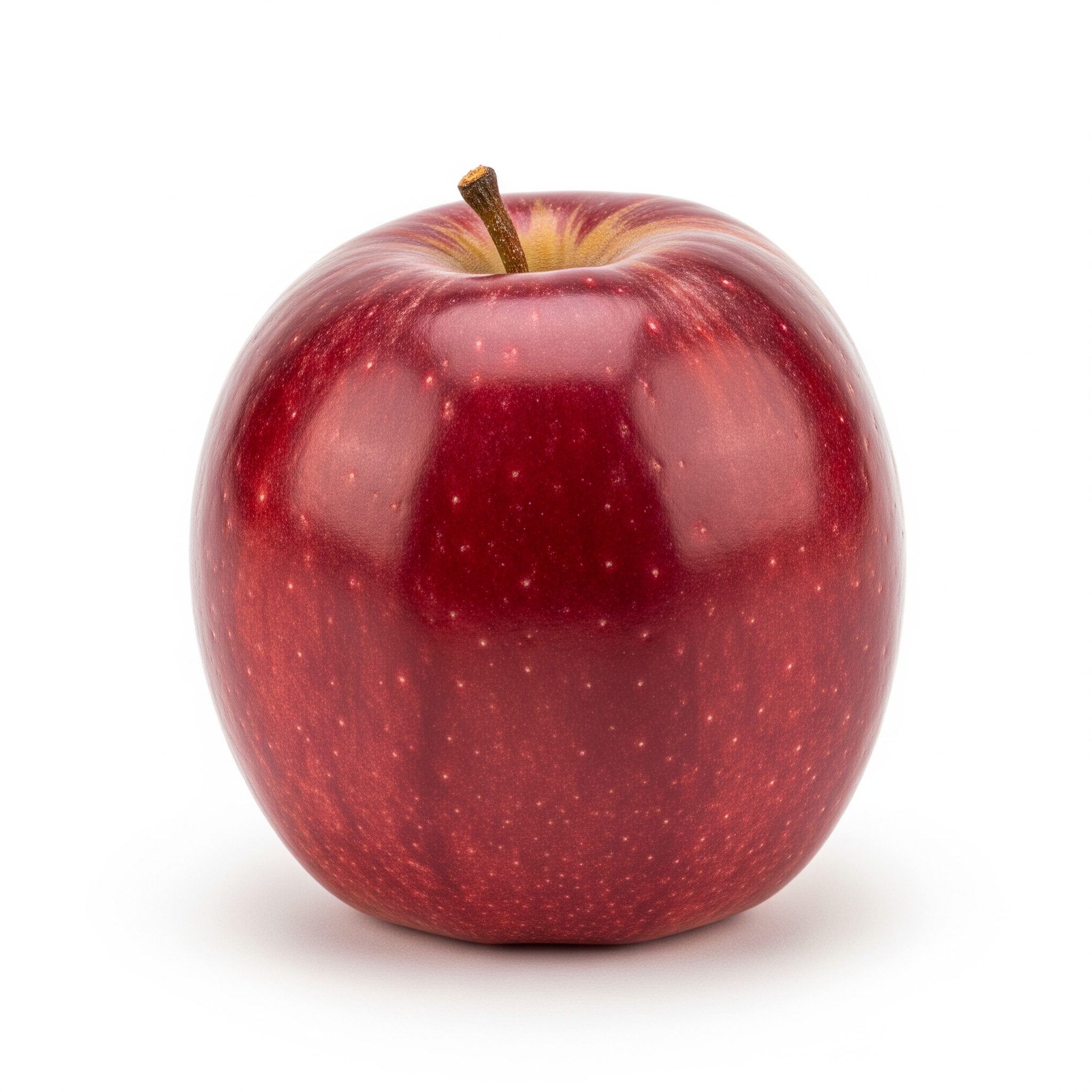
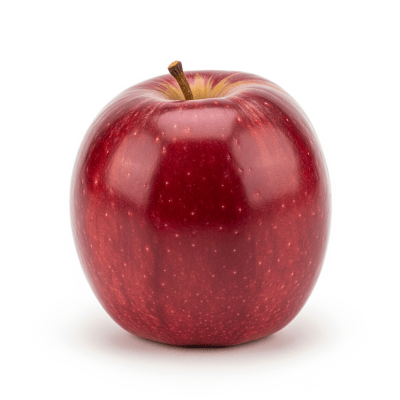
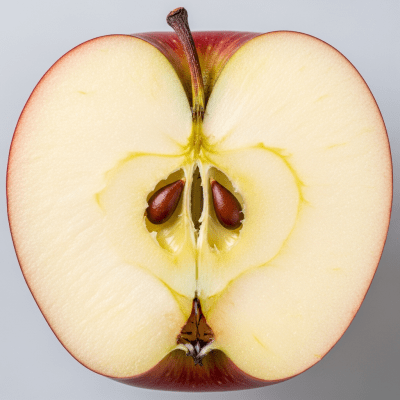
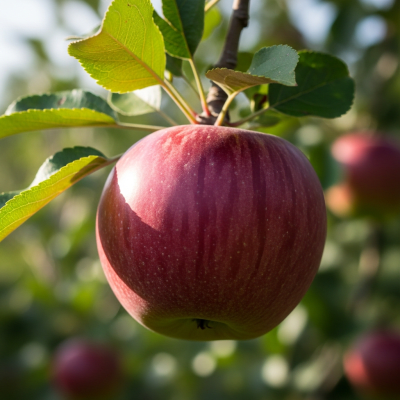
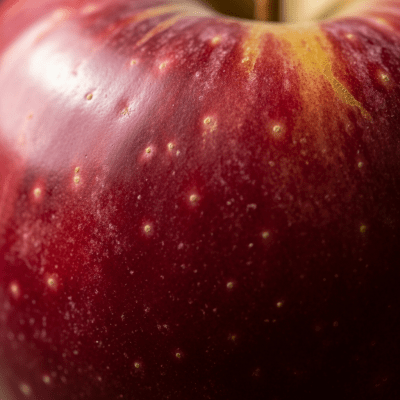
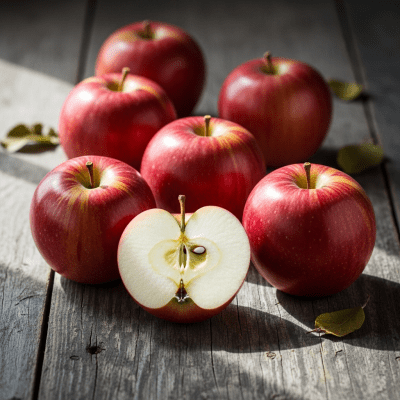
Medium-sized and round to slightly conical, King David apples feature deep red skin mottled with yellow or green patches, often showing russeting near the stem. The cream-colored flesh is firm and crisp, offering a visually appealing and tactilely satisfying experience. Its robust appearance hints at the intense flavor within.
King David is renowned as a dual-purpose apple, equally suited for fresh eating and culinary applications. Its spicy, aromatic flavor makes it a favorite for baking, while cider makers prize its complexity and balance. The apple's firm texture and excellent keeping quality allow it to retain and even intensify its flavor during storage, making it a reliable choice for both home and commercial use.
Bring this kind into your world illustrated posters, mugs, and shirts.
Archival print, museum-grade paper
Buy Poster
Stoneware mug, dishwasher safe
Buy Mug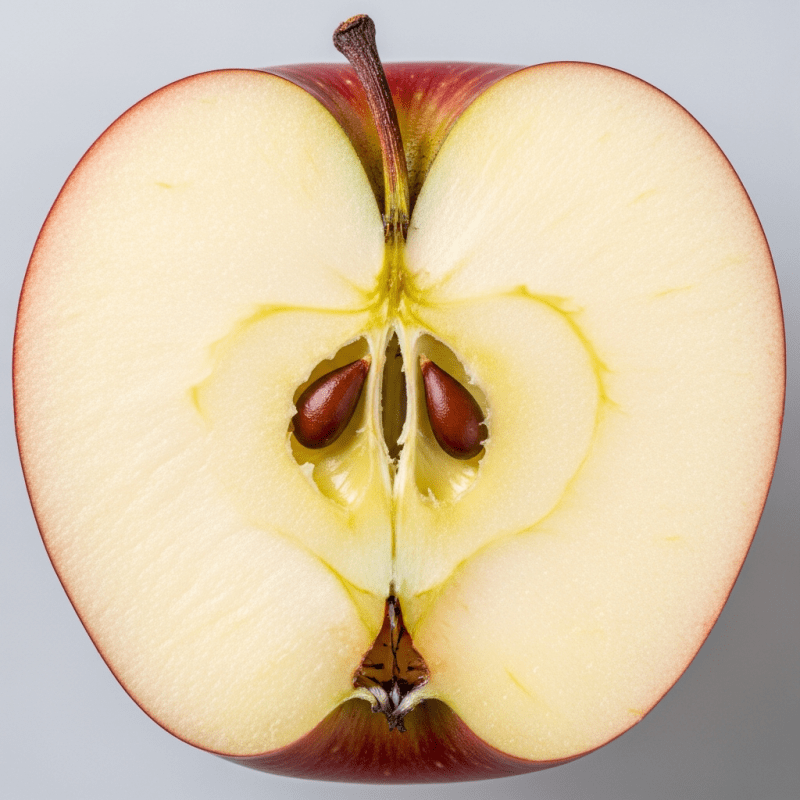
Soft cotton tee, unisex sizes
Buy ShirtAs a southern U.S. heritage cultivar, King David holds a special place among orchardists and cider enthusiasts. Its persistence in regional orchards reflects a commitment to preserving unique flavors and local agricultural history. While not widely referenced in popular culture, its reputation among apple aficionados and its role in American pomological heritage contribute to its enduring significance.
King David apples are renowned for their complex, spicy, and aromatic flavor. The flesh is crisp and firm, delivering a rich taste that balances sweetness with a pronounced tartness. As the apples mature in storage, their robust flavor deepens, making them especially prized for both fresh consumption and cider production.

King David is primarily cultivated in the southern United States, with Arkansas as its region of origin. Its adaptability to warmer climates has ensured a stable presence in southern orchards, though it is also maintained in heritage collections and germplasm repositories in North America and the UK.
The parentage of King David remains uncertain. It is believed to be a chance seedling, possibly involving 'Jonathan' and 'Winesap' as parental varieties, but no definitive genetic analysis has confirmed this lineage. This ambiguity is noted in major pomological records, highlighting the cultivar's unique origin story.
King David is considered a common heritage cultivar with a niche but stable presence in southern U.S. orchards. While not endangered or rare, its commercial cultivation is limited compared to mainstream varieties. Conservation efforts by orchardists and germplasm banks ensure its continued availability for future generations.
King David stands out among southern U.S. heritage apples, often mentioned alongside other notable cultivars such as 'Jonathan', 'Winesap', and 'Arkansas Black'. These varieties share a reputation for intense flavor and historical significance, contributing to the rich diversity of American apple heritage.
King David apples are typically harvested in the late autumn. Their excellent storage properties allow them to remain available in markets and cellars well into the winter months, making them a reliable choice for seasonal eating and cider production.