Jonathan
Jonathan is a classic American apple cultivar renowned for its balanced sweet-tart flavor and versatile use in fresh eating, baking, and cider.
Jonathan is a classic American apple cultivar renowned for its balanced sweet-tart flavor and versatile use in fresh eating, baking, and cider.
The Jonathan apple originated in Woodstock, New York, United States, in the early 19th century. First introduced around 1826, its discovery is attributed to Rachel Negus Higley, who raised the original seedling. Jonathan's roots are deeply intertwined with American pomological history, and its spread across the country marked it as a staple in orchards from the Northeast to the Midwest.
Jonathan belongs to the Rosaceae family, within the genus Malus and species Malus domestica. It is recognized as a distinct cultivar, with its classification validated by leading authorities such as the USDA, RHS, and IPNI. This places Jonathan among the thousands of named apple varieties that make up the rich diversity of domesticated apples.
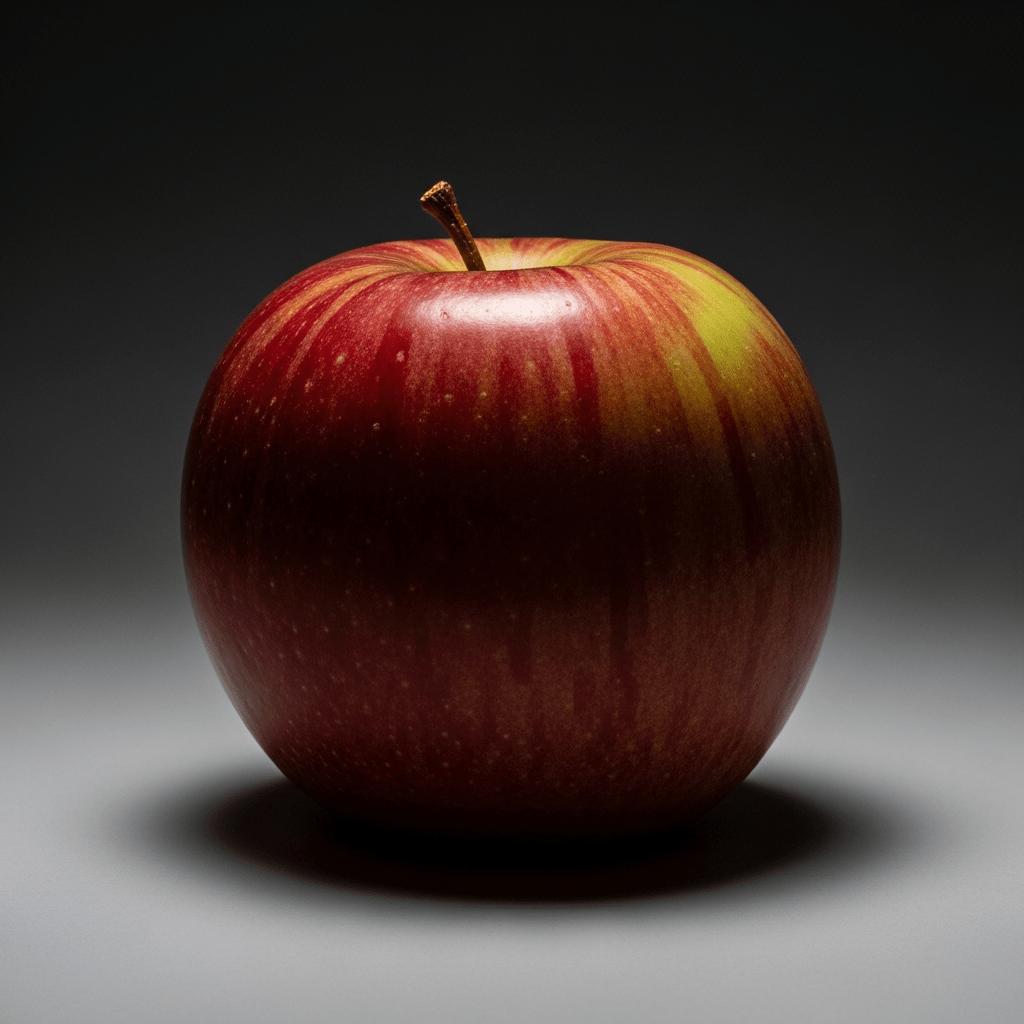
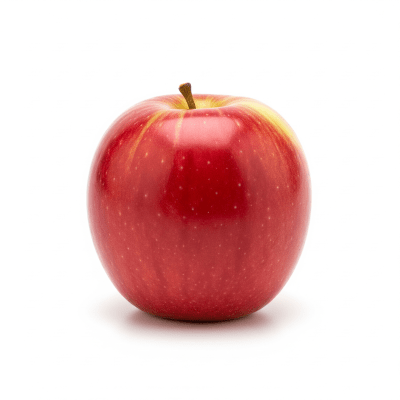
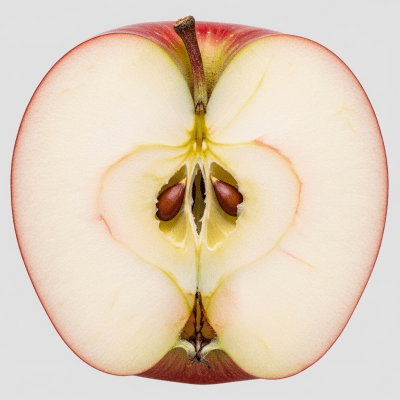
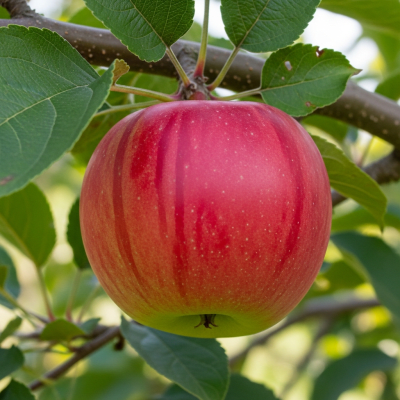
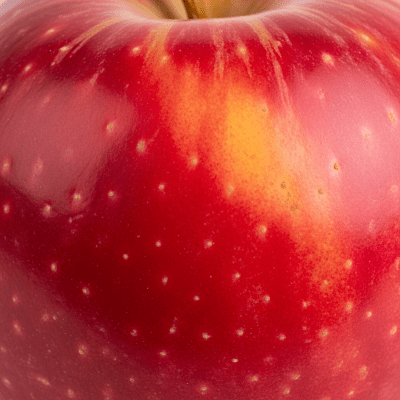
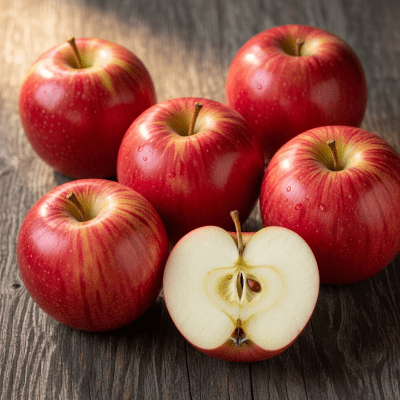
Jonathan apples are medium-sized and round to slightly conical, with a thin, smooth skin that glows bright red, often accented by greenish-yellow undertones and occasional russet patches. The flesh is white to pale yellow, fine-textured, juicy, and tender. Its visual appeal is matched by its inviting aroma and the crisp snap when bitten.
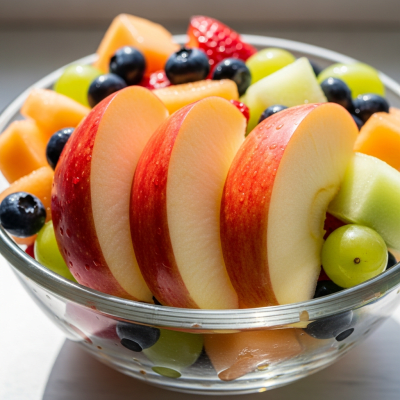
Jonathan is prized for fresh eating thanks to its lively flavor and tender flesh. It excels in baking and cooking, retaining both shape and taste in pies and sauces. The apple's aromatic complexity also lends itself to cider production in select regions. However, Jonathan's susceptibility to bruising and relatively short storage life means it is best enjoyed soon after harvest.
Bring this kind into your world illustrated posters, mugs, and shirts.
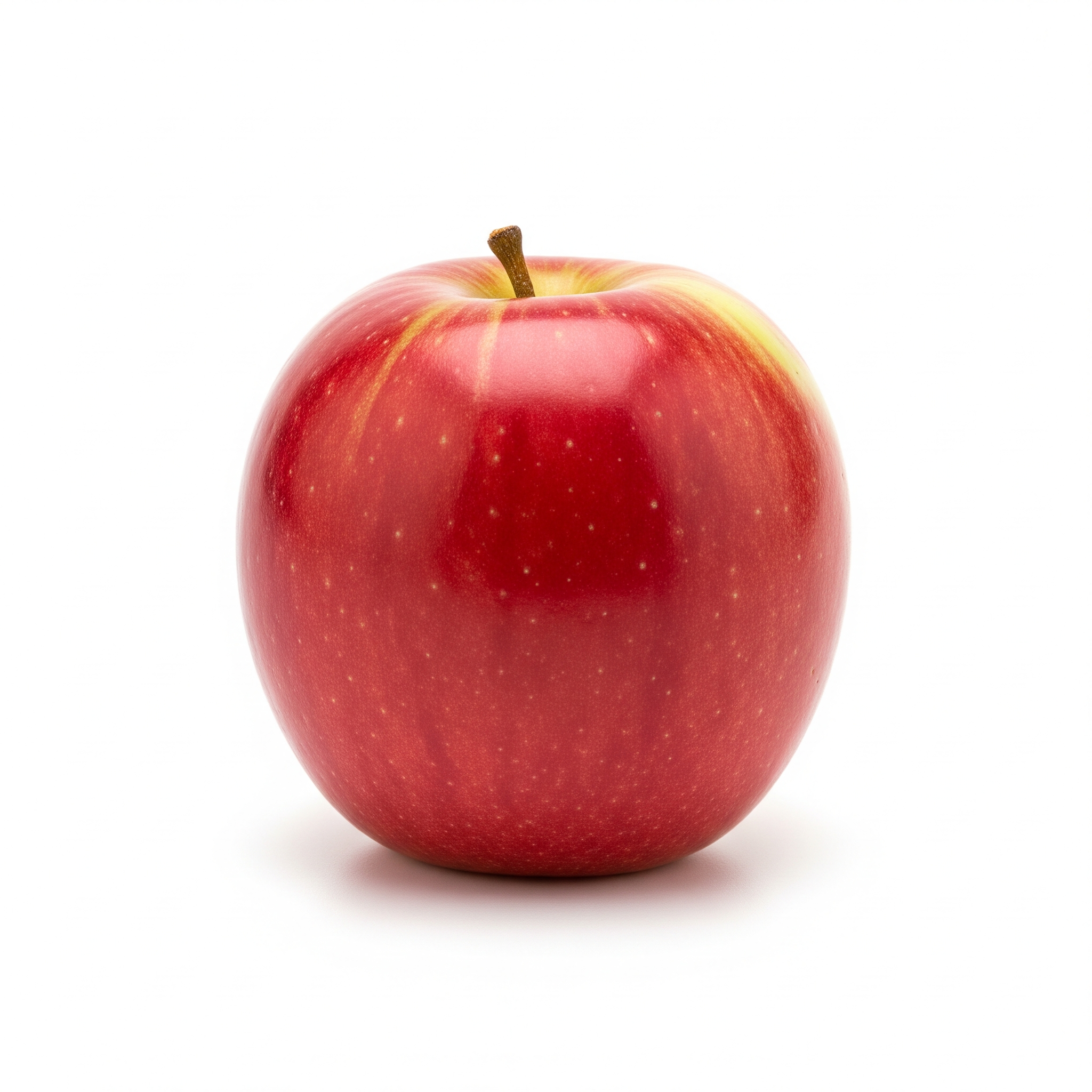
Archival print, museum-grade paper
Buy Poster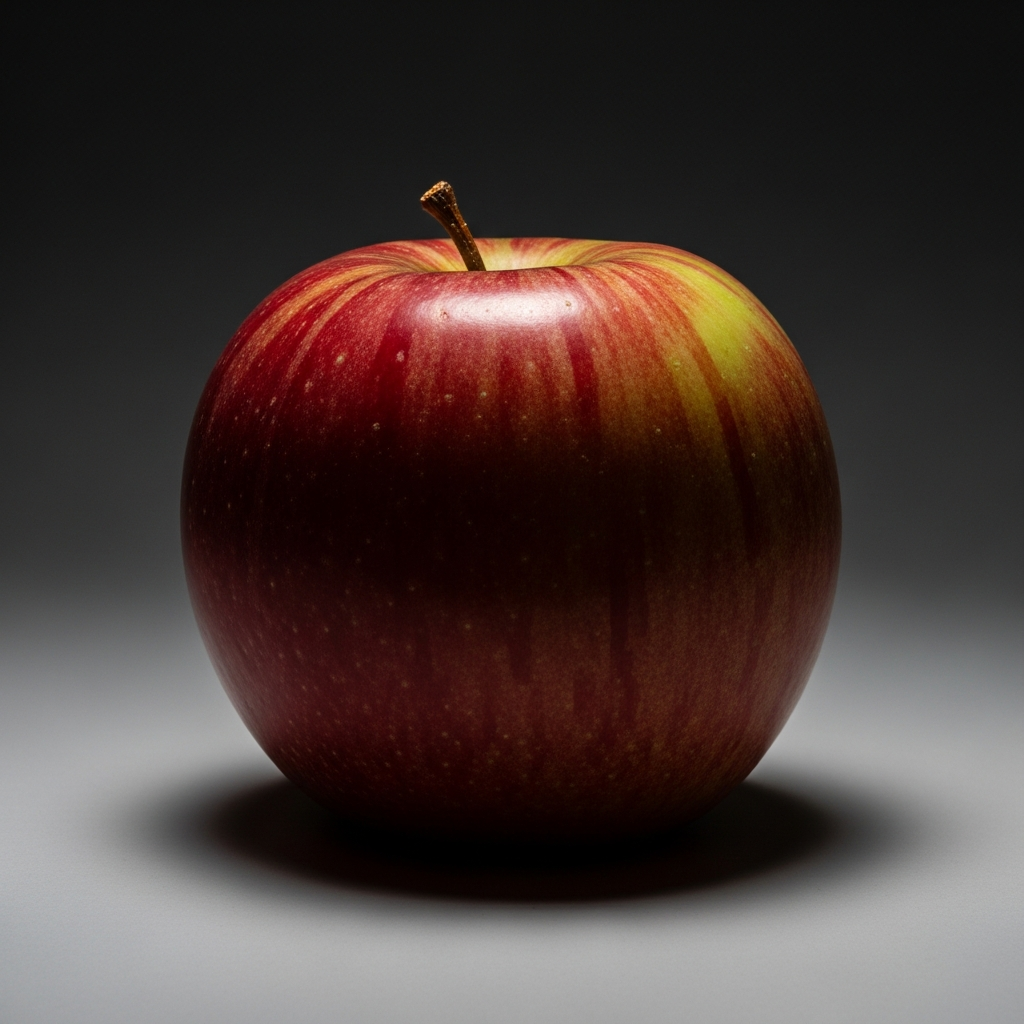
Stoneware mug, dishwasher safe
Buy Mug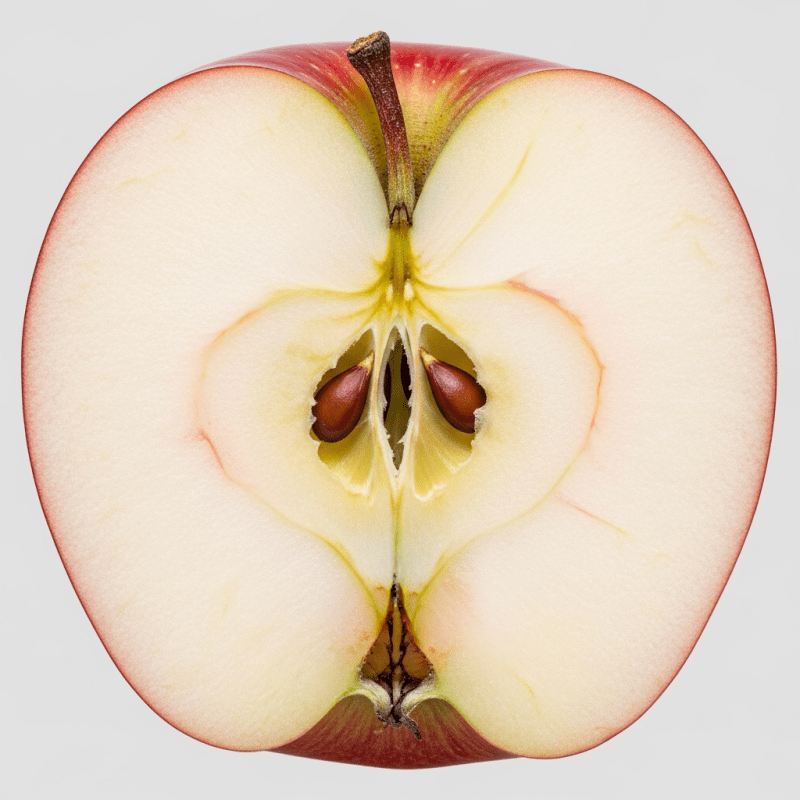
Soft cotton tee, unisex sizes
Buy ShirtAs one of America's heritage apples, Jonathan has played a prominent role in the country's orchard traditions and culinary culture. Its popularity in pies and baked goods made it a household name throughout the 19th and 20th centuries. Today, while newer varieties have overtaken it commercially, Jonathan remains a symbol of classic apple flavor and is cherished by enthusiasts and heritage orchards.
Jonathan apples are renowned for their lively sweet-tart balance, with a juicy, tender texture and aromatic complexity. The flesh is crisp yet yielding, making each bite refreshing and flavorful. When cooked, Jonathan maintains its distinct taste and shape, making it a favorite for pies and sauces.
Jonathan is historically grown across the northeastern and midwestern United States, with significant cultivation in states like New York, Michigan, and Illinois. It is also found in select regions of Europe and Australia, though its prominence has waned in favor of newer cultivars. Today, heritage orchards and specialty growers continue to maintain Jonathan in diverse climates.
The parentage of Jonathan remains uncertain. While some pomological sources suggest it may be a seedling of 'Esopus Spitzenburg', genetic evidence is lacking and the connection is disputed. Jonathan's breeding history is marked by its early American origins and its role as a progenitor for several subsequent apple varieties.
Jonathan is classified as a common cultivar in the United States, maintained in major germplasm collections such as the USDA National Plant Germplasm System and the British National Fruit Collection. While its commercial popularity has declined, it is not considered rare or endangered, and conservation efforts focus on preserving its genetic diversity for future breeding.
Jonathan itself is a notable historic variety, and its genetics have influenced the development of other apples, such as 'Jonagold' and 'Idared'. While not a parent to a vast number of cultivars, its legacy endures in heritage orchards and among apple aficionados who value its classic taste.
Jonathan apples ripen in mid to late autumn, typically from September to October, depending on the region. They are available in markets during the fall harvest season, with peak freshness shortly after picking.