Jazz
Jazz is a modern dessert apple cultivar celebrated for its crisp texture, vibrant color, and balanced sweet-tart flavor, originating from New Zealand and now enjoyed worldwide.
Jazz is a modern dessert apple cultivar celebrated for its crisp texture, vibrant color, and balanced sweet-tart flavor, originating from New Zealand and now enjoyed worldwide.
Jazz apples were first bred in New Zealand in the early 1990s by Plant & Food Research, resulting from a deliberate cross between the 'Braeburn' and 'Royal Gala' cultivars. Commercially introduced in 2001 under the trademarked name 'Jazz', this apple quickly gained international recognition for its appealing qualities and adaptability to diverse growing regions.
Jazz belongs to the family Rosaceae, genus Malus, species Malus domestica, and is registered as the cultivar 'Scifresh'. Within the broader apple taxonomy, it is classified as a dessert apple, prized for fresh eating. The full botanical path is: Rosaceae > Malus > Malus domestica > 'Scifresh' ('Jazz').
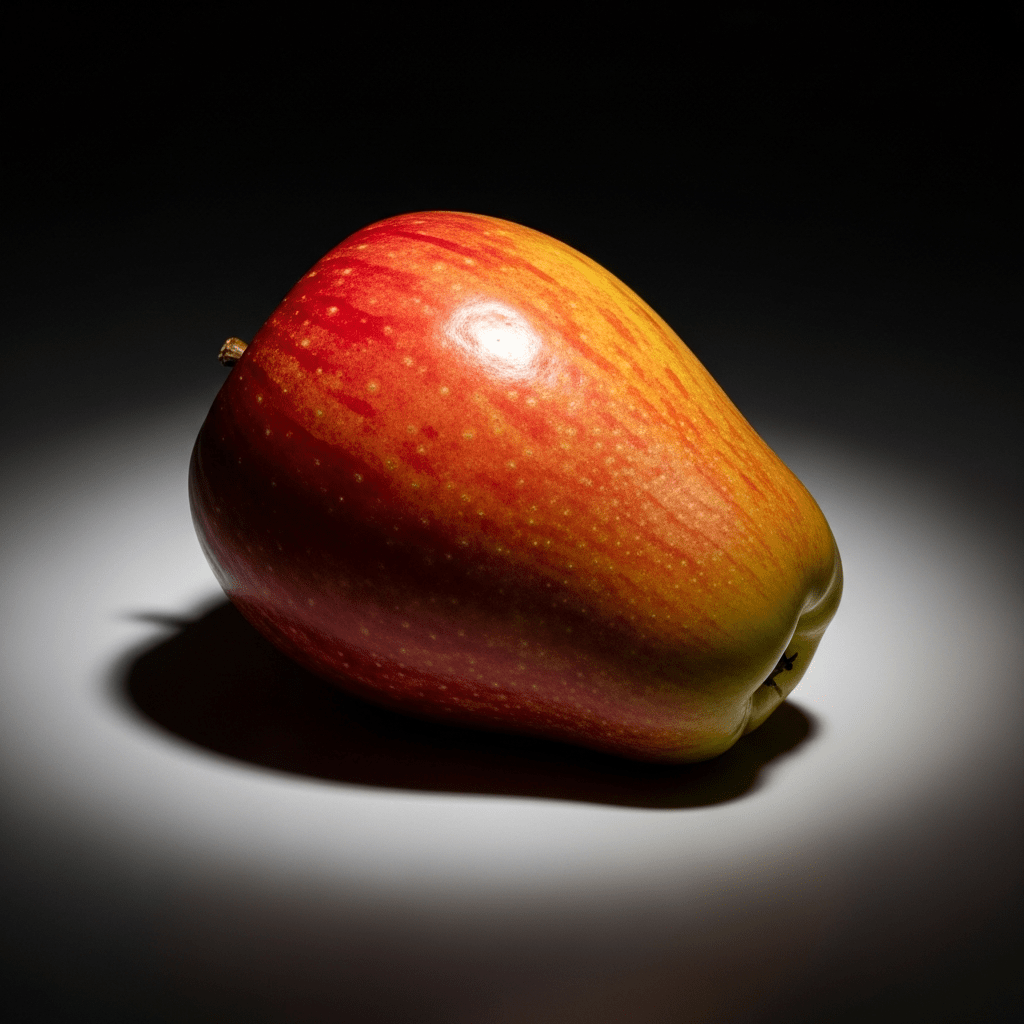
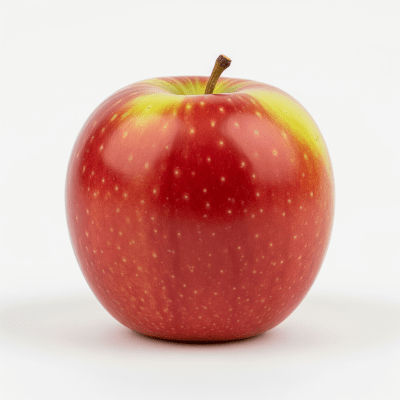
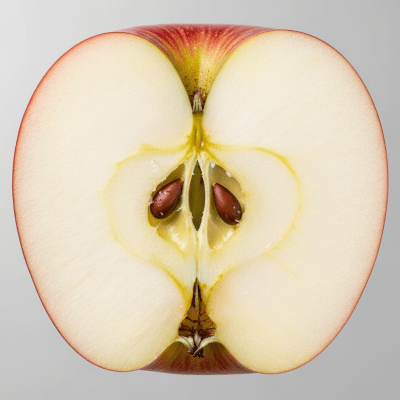
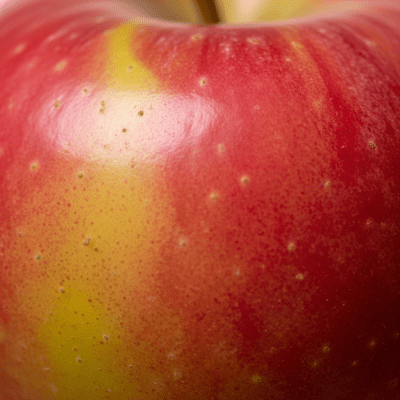
Jazz apples are medium-sized with a slightly elongated, oval form. Their skin is smooth and glossy, displaying a striking blend of red, orange, and yellow hues over a greenish-yellow base. The flesh is notably firm, dense, and crisp, offering a juicy bite and aromatic freshness. Their attractive appearance and resistance to bruising make them stand out in the fruit aisle.
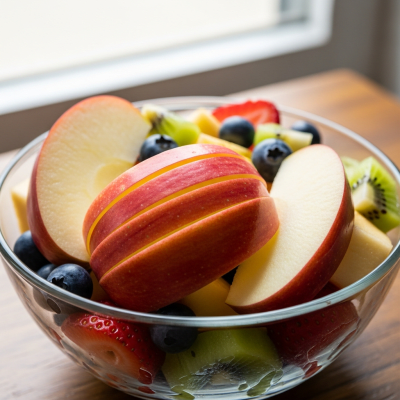
Primarily enjoyed as a dessert apple, Jazz is favored for fresh eating thanks to its crispness and lively flavor. Its firm texture also makes it suitable for salads and light cooking, retaining shape and taste in recipes. Retailers and consumers appreciate its long shelf life and durability, which reduce waste and maintain quality from orchard to table.
Bring this kind into your world illustrated posters, mugs, and shirts.

Archival print, museum-grade paper
Buy Poster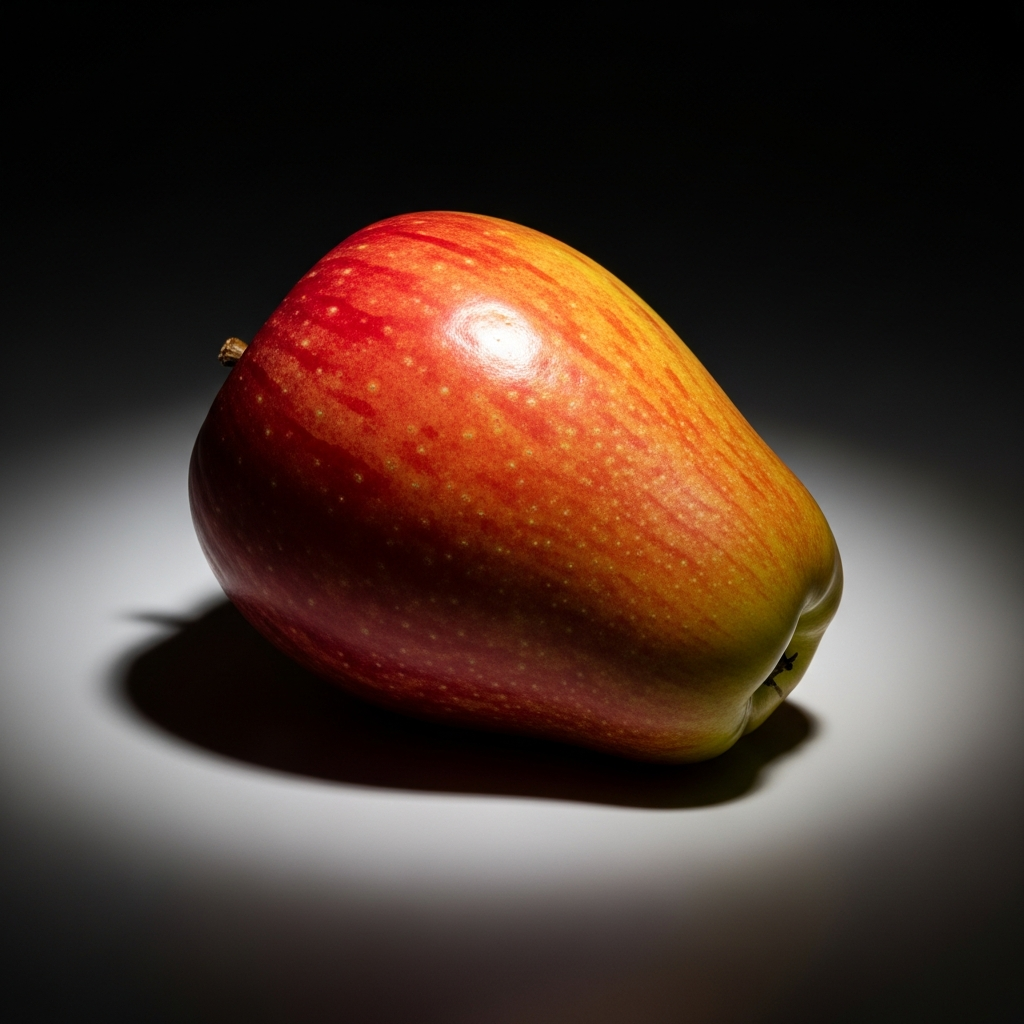
Stoneware mug, dishwasher safe
Buy Mug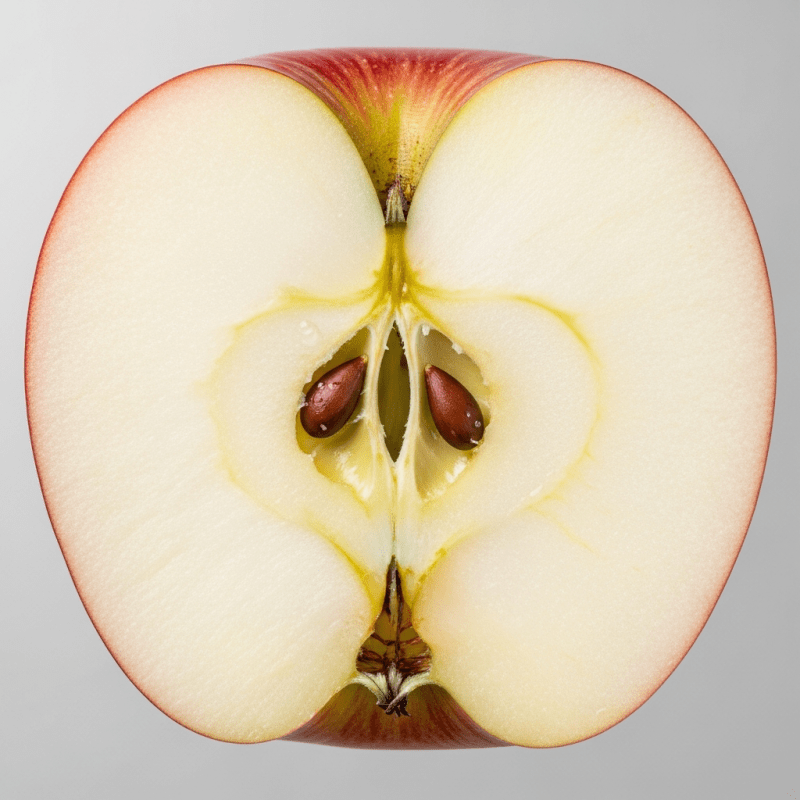
Soft cotton tee, unisex sizes
Buy ShirtJazz apples symbolize the innovation and global reach of New Zealand's horticultural industry. Their trademarked branding and consistent quality have made them a staple in international supermarkets, often featured in marketing campaigns and culinary showcases. While not steeped in traditional folklore, Jazz represents the modern era of apple breeding and global consumer trends.
Jazz apples offer a harmonious blend of sweetness and tang, with a crisp, dense texture that delivers a satisfying crunch. The flesh is juicy and aromatic, making each bite refreshing and flavorful. Their balanced profile appeals to a wide range of palates, whether eaten alone or paired with other ingredients.
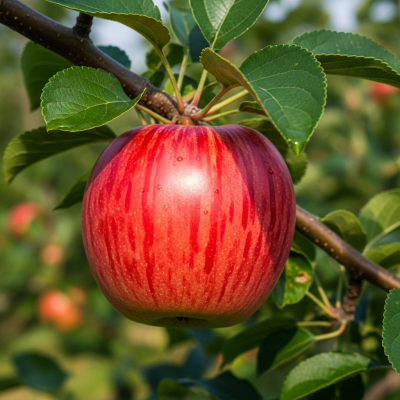
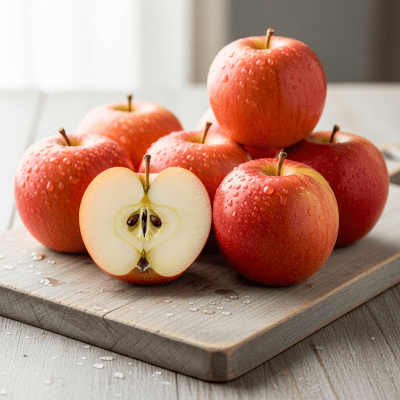
Jazz apples are grown in several major apple-producing regions around the world. Key countries include New Zealand (its birthplace), the United States, the United Kingdom, France, and Chile. This global cultivation ensures consistent supply and highlights the apple's adaptability to different climates and growing conditions.
The genetic lineage of Jazz is a deliberate cross between 'Braeburn' (seed parent) and 'Royal Gala' (pollen parent), orchestrated by Plant & Food Research in New Zealand. This hybridization aimed to combine the crispness and flavor of both parents, resulting in the unique qualities that define Jazz. Its breeding is well-documented and recognized by international authorities.
Jazz apples are classified as a common cultivar, widely grown and commercially available across multiple continents. There are no current conservation concerns, and the variety is well-represented in major germplasm collections and registries.
While Jazz itself is a distinct cultivar, its parent varieties—'Braeburn' and 'Royal Gala'—are also internationally renowned. These apples, along with Jazz, represent the innovation and diversity of New Zealand's apple breeding programs and are widely recognized for their quality and flavor.
Thanks to cultivation in both northern and southern hemispheres, Jazz apples are available year-round in many markets. Main harvests occur in New Zealand from March to May and in the northern hemisphere (e.g., US, UK) from September to November, ensuring a steady global supply.