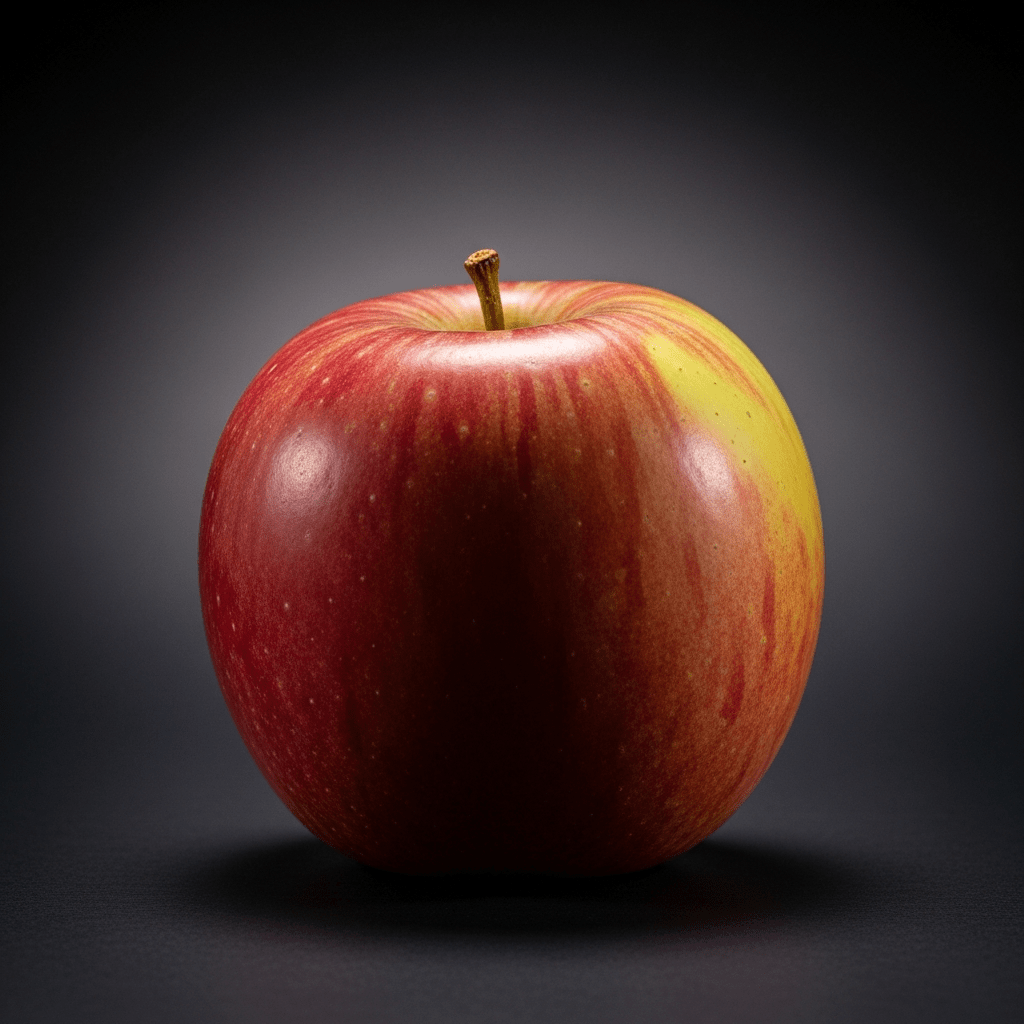
Idared
Idared is a dual-purpose apple cultivar renowned for its bright red skin, crisp texture, and exceptional storage life, making it a favorite for both fresh eating and cooking.
Idared is a dual-purpose apple cultivar renowned for its bright red skin, crisp texture, and exceptional storage life, making it a favorite for both fresh eating and cooking.
The Idared apple originated in Idaho, United States, lending its name to the region of its birth. Developed in the early 20th century and introduced commercially in 1949, Idared was bred by crossing 'Jonathan' and 'Wagner' apples. Its creation was driven by the goal of producing a reliable, flavorful apple with strong storage qualities and robust yield—traits that quickly made it popular among growers in North America and Europe.
Idared belongs to the family Rosaceae, genus Malus, and species Malus domestica. As a named cultivar, 'Idared' is part of the vast diversity within domesticated apples, which are classified by botanical lineage, usage type, and heritage. Its dual-purpose nature places it among apples valued for both dessert and culinary applications.
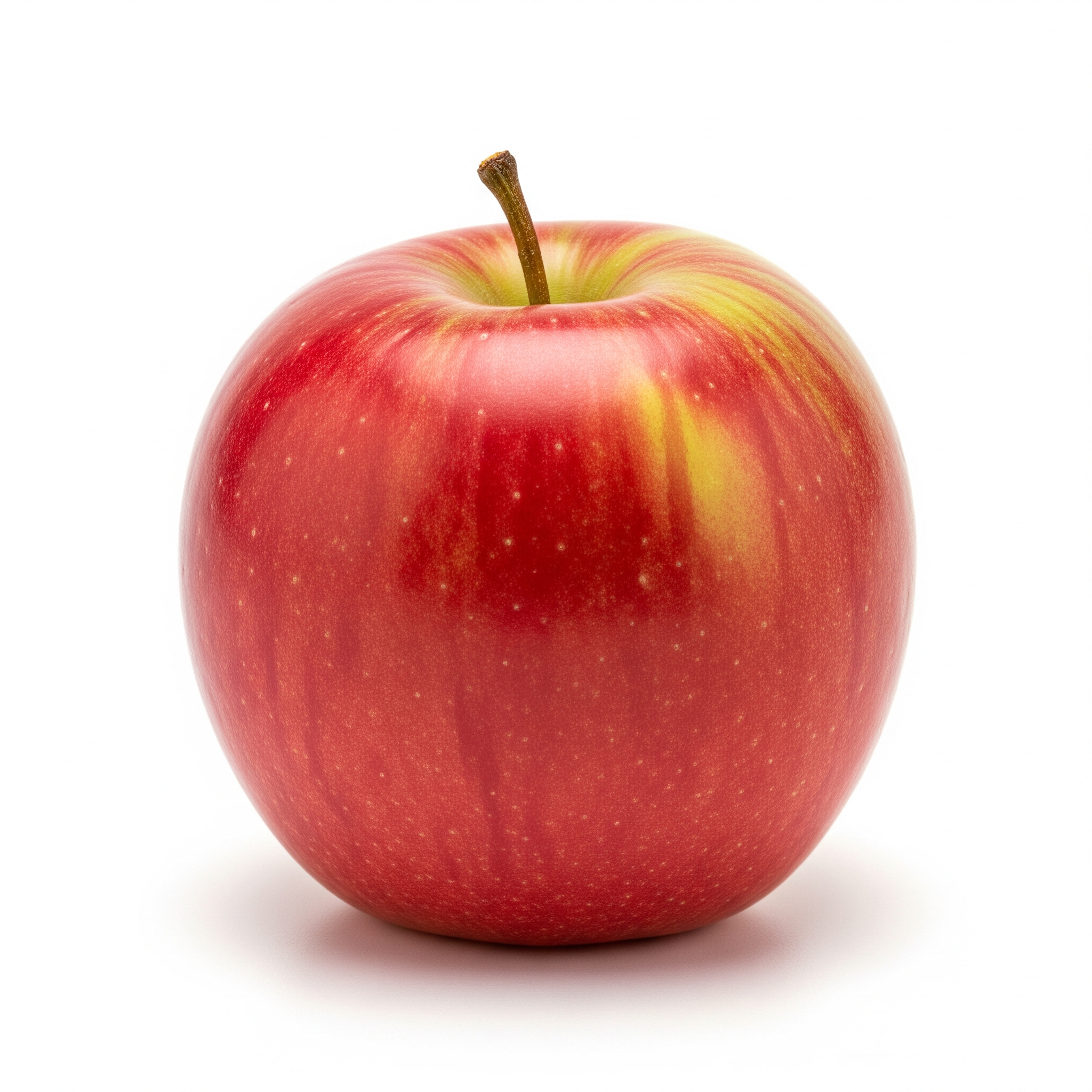
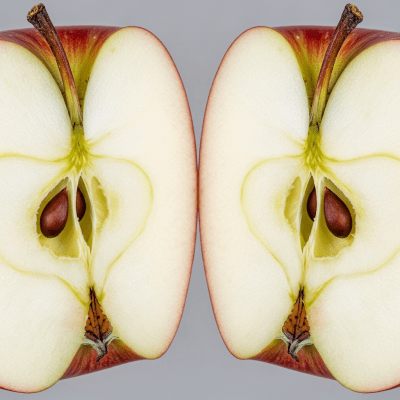
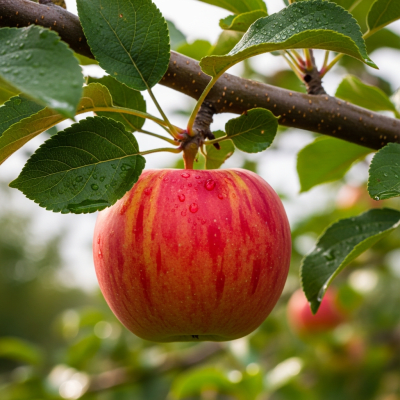
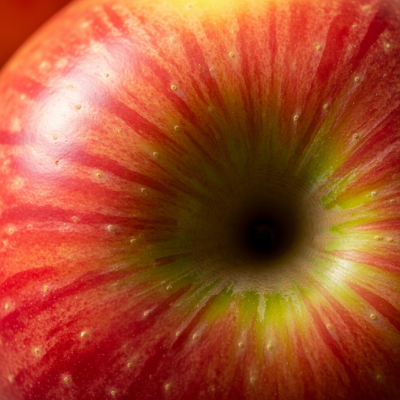
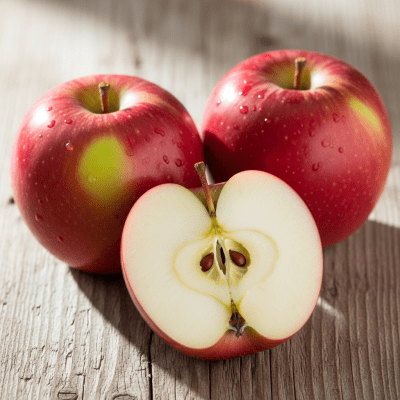
Idared apples are medium to large, round to slightly conical, with a smooth, glossy skin that glows bright red over a greenish-yellow base. The flesh is white to pale yellow, firm, and crisp—offering a satisfying bite. Their visual appeal is heightened by the vibrant coloration and uniform shape, making them stand out in both orchards and markets.
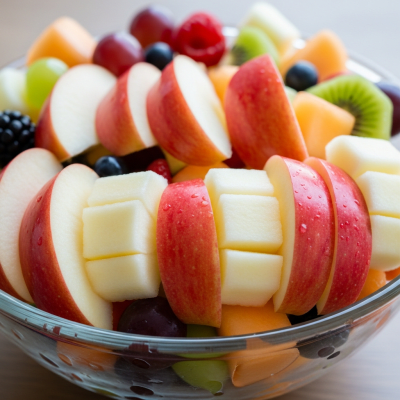
Idared apples excel as both fresh-eating and cooking fruit. Their firm texture and balanced tartness make them ideal for pies, sauces, and baked goods, where they retain shape and color. In the kitchen, Idareds mellow in flavor as they age, adding versatility to recipes. They are also favored in commercial processing due to their ability to withstand storage and transport without losing quality.
Bring this kind into your world illustrated posters, mugs, and shirts.
Archival print, museum-grade paper
Buy Poster
Stoneware mug, dishwasher safe
Buy Mug
Soft cotton tee, unisex sizes
Buy ShirtWhile Idared does not feature prominently in folklore or art, its widespread cultivation and reliable performance have made it a staple in North American and European orchards. It is often associated with classic apple-based desserts and is a familiar sight in autumn harvests and farmers' markets, reflecting the enduring appeal of robust, versatile apple varieties in modern food culture.
Idared apples offer a mildly tart taste that mellows and sweetens during storage. The flesh is crisp and firm, with a subtle aroma and a refreshing juiciness. Their balanced flavor makes them suitable for both eating fresh and cooking, where they retain their shape and color when baked or processed.
Idared is grown extensively in the United States—especially in the Pacific Northwest and Midwest—as well as in Canada. In Europe, Poland and Germany are notable producers. Its adaptability to diverse climates and reliable yields contribute to its popularity among commercial growers in these regions.
The Idared apple is the result of a deliberate cross between the 'Jonathan' and 'Wagner' cultivars. Breeders sought to combine the flavor and storage qualities of 'Jonathan' with the vigor and productivity of 'Wagner', resulting in a cultivar that excels in both orchard performance and consumer appeal. Its parentage is well-documented and undisputed.
Idared is classified as a common apple cultivar. It is widely grown and maintained in germplasm repositories and commercial orchards, with no current risk of rarity or endangerment. Its ongoing availability ensures its continued use in breeding and production.
Within the broader apple taxonomy, Idared stands alongside other notable cultivars such as 'Jonathan', 'Wagner', 'Granny Smith', and 'Golden Delicious'. While Idared itself is a distinct variety, its parentage links it to these historically significant apples, each contributing unique traits to the diversity of cultivated apples.
Idared apples are typically harvested in the autumn, with peak availability from late September through winter. Thanks to their long shelf life, they remain accessible in markets well into spring, offering fresh, crisp fruit beyond the typical apple season.