Honeycrisp
Honeycrisp is a celebrated modern apple cultivar, prized for its explosively crisp texture, juicy bite, and balanced sweet-tart flavor.
Honeycrisp is a celebrated modern apple cultivar, prized for its explosively crisp texture, juicy bite, and balanced sweet-tart flavor.
Developed at the University of Minnesota, 'Honeycrisp' originated in St. Paul, Minnesota, as part of a dedicated fruit breeding program. Its journey began in the 1960s and 1970s, culminating in its public release in 1991. The apple was bred to thrive in colder climates and to deliver a superior eating experience, quickly capturing the attention of growers and consumers alike. Today, its roots in American innovation are celebrated wherever the apple is enjoyed.
'Honeycrisp' belongs to the Rosaceae family, within the genus Malus and the species Malus domestica. It is formally recognized as the 'Honeycrisp' cultivar, following international naming conventions. As a dessert apple, it sits among the most popular modern varieties, with its genetic heritage traced through carefully documented breeding lines.
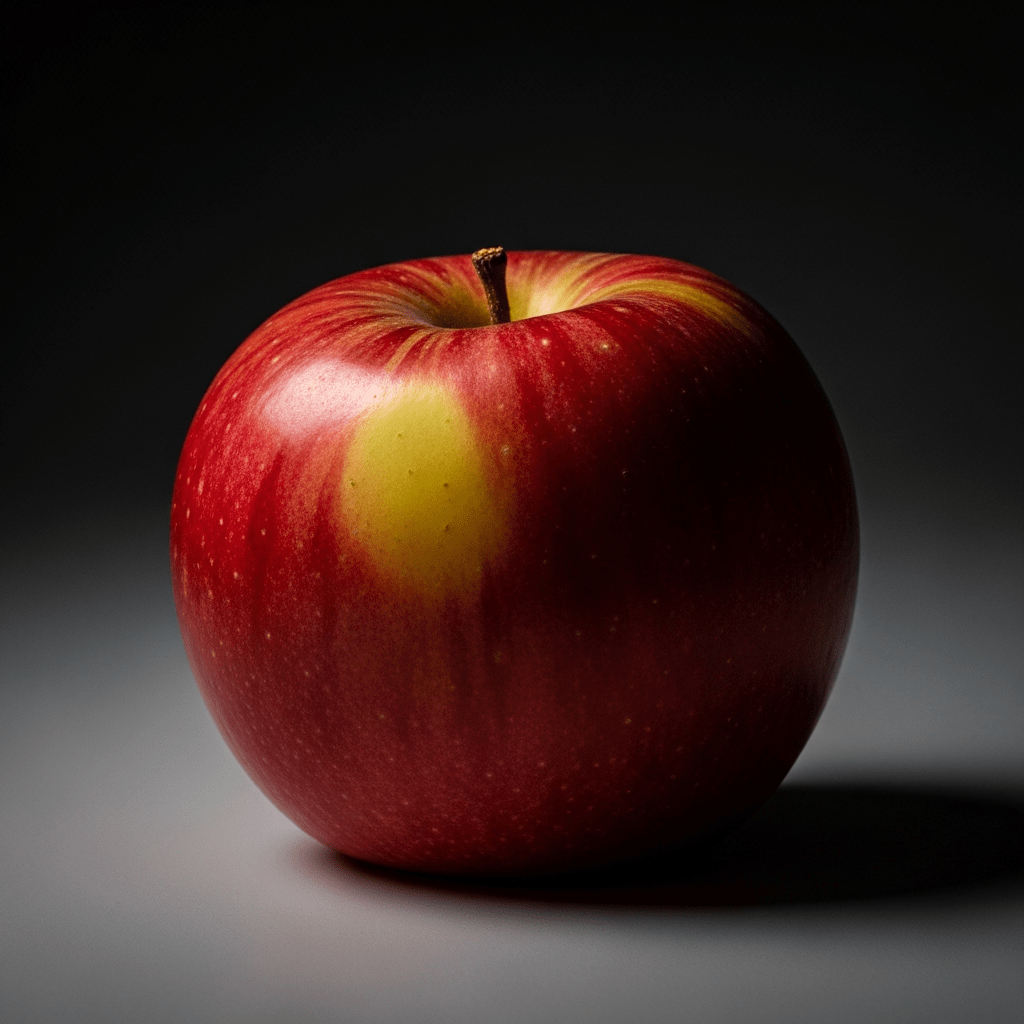
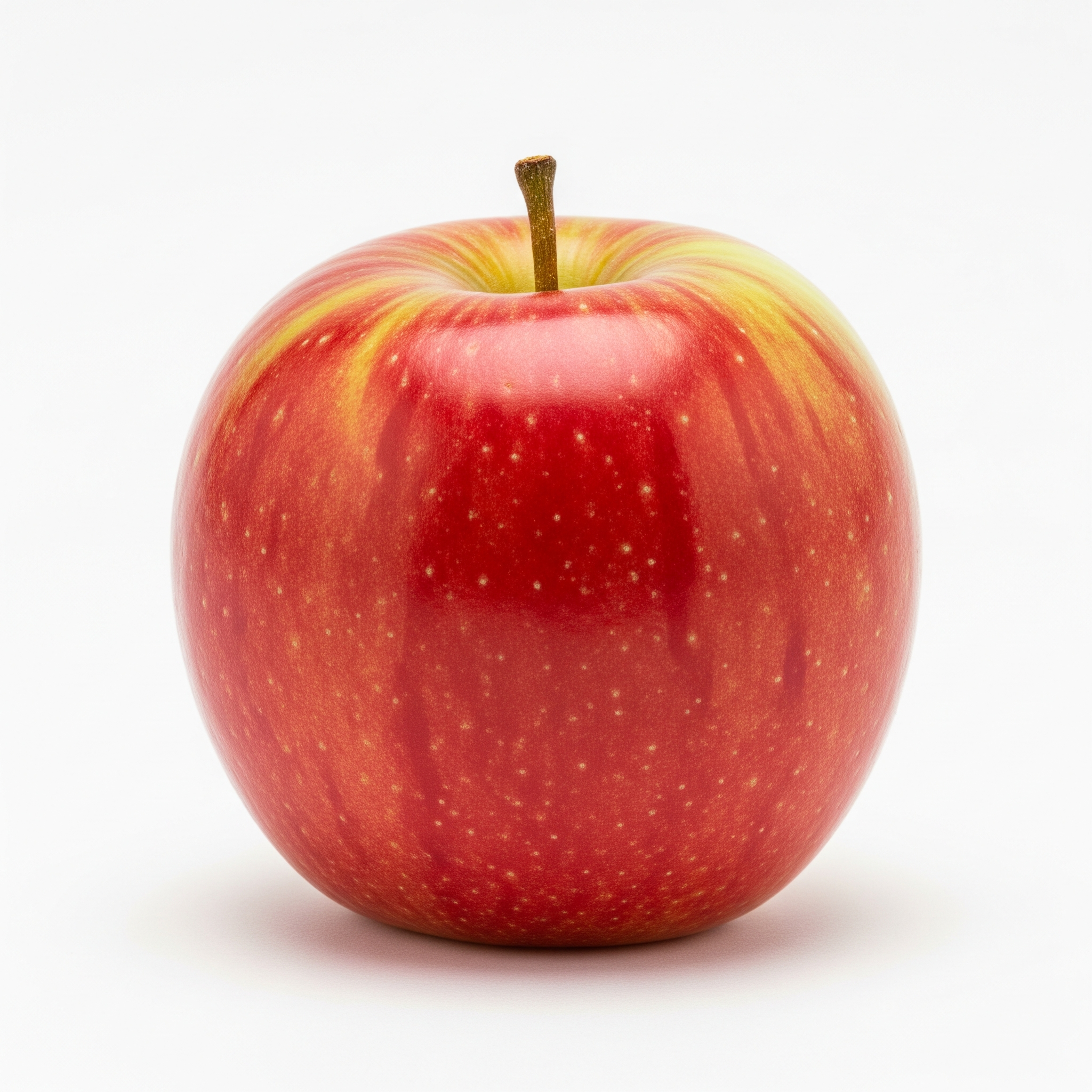
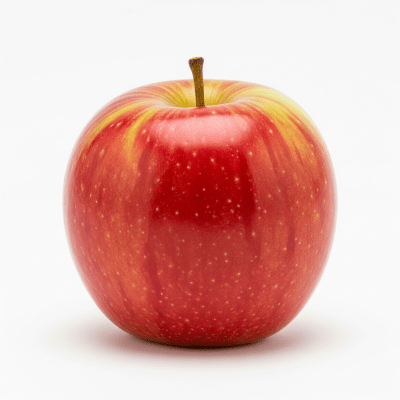
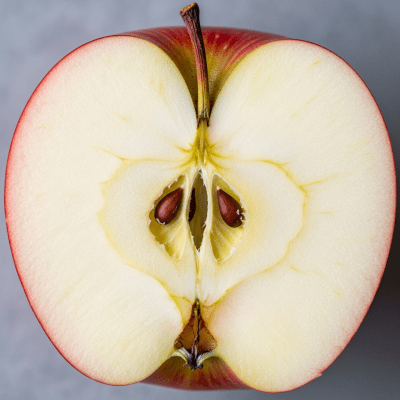
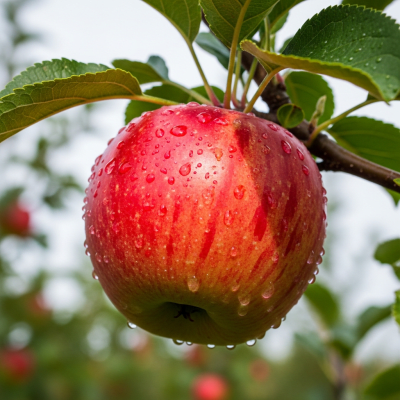
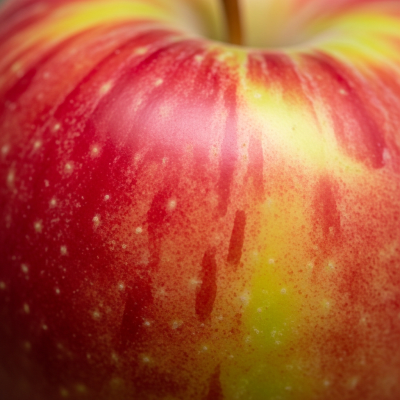
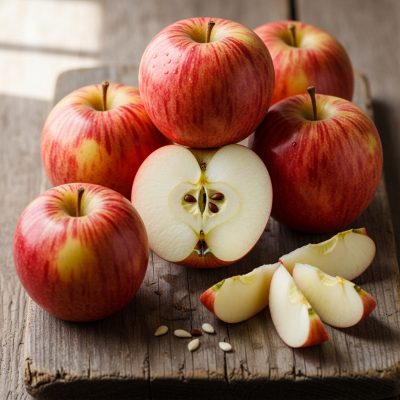
Medium to large and round to oblate in shape, 'Honeycrisp' apples are instantly recognizable by their mottled red skin layered over a yellow-green background, often adorned with a rosy blush and scattered lenticels. The flesh is pale, coarse-textured, and exceptionally juicy, offering a satisfying crunch with every bite. Its visual appeal is matched by its inviting aroma and vibrant coloration.
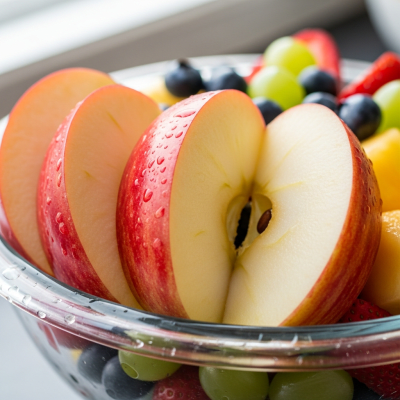
Primarily enjoyed fresh, 'Honeycrisp' is a quintessential dessert apple, ideal for snacking and salads thanks to its crispness and juiciness. Its texture holds up well in some baked dishes, though it is less commonly used for cooking or cider. The apple's ability to retain its crunch and flavor even after storage makes it a favorite among consumers and a staple in produce aisles.
Bring this kind into your world illustrated posters, mugs, and shirts.
Archival print, museum-grade paper
Buy Poster
Stoneware mug, dishwasher safe
Buy Mug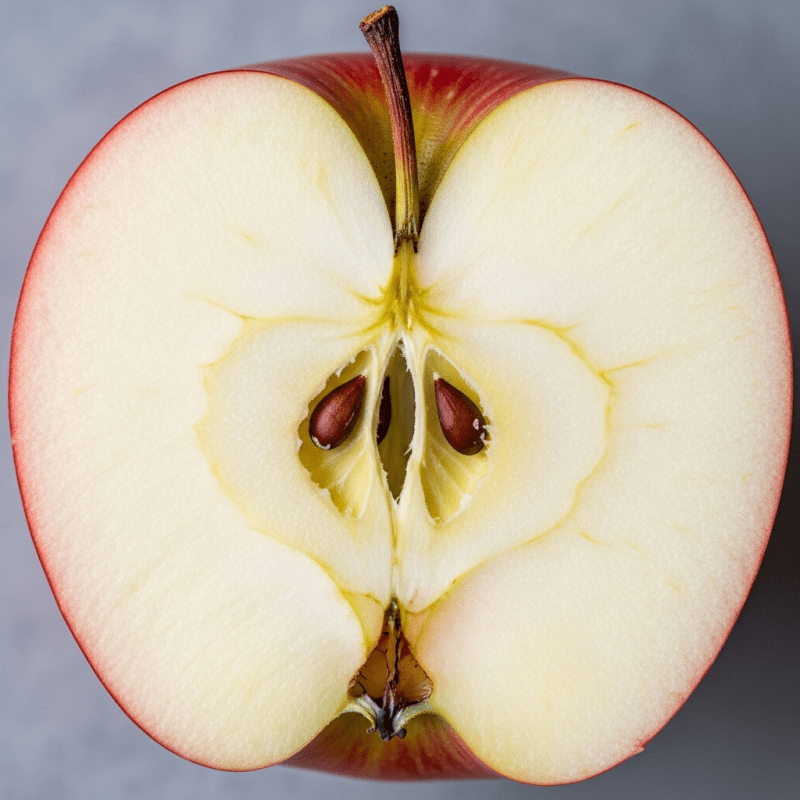
Soft cotton tee, unisex sizes
Buy Shirt'Honeycrisp' has become an icon of modern apple breeding, symbolizing the success of scientific innovation in agriculture. Its meteoric rise in popularity has influenced orchard plantings and consumer preferences across North America and beyond. The apple is often featured in media, culinary showcases, and autumnal celebrations, embodying the crisp, refreshing qualities many associate with the perfect apple.
'Honeycrisp' apples deliver a harmonious blend of sweetness and mild acidity, resulting in a refreshing, well-balanced flavor. The flesh is exceptionally juicy and coarse-textured, producing a loud, satisfying crunch with every bite. Its aroma is clean and inviting, making it a standout among dessert apples.
Initially cultivated in Minnesota, 'Honeycrisp' is now grown extensively throughout the northern United States and Canada, where its cold-hardiness is an asset. Its commercial success has led to plantings in Europe, New Zealand, and Australia, making it a truly international variety. Orchards in these regions have adapted growing practices to maximize fruit quality and yield.
'Honeycrisp' is the result of a cross between 'Keepsake' and MN1627, the latter itself a seedling of 'Northern Spy' and 'Golden Delicious'. The breeding process, conducted at the University of Minnesota, was aimed at producing apples with superior texture and cold tolerance. Some uncertainty remains in the historical records, but genetic analysis has clarified much of its lineage, underscoring the complexity and dedication behind its creation.
'Honeycrisp' is classified as common, with widespread commercial cultivation and active propagation in germplasm collections. There are no current conservation concerns, and the variety is well represented in major repositories such as the USDA National Plant Germplasm System and the British National Fruit Collection.
While 'Honeycrisp' itself is a distinct cultivar, its success has inspired the development of related varieties and hybrids. It is often compared to other popular dessert apples such as 'Gala', 'Fuji', and 'Ambrosia', and has contributed genetics to newer cultivars bred for crispness and flavor. Its influence is evident in the ongoing evolution of apple breeding worldwide.
'Honeycrisp' apples are typically harvested in early to mid-autumn, with peak availability in markets from late September through winter. Thanks to their excellent storage capacity, they remain accessible to consumers for much of the year, though the freshest and most flavorful fruit is found soon after harvest.