
Granny Smith
The Granny Smith apple is a globally recognized cultivar famed for its vibrant green skin, crisp texture, and refreshingly tart flavor.
The Granny Smith apple is a globally recognized cultivar famed for its vibrant green skin, crisp texture, and refreshingly tart flavor.
Originating in Eastwood, New South Wales, Australia, the Granny Smith apple was first propagated in the mid-19th century by Maria Ann Smith. Discovered as a chance seedling in her garden, the apple quickly gained local and then international attention for its unique qualities. Officially introduced in 1868, its name honors its founder, affectionately known as "Granny" Smith. The apple's adaptability and distinctive flavor soon led to widespread cultivation far beyond its Australian roots.
Botanically, Granny Smith belongs to the Rosaceae family, within the genus Malus and species Malus domestica. It is classified as a cultivated variety, or cultivar, and is formally recognized as 'Granny Smith' in international horticultural registries. This places it among the vast diversity of domesticated apples, distinguished by its unique genetic and sensory traits.
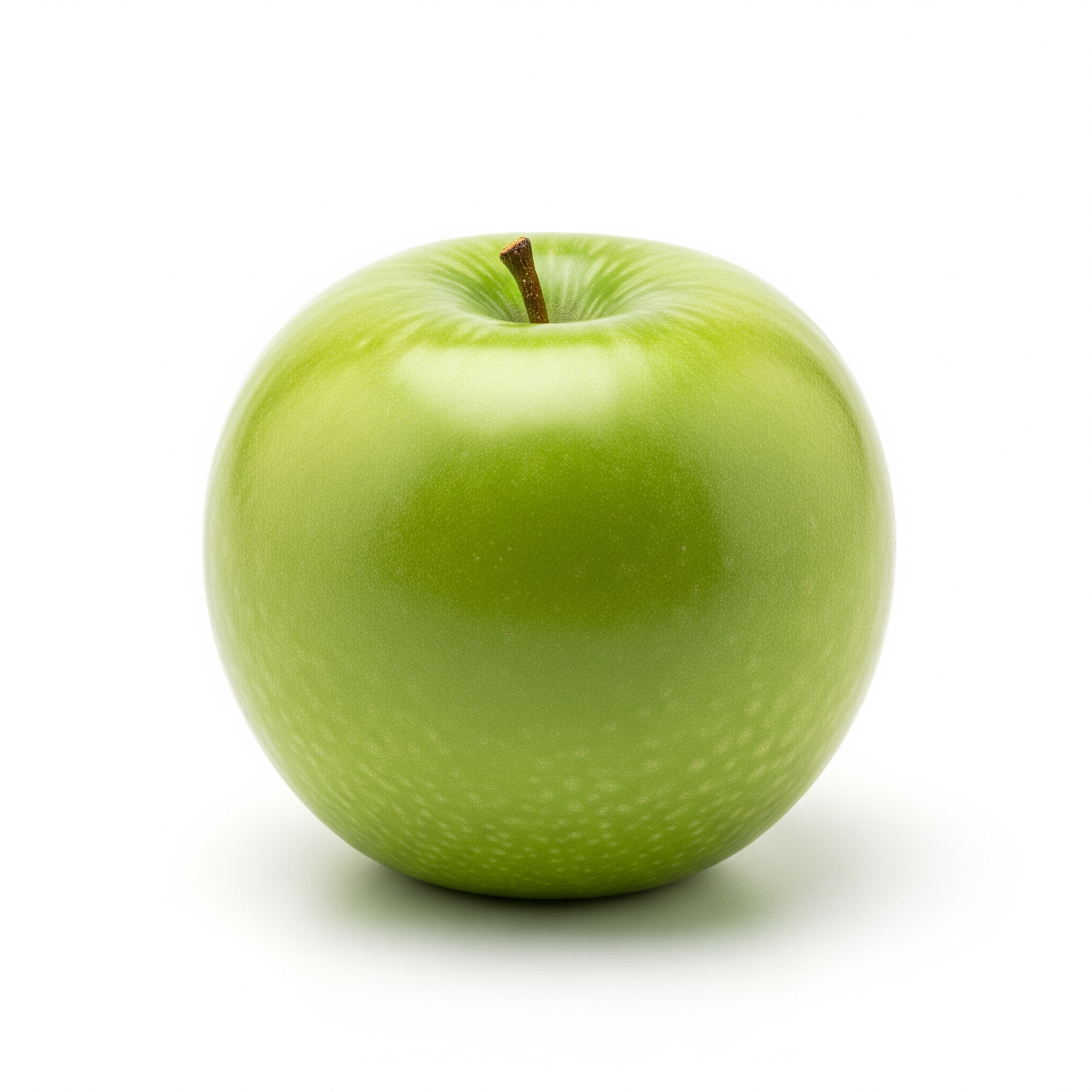
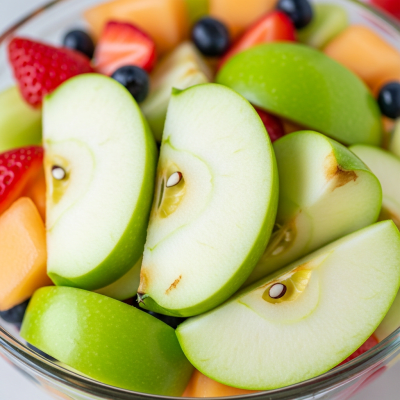
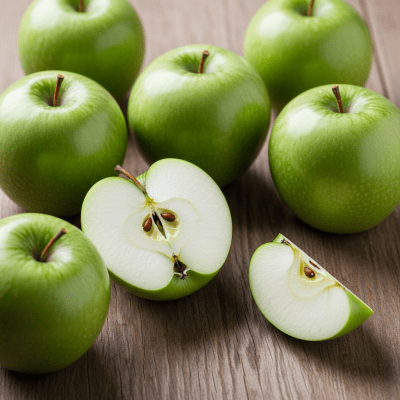
Granny Smith apples are instantly identifiable by their bright, glossy green skin, sometimes tinged with a subtle yellow blush when fully ripe. The fruit is medium to large, round to slightly conical in shape, with a smooth and waxy surface. Inside, the flesh is crisp, firm, and juicy, maintaining its structure even after cooking. The tree itself is vigorous and spreading, producing fruit late in the season.
Highly versatile, Granny Smith apples are enjoyed both fresh and cooked. Their firm texture and tartness make them ideal for baking, salads, and sauces, as well as for cider production. The apple's resistance to browning and ability to hold its shape under heat have made it a favorite for pies and tarts. Its late harvest extends its availability, and its robust storage qualities ensure that it remains a staple on supermarket shelves for months after picking.
Bring this kind into your world illustrated posters, mugs, and shirts.
Archival print, museum-grade paper
Buy Poster
Stoneware mug, dishwasher safe
Buy Mug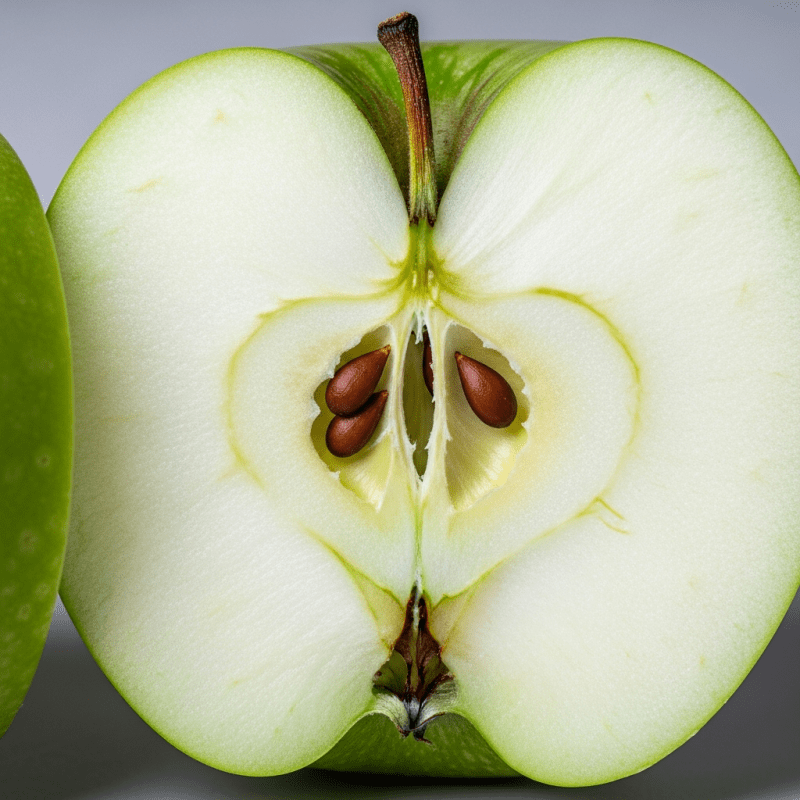
Soft cotton tee, unisex sizes
Buy ShirtThe Granny Smith apple has become an icon of modern fruit culture, symbolizing freshness and tartness in culinary arts and advertising. Its striking green color is often used in branding and design to evoke health and vitality. In Australia, the apple is a point of national pride, and the annual Granny Smith Festival in Eastwood celebrates its heritage. Globally, it is featured in recipes, art, and popular media as the quintessential green apple.
Granny Smith apples are celebrated for their sharp, tangy tartness and refreshing acidity. The flesh is crisp, juicy, and firm, offering a clean, invigorating bite. Aromatically, they are subtle, with a fresh, green scent. Their flavor remains pronounced even when cooked, making them a favorite for both snacking and culinary applications.


Originally from Australia, Granny Smith apples are now cultivated in major apple-growing regions worldwide. Significant production occurs in Australia, the United States (notably in Washington and California), South Africa, France, and Chile. Their adaptability to diverse climates and soils has contributed to their global popularity and year-round availability.
The precise parentage of Granny Smith remains a mystery. Historical accounts suggest it arose as a chance seedling, possibly from French crab apples (Malus sylvestris) and local domesticated varieties. Despite modern genetic analysis, its exact lineage has not been conclusively determined, adding to its mystique among apple cultivars.
Granny Smith is classified as a common and widely grown cultivar, with no current conservation concerns. Its genetic resources are well maintained in international germplasm collections, ensuring its continued availability for growers and breeders.
While Granny Smith is itself a notable variety, it stands alongside other famous cultivars such as 'Golden Delicious', 'Fuji', and 'Honeycrisp'. Each brings unique flavors and textures to the apple family, but Granny Smith remains unmatched for its tartness and vibrant green color, making it a staple in both orchards and kitchens worldwide.
Granny Smith apples are typically harvested late in the season, often from late autumn into early winter depending on the region. Thanks to their superior storage properties and global cultivation, they are available in markets year-round, with peak freshness in the months following harvest.