Golden Delicious
Golden Delicious is a globally renowned apple cultivar prized for its sweet flavor, crisp texture, and versatility in both fresh eating and cooking.
Golden Delicious is a globally renowned apple cultivar prized for its sweet flavor, crisp texture, and versatility in both fresh eating and cooking.
Discovered as a chance seedling in 1914 on the Mullins family farm in Clay County, West Virginia, USA, Golden Delicious quickly rose to prominence after its commercial introduction by Stark Brothers Nurseries. Its origins are rooted in the rich apple-growing traditions of Appalachia, and despite its humble beginnings, it has become one of the most widely cultivated apples in the world.
Golden Delicious belongs to the family Rosaceae, genus Malus, and species Malus domestica. As a cultivar, it is formally recognized as Malus domestica 'Golden Delicious', and is registered in major international plant databases and germplasm collections.
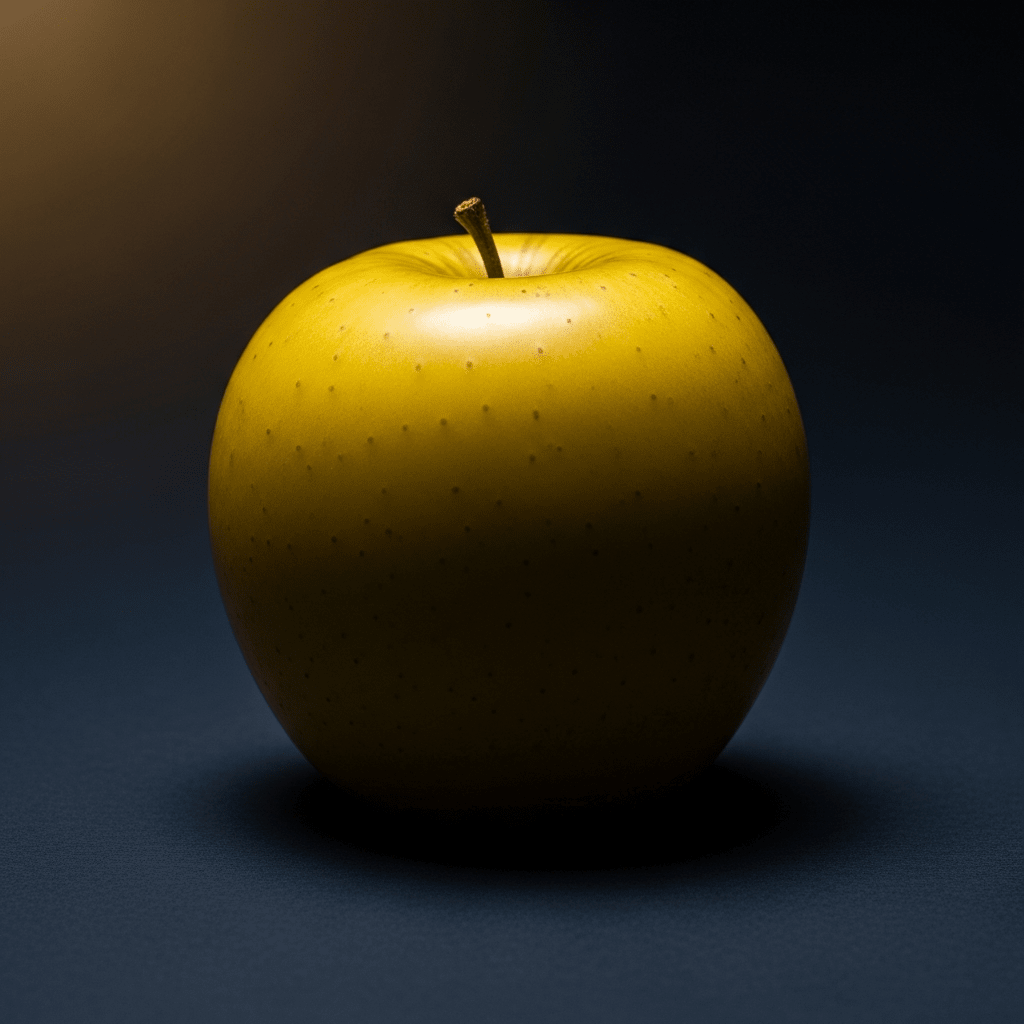
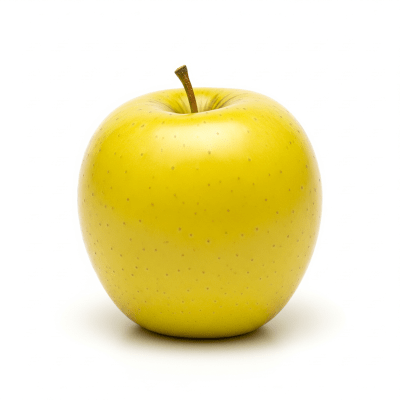
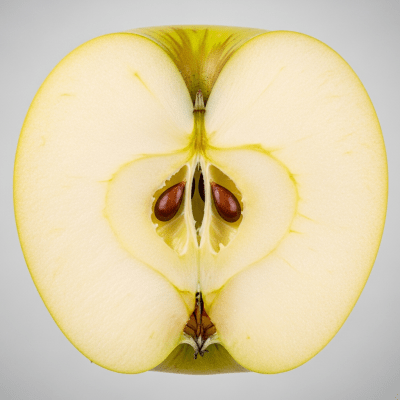
This apple is medium to large, with a conical to oblong shape. Its smooth skin transitions from pale green to a rich golden yellow at full ripeness, often accented by subtle russeting near the stem. The flesh is pale cream, crisp, and juicy, complemented by a thin, tender skin that enhances its appeal for fresh consumption.
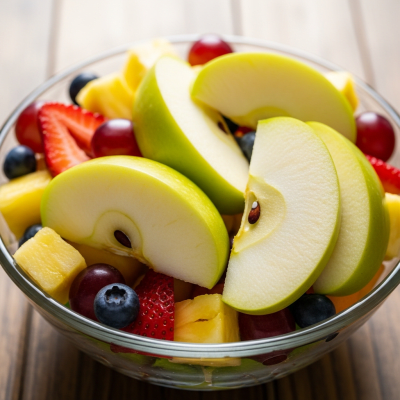
Golden Delicious is celebrated for its dual-purpose utility: it excels both as a dessert apple for snacking and as a cooking apple in pies, sauces, and salads. Its balanced sweetness and mild acidity make it a favorite in kitchens worldwide, and it is occasionally used in cider production. The apple's thin skin and tender texture further boost its popularity for fresh eating.
Bring this kind into your world illustrated posters, mugs, and shirts.
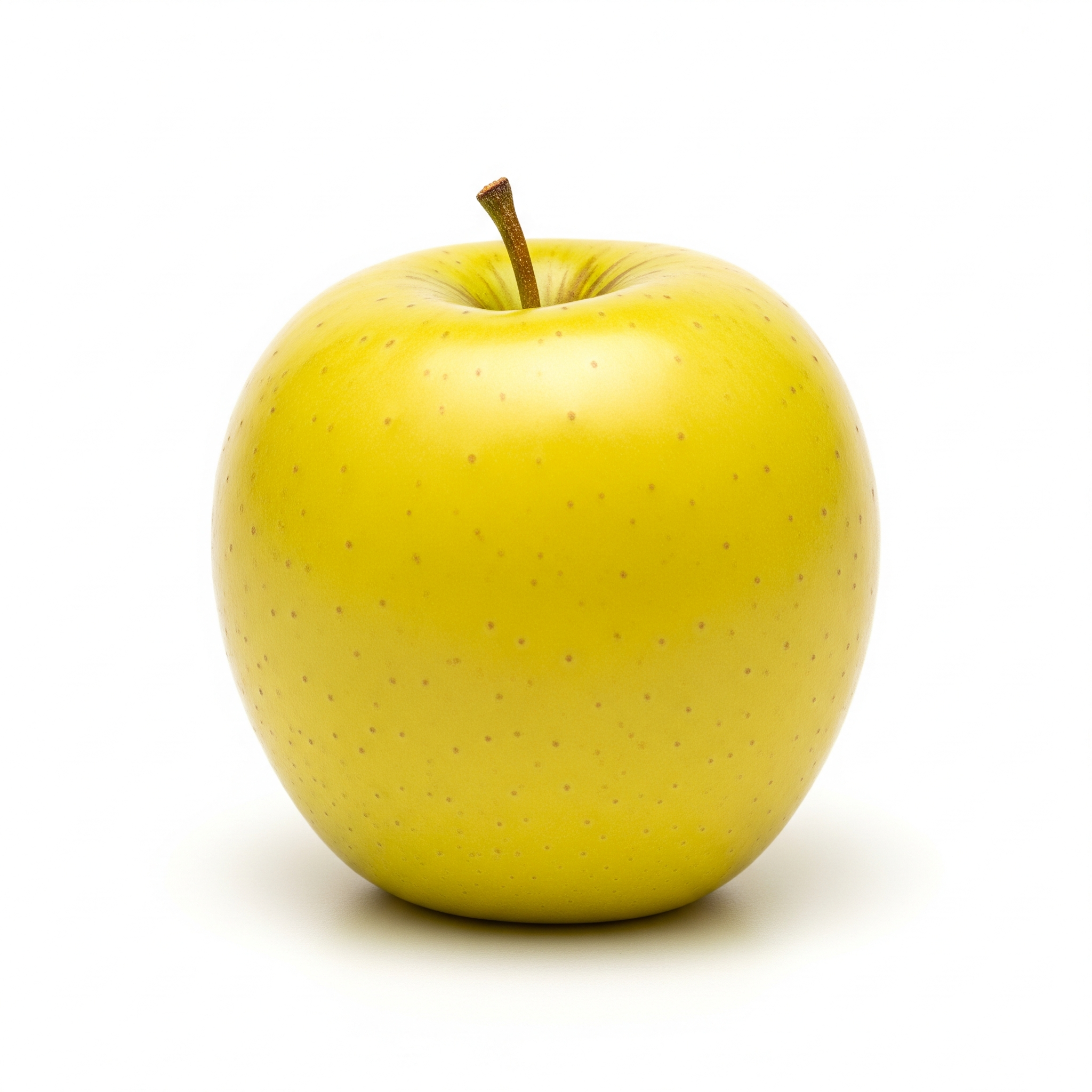
Archival print, museum-grade paper
Buy Poster
Stoneware mug, dishwasher safe
Buy Mug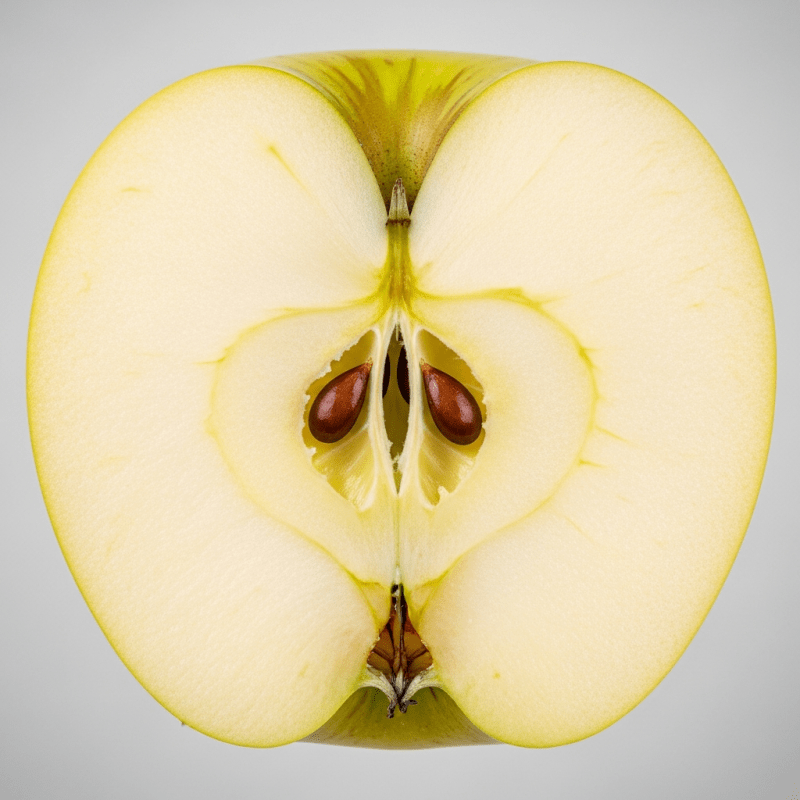
Soft cotton tee, unisex sizes
Buy ShirtGolden Delicious has become an iconic apple in popular culture, often symbolizing wholesome sweetness and American agricultural heritage. Its image frequently appears in advertising, cookbooks, and educational materials, and it has played a central role in the development of numerous modern apple varieties. The cultivar’s widespread cultivation reflects its enduring influence on global apple consumption and breeding.
Golden Delicious offers a harmonious blend of sweetness and mild acidity, with a juicy, crisp bite. Its aroma is delicate and inviting, while the thin skin and tender flesh provide a pleasant mouthfeel. The flavor is mellow yet distinctive, making it appealing for both fresh eating and culinary applications.
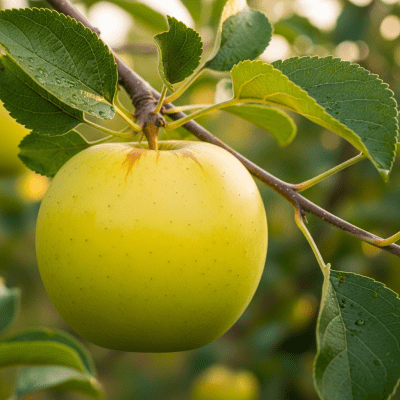

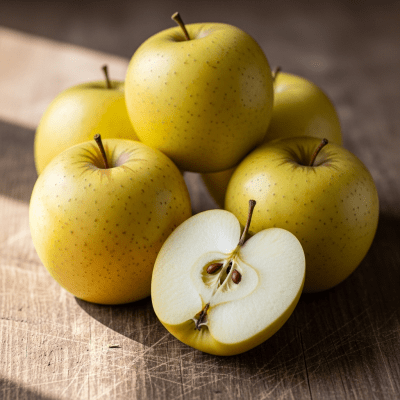
Golden Delicious is cultivated extensively in the United States, especially in apple-producing states like Washington and West Virginia. Its adaptability has led to widespread cultivation across Europe, including France, Italy, and Spain, as well as in other apple-growing regions worldwide. The cultivar thrives in temperate climates and is a staple in commercial orchards globally.
The parentage of Golden Delicious remains a botanical mystery. It is believed to be a chance seedling, possibly from 'Grimes Golden' and an unknown pollen parent, but genetic studies have not definitively confirmed its lineage. Despite this uncertainty, Golden Delicious has played a pivotal role in apple breeding, serving as a parent to many popular modern cultivars.
Golden Delicious is classified as common, with no current conservation concerns. It is widely grown and maintained in orchards and germplasm repositories, ensuring its continued availability for both commercial and breeding purposes.
Golden Delicious is renowned not only for its own qualities but also as a progenitor of many notable apple varieties. Descendants include 'Gala', 'Jonagold', and 'Mutsu', each inheriting aspects of Golden Delicious’s sweetness and texture. Its influence extends across both heritage and modern cultivars, shaping the landscape of apple diversity.
Golden Delicious is typically harvested in early to mid-autumn, with peak availability in markets from late September through winter. Thanks to its excellent storage qualities, it remains accessible to consumers well beyond the harvest season.