Ginger Gold
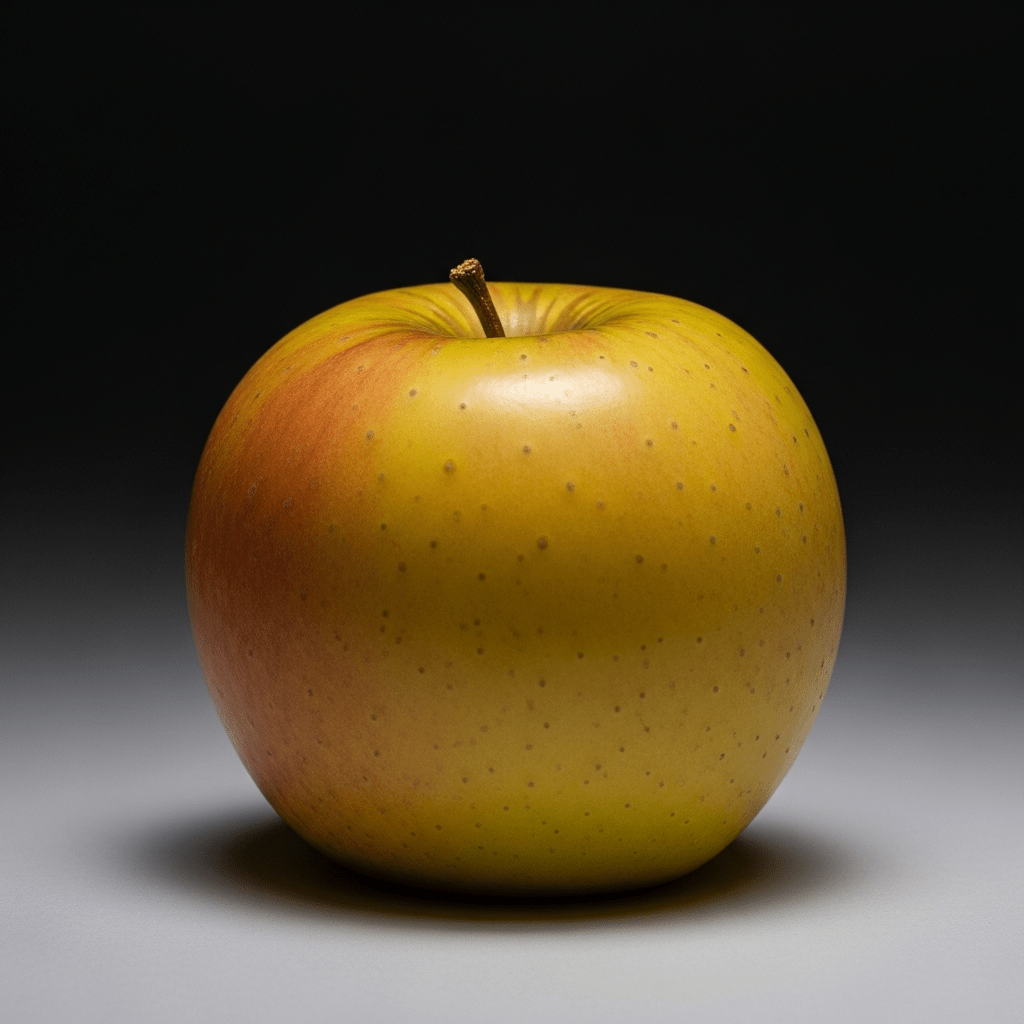
Ginger Gold is an early-season dessert apple prized for its crisp texture, pale yellow skin, and mild, sweet flavor—making it one of the first fresh apples available each year in North America.
Ginger Gold is an early-season dessert apple prized for its crisp texture, pale yellow skin, and mild, sweet flavor—making it one of the first fresh apples available each year in North America.
Ginger Gold originated in Nelson County, Virginia, United States, discovered in the 1960s as a chance seedling in the Harvey family orchard after a devastating flood. Named for Frances "Ginger" Harvey, the apple was propagated and introduced commercially in 1980, quickly gaining favor for its early ripening and attractive appearance. Today, it remains closely associated with its Virginia roots and the story of resilience that brought it to market.
Botanically, Ginger Gold belongs to the family Rosaceae, genus Malus, species Malus domestica, and is classified as a cultivated variety (cultivar). Within the apple taxonomy, it is primarily grouped as a dessert apple, though it is occasionally used for cooking and salads due to its firm flesh and resistance to browning. Its classification is recognized by leading authorities such as the USDA National Plant Germplasm System and the American Pomological Society.
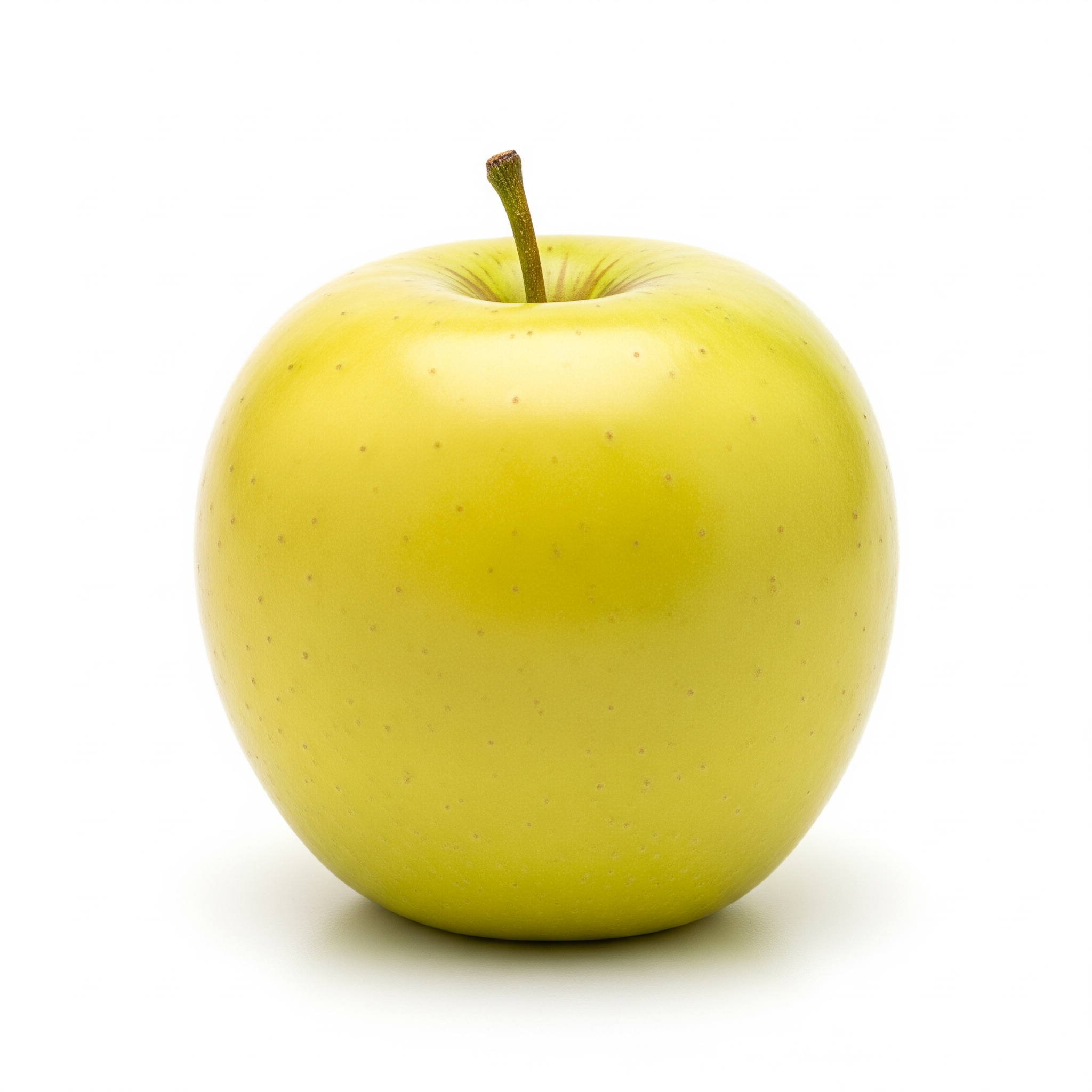
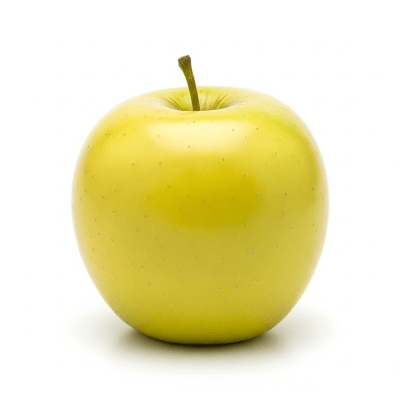
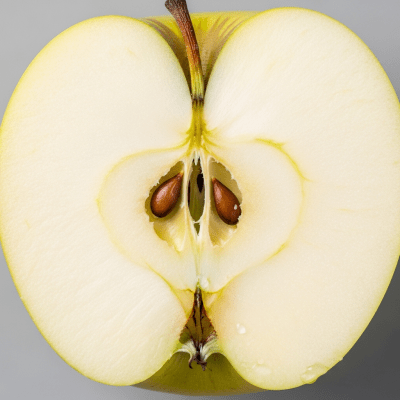
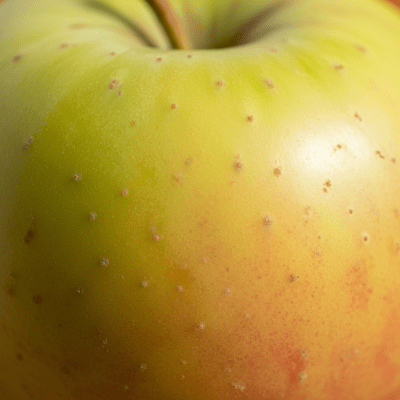
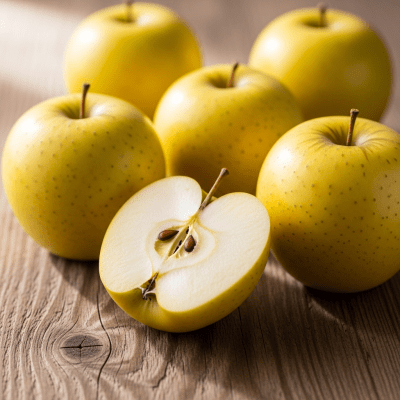
Ginger Gold apples are medium to large, with smooth, pale yellow to light green skin that may show a faint blush. The flesh is cream-colored, crisp, and juicy, offering a subtle sheen when cut. Its attractive color and uniform shape make it visually appealing in markets and fruit bowls. The apple’s resistance to browning ensures slices remain fresh-looking in salads and displays.
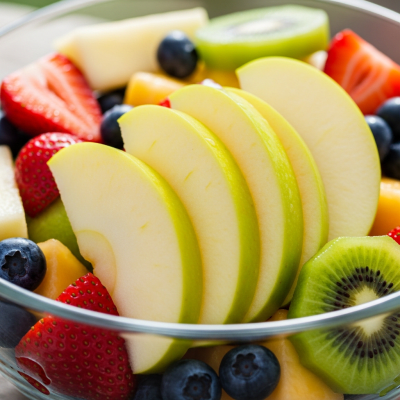
Primarily enjoyed fresh, Ginger Gold is favored for snacking, salads, and fruit platters thanks to its crisp texture and mild sweetness. Its early harvest makes it a popular choice for consumers seeking apples at the start of the season. The apple’s firm flesh also lends itself to light cooking and baking, holding its shape well in pies and tarts. Commercial growers appreciate its productivity and precocity, while home gardeners value its reliable yield and disease resistance.
Bring this kind into your world illustrated posters, mugs, and shirts.
Archival print, museum-grade paper
Buy Poster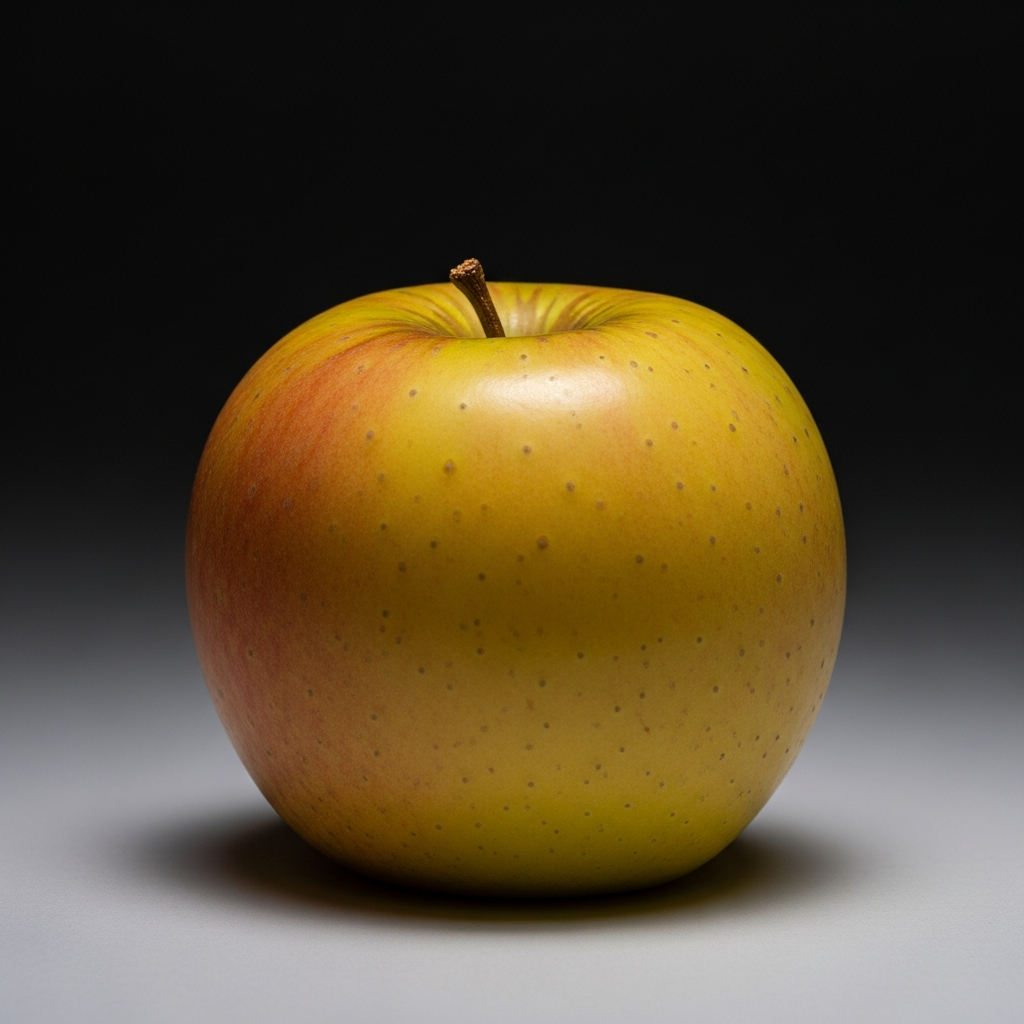
Stoneware mug, dishwasher safe
Buy Mug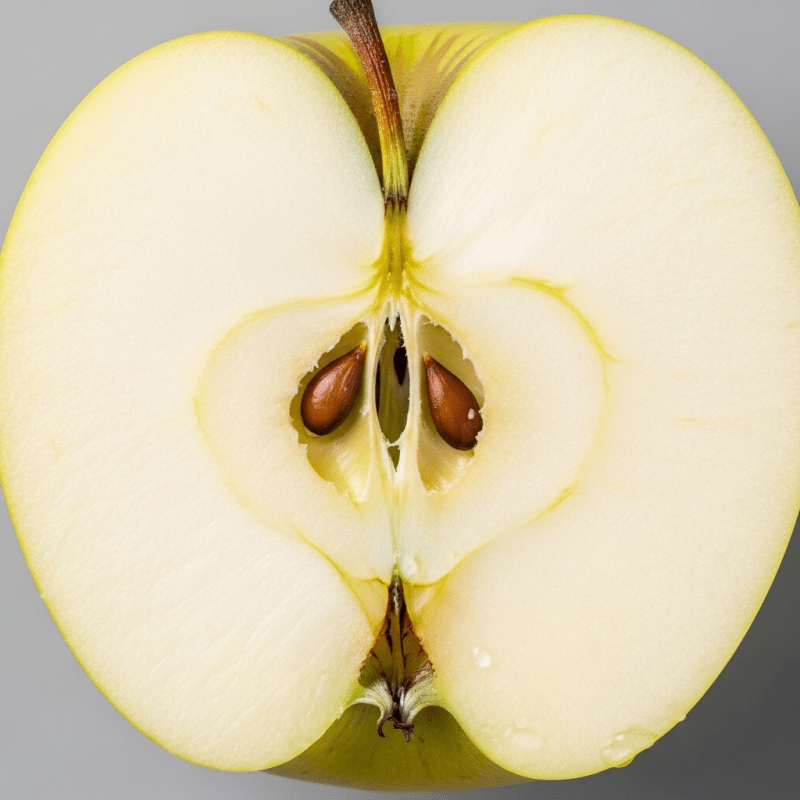
Soft cotton tee, unisex sizes
Buy ShirtWhile Ginger Gold does not feature prominently in folklore or art, its story is emblematic of American agricultural resilience. The apple’s discovery following a flood and its naming in honor of Frances "Ginger" Harvey highlight the personal connections often found in fruit cultivation. As one of the first apples of the season, Ginger Gold has become a symbol of summer’s end and the anticipation of autumn harvests in many eastern U.S. communities.
Ginger Gold apples deliver a mild, sweet flavor with gentle tart undertones. The cream-colored flesh is crisp and juicy, providing a refreshing bite. Its subtle aroma and resistance to browning make it especially appealing for fresh eating and salads. Unlike some early apples, Ginger Gold maintains a pleasant balance of sweetness and acidity, without overpowering sharpness.
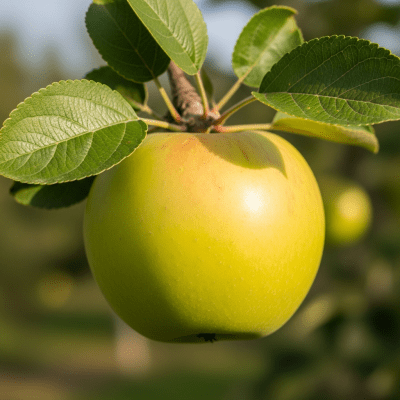
Ginger Gold is predominantly cultivated in the eastern United States, especially Virginia, Pennsylvania, and New York. It is also grown in other temperate regions of North America where early-season apples are valued. Its adaptability and productivity have made it a favorite among growers seeking reliable yields and early market fruit.
The genetic lineage of Ginger Gold is partially documented. It is believed to be a seedling of 'Golden Delicious', with possible genetic contributions from 'Albemarle Pippin' and 'Grimes Golden'. The original seedling arose as a chance cross, and while genetic studies suggest these parent varieties, the full ancestry remains uncertain. Ginger Gold’s breeding story highlights the role of serendipity and natural selection in apple cultivation.
Ginger Gold is classified as common and widely cultivated, with no current conservation concerns. It is maintained in major germplasm repositories such as the USDA National Plant Germplasm System and the British National Fruit Collection, ensuring its ongoing availability for growers and researchers.
While Ginger Gold itself is a notable early-season variety, it shares the apple stage with other famous cultivars such as 'Golden Delicious', 'Grimes Golden', and 'Albemarle Pippin'—all believed to contribute to its lineage. These apples have shaped the landscape of American apple growing and continue to influence breeding and selection for new cultivars.
Ginger Gold is harvested from late July through early August, making it one of the first apples available each season in North American markets. Its early arrival bridges the gap between summer fruits and the main apple harvest, offering fresh, local apples at a time when few other varieties are ready.