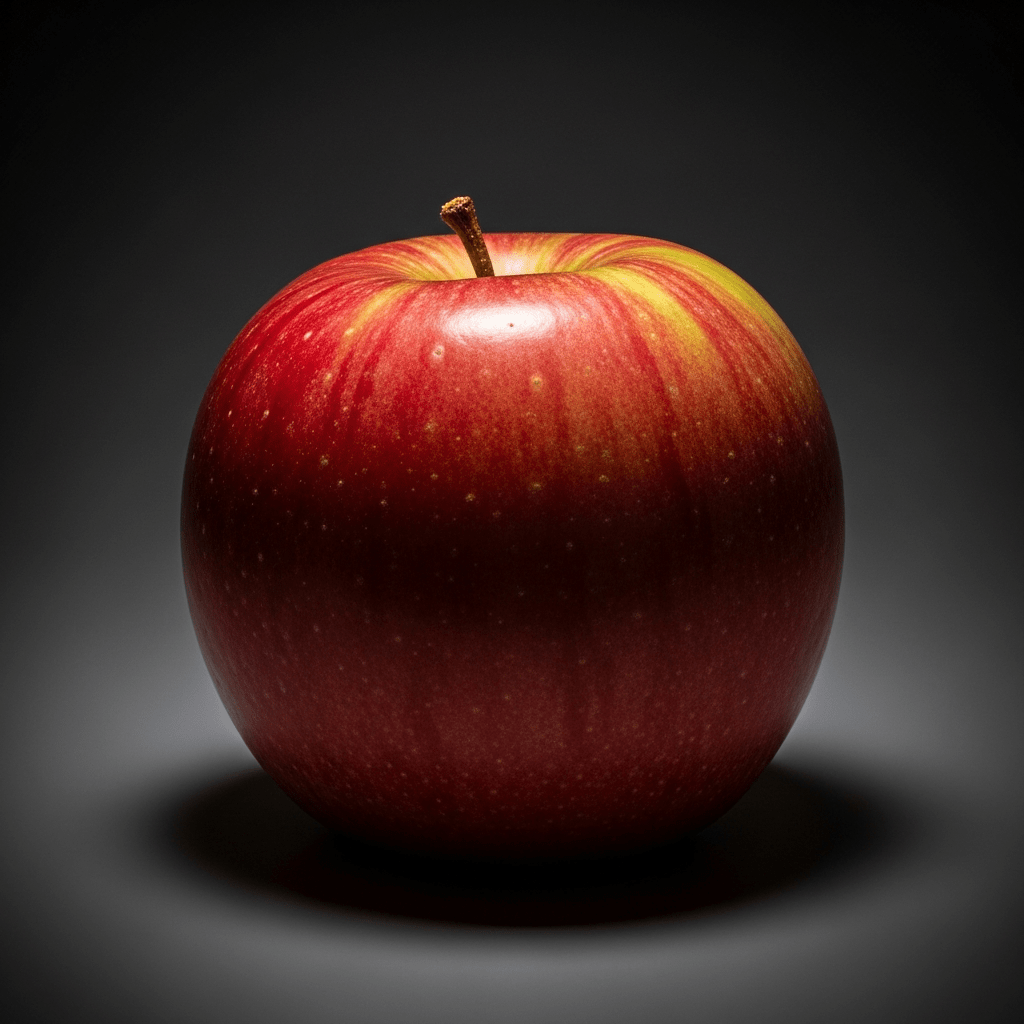
Fuji
Fuji is a globally popular dessert apple celebrated for its exceptional sweetness, crisp texture, and remarkable storage life.
Fuji is a globally popular dessert apple celebrated for its exceptional sweetness, crisp texture, and remarkable storage life.
Developed in Japan at the Tohoku Research Station in Fujisaki, Aomori Prefecture, Fuji apples originated from a deliberate breeding program in the late 1930s. The cultivar was officially released to the public in 1962, quickly gaining favor for its superior fruit quality and adaptability. Its name pays homage to both its Japanese roots and the iconic Mount Fuji, symbolizing the apple's national significance and global aspirations.
Fuji is a cultivated variety of the domesticated apple, classified botanically as Malus domestica 'Fuji'. It belongs to the family Rosaceae and the genus Malus. As a cultivar, Fuji is part of a vast and diverse group of apples bred for specific traits, and it is recognized in international registries and horticultural collections worldwide.
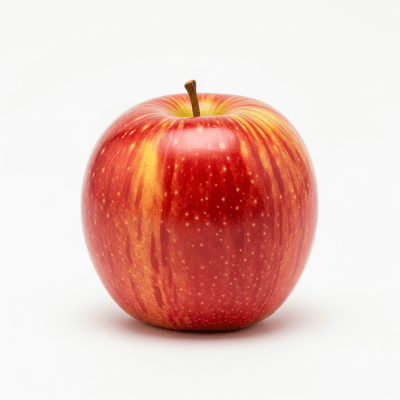
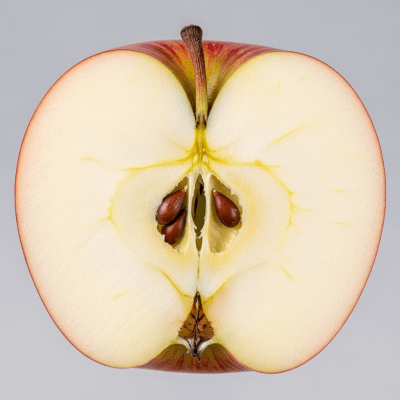
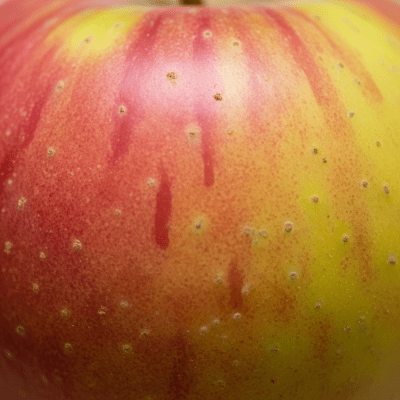
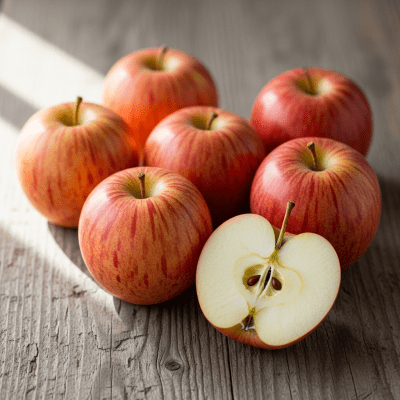
Fuji apples are medium to large, with a round to slightly oblate shape. Their skin is predominantly red, often streaked or mottled with yellow-green patches and dotted with dense lenticels. The flesh is pale cream to yellow, exceptionally crisp and juicy, offering a satisfying crunch with every bite. The apple's visual appeal is matched by its inviting aroma and glossy finish.
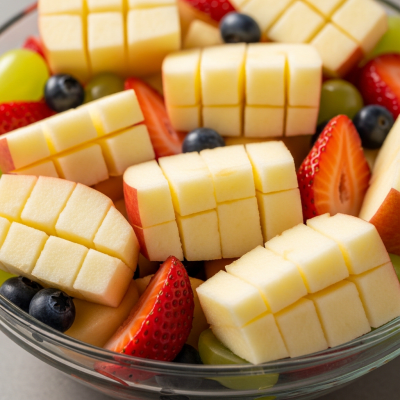
Primarily enjoyed fresh as a dessert apple, Fuji is prized for snacking thanks to its sweetness and crunch. It also performs well in salads, baking, and light cooking, where its firm texture holds up under heat. While not a traditional choice for cider due to its low acidity, Fuji's versatility and broad appeal make it a staple in fruit bowls and lunchboxes around the world.
Bring this kind into your world illustrated posters, mugs, and shirts.

Archival print, museum-grade paper
Buy Poster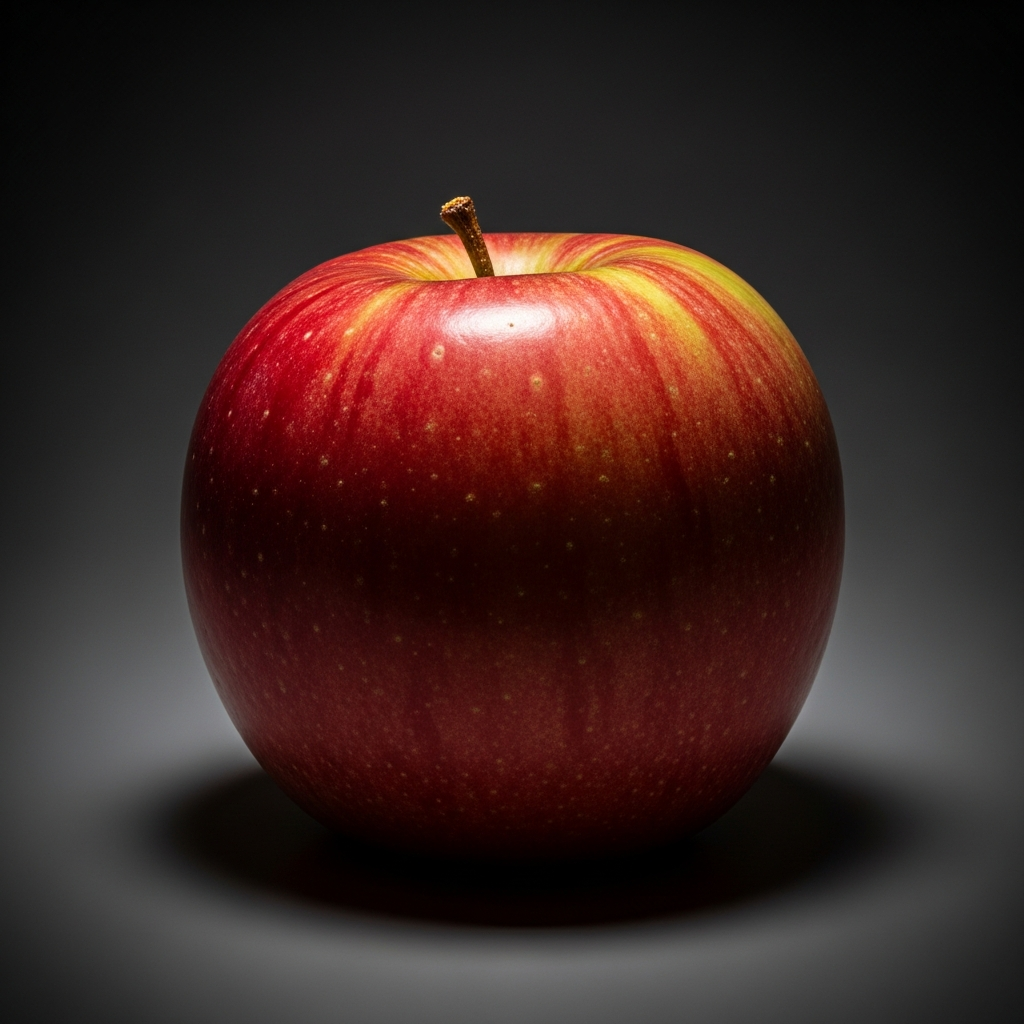
Stoneware mug, dishwasher safe
Buy Mug
Soft cotton tee, unisex sizes
Buy ShirtFuji apples embody a successful fusion of Japanese horticultural innovation and global consumer taste. In Japan, they are a point of national pride, often given as gifts and featured in seasonal festivals. Internationally, Fuji has become synonymous with quality and sweetness, influencing apple breeding programs and shaping market preferences in Asia, North America, and beyond.
Fuji apples are renowned for their pronounced sweetness, mild honeyed flavor, and very low acidity. The flesh is exceptionally crisp and juicy, delivering a refreshing crunch and a clean, lingering finish. Their aroma is subtle and inviting, making them especially appealing for fresh eating.
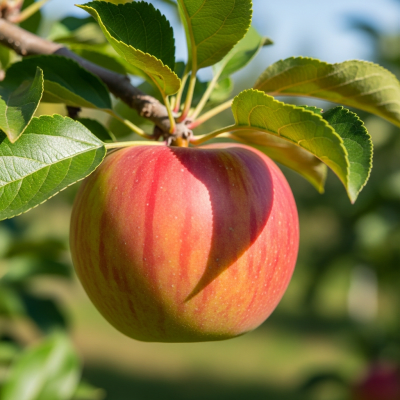
Fuji apples are cultivated on a global scale. Major growing regions include Japan (notably Aomori Prefecture), China (the world's largest producer), the United States (with Washington State as a leading area), as well as Australia and New Zealand. Their adaptability to various climates has fueled their widespread adoption by commercial orchards worldwide.
Fuji was bred by crossing 'Ralls Janet' (also known as 'Virginia Ralls Genet') with 'Red Delicious'. This deliberate hybridization aimed to combine the crispness and storage life of its parents with enhanced sweetness and consumer appeal. The resulting cultivar was selected for its superior fruit quality and resistance to bruising, though it remains susceptible to some diseases such as fire blight and powdery mildew.
Fuji is classified as a common and widely cultivated apple variety. It is maintained in major germplasm repositories and commercial orchards across the globe, with no current conservation concerns.
While Fuji itself is a distinct cultivar, its success has inspired the development of related strains and sports, such as 'Nagafu' and 'Yataka Fuji', which offer variations in color and harvest time. Fuji stands alongside other renowned apples like 'Gala', 'Honeycrisp', and 'Granny Smith' as a benchmark for quality and consumer preference.
Fuji apples are typically harvested in late autumn, with peak availability from October through March in the Northern Hemisphere. Thanks to their excellent storage properties, they are available in markets year-round, maintaining quality long after harvest.