Enterprise
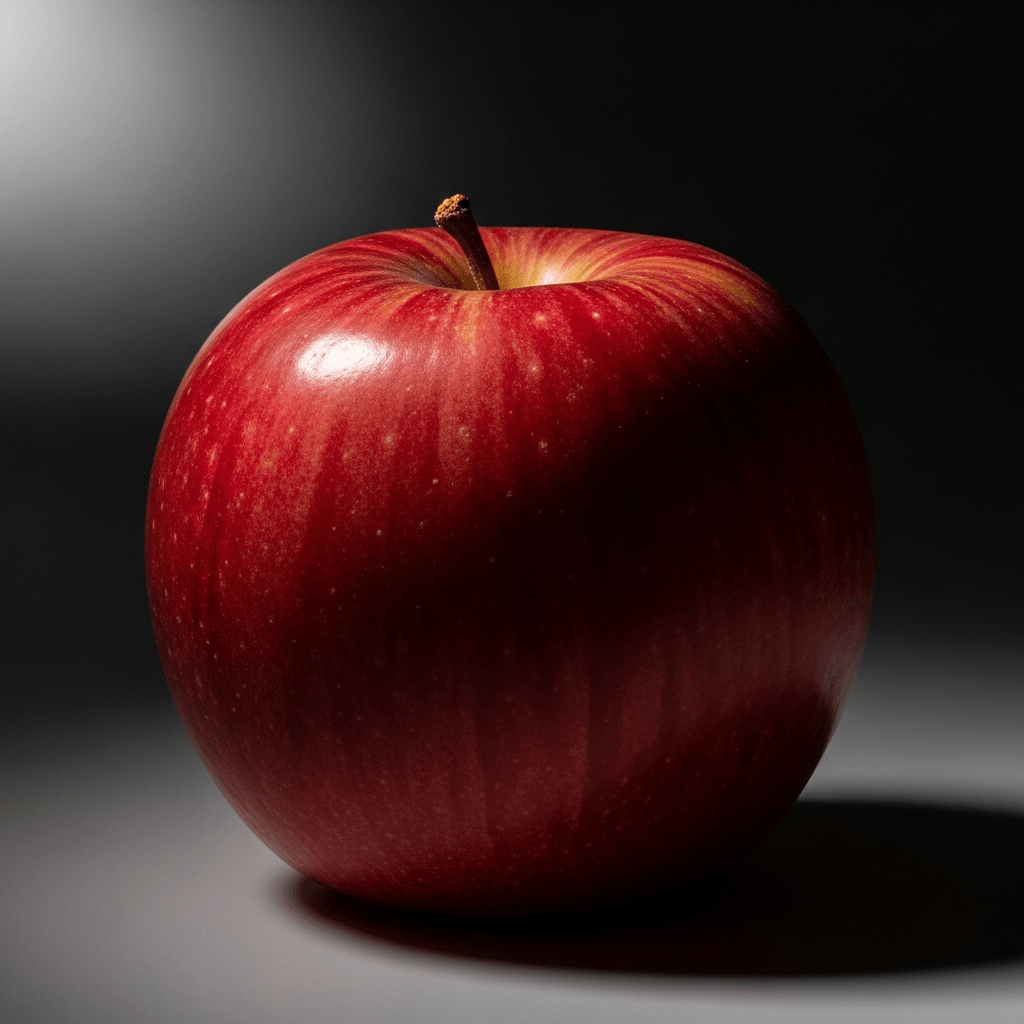
Enterprise is a modern American apple cultivar prized for its disease resistance, crisp texture, and balanced flavor, making it a standout choice for both fresh eating and storage.
Enterprise is a modern American apple cultivar prized for its disease resistance, crisp texture, and balanced flavor, making it a standout choice for both fresh eating and storage.
The Enterprise apple originated in the United States, developed by the collaborative PRI apple breeding program—an effort between Purdue University, Rutgers University, and the University of Illinois. Released in 1994, Enterprise was bred to combine high fruit quality with robust resistance to major apple diseases, addressing the needs of growers seeking reliable, low-input varieties. Its pedigree draws on a lineage of classic apples and disease-resistant wild species, reflecting decades of targeted scientific breeding in the Midwest and Northeast.
Botanically, Enterprise belongs to the Rosaceae family, within the genus Malus and species Malus domestica. It is classified as a dessert apple cultivar, but its versatility extends to cooking and cider. Enterprise is registered under the International Code of Nomenclature for Cultivated Plants (ICNCP), with no significant synonyms or regional variants documented.
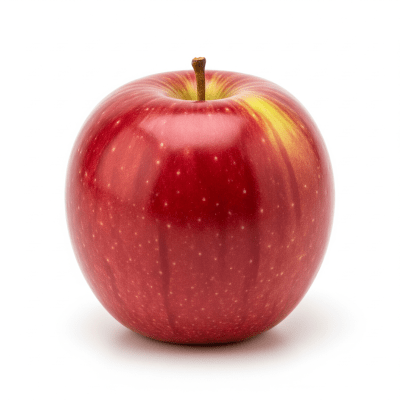
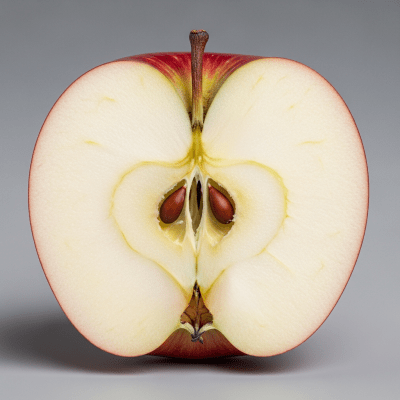
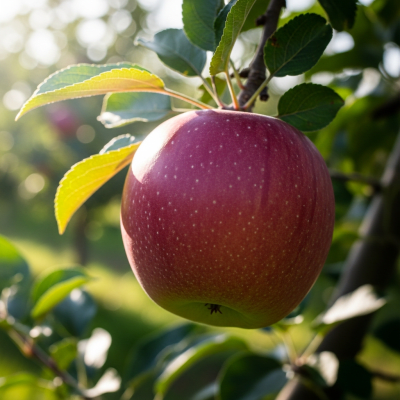
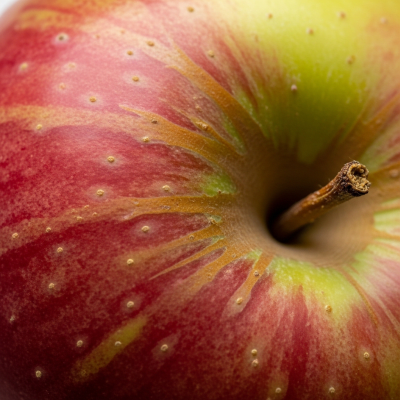
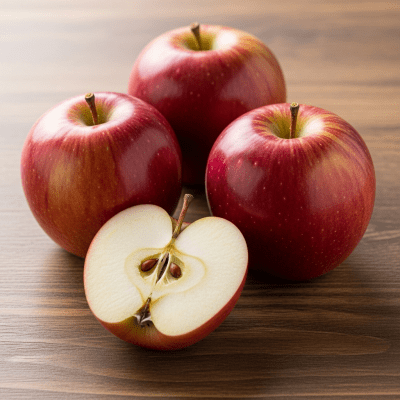
Enterprise apples are medium to large, round to slightly oblate in shape. Their skin is a deep, glossy red, sometimes accented with yellow or green undertones. The flesh is cream-colored, firm, and notably crisp. When stored, Enterprise may develop a harmless waxy bloom that can be polished away, maintaining its attractive finish and inviting appearance.
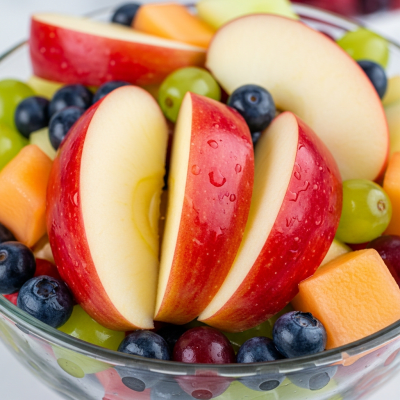
Enterprise is primarily enjoyed as a fresh dessert apple, thanks to its appealing texture and flavor. Its firmness and mild tartness also make it suitable for baking and cooking, where it holds shape well. The apple’s extended storage life—often up to six months—makes it a favorite for both commercial growers and home orchardists. Its natural disease resistance reduces the need for chemical sprays, supporting organic and low-input cultivation practices.
Bring this kind into your world illustrated posters, mugs, and shirts.

Archival print, museum-grade paper
Buy Poster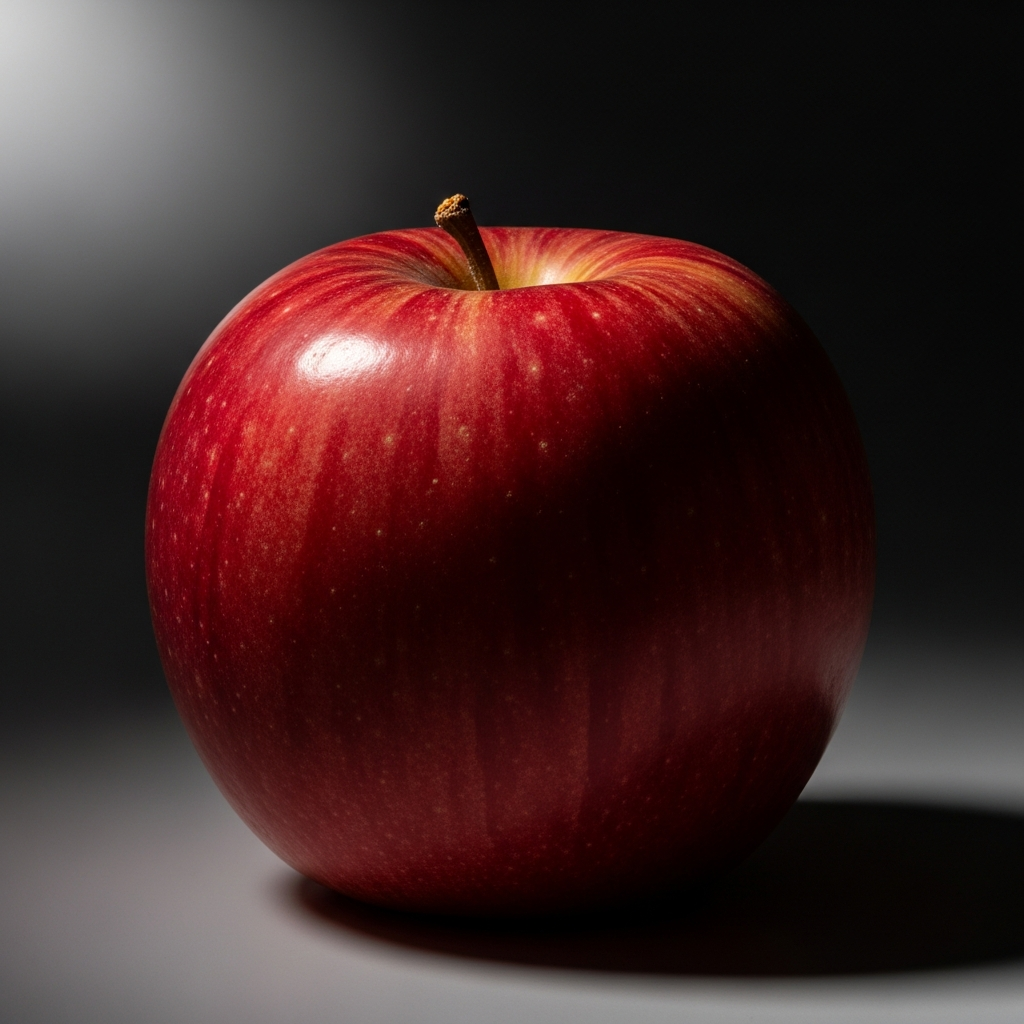
Stoneware mug, dishwasher safe
Buy Mug
Soft cotton tee, unisex sizes
Buy ShirtWhile Enterprise does not have deep historical roots or folkloric associations, it represents a new era in apple breeding focused on sustainability and health. Its development by public universities and adoption by organic growers highlight the evolving priorities of modern agriculture, emphasizing disease resistance and consumer-friendly traits. Enterprise’s success in American orchards reflects the broader shift toward environmentally conscious fruit production.
Enterprise offers a mildly tart flavor, balanced with gentle sweetness. The cream-colored flesh is crisp and firm, retaining its texture even after months of storage. Its aroma is fresh and inviting, making it enjoyable both as a snack and in culinary applications.
Enterprise is primarily cultivated in the United States, with significant plantings in the Midwest and Northeast. Its disease resistance and adaptability have led to its popularity among commercial growers and home orchardists in regions where apple scab and other diseases are prevalent.
Enterprise was bred from a cross between 'PRI 1661-2' and 'PRI 1878-2', both complex hybrids developed for disease resistance. Its lineage includes classic apples such as 'Rome Beauty', 'Golden Delicious', 'McIntosh', and 'Starking Delicious', as well as the wild species Malus floribunda. The breeding program aimed to create a cultivar with high fruit quality and durable resistance to apple scab and other major diseases.
Enterprise is considered a common cultivar in the United States, readily available from nurseries and maintained in major germplasm repositories such as the USDA National Plant Germplasm System. There are no current conservation concerns or indications of rarity.
While Enterprise itself is a notable modern variety, its breeding program shares lineage with other distinguished disease-resistant apples such as 'GoldRush', 'Pristine', and 'Liberty'. These cultivars, like Enterprise, have contributed to the advancement of sustainable apple production and broadened choices for growers and consumers alike.
Enterprise apples are typically harvested in the late fall, with peak availability in markets from autumn through spring. Thanks to their exceptional storage capacity, they remain fresh and enjoyable for several months after harvest, extending their presence well into the following year.