Empire
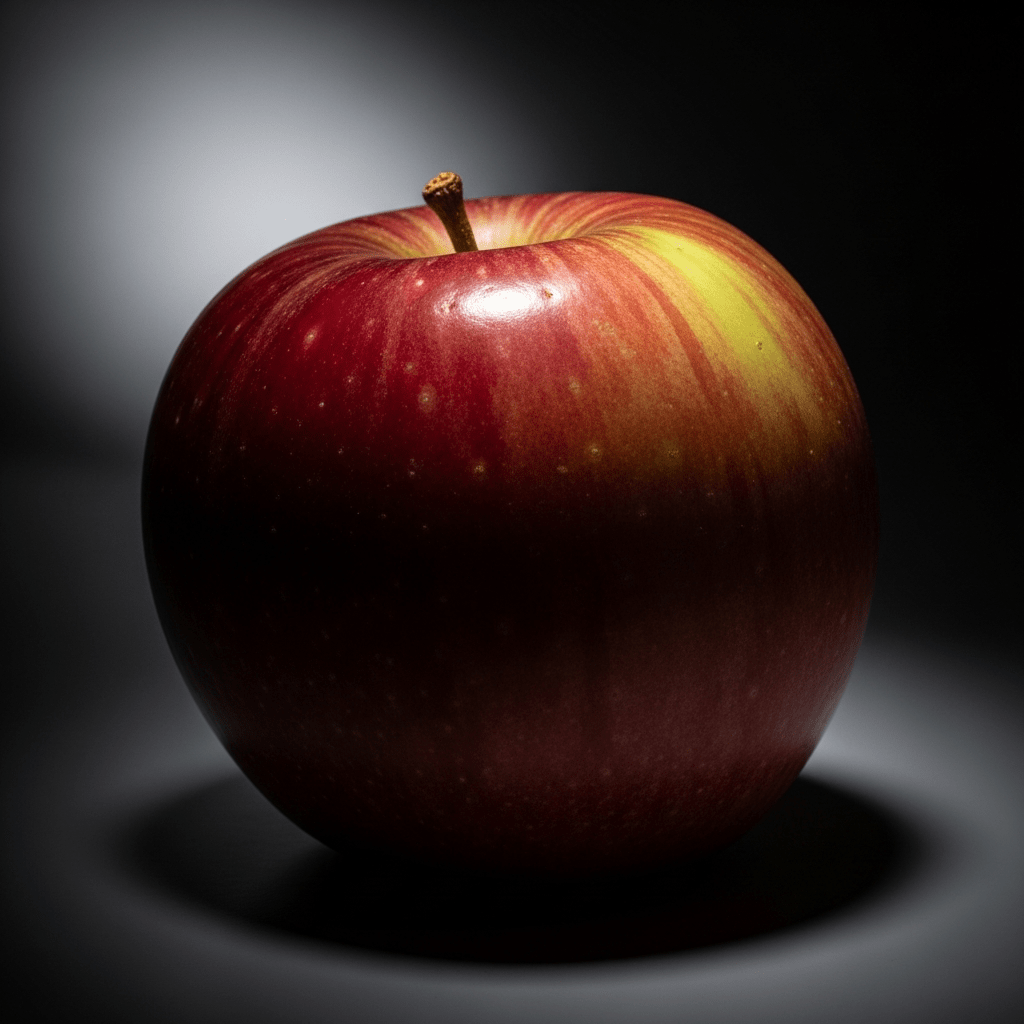
Empire is a popular dessert apple cultivar, prized for its crisp texture, balanced sweet-tart flavor, and attractive deep red skin.
Empire is a popular dessert apple cultivar, prized for its crisp texture, balanced sweet-tart flavor, and attractive deep red skin.
The Empire apple was developed at the New York State Agricultural Experiment Station in Geneva, New York, and first introduced in 1966. Bred from a cross between 'McIntosh' and 'Red Delicious', Empire was selected for its appealing appearance and robust qualities, quickly becoming a favorite in the Northeastern United States and beyond.
Empire belongs to the Rosaceae family, within the genus Malus and species Malus domestica. As a named cultivar, it sits alongside thousands of other domesticated apple varieties, distinguished by its unique parentage and sensory traits.
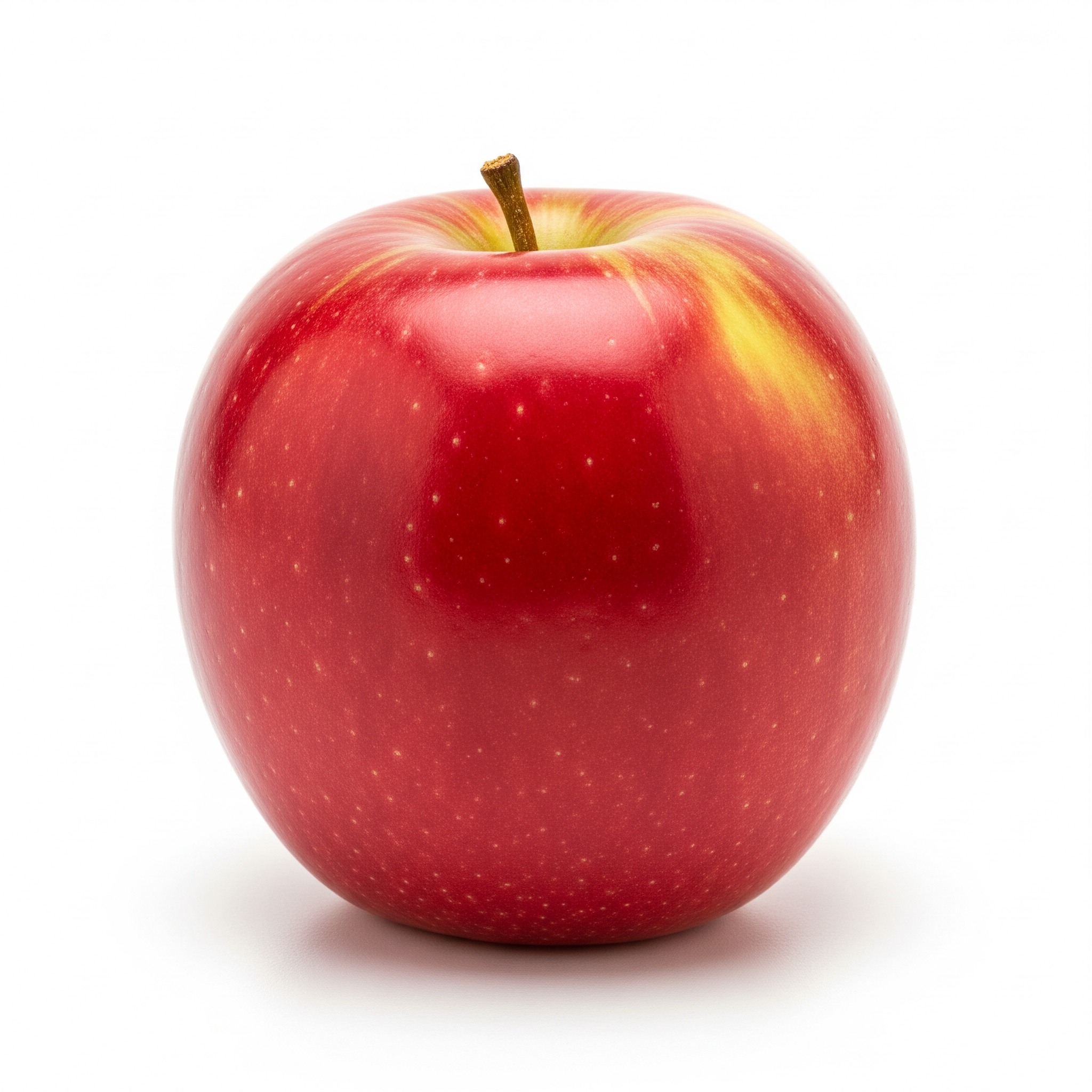
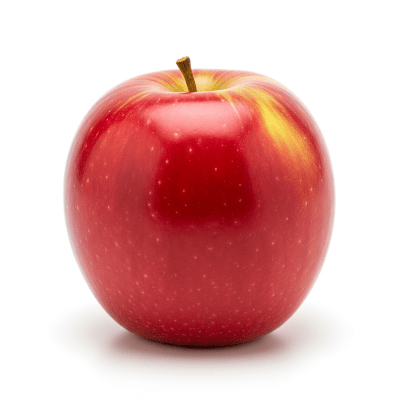
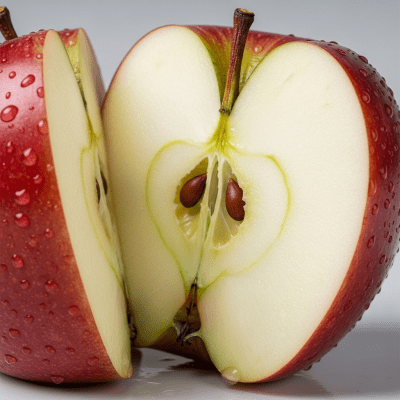
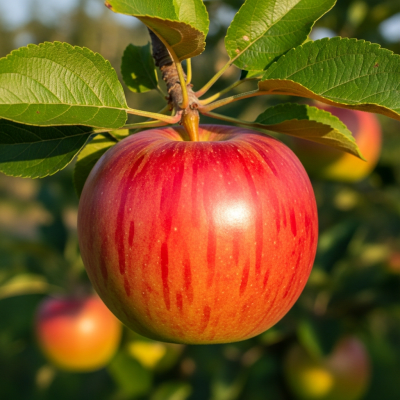
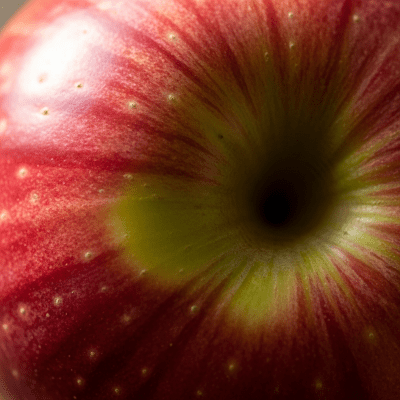
Empire apples are medium-sized and round to slightly conical, featuring a deep red to purplish skin over a greenish-yellow background. Their white flesh is crisp and juicy, and the thin skin resists bruising, making them visually appealing and durable for transport and retail.
Primarily enjoyed fresh as a dessert apple, Empire is also well-suited for salads, baking, and even cider blends. Its firm texture and resistance to bruising make it a reliable choice for lunchboxes and retail shelves, while its balanced flavor enhances both sweet and savory dishes.
Bring this kind into your world illustrated posters, mugs, and shirts.
Archival print, museum-grade paper
Buy Poster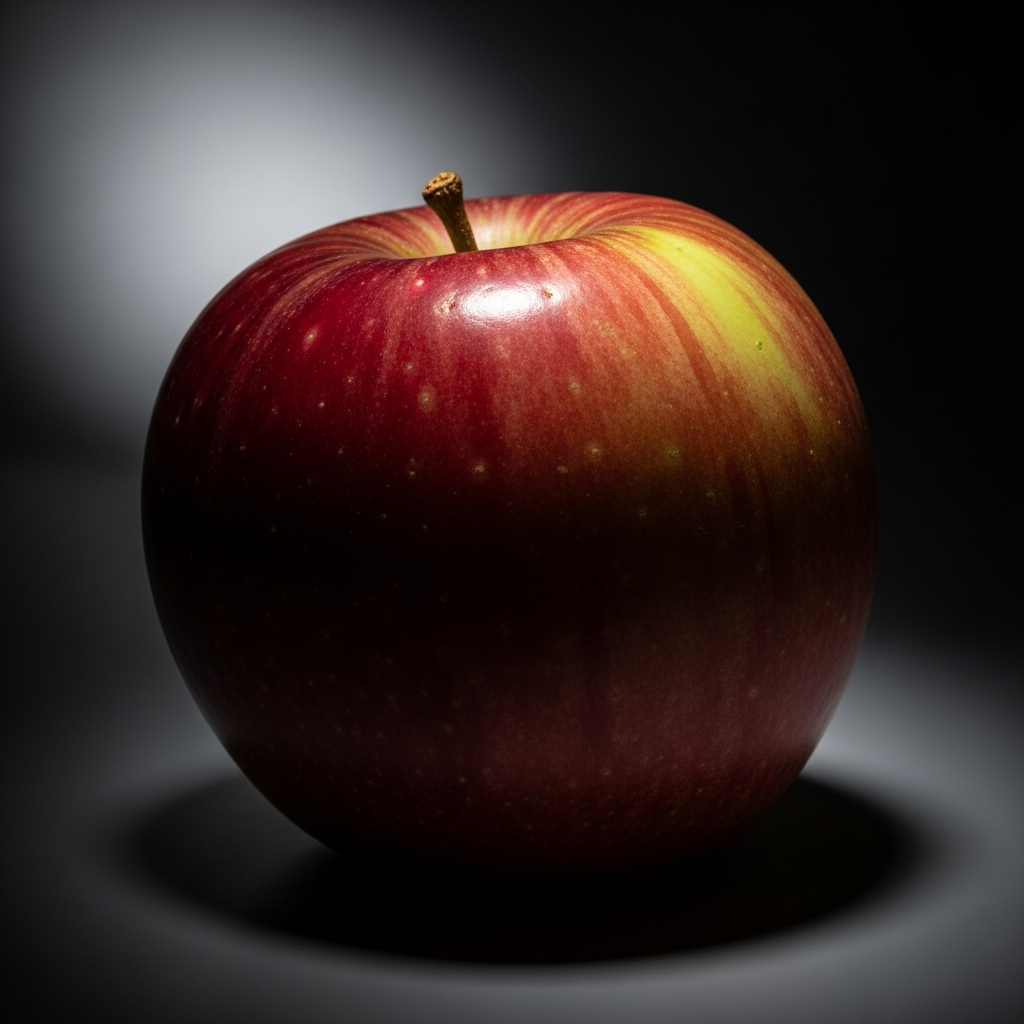
Stoneware mug, dishwasher safe
Buy Mug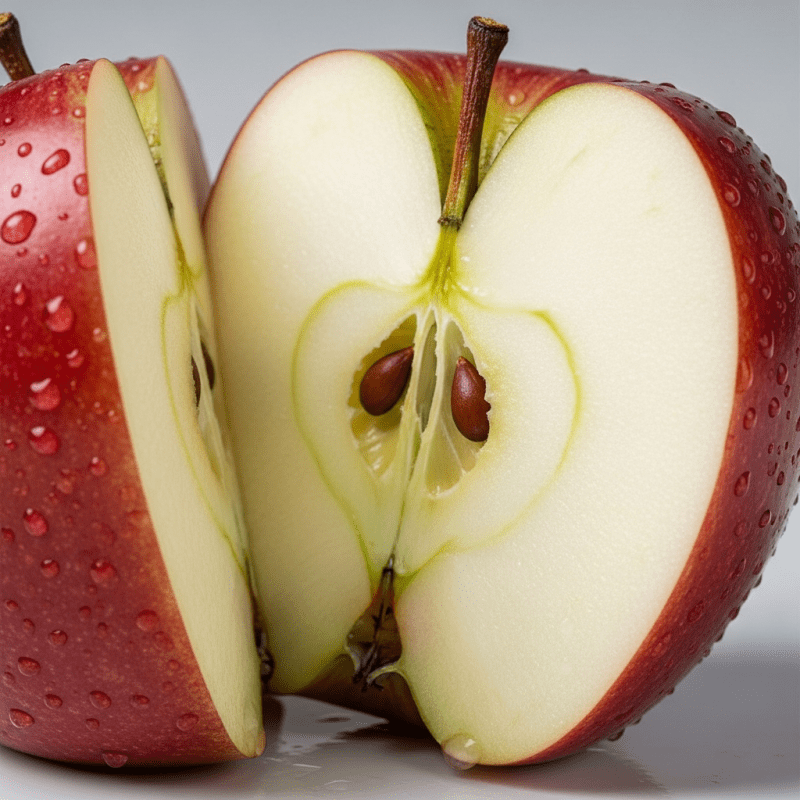
Soft cotton tee, unisex sizes
Buy ShirtEmpire apples are a regional staple in the Northeastern United States, especially New York, where their development is a point of local pride. They are featured in apple festivals, school lunch programs, and local markets, representing both agricultural innovation and regional identity.
Empire apples present a harmonious blend of sweetness and tartness, with crisp, juicy flesh and a subtle aromatic quality. Their flavor is a fusion of the fragrant, slightly tangy notes of 'McIntosh' and the mild firmness of 'Red Delicious', making them refreshing and versatile.


Empire apples are most widely grown in the Northeastern United States, particularly New York State and Pennsylvania. Smaller-scale cultivation occurs in Canada and other temperate apple-producing regions, where their adaptability and storage qualities are valued.
Empire is a hybrid cultivar resulting from a controlled cross between 'McIntosh' (seed parent) and 'Red Delicious' (pollen parent). This lineage was established at the New York State Agricultural Experiment Station, with breeding records confirming its genetic heritage.
Empire is a common and widely available apple cultivar, with no current conservation concerns. Its germplasm is preserved in major national and international collections, ensuring its continued availability for growers and consumers.
While Empire itself is a distinct cultivar, it stands among other renowned apples such as 'McIntosh', 'Red Delicious', 'Honeycrisp', and 'Golden Delicious'. Its parentage links it to these historic and commercially important varieties, each contributing unique traits to the apple landscape.
Empire apples are typically harvested in early to mid-autumn, with peak availability from September through February. Thanks to their robust storage qualities, they remain fresh and market-ready well into the winter months.