Egremont Russet
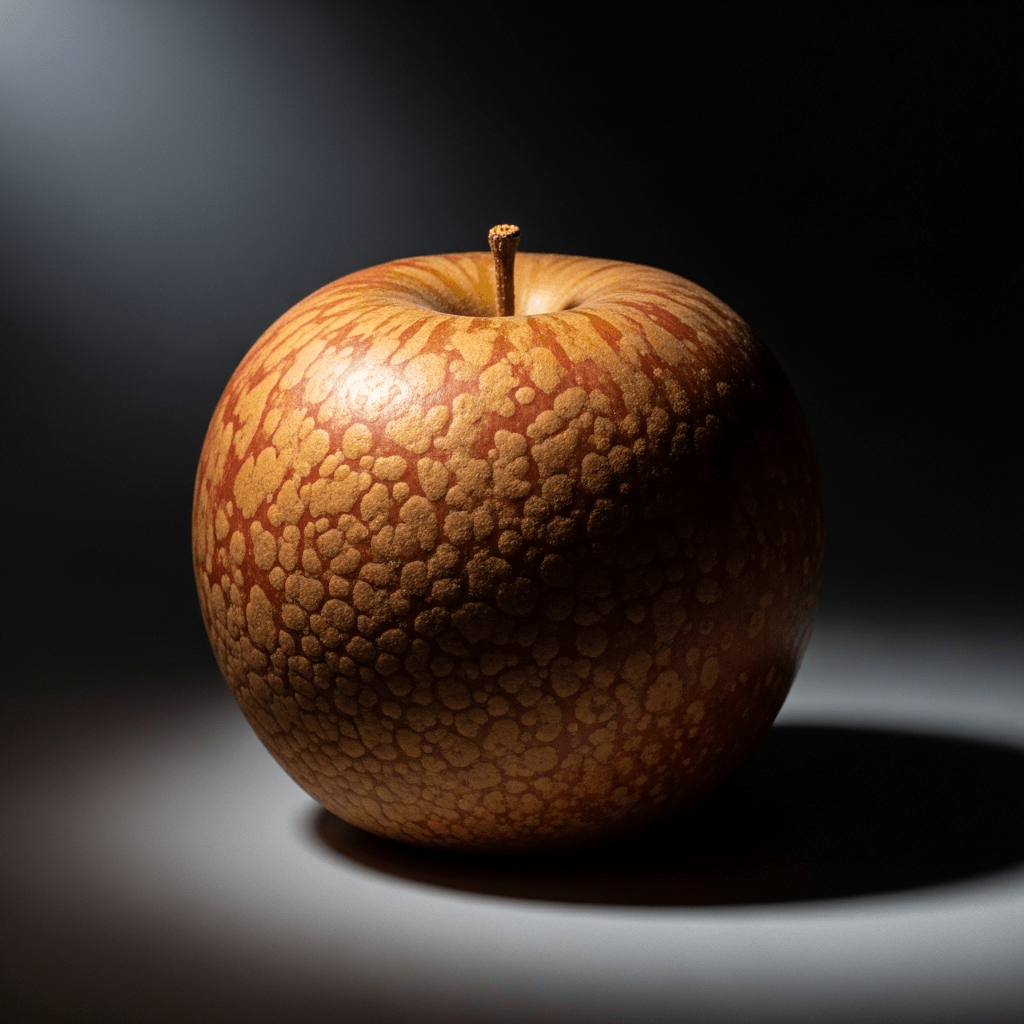
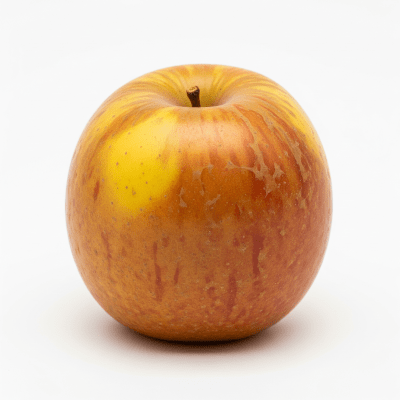
Egremont Russet is a classic English dessert apple, instantly recognizable by its rough, golden-brown russeted skin and celebrated for its sweet, nutty flavor.
Egremont Russet is a classic English dessert apple, instantly recognizable by its rough, golden-brown russeted skin and celebrated for its sweet, nutty flavor.
Originating in Sussex, England, Egremont Russet was first introduced in the late 19th century, with 1872 often cited as its debut year. Its rise to prominence was driven by its distinctive appearance and flavor, quickly earning it a place in British orchards and heritage collections. Though its exact parentage and breeder remain unknown, Egremont Russet is regarded as a chance seedling selected for its unique russeted skin and taste.
Egremont Russet belongs to the family Rosaceae, genus Malus, and species Malus domestica. As a named cultivar, it sits within the vast diversity of domesticated apples, which are organized botanically and by usage. Its classification as a dessert apple reflects its primary role in fresh eating, distinguishing it from cooking or cider varieties.
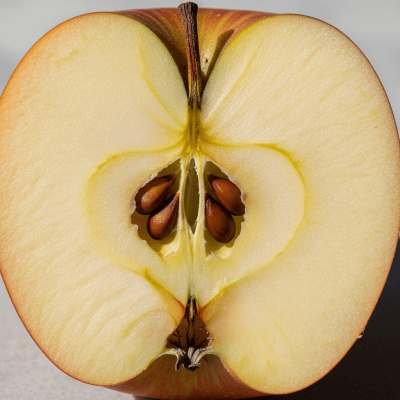
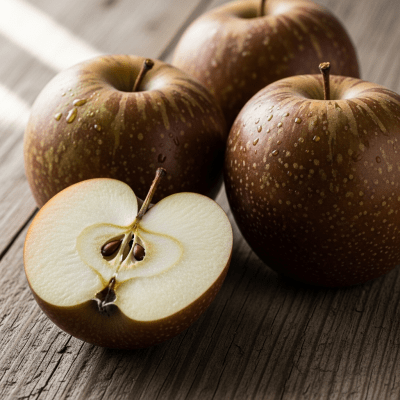
This apple is medium-sized and round to slightly conical, with a rough, russeted skin that ranges from golden-brown to greenish-brown. The flesh is firm, creamy white, and notably dry, offering resistance to bruising. Its textured exterior and muted sheen set it apart visually from smoother, glossier apples, making it a favorite among those who appreciate traditional, heritage fruit forms.
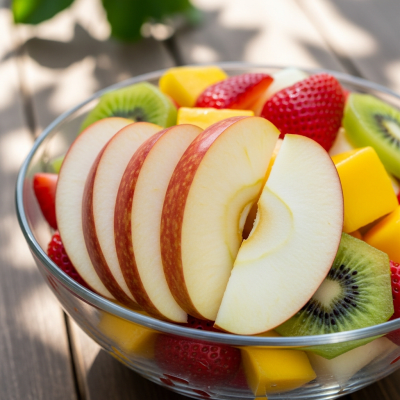
Egremont Russet is prized for fresh eating, thanks to its distinctive flavor and firm texture. While occasionally used in simple cooking, its dry flesh makes it less suitable for recipes requiring moisture, and it is rarely employed in cider production. Its robust skin gives it some natural resistance to pests and bruising, making it a reliable choice for both home growers and commercial orchards.
Bring this kind into your world illustrated posters, mugs, and shirts.
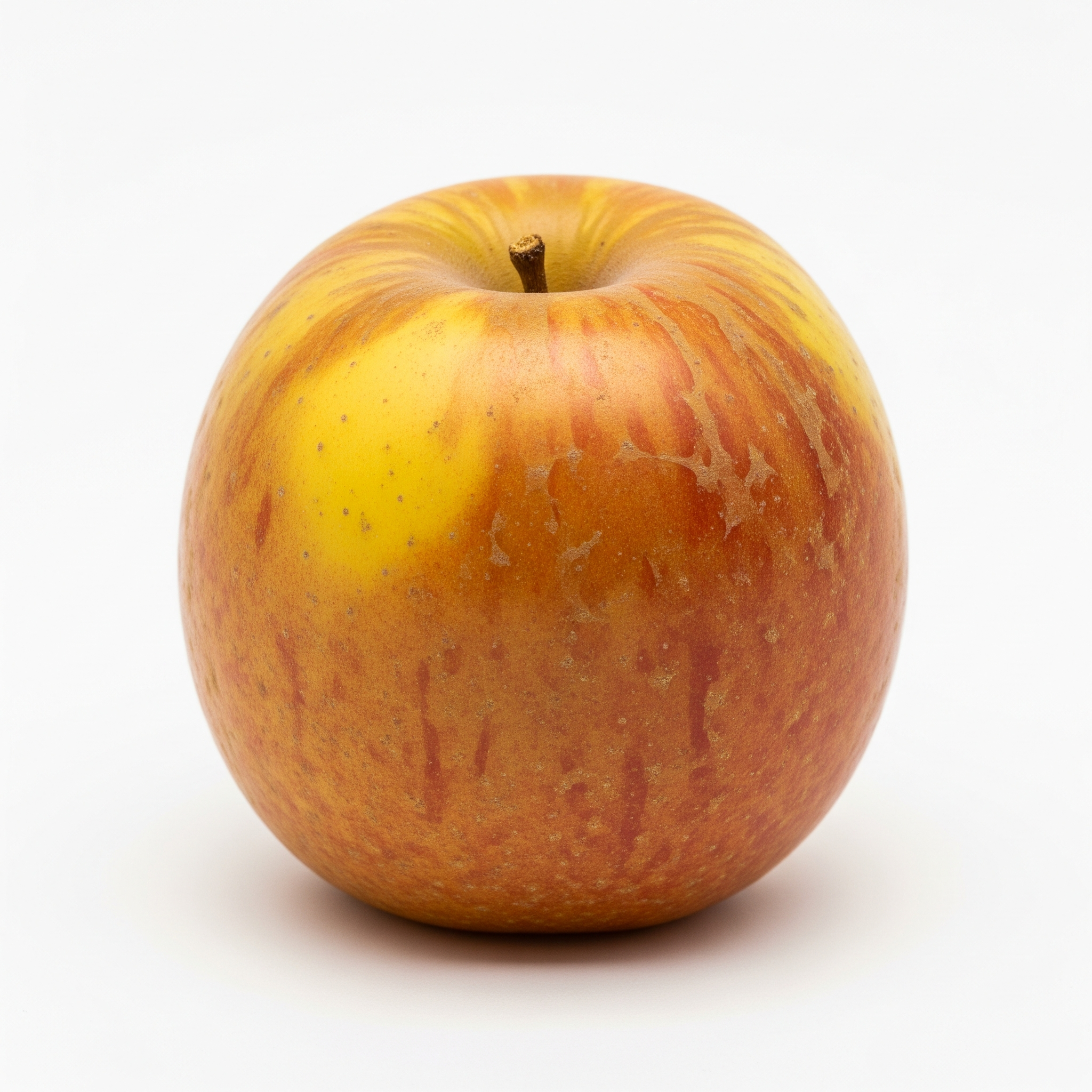
Archival print, museum-grade paper
Buy Poster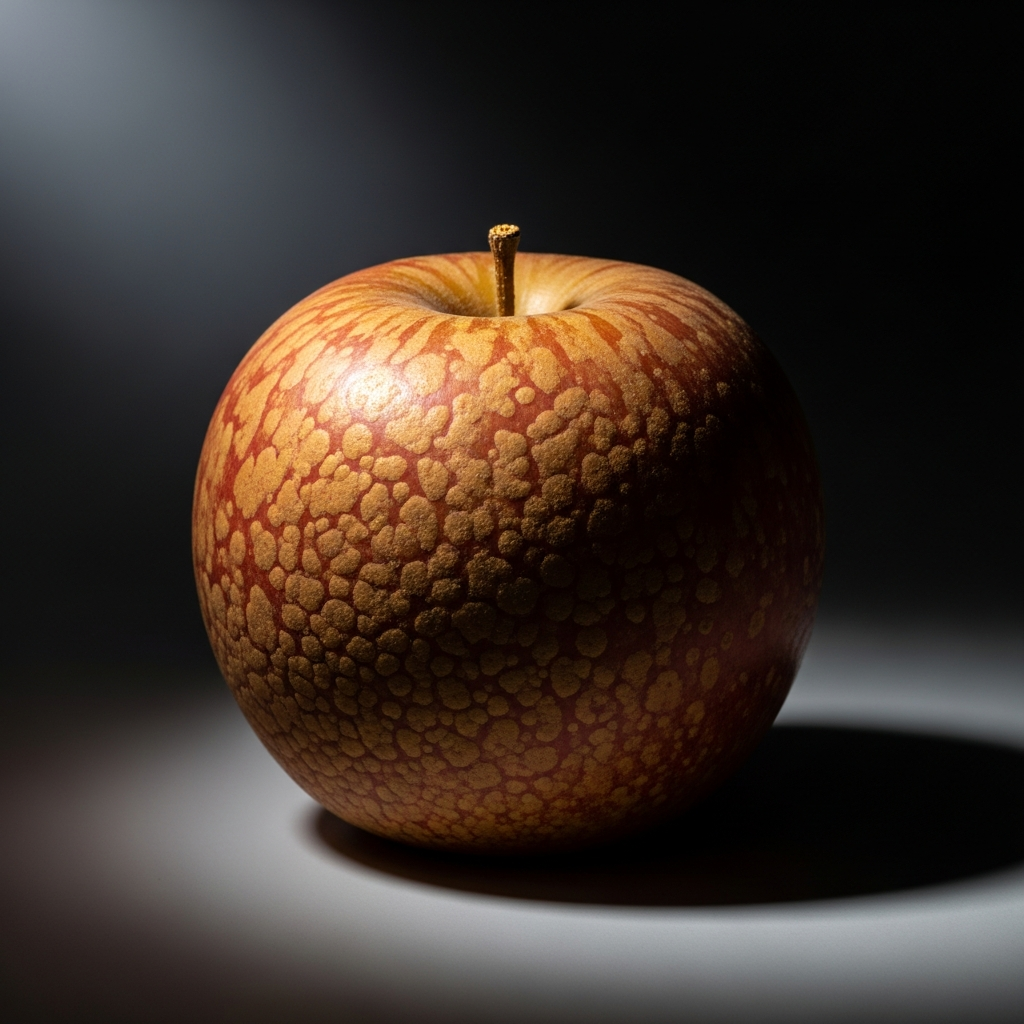
Stoneware mug, dishwasher safe
Buy Mug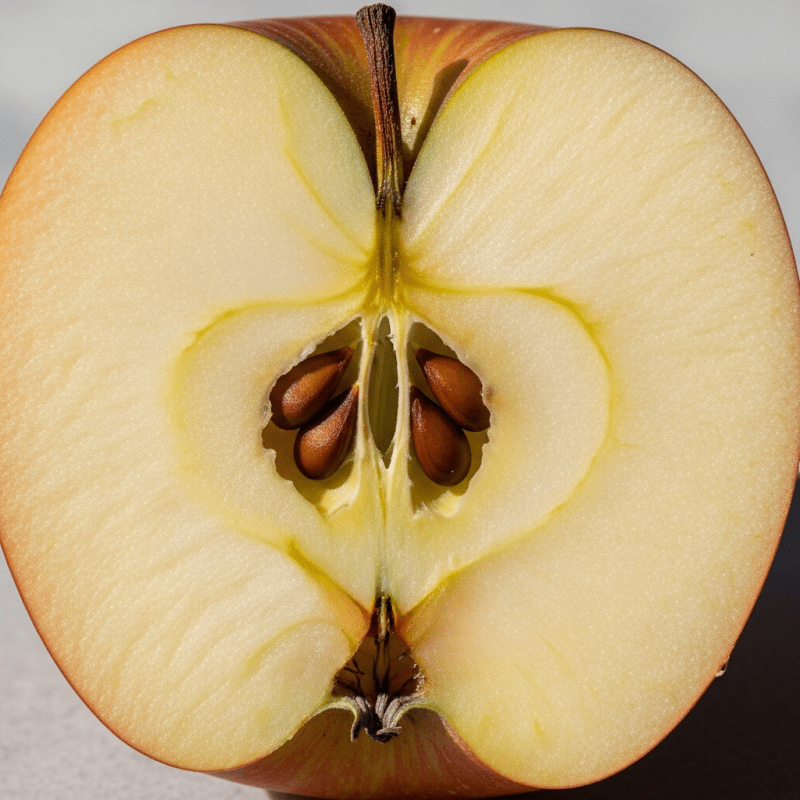
Soft cotton tee, unisex sizes
Buy ShirtAs one of Britain's most beloved heritage apples, Egremont Russet holds a special place in English horticultural tradition. It is a staple in heritage orchards and frequently featured in autumn festivals and apple tastings. Its rustic appearance and unique flavor evoke nostalgia for traditional English countryside fare, and it is often recommended by enthusiasts seeking alternatives to modern, mass-market varieties.
Egremont Russet offers a distinctive taste: sweet yet nutty, with aromatic undertones and subtle hints of pear. Its mild acidity balances the flavor, while the firm, creamy white flesh delivers a satisfyingly dry texture. The overall experience is refined and complex, appealing to those who appreciate traditional apple flavors.
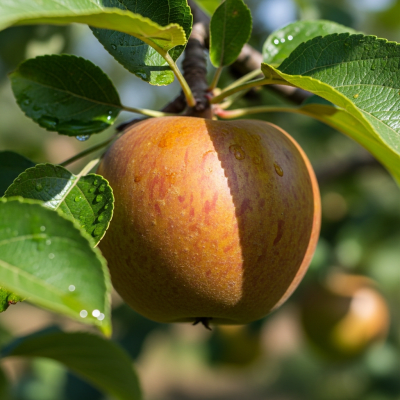

This cultivar is most widely grown in the United Kingdom, especially in southern regions such as Sussex. It is a staple of British orchards and is also maintained in heritage collections across Europe and North America, including the British National Fruit Collection and the USDA National Plant Germplasm System.
The genetic lineage of Egremont Russet is undocumented; it is considered a chance seedling, selected for its desirable russeted skin and flavor. No records exist regarding its seed or pollen parent, and its original breeder remains unknown, adding to the cultivar's mystique.
Egremont Russet is classified as common within the United Kingdom and is not considered endangered. It is widely available in commercial nurseries and maintained in national germplasm collections, ensuring its continued presence in orchards and gardens.
Within the russet apple group, Egremont Russet stands alongside other historic cultivars such as Ashmead's Kernel and Roxbury Russet. Each of these apples is celebrated for its unique flavor and textured skin, contributing to the rich diversity of heritage apples found in collections and specialty markets.
Egremont Russet is typically harvested in early to mid-autumn, with peak availability in British markets from September through November. Thanks to its excellent storage qualities, the apple remains available for several months after harvest.