Discovery
Discovery is a celebrated early-season dessert apple, prized for its crisp texture, vibrant red skin, and refreshing sweet-tart flavor.
Discovery is a celebrated early-season dessert apple, prized for its crisp texture, vibrant red skin, and refreshing sweet-tart flavor.
Discovery originated in Langham, Essex, England, in 1949, raised by George Dummer from a seedling of 'Worcester Pearmain'. Introduced to the public in the early 1950s, it quickly became a favorite in British orchards for its reliability and early ripening, marking the start of the apple season in the UK and temperate parts of Europe.
Botanically, Discovery belongs to the Rosaceae family, within the genus Malus, species Malus domestica. It is classified as a dessert apple cultivar, with synonyms such as 'Worcester Pearmain Seedling' and 'Discovery Early', reflecting its lineage and widespread recognition.
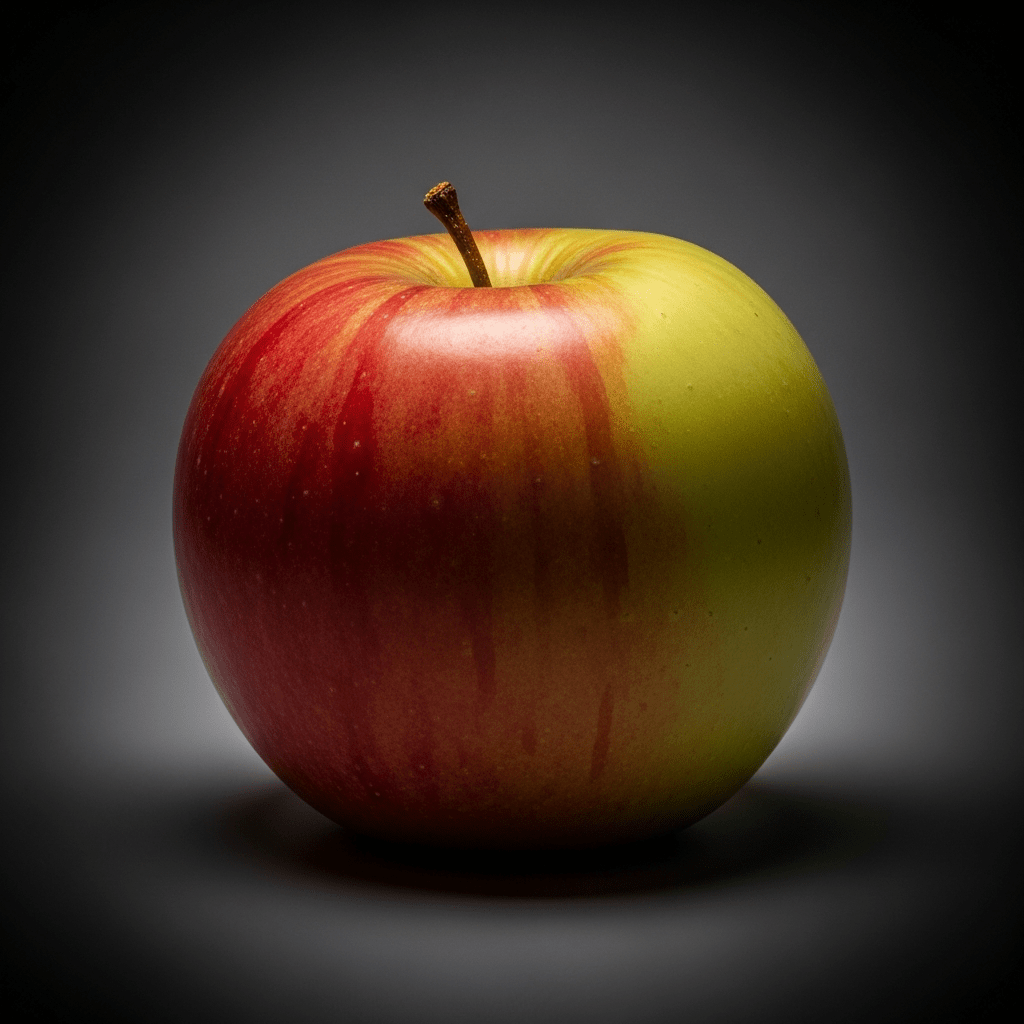
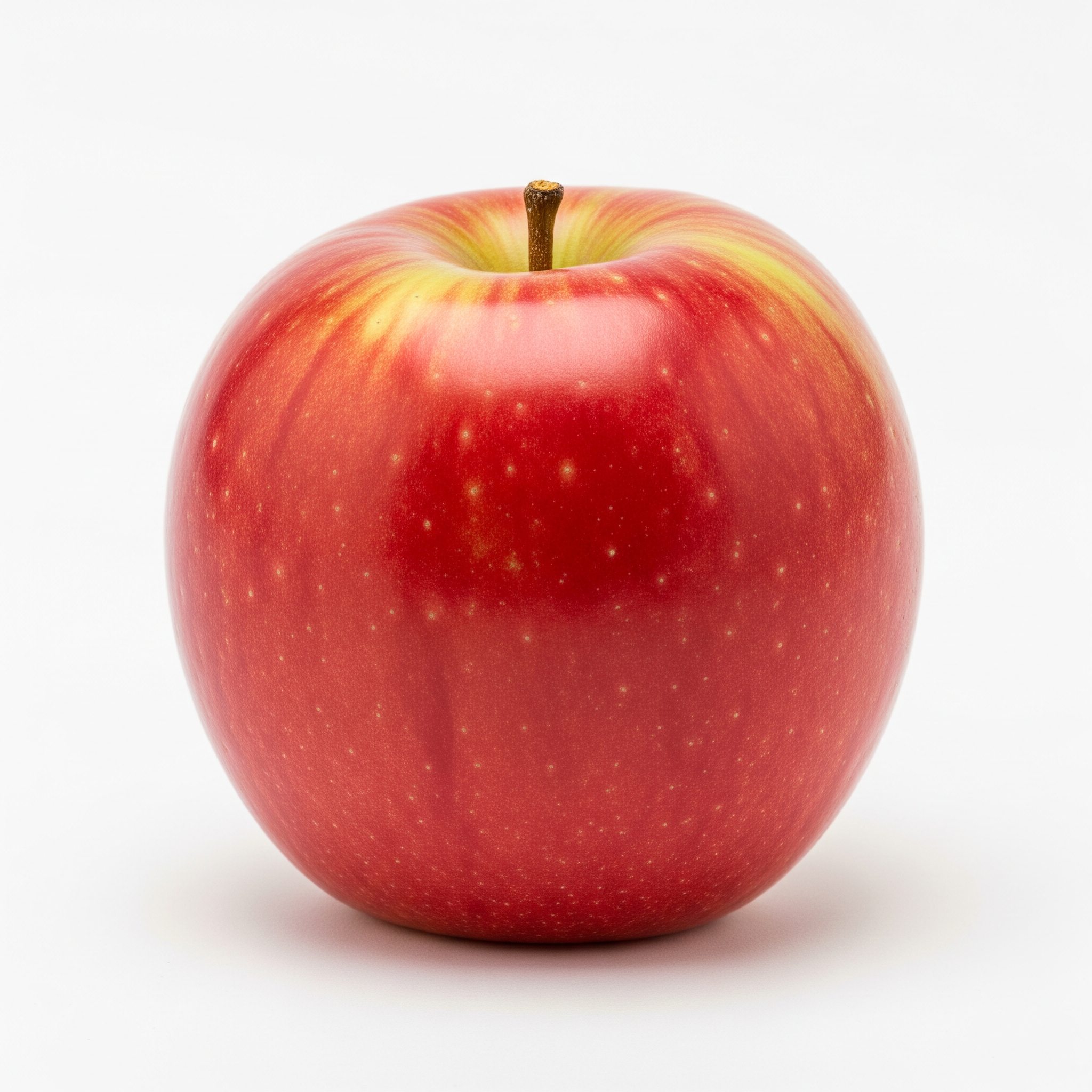
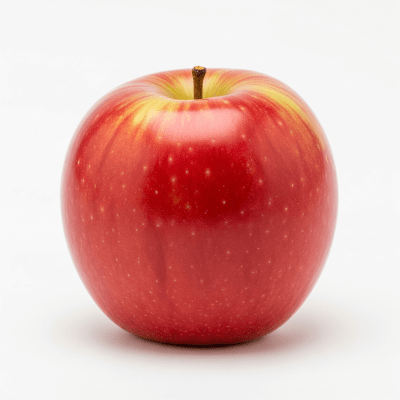
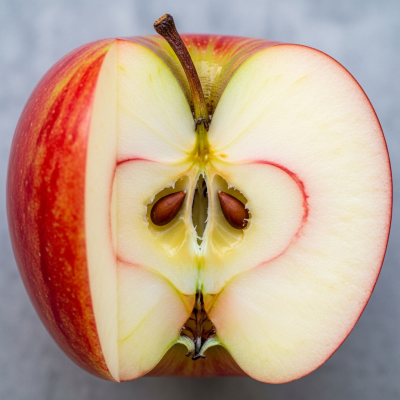
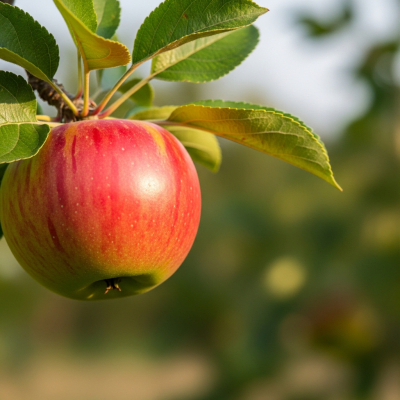
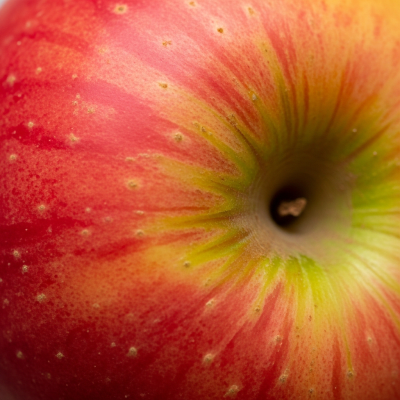
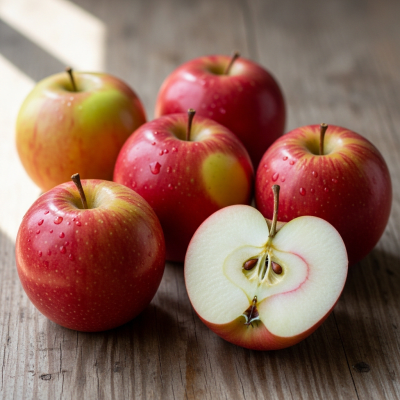
Discovery apples are medium-sized, round to slightly conical, with a striking bright red skin often flushed over a yellow-green base and sometimes displaying a pinkish bloom. The flesh is white to pale pink, frequently showing a pink stain just beneath the skin, especially in warmer climates. Their crisp, juicy texture and attractive coloration make them visually appealing both on the tree and at market.
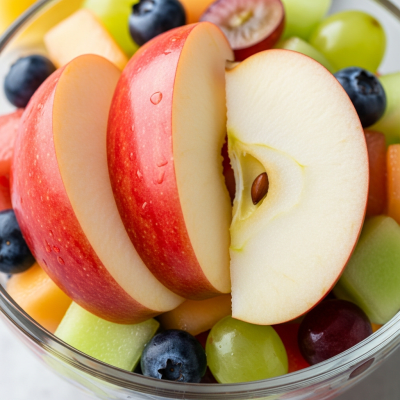
Primarily enjoyed fresh as a dessert apple, Discovery is valued for its pleasant crunch and aromatic flavor. Its early ripening makes it one of the first apples available each season, and while it is occasionally used in cooking, its main role is as a table fruit. The tree is upright and vigorous, producing reliable crops suitable for both commercial growers and home orchardists.
Bring this kind into your world illustrated posters, mugs, and shirts.
Archival print, museum-grade paper
Buy Poster
Stoneware mug, dishwasher safe
Buy Mug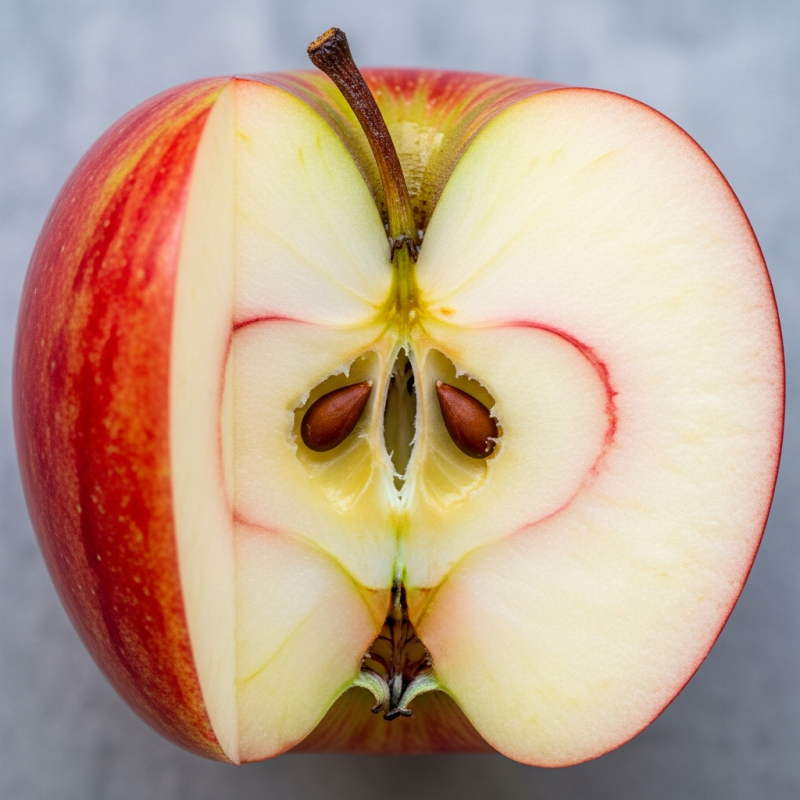
Soft cotton tee, unisex sizes
Buy ShirtDiscovery holds a special place in British apple culture, often heralding the arrival of the new apple season. Its popularity in the UK is reflected in local markets, home gardens, and orchard traditions, where the first Discovery apples are eagerly anticipated each summer. The variety's distinctive pink-stained flesh and early harvest have made it a symbol of freshness and seasonal change.
Discovery apples deliver a refreshing balance of sweetness and acidity, with a mild, aromatic, and slightly floral character. The flesh is crisp and juicy, making each bite lively and satisfying. The subtle pink hue near the skin adds visual appeal and hints at their delicate flavor.
Discovery is widely grown throughout the United Kingdom, especially in southern and eastern England. It is also cultivated in temperate regions across Europe, where its early ripening and reliable cropping are valued by both commercial and home orchardists.
Discovery was bred from 'Worcester Pearmain' as the seed parent, with open pollination resulting in an unconfirmed pollen parent—possibly 'Beauty of Bath'. This lineage contributes to its early ripening and attractive appearance. The cultivar was first raised in 1949, with commercial introduction following soon after.
Discovery is considered common and is not at risk. It is widely grown in both commercial and private orchards, and its genetic material is preserved in major collections such as the British National Fruit Collection.
While Discovery itself is a notable variety, its parent 'Worcester Pearmain' and possible pollen parent 'Beauty of Bath' are also historically significant British apples. Discovery stands out for its early ripening and pink-stained flesh, distinguishing it from other early-season cultivars.
Discovery apples are typically harvested from late July to early August in the UK, making them among the first apples to reach market each year. Their early availability signals the start of the apple season for growers and consumers alike.