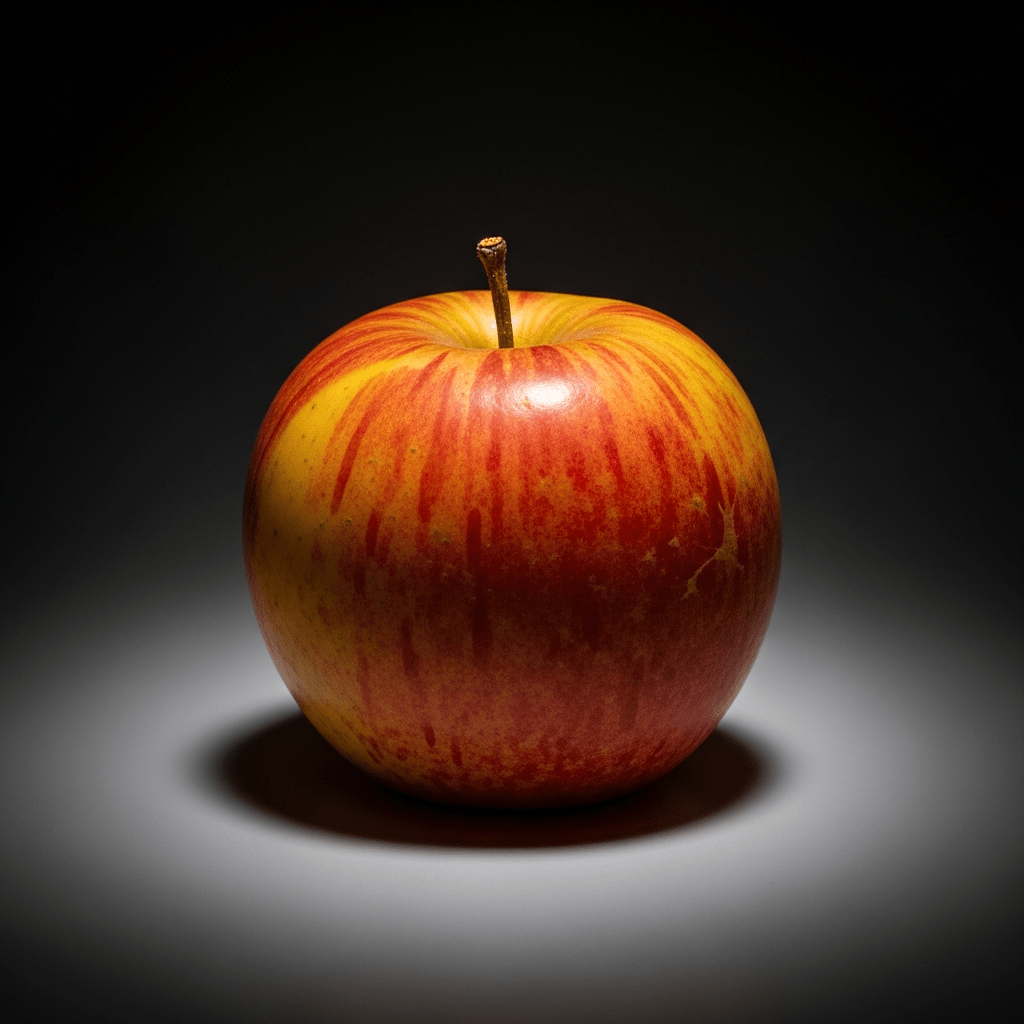
Cox's Orange Pippin
Cox's Orange Pippin is a celebrated English dessert apple, renowned for its complex flavor and aromatic intensity.
Cox's Orange Pippin is a celebrated English dessert apple, renowned for its complex flavor and aromatic intensity.
This iconic apple originated in Colnbrook, Buckinghamshire, England, where it was first raised by Richard Cox in 1825. Commercial introduction followed in 1850, and the variety quickly became emblematic of British apple breeding. Its reputation was forged in the orchards of Kent and Herefordshire, regions that remain closely associated with its cultivation. Though its parentage is believed to trace to 'Ribston Pippin', definitive documentation is lacking, adding a touch of mystery to its lineage.
Cox's Orange Pippin belongs to the family Rosaceae, genus Malus, species Malus domestica, and is classified as a distinct cultivar. It is primarily recognized as a dessert apple, but also finds occasional use in cooking and cider production. Its classification path—Rosaceae > Malus > Malus domestica > 'Cox's Orange Pippin'—reflects its place among the most esteemed apples in pomological literature.
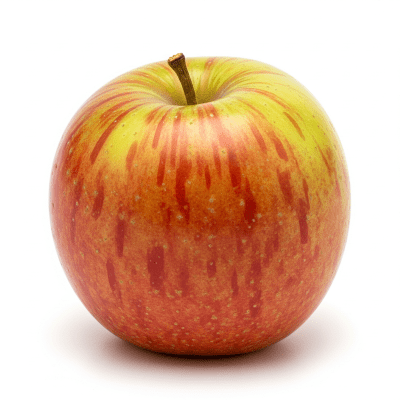
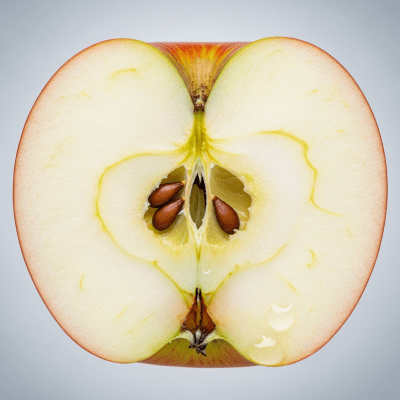
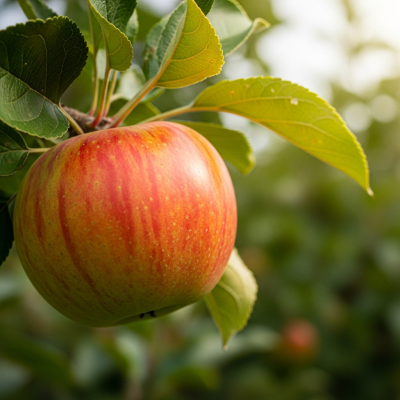
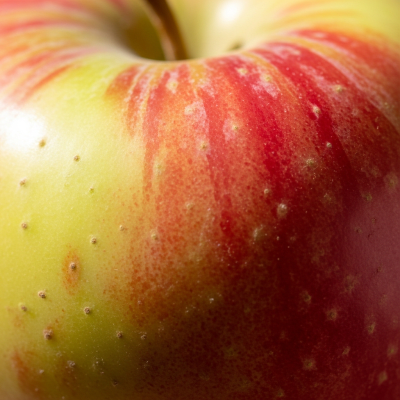
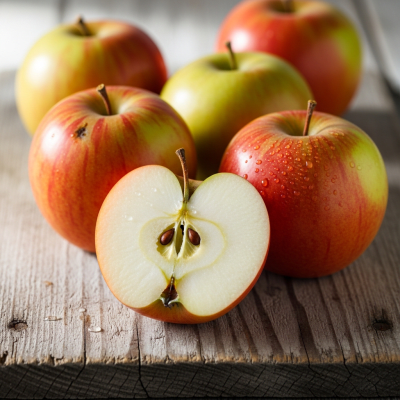
The fruit is medium-sized, round to slightly conical, with a striking orange-red flush over a yellow background, often accented by russet patches. Its creamy-white flesh is fine-textured and notably juicy. The apple exudes an intense fragrance, hinting at the honeyed, nutty, and spicy notes that define its celebrated flavor. The tree itself is compact and moderately vigorous, but requires attentive care due to disease susceptibility.
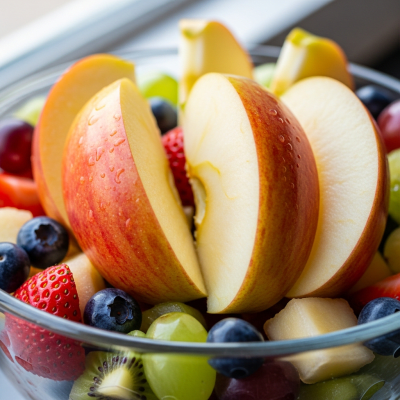
Cox's Orange Pippin is prized for fresh eating, setting the standard for dessert apples thanks to its aromatic complexity. While it can be used in cooking—imparting a nuanced flavor to baked dishes—and occasionally in cider, its delicate texture and distinctive taste are best appreciated raw. The apple's moderate storage life means it is enjoyed soon after harvest, and its susceptibility to scab and canker makes it best suited to attentive orchard management or heritage collections.
Bring this kind into your world illustrated posters, mugs, and shirts.
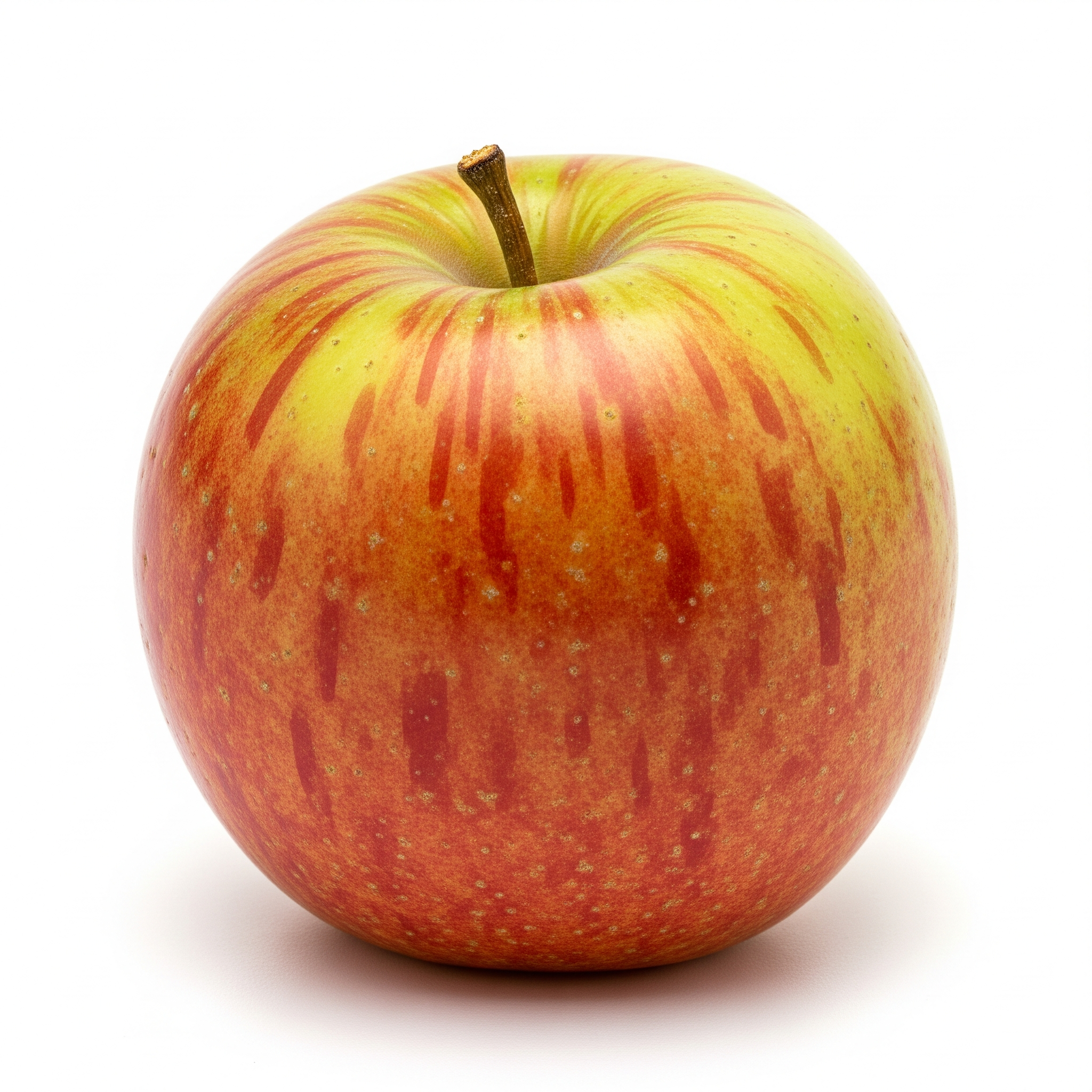
Archival print, museum-grade paper
Buy Poster
Stoneware mug, dishwasher safe
Buy Mug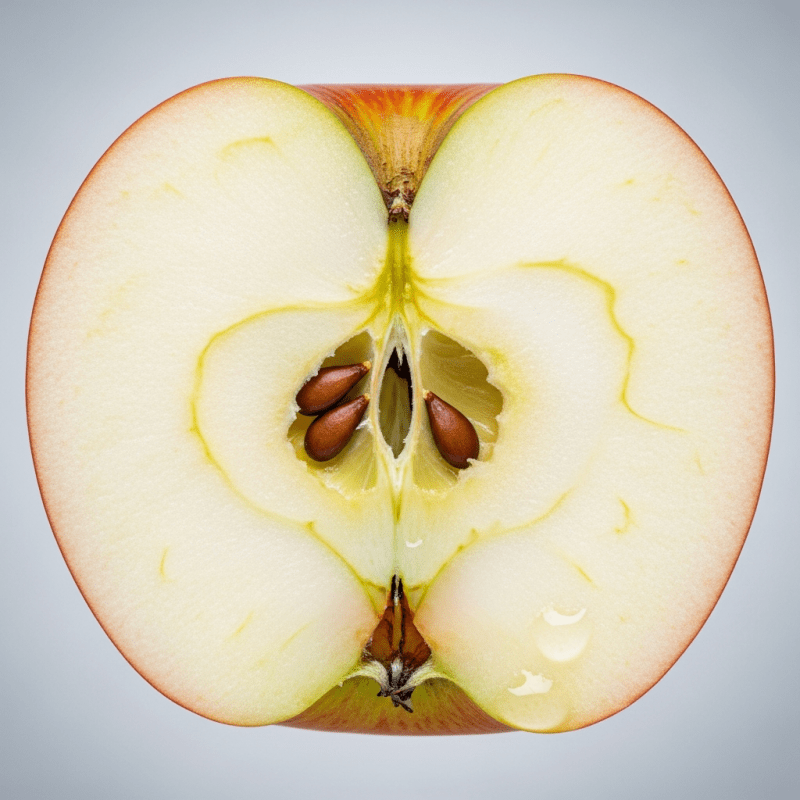
Soft cotton tee, unisex sizes
Buy ShirtFew apples have shaped the identity of English orcharding like Cox's Orange Pippin. It is often referenced as the benchmark for flavor in apple breeding and has inspired countless pomologists and gardeners. Its name appears in literature and culinary writing, and it is celebrated in apple festivals and heritage orchard projects throughout the United Kingdom. The apple's legacy endures in the many cultivars bred from it, each seeking to capture its unique taste and aroma.
Cox's Orange Pippin offers a harmonious balance of sweetness and acidity, with a creamy, juicy flesh. Its flavor is layered—honeyed, nutty, and spicy—with a lingering aromatic finish that makes it a favorite among apple enthusiasts. The apple's fragrance is intense, and its texture is fine and tender, providing a memorable eating experience.
The apple is most extensively grown in the United Kingdom, particularly in Kent and Herefordshire. It is also cultivated in temperate regions such as New Zealand, Australia, and parts of continental Europe, though its commercial presence outside the UK is modest due to disease challenges and specific climate requirements.
The parentage of Cox's Orange Pippin is believed to involve 'Ribston Pippin', but definitive genetic confirmation is lacking. Despite this uncertainty, its exceptional flavor has made it a favored parent in apple breeding, contributing to the development of many notable cultivars. Breeders continue to seek its aromatic qualities and nuanced taste in new apple varieties.
Cox's Orange Pippin is classified as common in the UK, maintained in both heritage orchards and commercial plantings. While its commercial share has declined, the apple is not endangered, and its genetic material is preserved in major germplasm repositories. Outside the UK, its cultivation is limited but valued among enthusiasts.
Cox's Orange Pippin has inspired a lineage of distinguished apples, including 'Sunset', 'Queen Cox', and 'Holstein', all bred to capture aspects of its celebrated flavor and aroma. These varieties are cherished in their own right and contribute to the diversity of dessert apples available today.
Cox's Orange Pippin is typically harvested in early to mid-autumn, with fresh fruit available in markets from September through November in the UK. Its moderate shelf life means it is best enjoyed soon after picking, when its flavor and aroma are at their peak.