Cortland
Cortland is a dual-purpose apple cultivar prized for its crisp texture, bright red skin, and remarkable resistance to browning, making it a favorite for both fresh eating and culinary use.
Cortland is a dual-purpose apple cultivar prized for its crisp texture, bright red skin, and remarkable resistance to browning, making it a favorite for both fresh eating and culinary use.
The Cortland apple originated in 1915 at the New York State Agricultural Experiment Station in Geneva, New York. Bred as a deliberate cross between 'McIntosh' and 'Ben Davis', Cortland was developed to combine the best qualities of its parents—flavor, texture, and durability. Its introduction marked a significant advancement in American apple breeding, and it quickly became a staple in orchards across the Northeastern United States.
Cortland belongs to the family Rosaceae, genus Malus, and species Malus domestica. As a named cultivar, 'Cortland' is officially recognized under international nomenclature standards, and its classification reflects both its botanical lineage and its role within the broader diversity of domesticated apples.
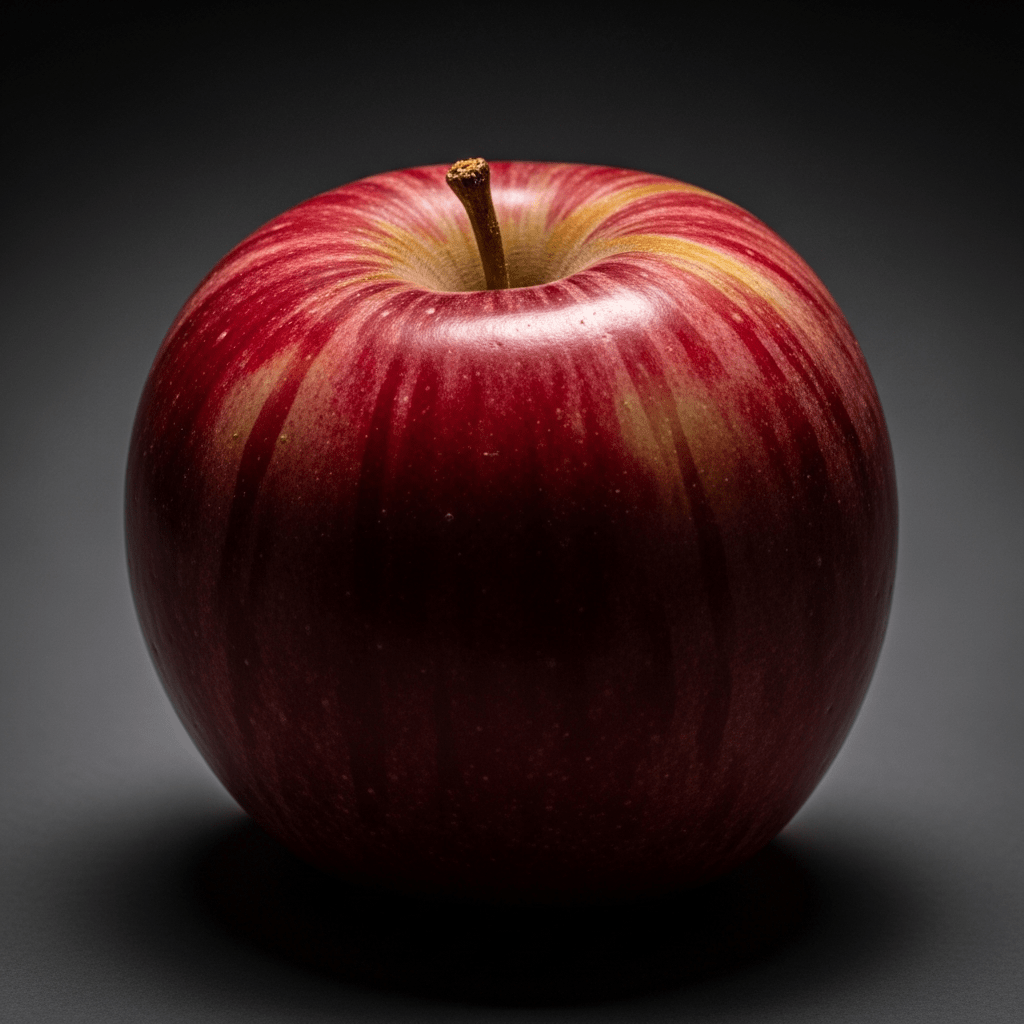
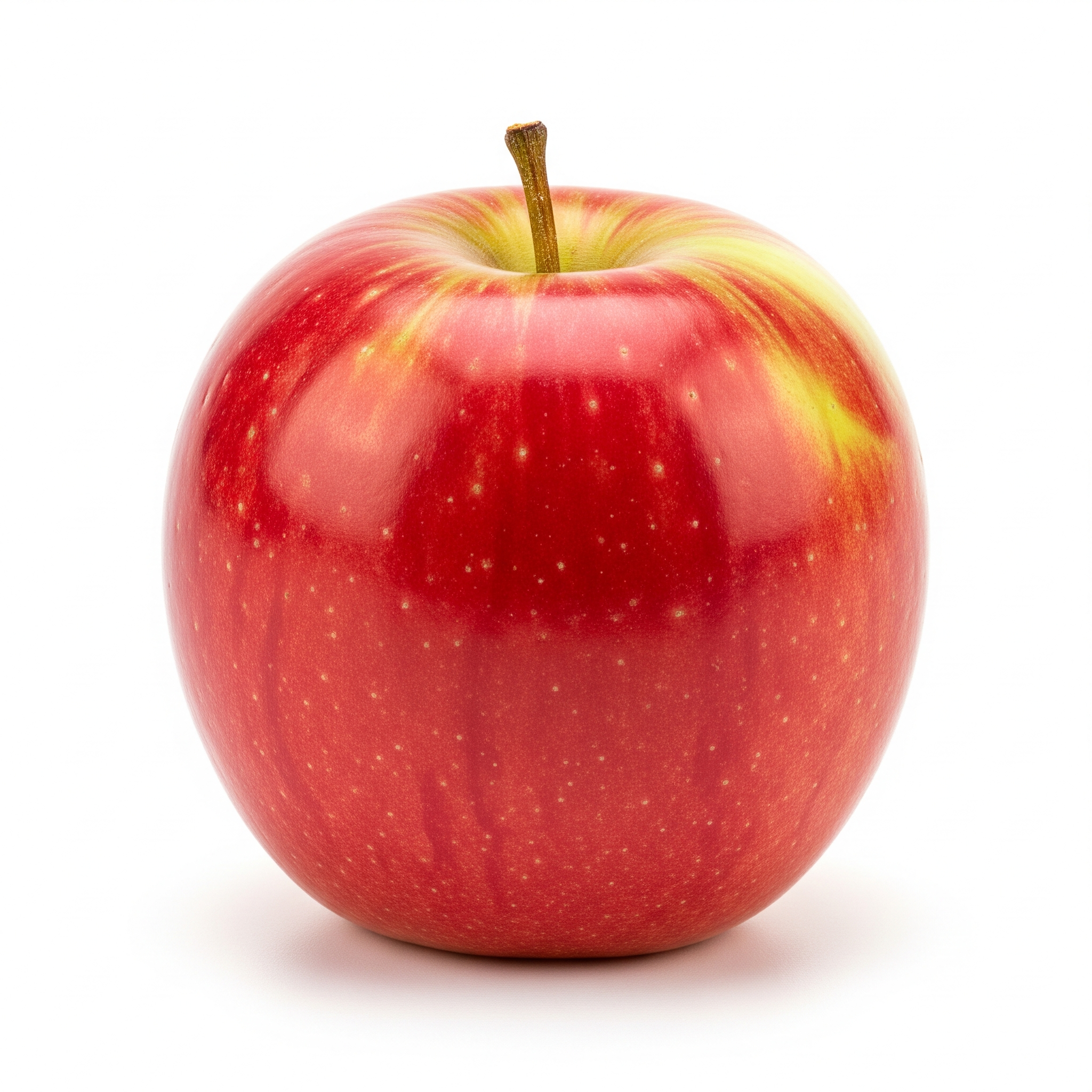
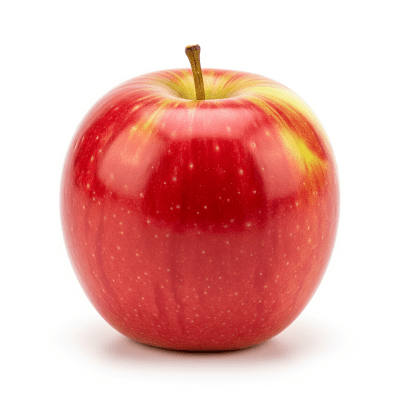
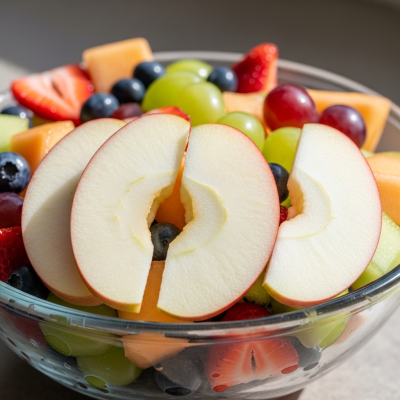
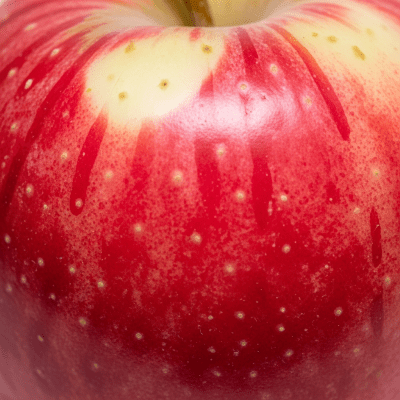
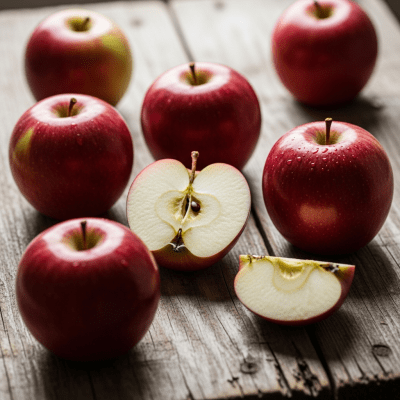
Cortland apples are medium to large, with a round to slightly flattened shape. Their skin is a vivid bright red, often accented by greenish-yellow undertones and subtle streaks. The flesh is strikingly white, crisp, and juicy—standing out for its ability to resist browning after slicing. This visual appeal, combined with a firm texture, makes Cortland especially attractive in salads and fresh presentations.
Cortland is celebrated for its versatility. It excels as a dessert apple for fresh eating, holds its shape and flavor when baked, and is a top choice for salads due to its slow browning. While less commonly used in cider, its mild tartness and crispness make it suitable for a range of culinary applications, from pies to sauces. Its popularity stems from both consumer enjoyment and ease of handling in the kitchen.
Bring this kind into your world illustrated posters, mugs, and shirts.
Archival print, museum-grade paper
Buy Poster
Stoneware mug, dishwasher safe
Buy Mug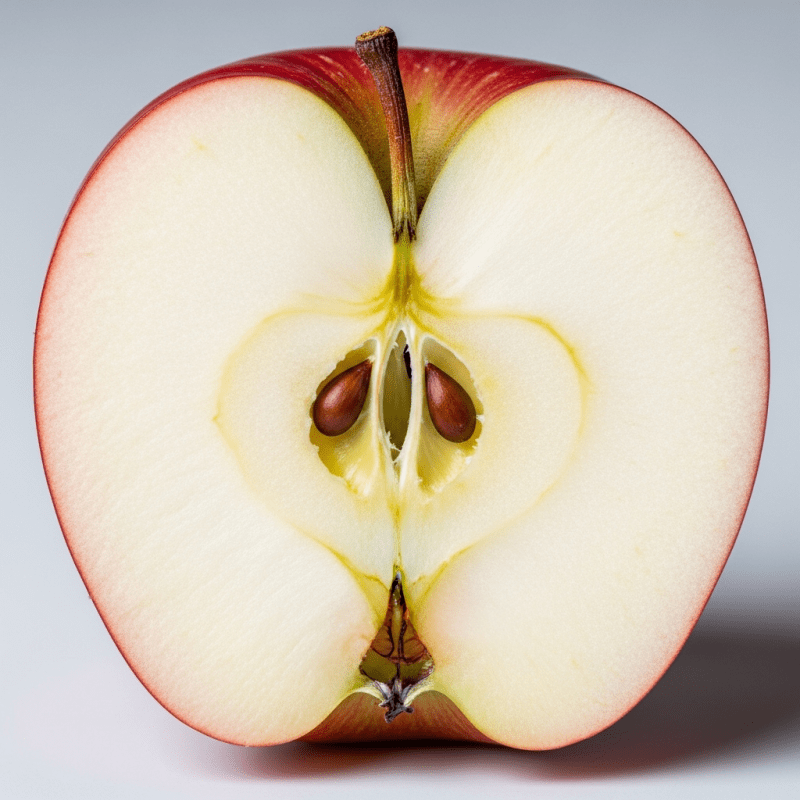
Soft cotton tee, unisex sizes
Buy ShirtAs a classic Northeastern American apple, Cortland has become a symbol of regional orchard heritage. Its widespread use in school lunches, family pies, and autumn festivals reflects its enduring place in local food culture. The apple’s resistance to browning has made it a favorite for fruit platters and garnishes, and its name is synonymous with quality among generations of growers and consumers in New York and beyond.
Cortland apples offer a mildly tart flavor balanced with gentle sweetness. Their aroma is fresh and inviting, and the texture is crisp yet juicy. When cooked, the apples maintain their firmness and develop a richer, more pronounced sweetness, making them ideal for both raw and baked preparations.

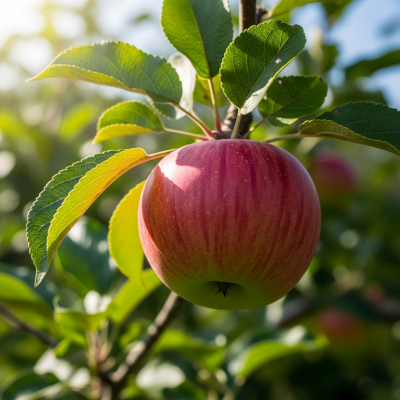
Cortland apples are predominantly grown in the Northeastern United States, with New York and Vermont as leading regions. They are also cultivated in parts of Canada and other temperate zones, but their strongest association remains with American orchards in the Northeast.
Cortland is the result of a controlled cross between 'McIntosh' and 'Ben Davis'. This breeding effort aimed to blend the flavor and texture of 'McIntosh' with the durability and storage qualities of 'Ben Davis', yielding an apple that excels in both taste and utility. Its parentage is well-documented and a testament to early 20th-century American pomological innovation.
Cortland is classified as a common cultivar, with no current designation as rare or endangered. It is maintained in major germplasm repositories and continues to be widely grown in its primary regions.
While Cortland itself is a distinct cultivar, it shares lineage with other notable apples such as 'McIntosh' and 'Ben Davis'. These parent varieties are historic in their own right—'McIntosh' for its iconic flavor and 'Ben Davis' for its durability. Cortland stands out for successfully combining these traits, but it is not part of a larger series of named sub-varieties.
Cortland apples are typically harvested in early to mid-autumn, with peak availability from September through November in most growing regions. They remain accessible in markets for several months post-harvest, thanks to their reasonable storage qualities.