Cameo
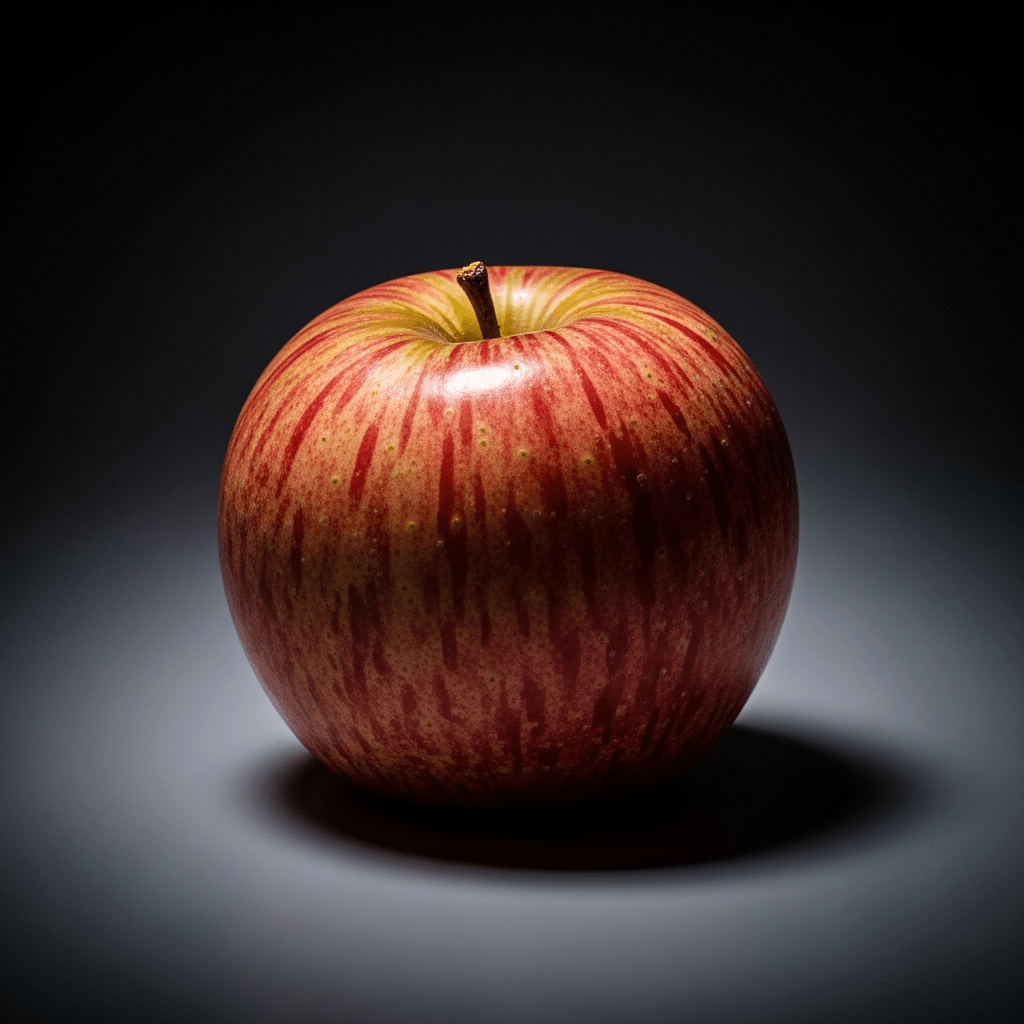
Cameo is a modern American dessert apple prized for its crisp texture, balanced sweetness, and striking red-striped appearance.
Cameo is a modern American dessert apple prized for its crisp texture, balanced sweetness, and striking red-striped appearance.
Discovered as a chance seedling in the late 1980s on the Caudle family orchard near Dryden, Washington, Cameo emerged in the heart of the Pacific Northwest. Its commercial debut followed in the mid-1990s, quickly gaining favor among growers and consumers for its distinctive qualities. Though its exact parentage remains uncertain, Cameo is widely believed to have arisen from open pollination, possibly involving 'Red Delicious' and 'Golden Delicious', both of which are prevalent in the region.
Cameo belongs to the family Rosaceae, genus Malus, species Malus domestica, and is classified as a dessert apple cultivar. This places it among the vast diversity of domesticated apples grown worldwide, recognized and registered under international standards such as the ICNCP.
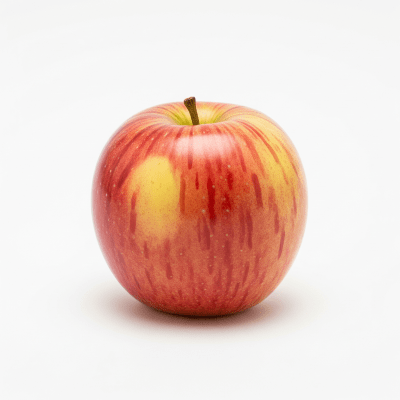
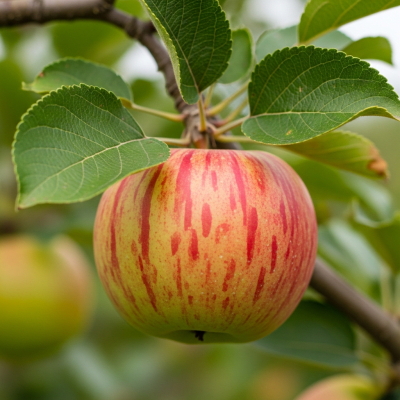
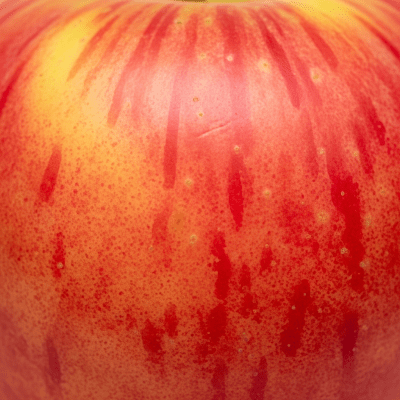
Cameo apples are medium to large, with a round to conical shape. Their skin is pale yellow to cream, dramatically flushed and striped with bright red, making them visually appealing in markets. The flesh is fine-textured, crisp, and juicy, inviting both the eye and palate. This attractive exterior, coupled with a satisfying crunch, sets Cameo apart from many other varieties.
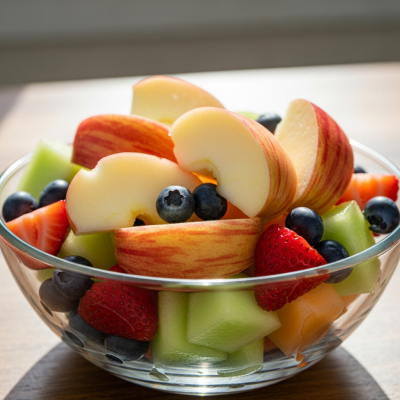
Primarily enjoyed fresh as a dessert apple, Cameo is celebrated for its eating quality. Its crispness and sweet-tart balance make it a favorite for snacking, though it also performs well in salads and some baked dishes. Cameo's resistance to bruising and excellent storage life further enhance its appeal for both consumers and retailers, ensuring it remains flavorful and firm for months after harvest.
Bring this kind into your world illustrated posters, mugs, and shirts.
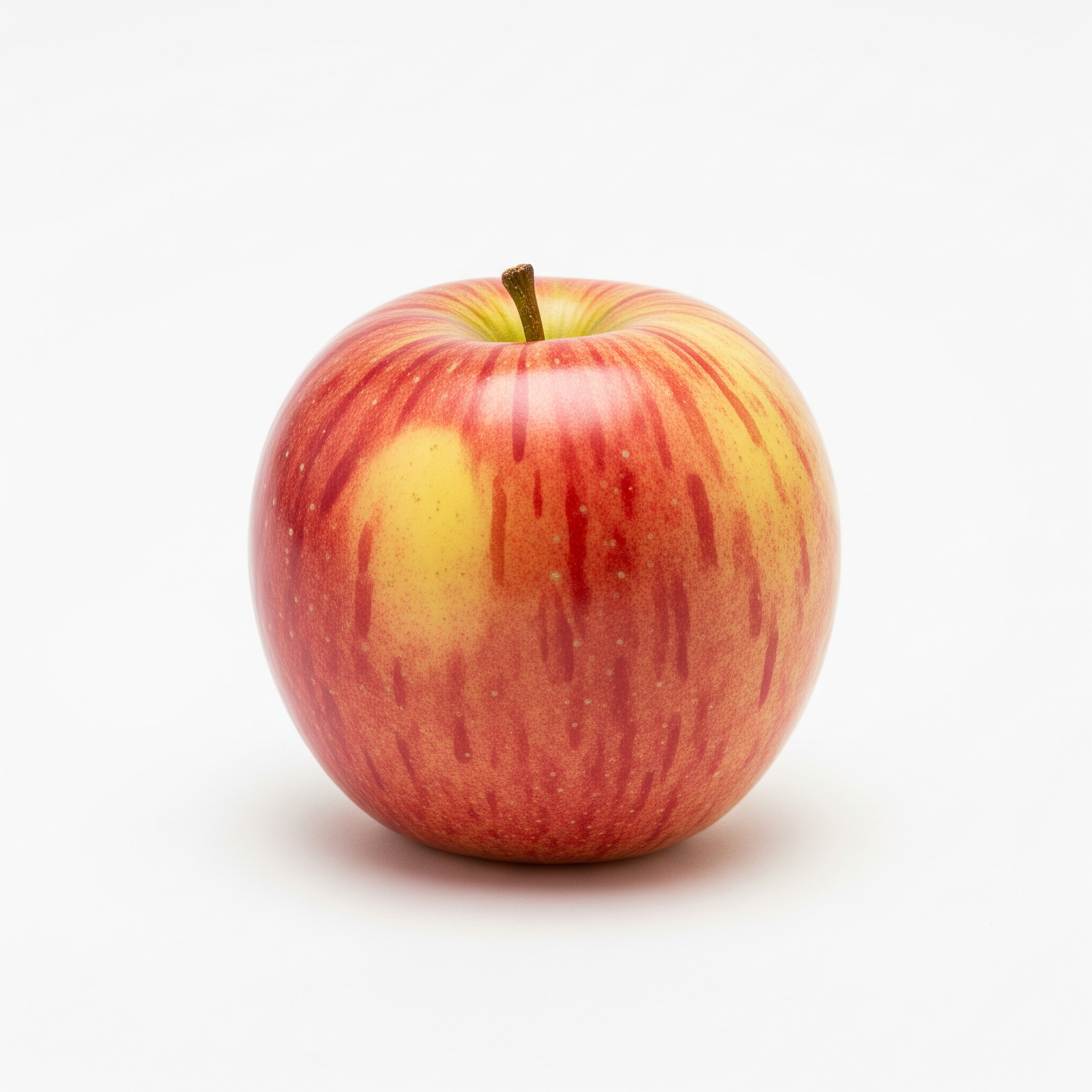
Archival print, museum-grade paper
Buy Poster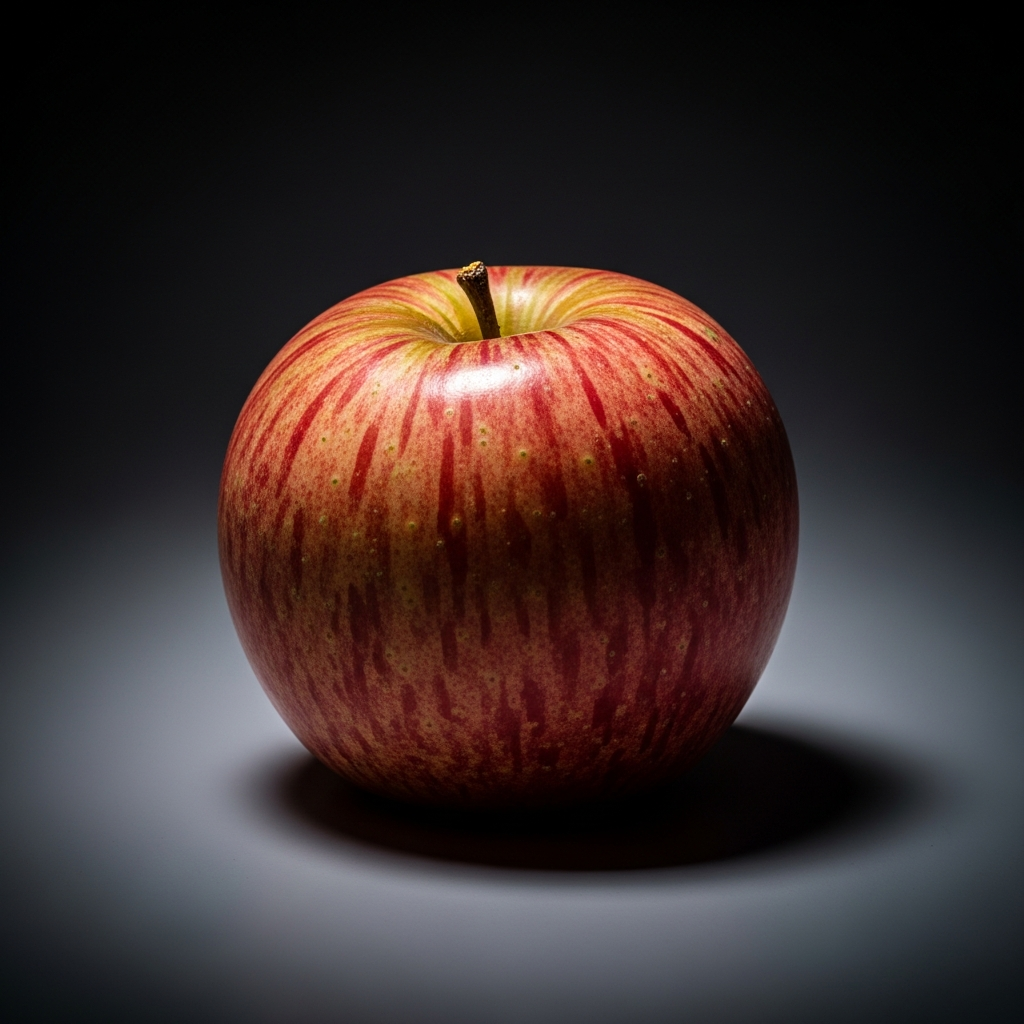
Stoneware mug, dishwasher safe
Buy Mug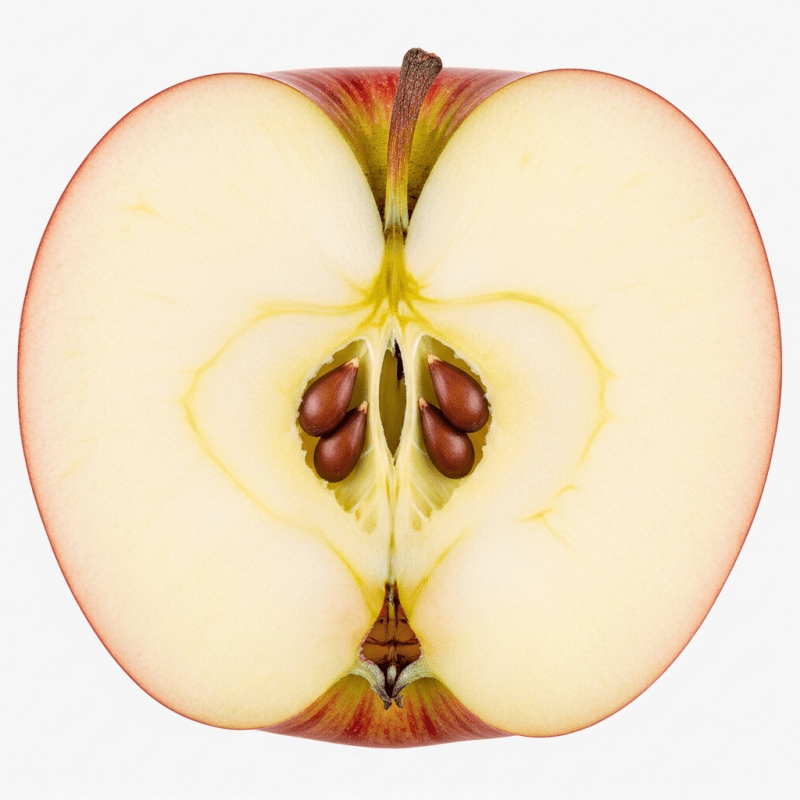
Soft cotton tee, unisex sizes
Buy ShirtWhile Cameo does not have deep historical roots or mythic associations, it represents the innovation and adaptability of American apple breeding in the late twentieth century. Its rapid rise in popularity reflects changing consumer preferences for texture and flavor, and it has become a staple in U.S. supermarkets, particularly in the Pacific Northwest. Cameo’s success story is emblematic of modern orchard practices and the ongoing search for apples that combine beauty, taste, and practicality.
Cameo apples deliver a sweet flavor with gentle tart undertones, reminiscent of both 'Red Delicious' and 'Golden Delicious' but with added complexity. The flesh is crisp and juicy, offering a refreshing crunch and a fine, satisfying texture. Their aroma is mild yet inviting, making them a favorite for fresh eating.

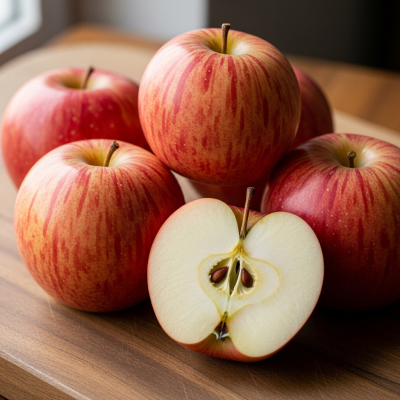
Cameo's principal region of origin and cultivation is Washington State, USA, a leading apple-growing area. It is now widely grown across North America, especially in the Pacific Northwest, and its cultivation is expanding internationally as growers recognize its adaptability and market appeal.
The genetic lineage of Cameo is not definitively established. It is believed to be a chance seedling, possibly resulting from open pollination involving 'Red Delicious' and 'Golden Delicious', given its physical and flavor similarities. However, authoritative sources list its parentage as unknown, and no conclusive genetic analysis has confirmed its origins.
Cameo is a common and commercially significant apple cultivar, with no current conservation concerns. It is widely propagated and readily available in orchards and markets, ensuring its ongoing presence in the apple landscape.
While Cameo itself is a distinct cultivar, it is often compared to other notable apples such as 'Red Delicious', 'Golden Delicious', and 'Honeycrisp' for its flavor and texture. These varieties, along with Cameo, represent some of the most widely recognized and commercially successful dessert apples in modern orcharding.
Cameo apples are typically harvested in the autumn, with peak availability from late fall through winter. Thanks to their superior storage capabilities, they remain accessible in markets for several months after harvest, ensuring a steady supply during the colder seasons.